Mental math practice Normal Math Worksheets for Ages 3-9
5 filtered results
-
From - To
Welcome to our Mental Math Practice Worksheets, designed for children ages 3-9! These engaging, printable resources help young learners develop essential math skills through fun and interactive exercises. By practicing mental math, kids enhance their ability to perform calculations quickly and confidently, laying a strong foundation for future math success. Our worksheets are carefully crafted to cover various topics, including addition, subtraction, and simple problem-solving, making learning enjoyable and effective. Ideal for classroom use or home practice, our worksheets provide a valuable tool for parents and educators. Start your child’s math journey today with our stimulating mental math resources!
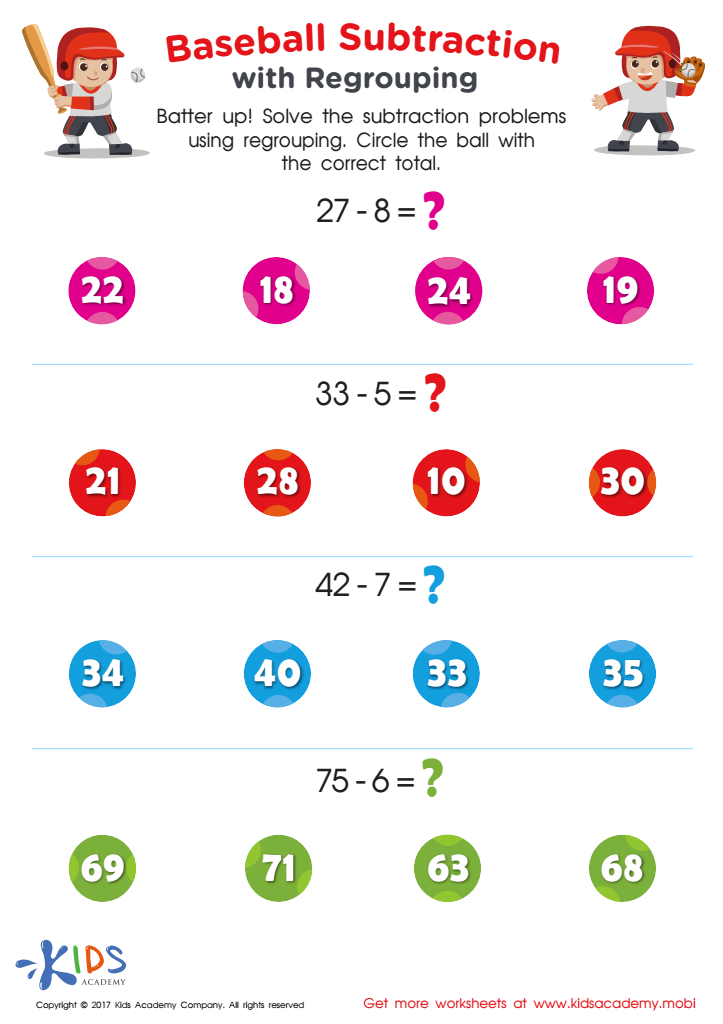
Subtraction With Regrouping for 2nd Grade Worksheet
 Assign to My Students
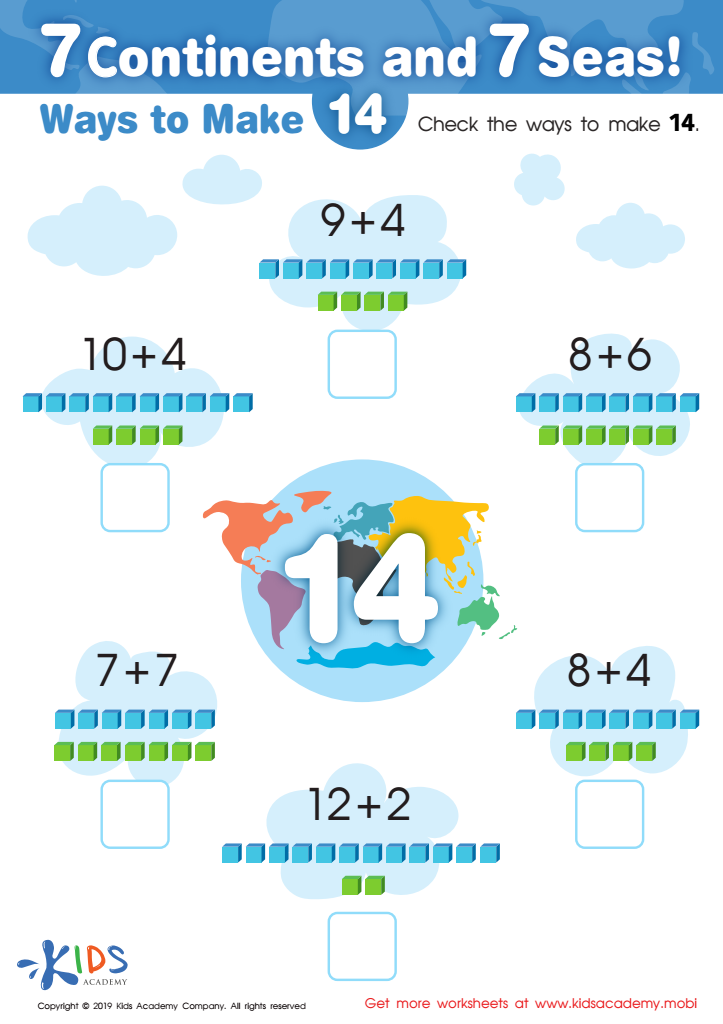
7 Continents and 7 Seas Worksheet
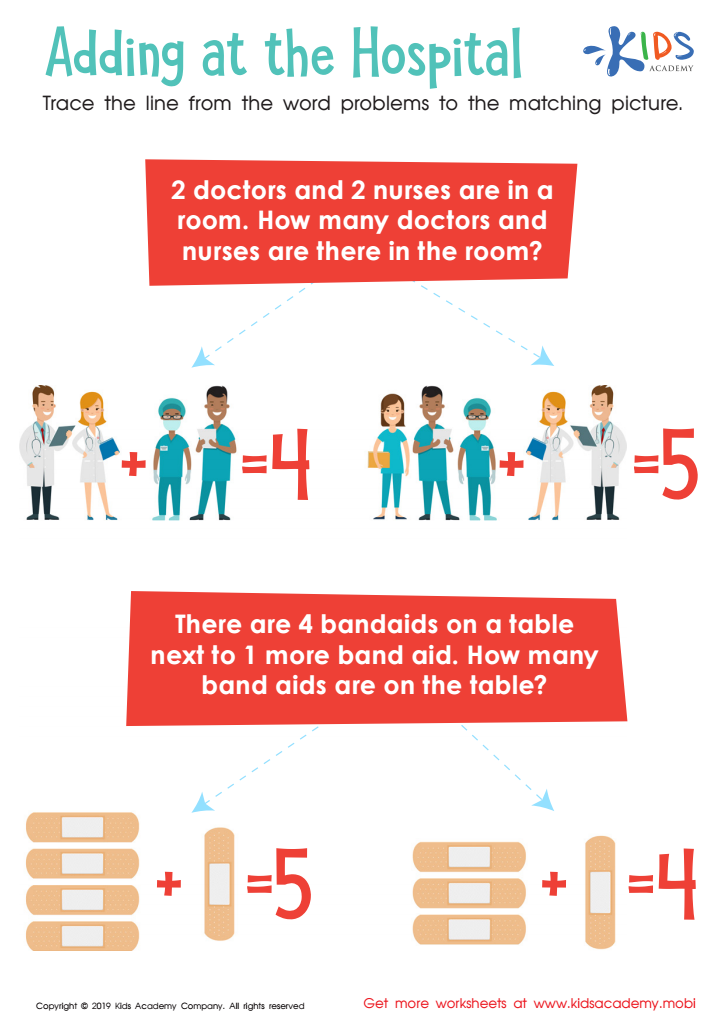
Adding at the Hospital Worksheet
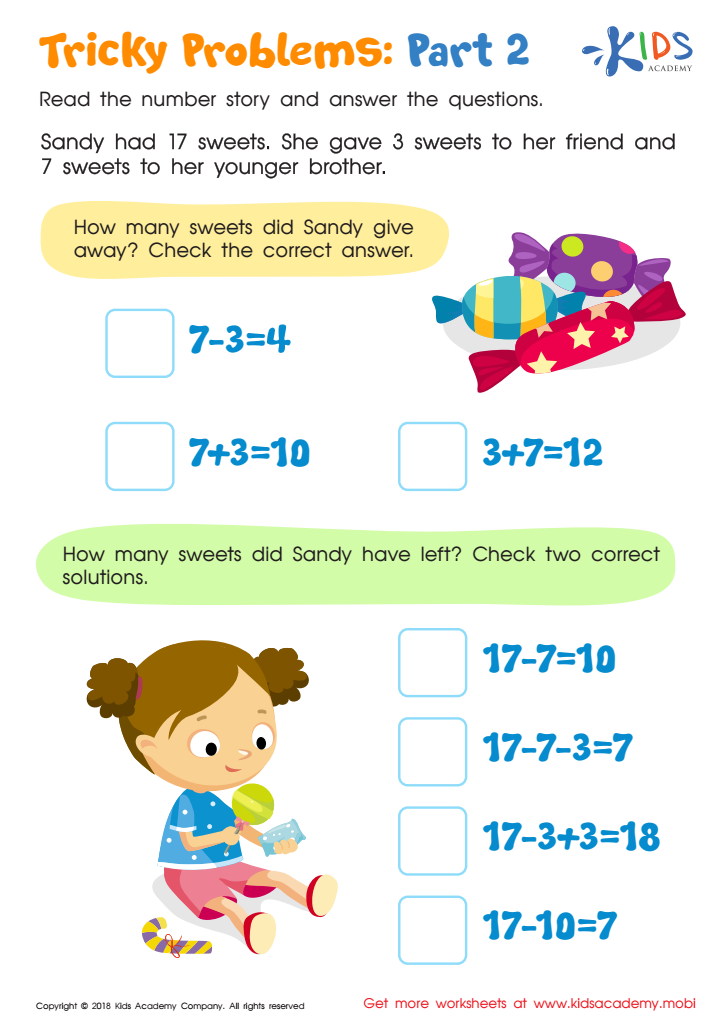
Tricky Problems Worksheet: Part 2
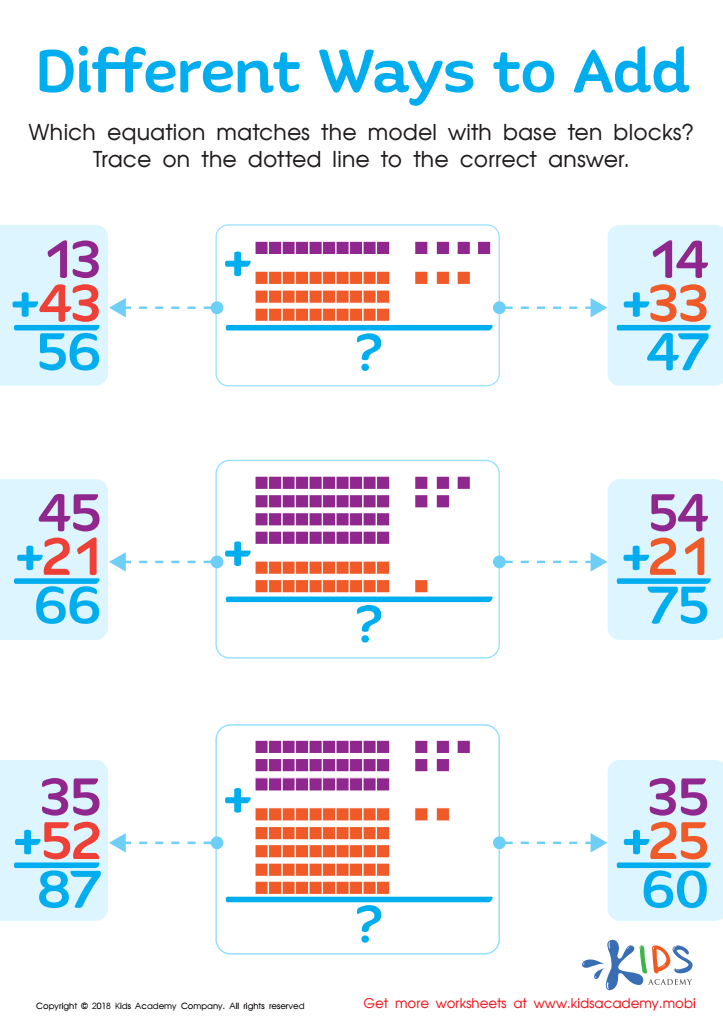
Different Ways to Add Worksheet








Mental math practice plays a crucial role in the development of young learners aged 3 to 9. During these formative years, children's brains are exceptionally receptive, making it an ideal time to foster essential mathematical skills. By emphasizing mental math, parents and teachers can enhance children's number sense, which forms the foundation for more complex mathematical concepts.
First, mental math encourages flexibility in thinking, allowing children to approach problems from multiple angles. This skill promotes problem-solving and critical thinking, empowering students to tackle challenges confidently. Furthermore, practicing mental math assists in building strong mathematical fluency, leading to improved performance in more advanced topics later on.
Additionally, engaging in mental math can be a fun and interactive activity for families and classrooms alike. It cultivates a positive attitude toward math, reduces anxiety, and builds resilience as children learn to handle errors and improve their reasoning.
Moreover, as the world becomes increasingly quantitative, equipping children with mental math skills prepares them for success in everyday situations, from budgeting their allowance to assessing time. In conclusion, prioritizing mental math is a vital investment in children's future learning and life skills, benefiting both parents and teachers alike.








