Visual discrimination Normal Math Worksheets for Ages 3-9
8 filtered results
-
From - To
Sure! Here’s a 100-word description for the webpage:
Enhance your child's visual discrimination skills with our engaging Normal Math Worksheets, designed specifically for ages 3-9. Our printable worksheets focus on identifying, comparing, and categorizing visual information, essential for developing critical thinking and problem-solving skills in young learners. Each worksheet features colorful illustrations and age-appropriate activities, making learning fun and interactive. Whether at home or in the classroom, these resources support independent practice and encourage creativity. Help your child build a strong math foundation while improving their ability to differentiate shapes, sizes, and patterns. Explore our collection and watch your little ones thrive academically!
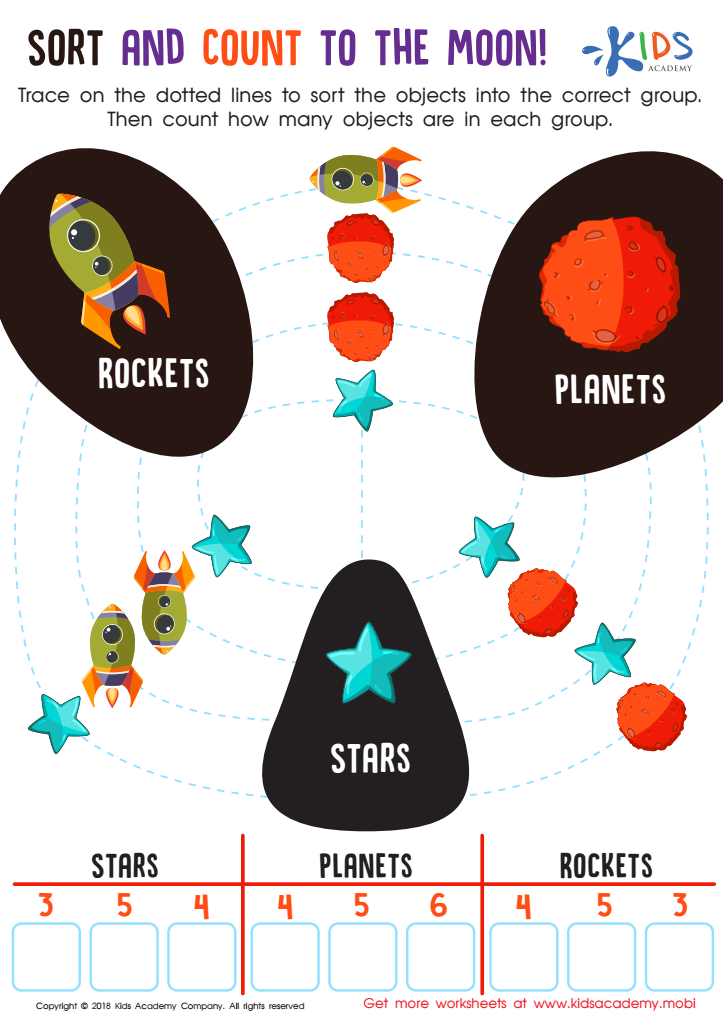
Sort and Count to the Moon Worksheet
 Assign to My Students
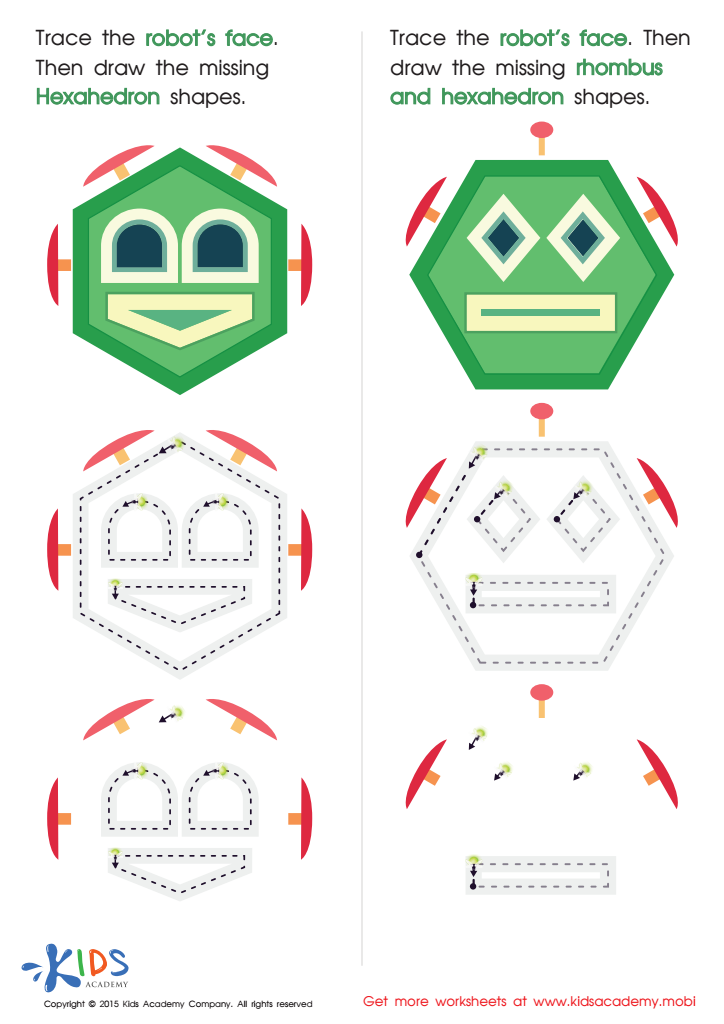
Practice Drawing Hexahedrons And a Rhombus Worksheet
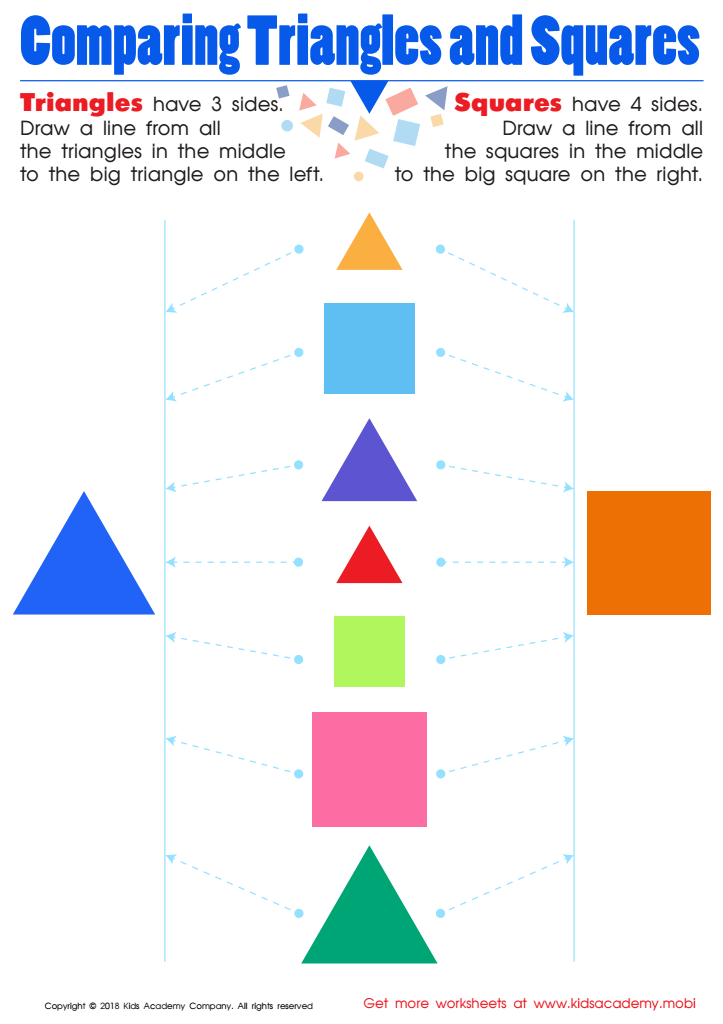
Comparing Triangles Squares Worksheet
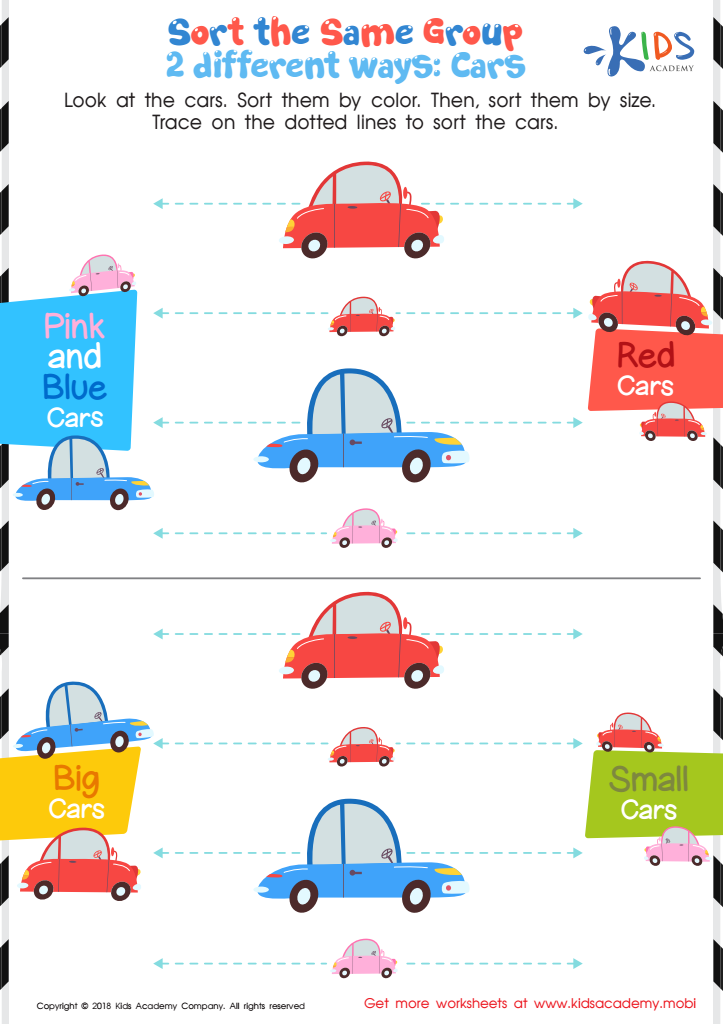
Sort the Same Group 2 Different Ways: Cars Worksheet
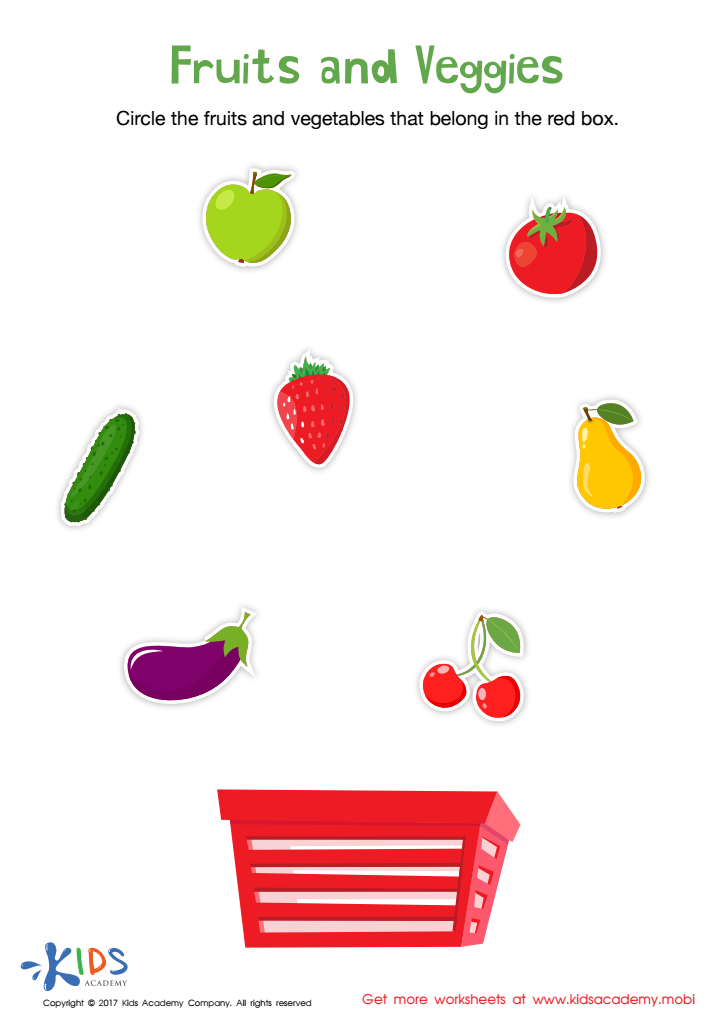
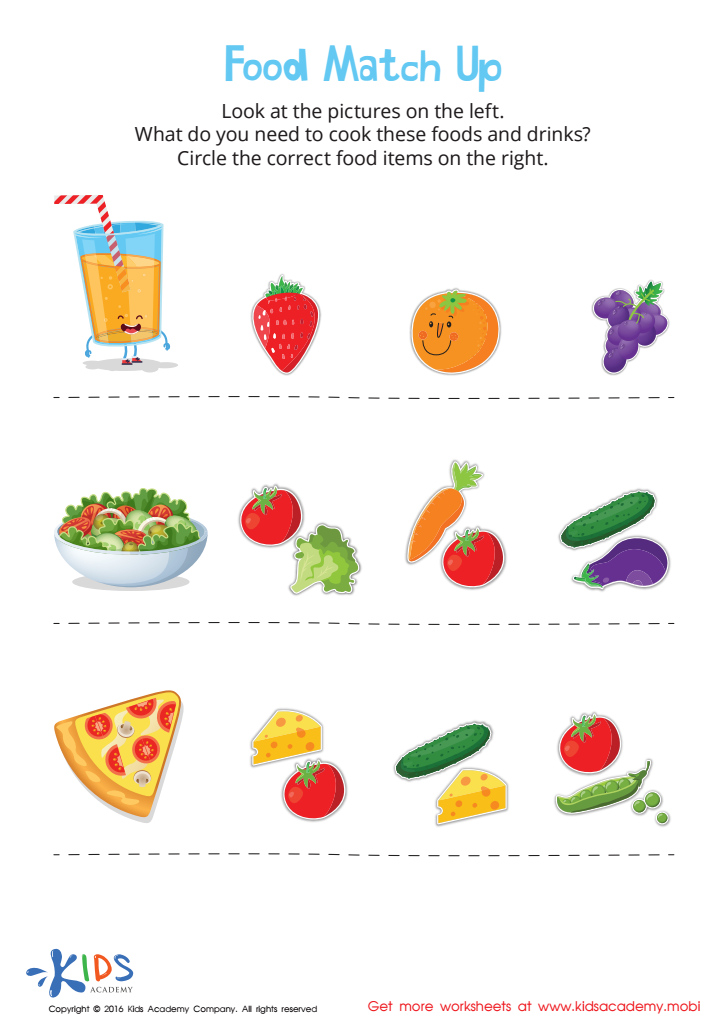
Food Match Up Worksheet
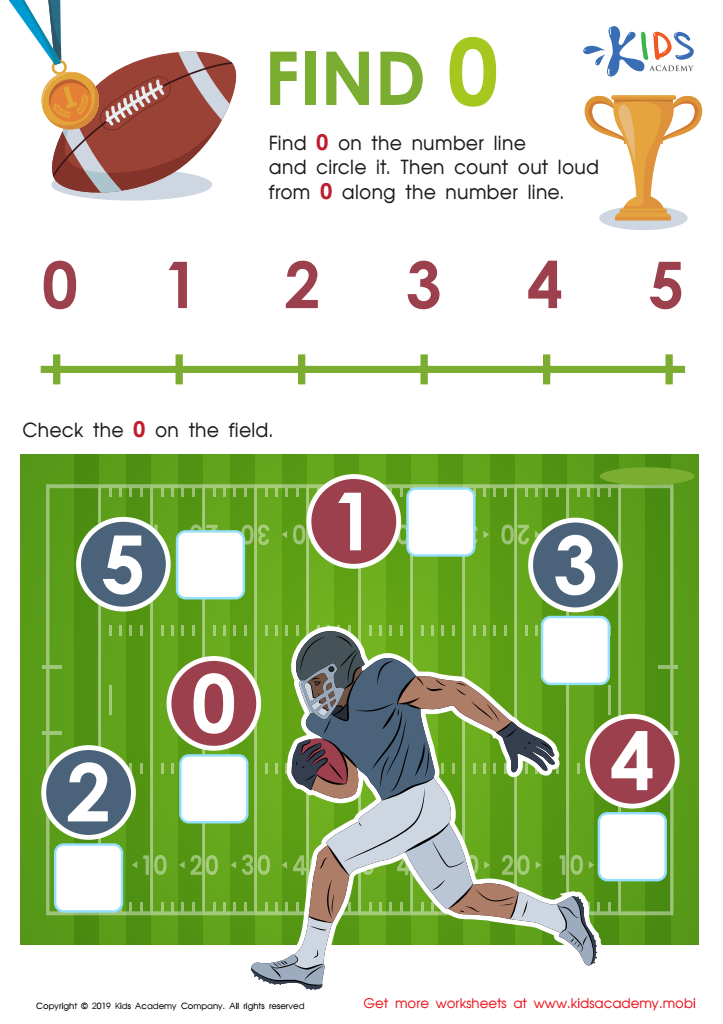
Find 0 Worksheet
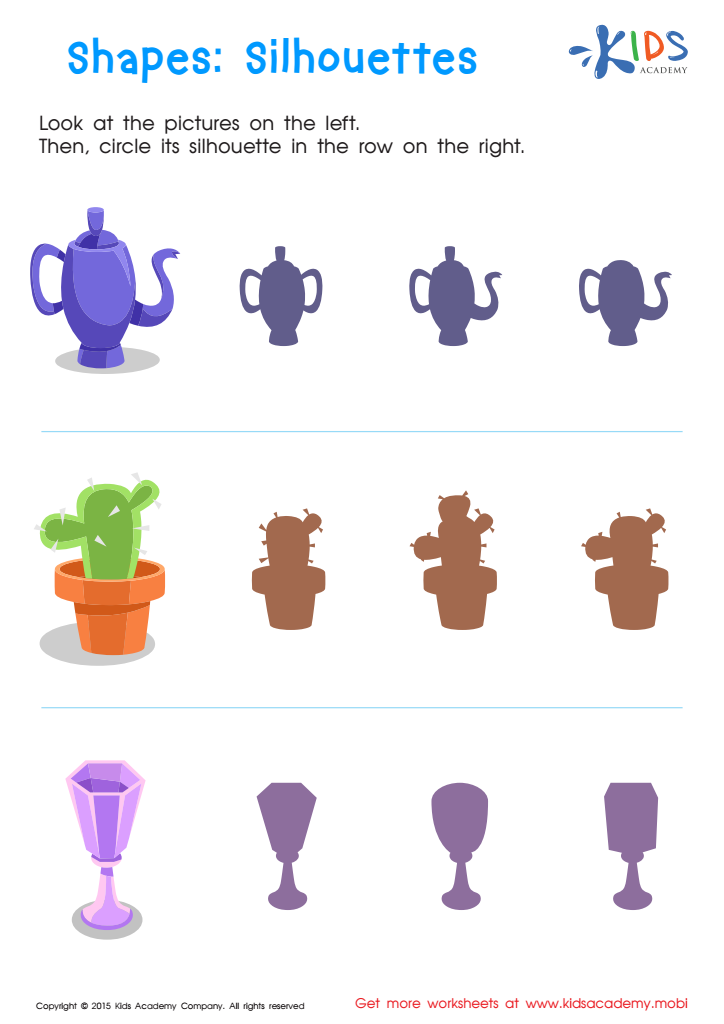
Silhouettes – Shapes Worksheet


.jpg)




%20(1).jpg)
Visual discrimination is a crucial skill for children aged 3-9, especially in developing foundational math abilities. This skill involves the ability to distinguish between different shapes, sizes, colors, and patterns. It is essential for children as they begin to understand numbers, recognize shapes, and develop spatial awareness—key components in early math education.
When children are proficient in visual discrimination, they can better identify numerical symbols, match similar items, and engage in sorting and classifying activities. These abilities lay the groundwork for complex concepts such as addition, subtraction, and problem-solving. Parents and teachers should focus on nurturing this skill, as it directly influences a child's ability to succeed academically.
Furthermore, visual discrimination promotes critical thinking and observation skills, which are not only vital in math but also in reading and everyday life. By implementing games, activities, and structured lessons that enhance visual discrimination, parents and teachers can significantly boost a child's overall cognitive development. This approach leads to improved self-confidence and a more profound enjoyment of learning, ultimately fostering a positive attitude towards education as a whole. Investing time in developing visual discrimination ensures that children are better prepared for future academic challenges.








