Enhancing Counting Skills Normal Place Value Worksheets for Ages 3-9
3 filtered results
Difficulty Level
Grade
Age
-
From - To
Subject
Activity
Standards
Welcome to our dedicated space for "Enhancing Counting Skills: Normal Place Value Worksheets for Ages 3-9"! Our thoughtfully designed worksheets are tailored to help young learners grasp essential counting and place value concepts effortlessly. With engaging visuals and age-appropriate activities, children will flourish in building their foundational math skills. These resources support hands-on learning through interactive exercises, ensuring that kids develop confidence while exploring numbers. Perfect for classroom use or at-home practice, our worksheets provide a fun and effective way to reinforce counting comprehension. Start your child's mathematical journey today and watch them shine with a strong understanding of place value!
Favorites
With answer key
Interactive
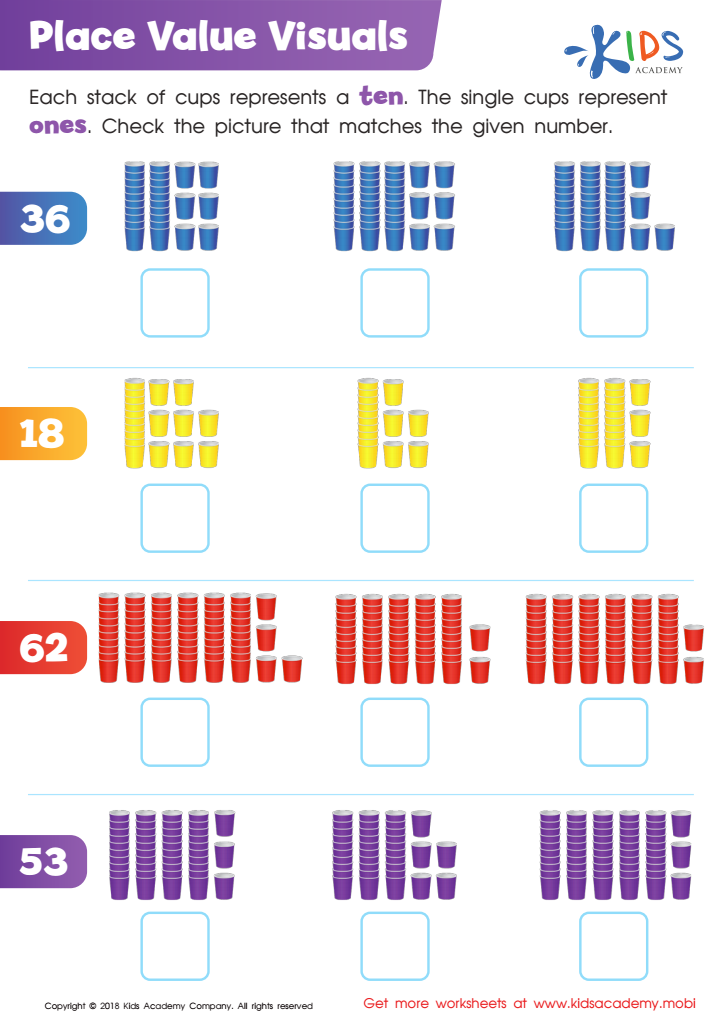
Place Value Visuals Worksheet
Help your child count the cups in each picture, using the simple rule that each stack is 10 and each single cup is 1. Ask them to match the number on the left to the picture on the right. No need to count each cup individually; since each stack is 10, 3 stacks is 30 and so on.
 Assign to My Students
Place Value Visuals Worksheet
Worksheet
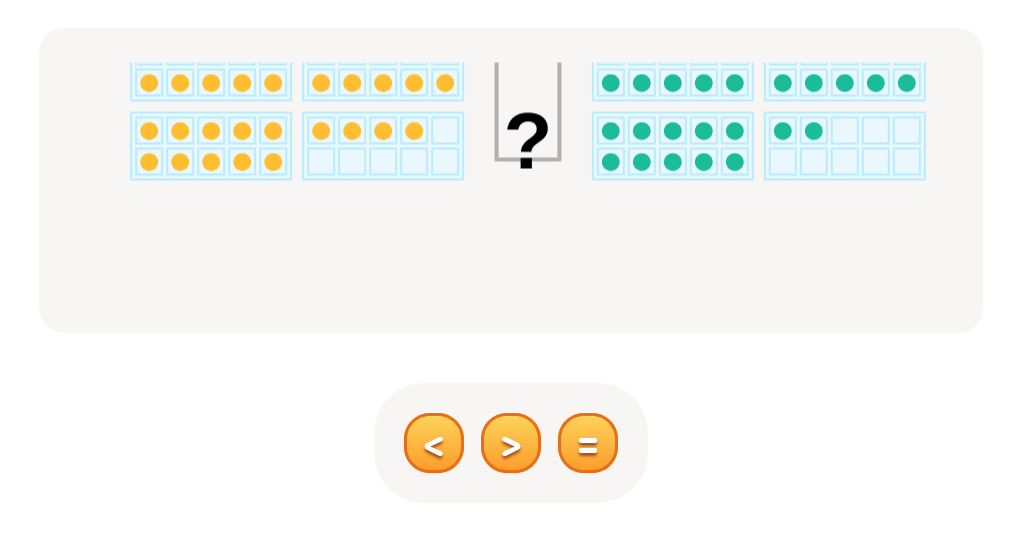

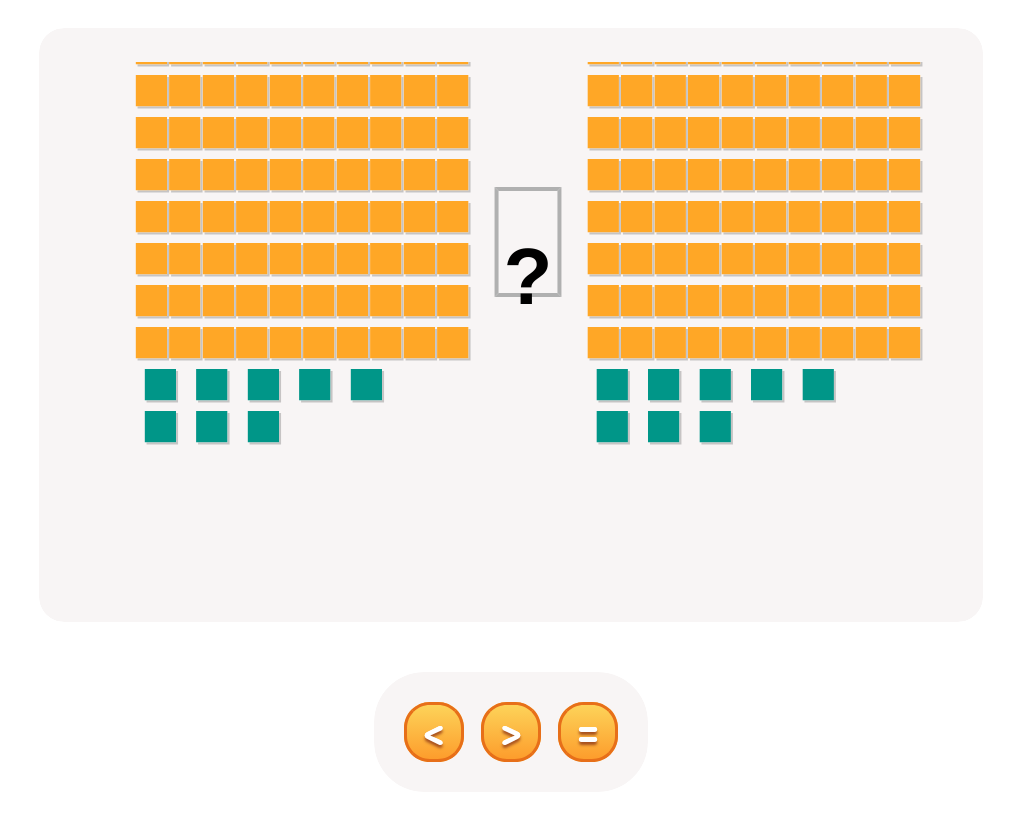
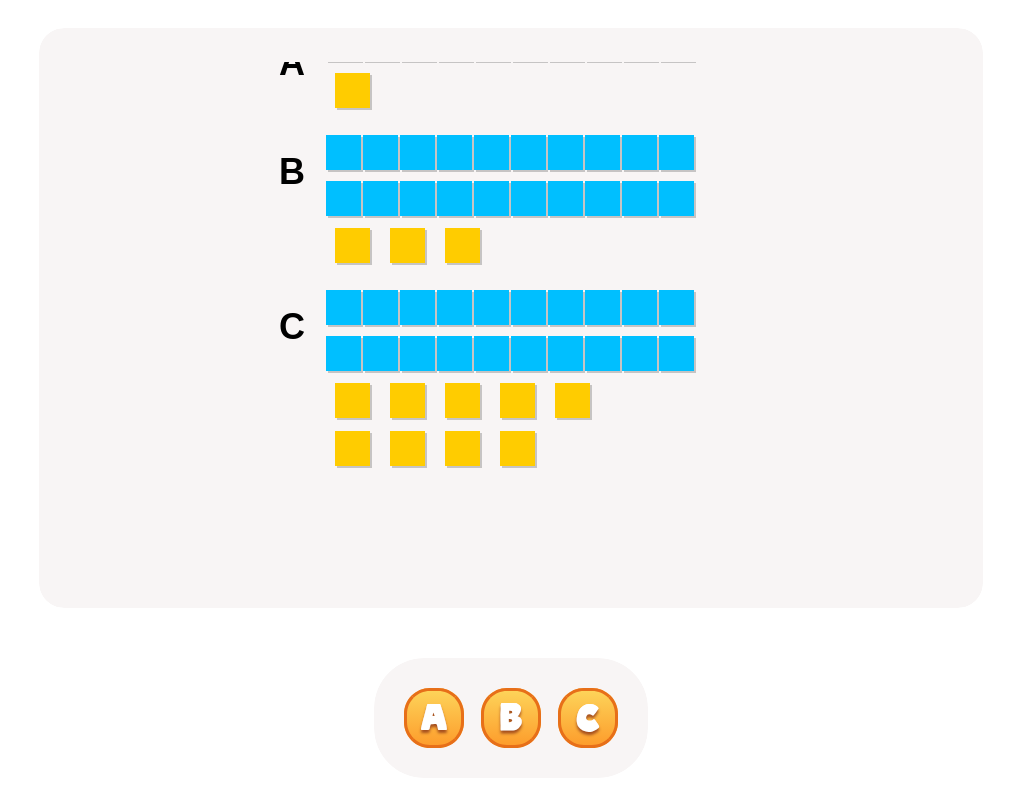
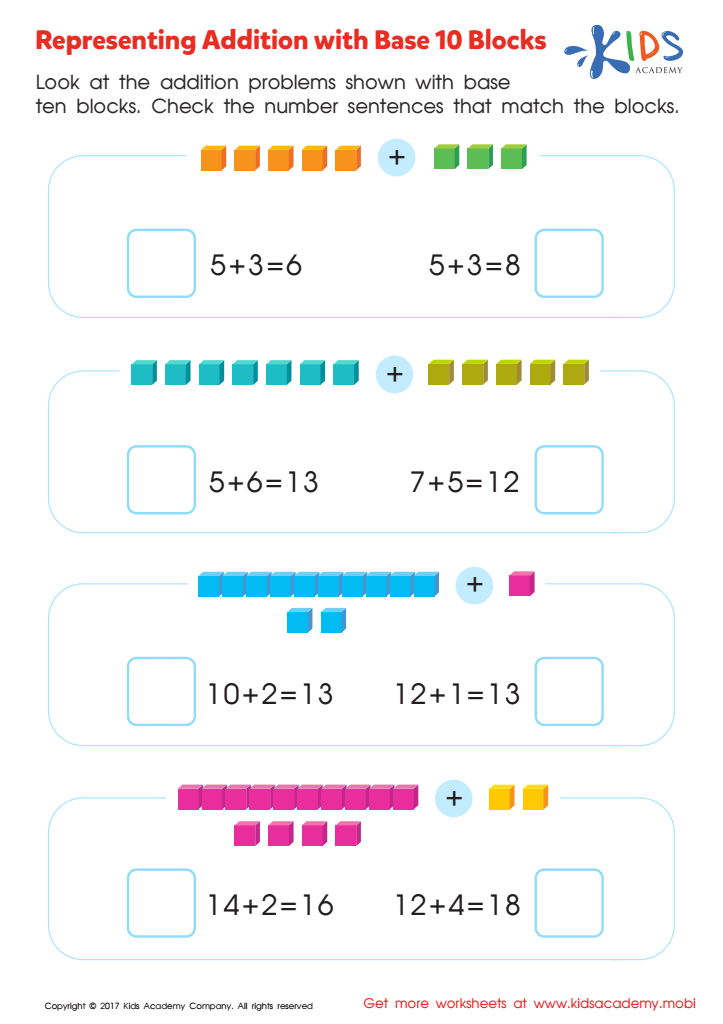
Representing Addition with Base 10 Blocks Worksheet
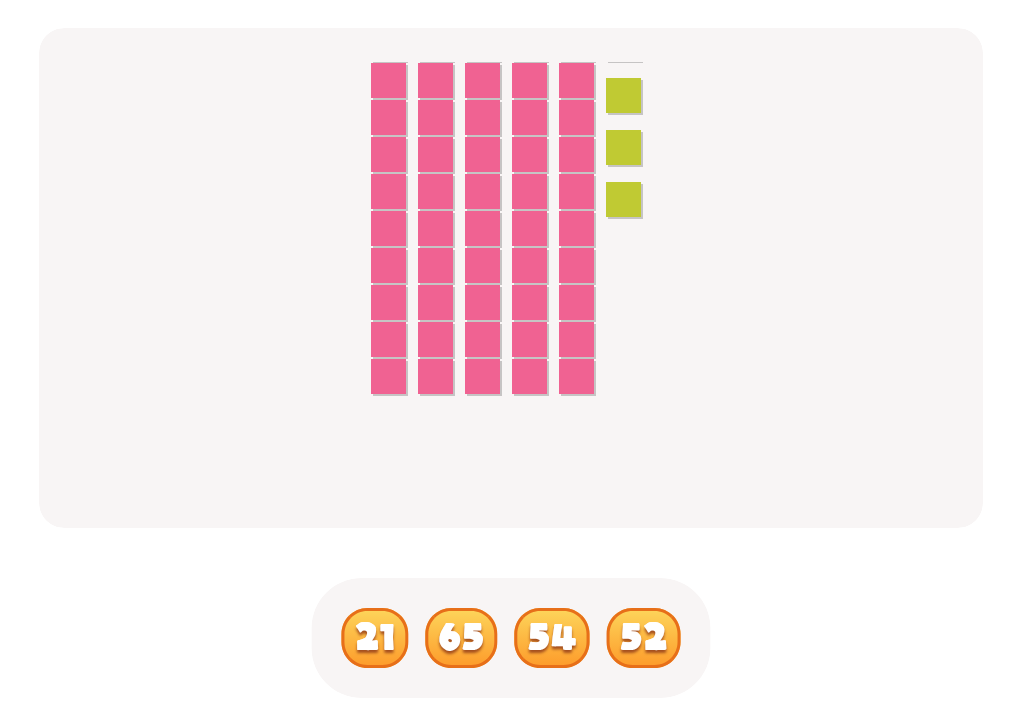
Solve addition problems with your little one: help them count the blocks, then select the correct equation from the choices. Circle the answer. Word play and math make a winning combo!
Representing Addition with Base 10 Blocks Worksheet
Worksheet
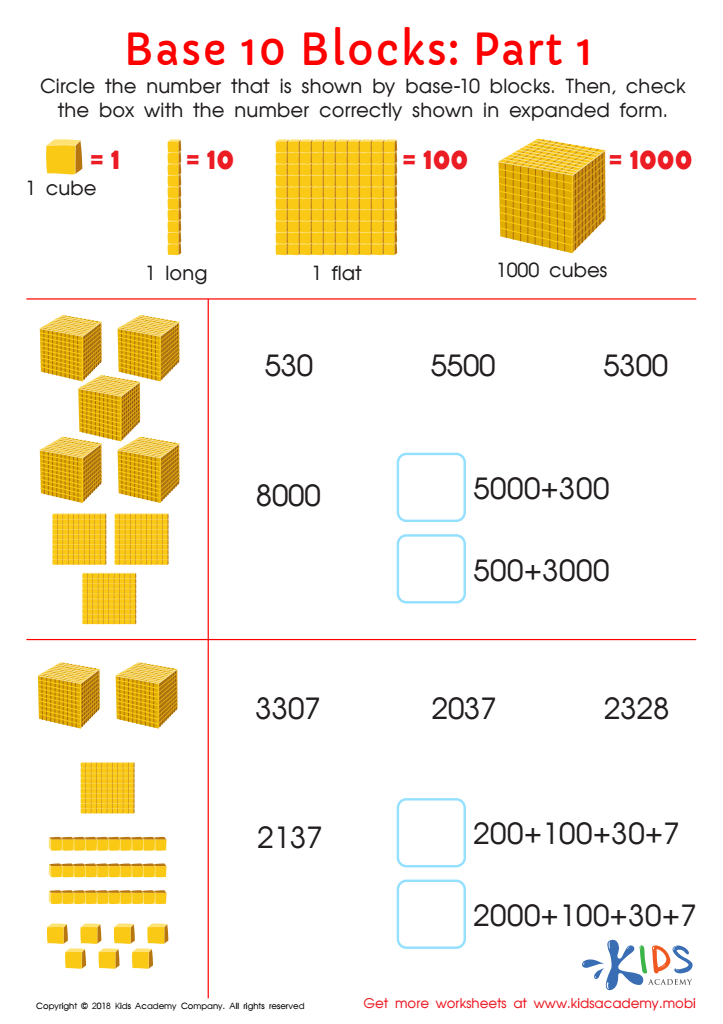
Base 10 Blocks Worksheet: Part 1
Need help teaching place value without manipulatives? Kids Academy has you covered! Our printable worksheet will help learners review the language like cubes, longs and flats. Just use the images at the top as a reference and have learners circle the answers and select its expanded form. Kids will master one to four-digit numbers without needing manipulatives.
Base 10 Blocks Worksheet: Part 1
Worksheet
Join Kids Academy for Free
Who is primarily going to use this learning content?





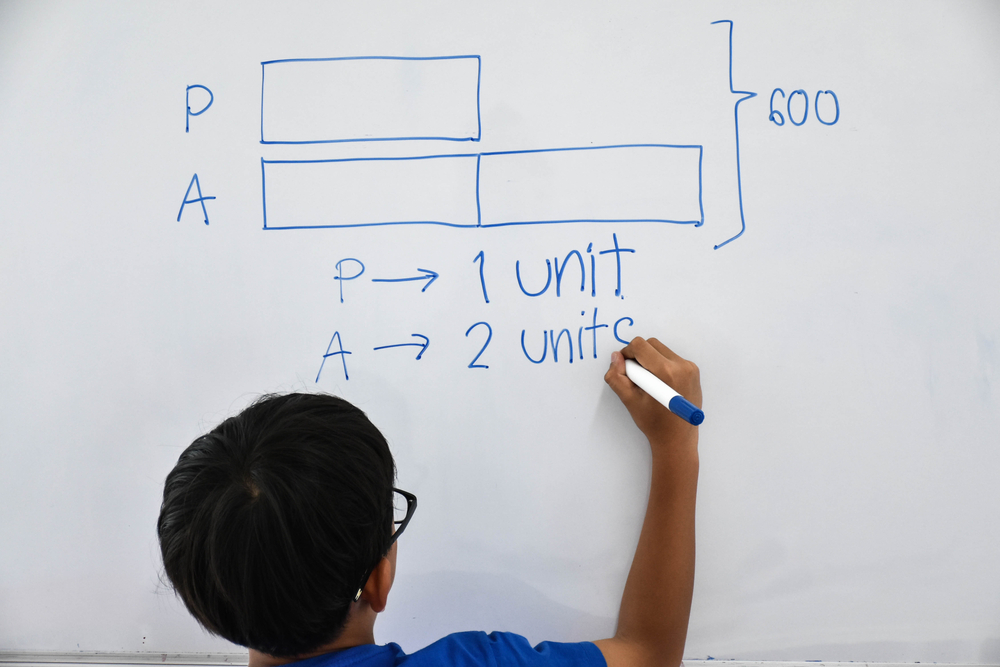

Enhancing counting skills and understanding normal place value are foundational for children aged 3-9, crucial for their long-term mathematical development. At this early age, children develop basic numeracy skills, which are essential for future academic success across various subjects. Mastering counting helps enhance their number sense, enabling them to understand quantities and relationships between numbers.
Place value introduces children to the idea that numbers are structured, shifting their thinking from basic counting to understanding how numbers relate to each other. For example, recognizing that in the number 42, the 4 represents 40, and the 2 represents 2 units is vital. This understanding forms the basis for addition, subtraction, and more complex math operations they will encounter in higher grades.
Moreover, strong counting and place value skills contribute to critical thinking, problem-solving, and logical reasoning abilities, traits that are beneficial for overall academic achievement and daily life. Parents and teachers should prioritize these skills not only to foster a love for mathematics but also to ensure that children build the necessary competencies to tackle more complex mathematical concepts with confidence in the future. By investing time and resources in enhancing these skills, adults can ensure a solid foundation for children’s ongoing learning journey.