Vocabulary expansion Normal Building Vocabulary Worksheets for Ages 3-9 - Page 2
40 filtered results
-
From - To
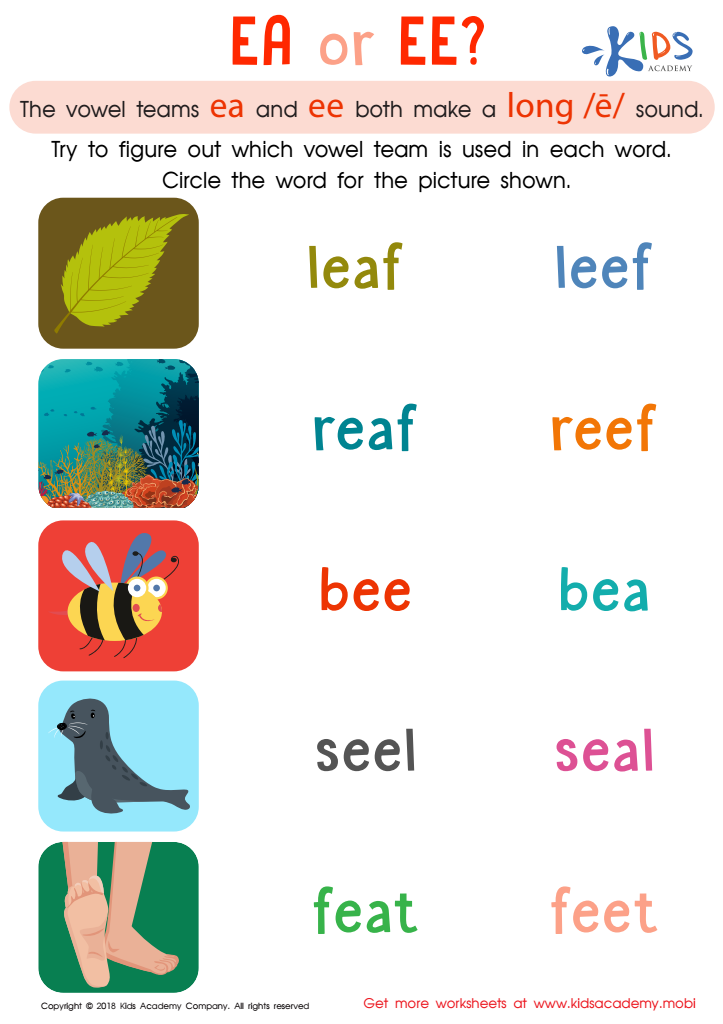
Reading: EA and EE Worksheet
 Assign to My Students











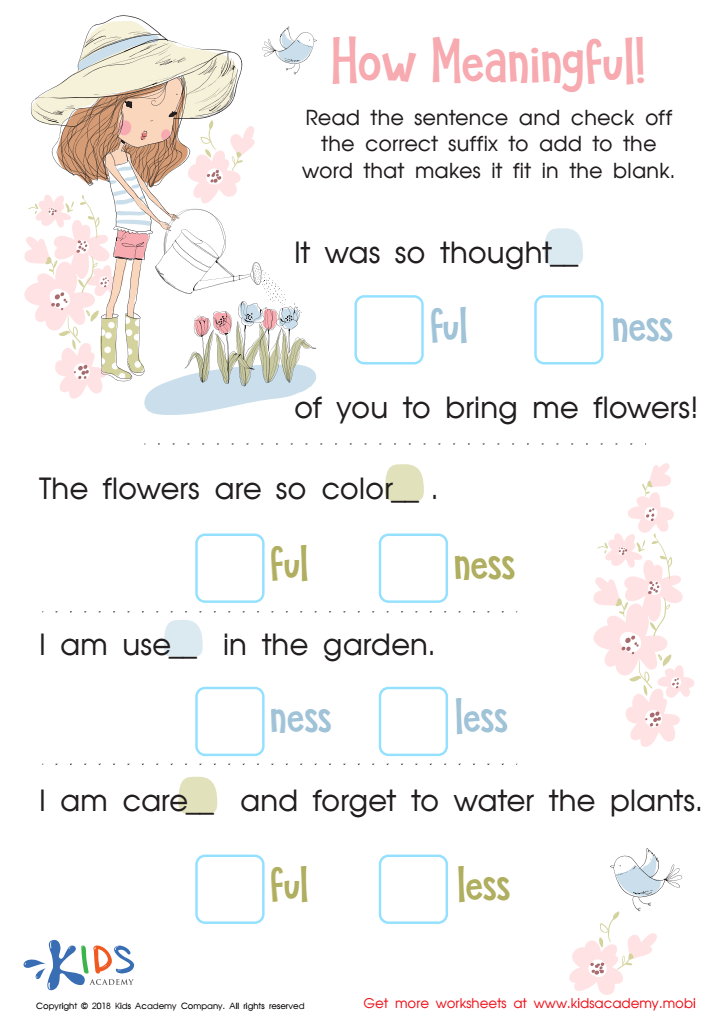
How Meaningful! Worksheet
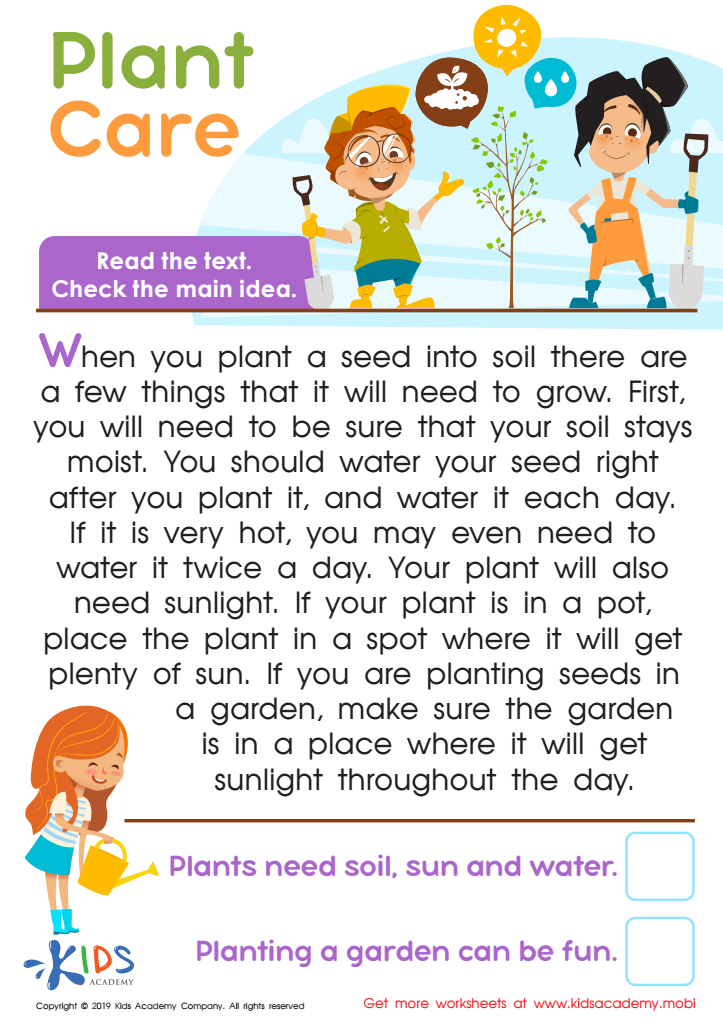
Plant Care Worksheet
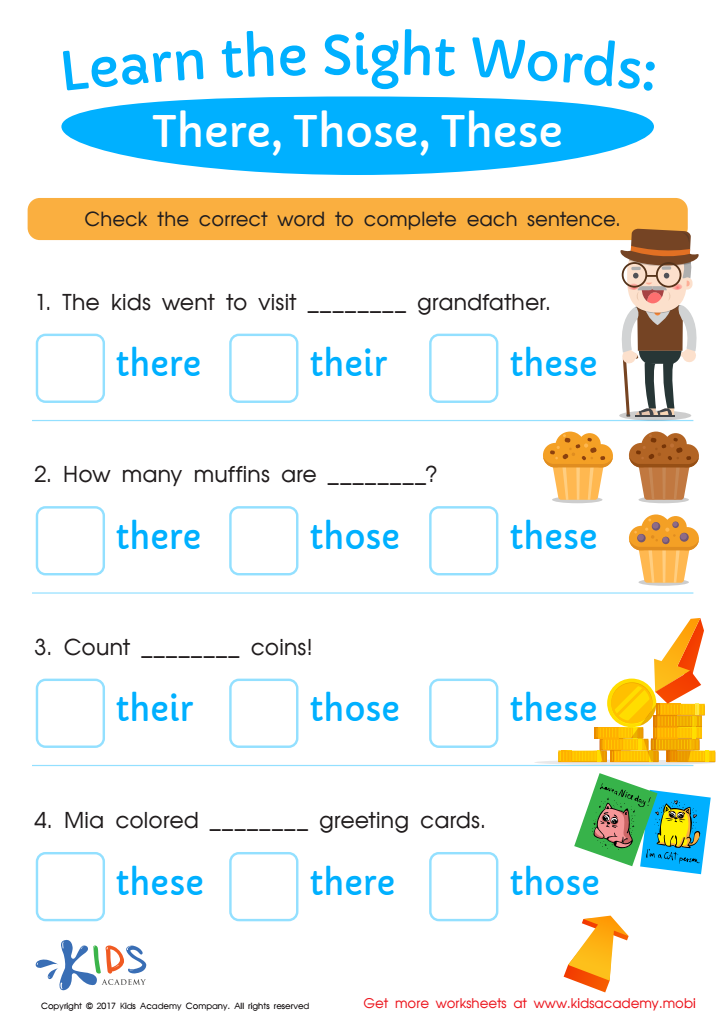
There, Those and These Sight Words Worksheet
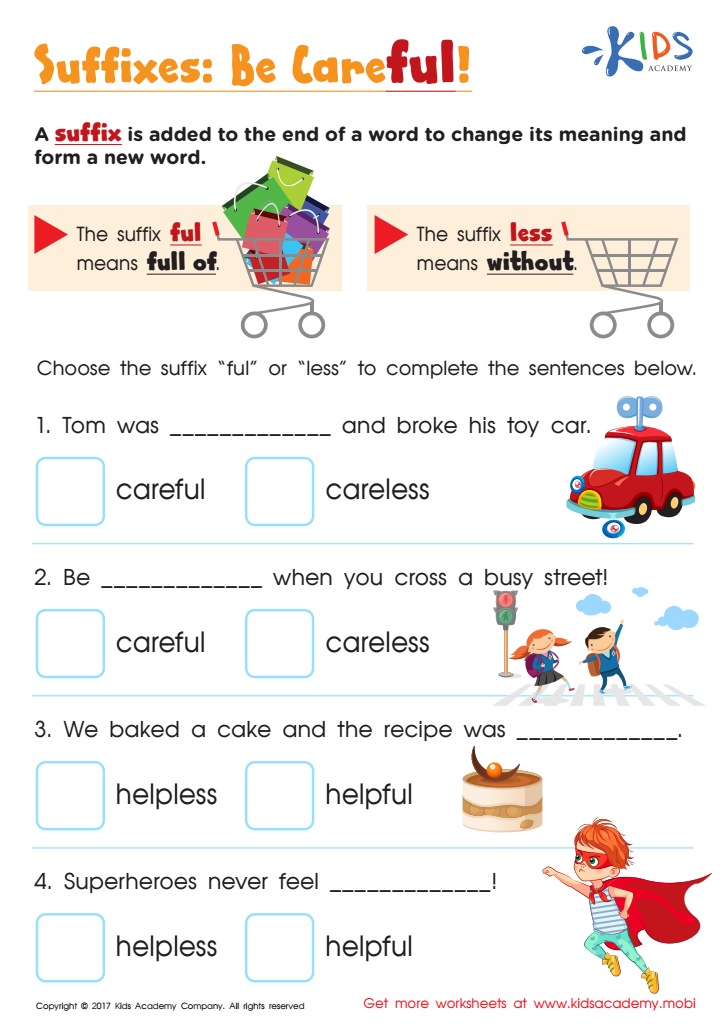
Suffixes Ful and Less Worksheet
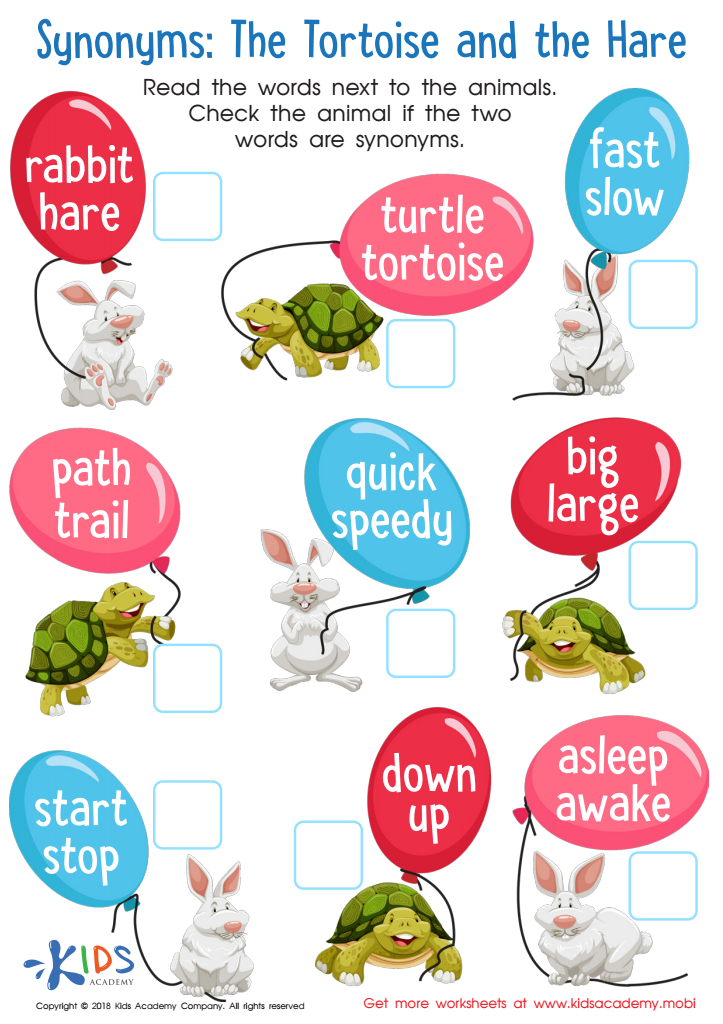
Synonyms: The Tortoise and Hare Worksheet
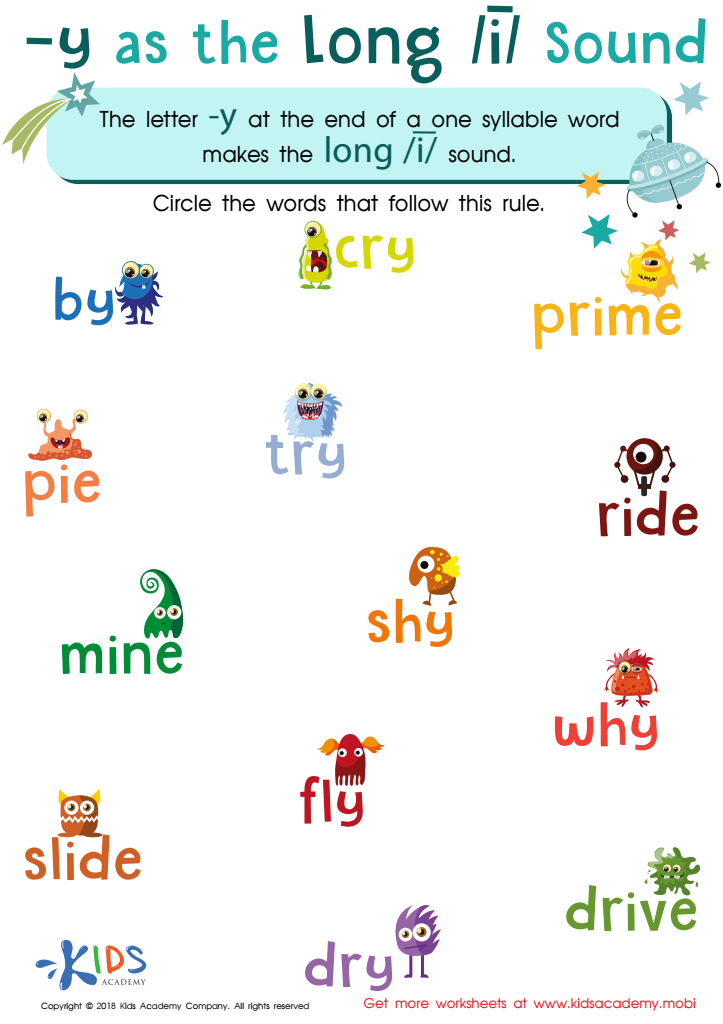
Reading: Y as Long I Worksheet
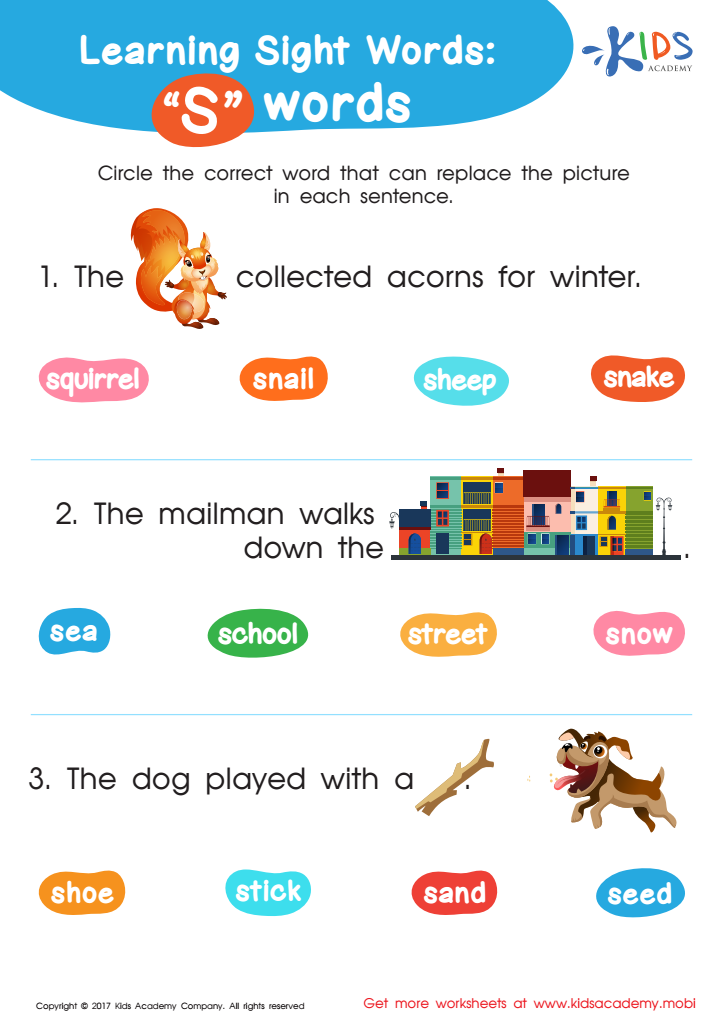
S Words Sight Words Worksheet
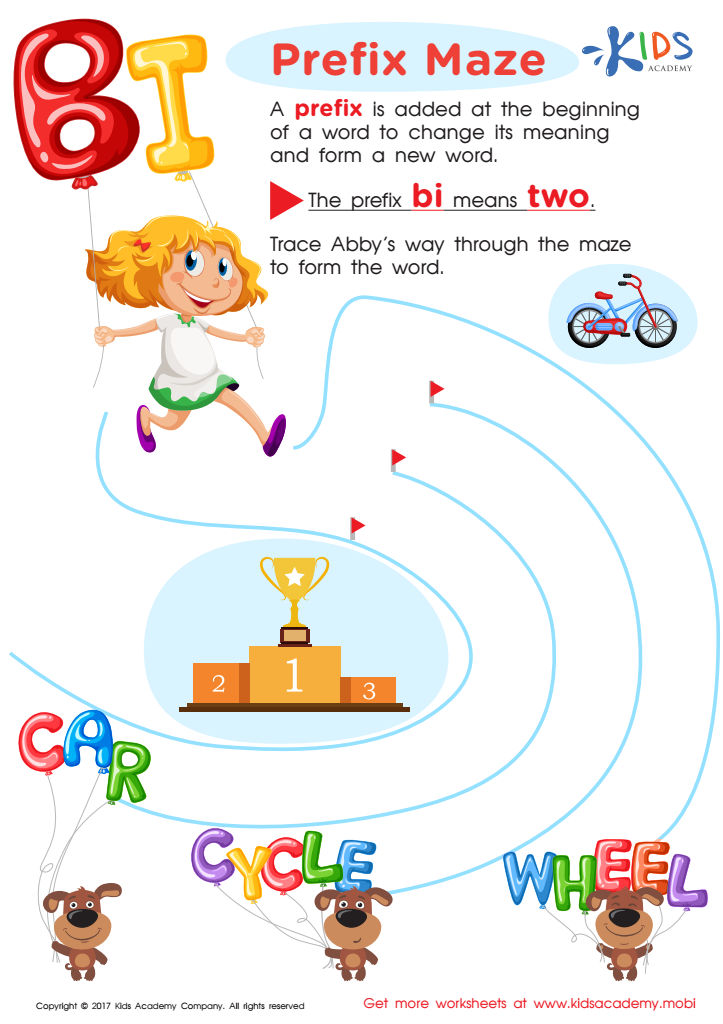
Prefix Bi Words Worksheet
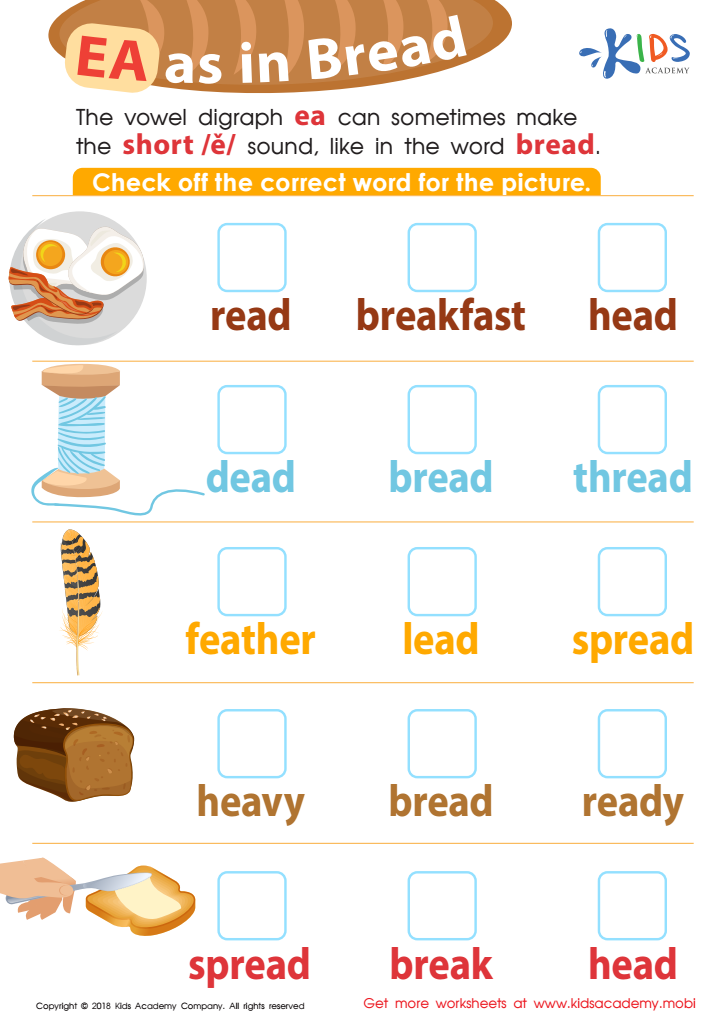
Reading: EA as in Bread Worksheet
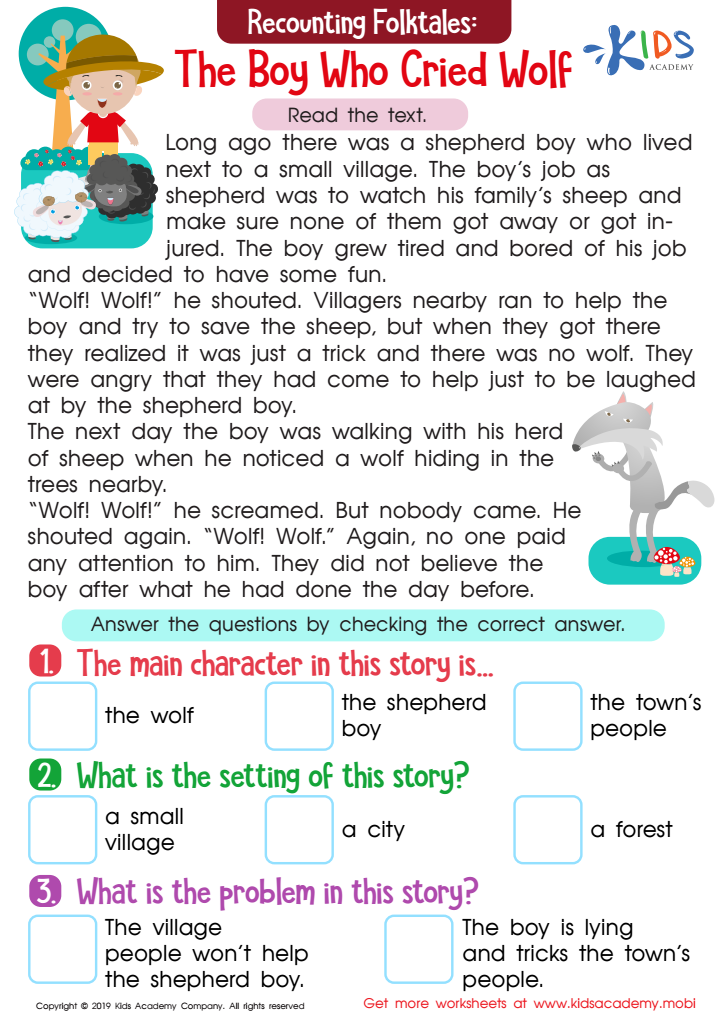
The Boy Who Cried Wolf Part 1 Worksheet
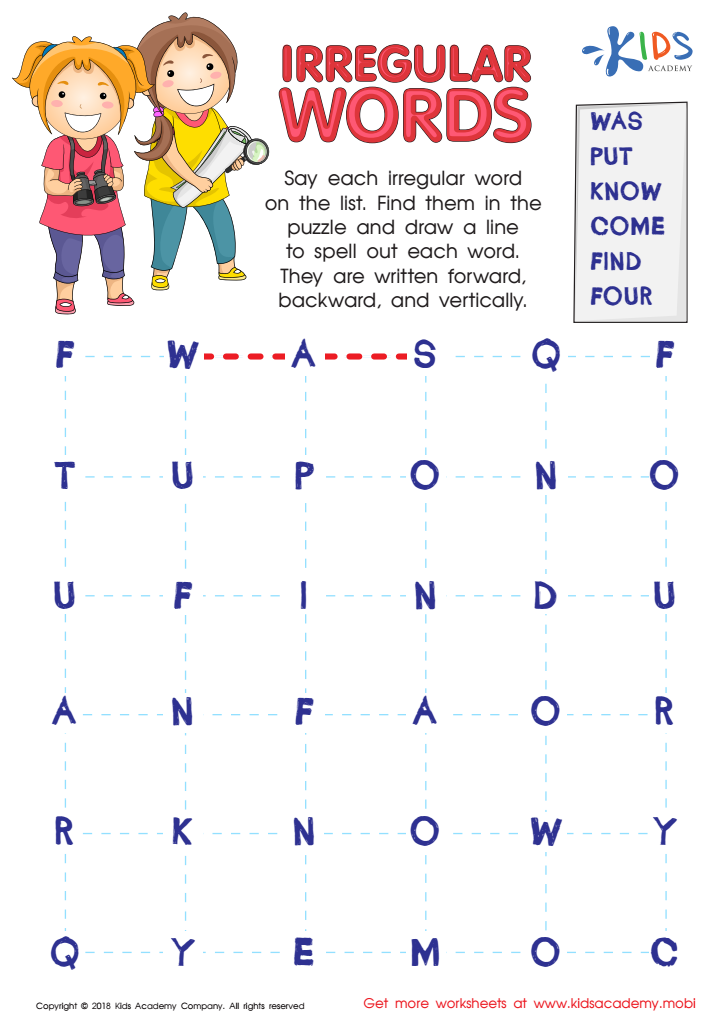
Irregular Words Worksheet
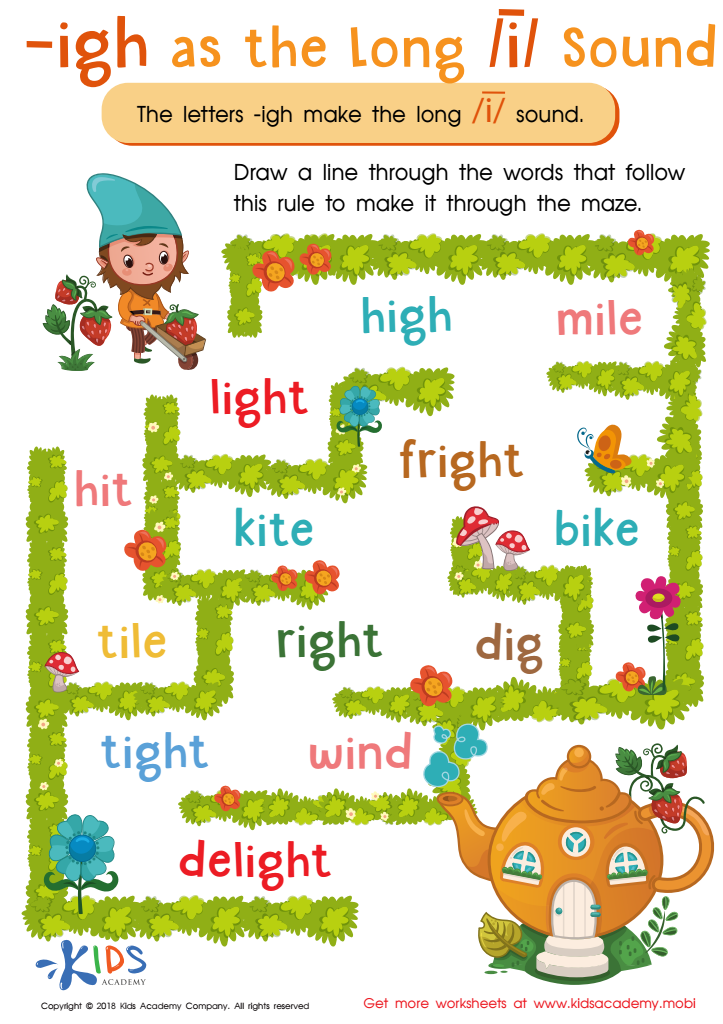
Reading: IGH as Long I Worksheet
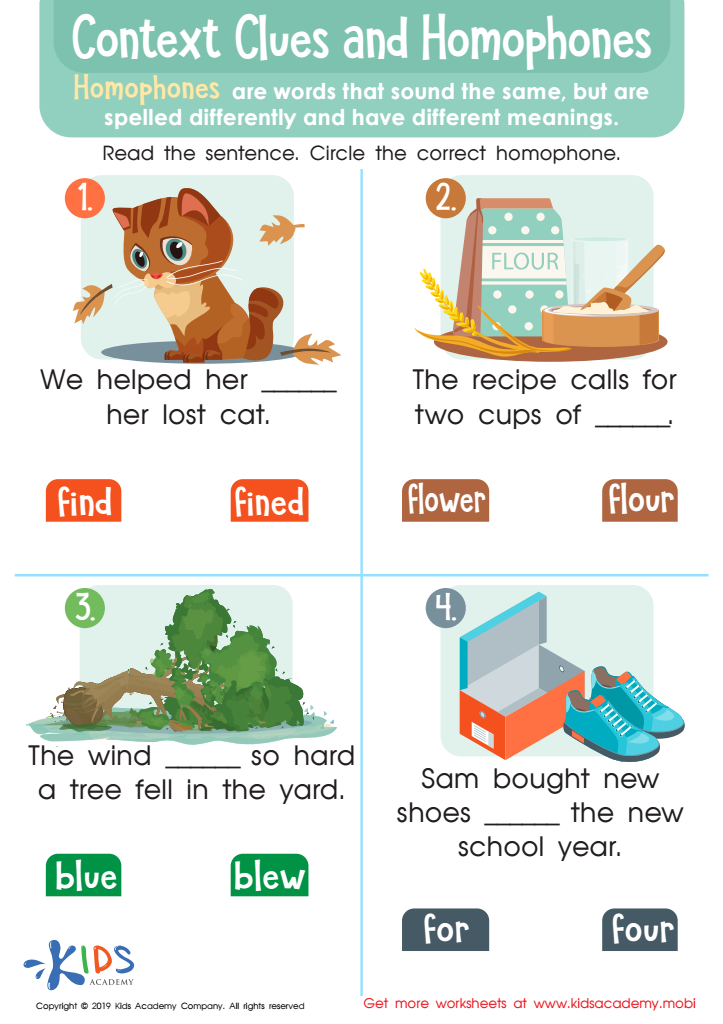
Context Clues and Homophones Worksheet
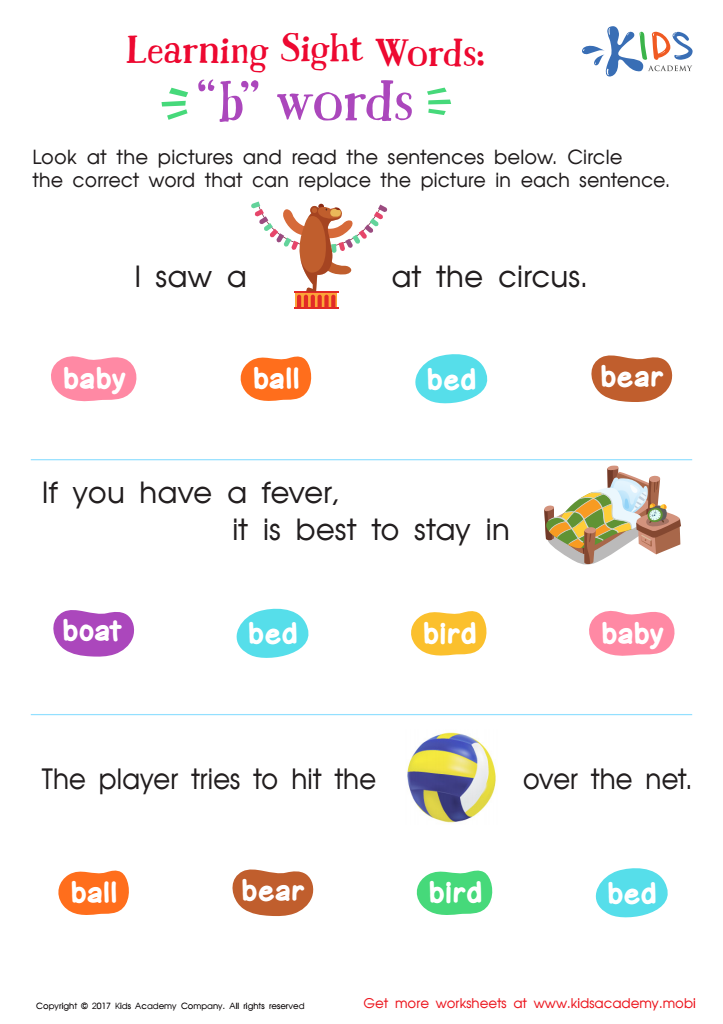
"B" Words Printable Sight Words Worksheet
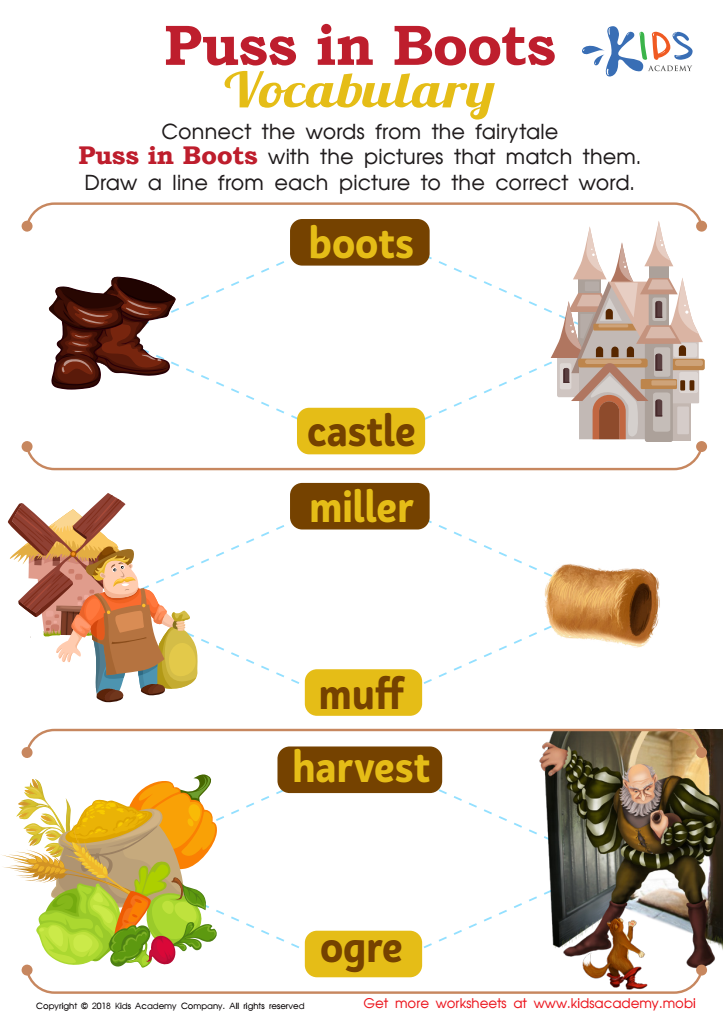
Puss in Boots Vocabulary Worksheet






.jpg)

Vocabulary expansion in early childhood, particularly for ages 3-9, is critical for several compelling reasons. First, a robust vocabulary lays the foundation for effective communication, enabling children to express their thoughts and emotions clearly. Children with stronger vocabulary skills are often better equipped to participate in conversations, which fosters social connections and emotional intelligence.
Moreover, vocabulary skills are closely linked to literacy development. Children who have a well-developed vocabulary are more likely to be successful readers and writers. They can decode words more easily, comprehend texts better, and express themselves in writing with greater complexity. This lays the groundwork for academic achievement in later years.
Furthermore, vocabulary development supports cognitive growth. Learning new words introduces children to diverse concepts and expands their understanding of the world, enhancing critical thinking and problem-solving skills.
Lastly, parental and teacher involvement in vocabulary building is vital as children often emulate adults and thrive on guidance. Engaging activities like reading together, using diverse vocabulary in conversations, and encouraging storytelling can make vocabulary expansion enjoyable. Overall, enhancing vocabulary in young children is pivotal for their communication skills, academic success, and cognitive development, benefitting them in countless ways throughout life.








