
Color recognition Normal Reading Worksheets for Ages 3-9
3 filtered results
Difficulty Level
Grade
Age
-
From - To
Subject
Activity
Standards
Discover a collection of engaging Color Recognition Normal Reading Worksheets designed for children ages 3-9 at Kids Academy. Our worksheets focus on helping young learners identify and differentiate colors through fun and interactive exercises. Each activity is tailored to enhance reading skills while promoting cognitive development. Your child will enjoy various colorful activities that not only make learning fun but also reinforce their understanding of colors in everyday life. With easy-to-follow instructions and vibrant illustrations, our worksheets cater to preschool and early elementary students, ensuring an enjoyable and educational experience. Start fostering your child's love for learning today!
Favorites
With answer key
Interactive
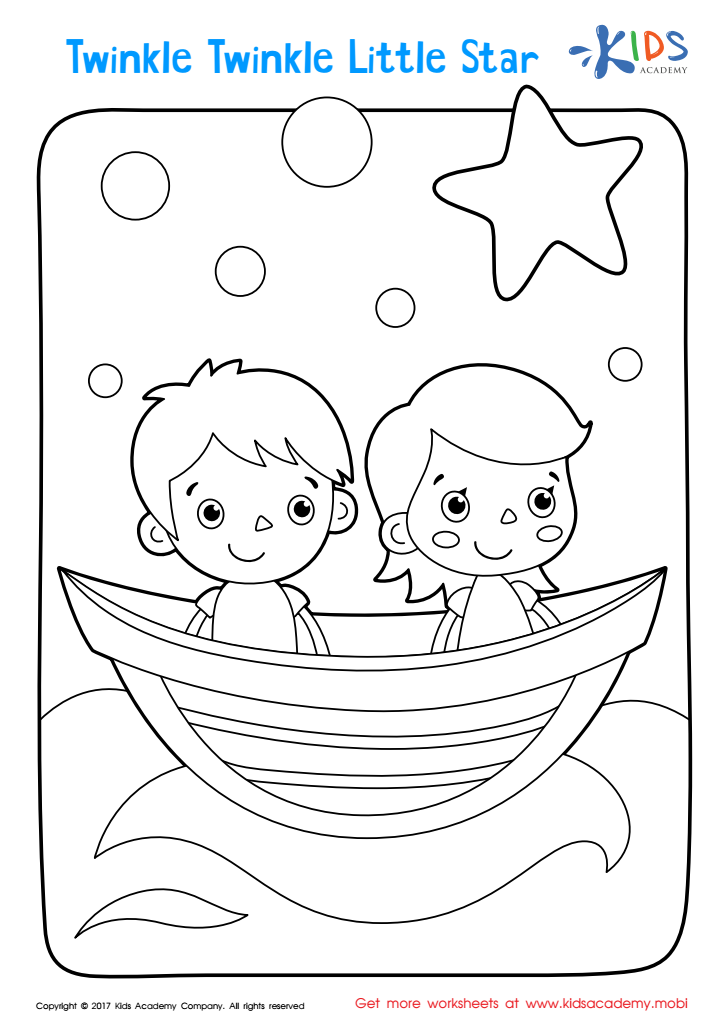
Twinkle Twinkle Little Star Coloring Page
Let your child wish upon a star as they color this scene of boy and girl stargazing. Sing Twinkle Twinkle Little Star while they choose colors to show the star twinkling in the night sky.
Download (PDF)
 Assign to My Students
Assign to My Students
Twinkle Twinkle Little Star Coloring Page
Worksheet
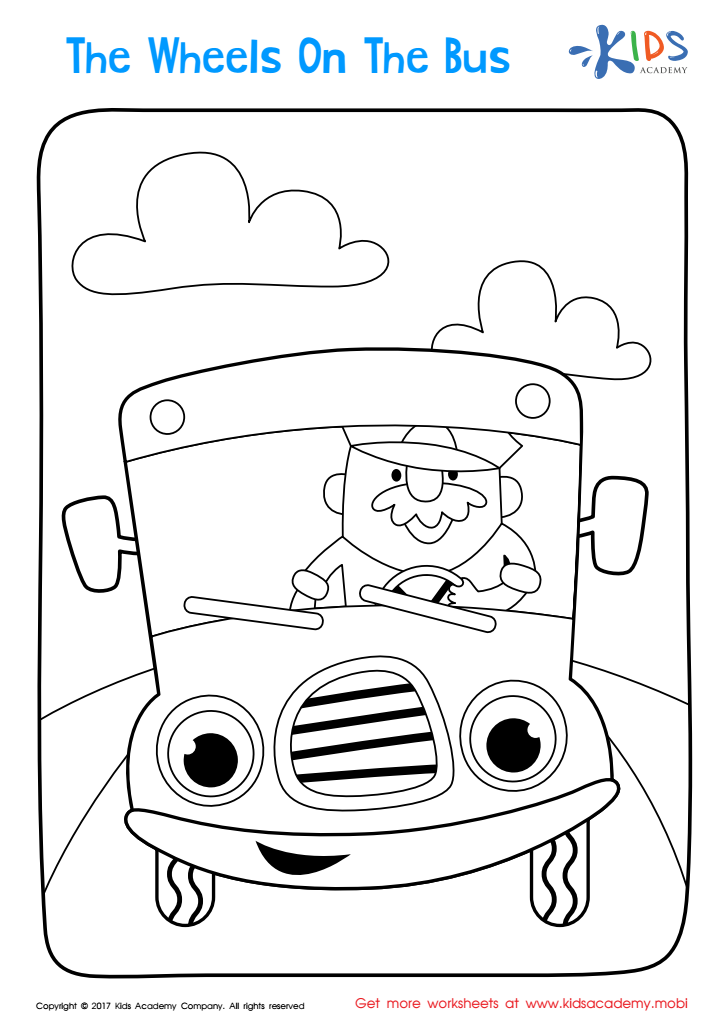
The Wheels on the Bus Coloring Page
Colour and sing with this printable Wheels on the Bus page! Let your child have fun singing the song with you as they colour. It'll make the activity even more entertaining and memorable.
Download (PDF)
Assign to My Students
Assign to My Students
The Wheels on the Bus Coloring Page
Worksheet
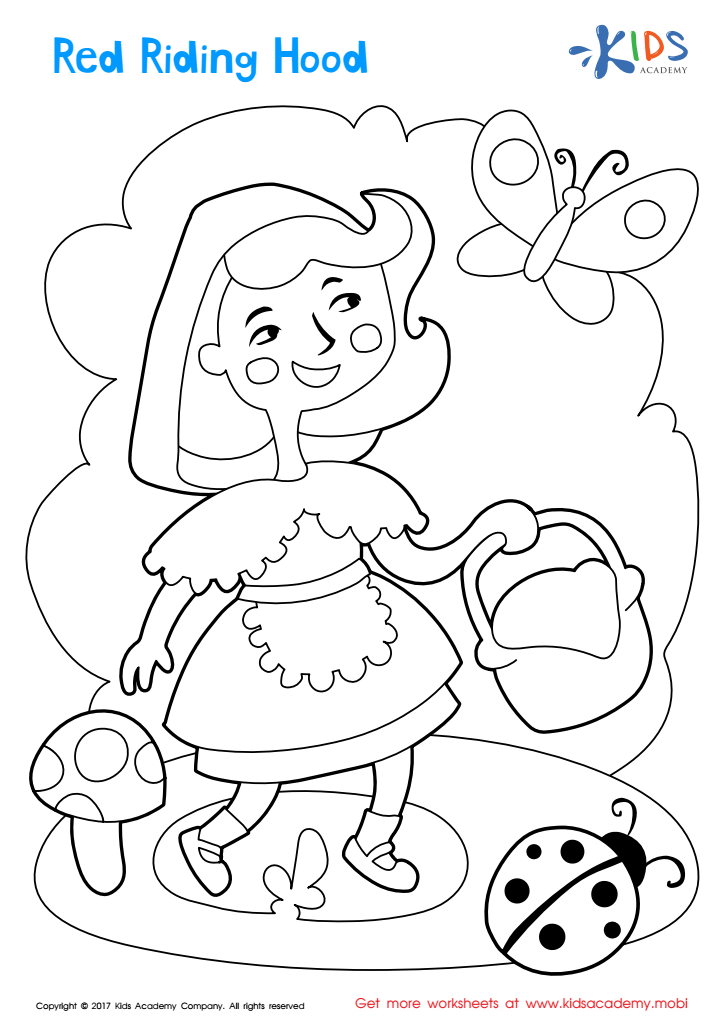
Red Riding Hood Coloring Page
Red Riding Hood awaits in the woods, with a butterfly, mushroom, and ladybug around her. Let your child bring the story to life with this magical printable coloring page. Fairytale fun for all!
Download (PDF)
Assign to My Students
Assign to My Students
Red Riding Hood Coloring Page
Worksheet
Join Kids Academy for Free
Who is primarily going to use this learning content?







Color recognition is a foundational skill for children aged 3-9, playing a vital role in their overall development and learning. For parents and teachers, fostering color recognition is important because it enhances cognitive skills essential for early literacy. Recognizing colors helps children make connections between words and their meanings, laying the groundwork for reading comprehension. Additionally, mastering color terminology acts as an initial step in vocabulary development.
Moreover, color recognition encourages creativity and self-expression through art and play, enabling children to explore their environment and communicate their observations effectively. Socially, understanding color can aid in cooperative play as children understand shared experiences through color-related games and activities.
For educators, incorporating color recognition into lessons not only keeps children engaged but also aligns with various learning standards. Recognizing colors fosters awareness of their surroundings, positively enriching their educational experiences.
In summary, parents and teachers should prioritize color recognition as it supports cognitive growth, promotes literacy and vocabulary acquisition, encourages creativity, and enhances social interactions. Investing in this skill during early childhood will contribute to a more comprehensive foundation for future learning.








