Fine Motor Skills Normal Reading Worksheets for Ages 3-9
15 filtered results
-
From - To
Discover our "Fine Motor Skills Normal Reading Worksheets for Ages 3-9," designed to enhance young learners' coordination while cultivating their early literacy skills. These engaging worksheets provide fun activities that target crucial fine motor skill development through tracing, cutting, and pasting tasks, helping children build the dexterity needed for writing and reading. Tailored for preschool and early elementary students, our printable resources encourage creativity and active participation, making learning enjoyable. Perfect for parents and educators, our worksheets make it easy to create an enriching learning environment. Explore our library and support your child's growth in essential skills today!
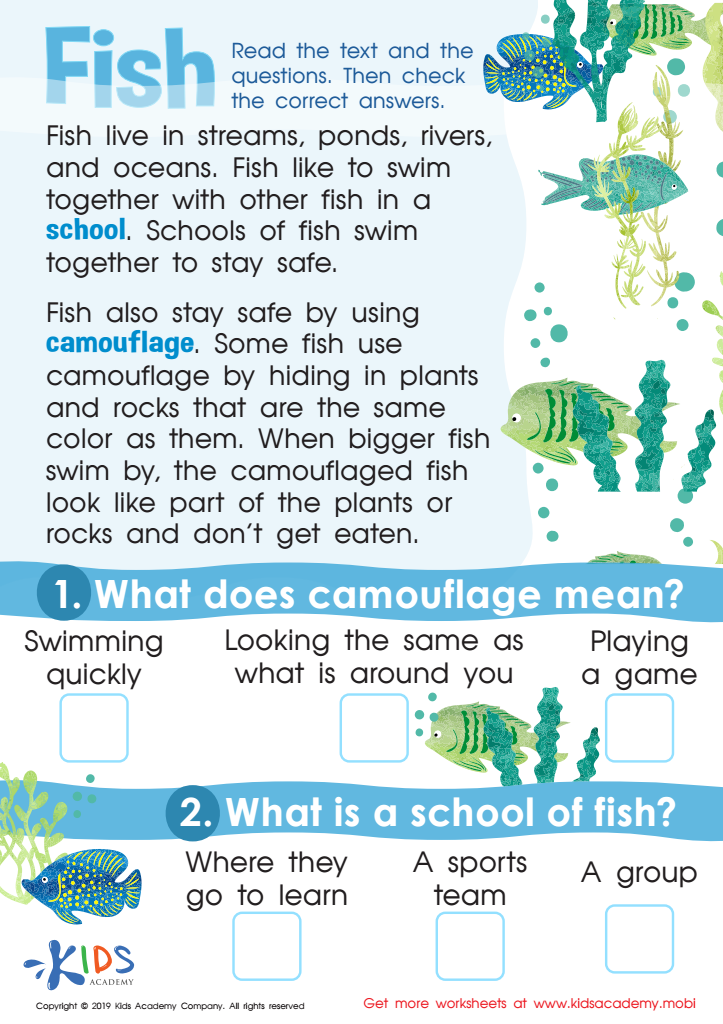
Fish Worksheet

Twinkle Twinkle Little Star Coloring Page
 Assign to My Students

The Dog and His Bone Worksheet
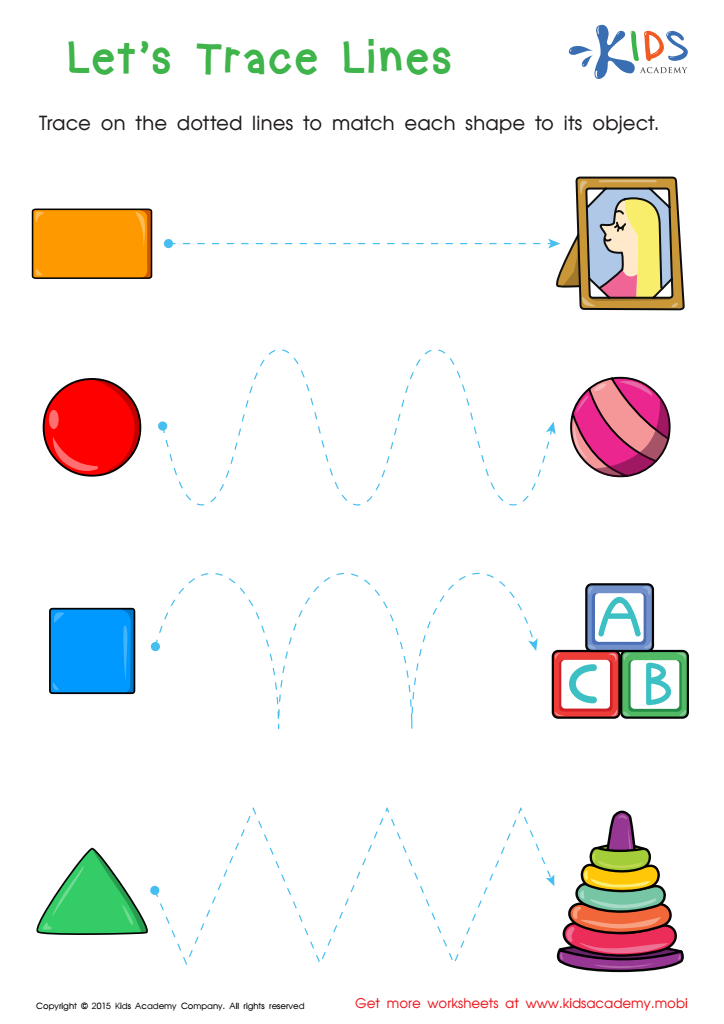
First Words: Let's Trace Lines Worksheet
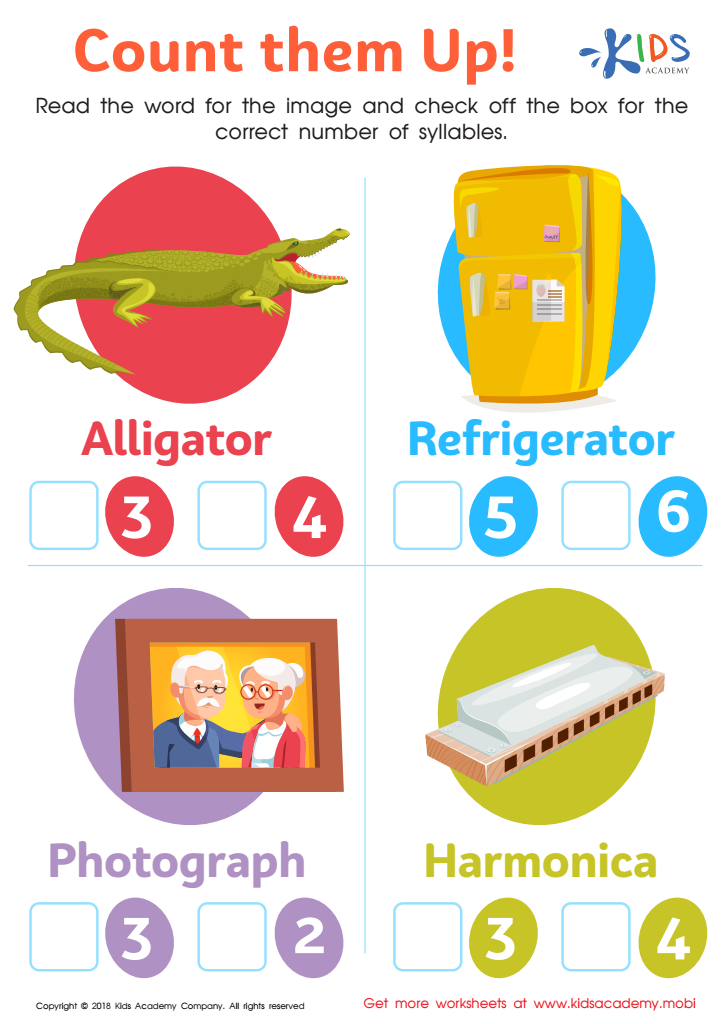
Count Them Up Worksheet

Long and Short U Worksheet
Assign to My Students
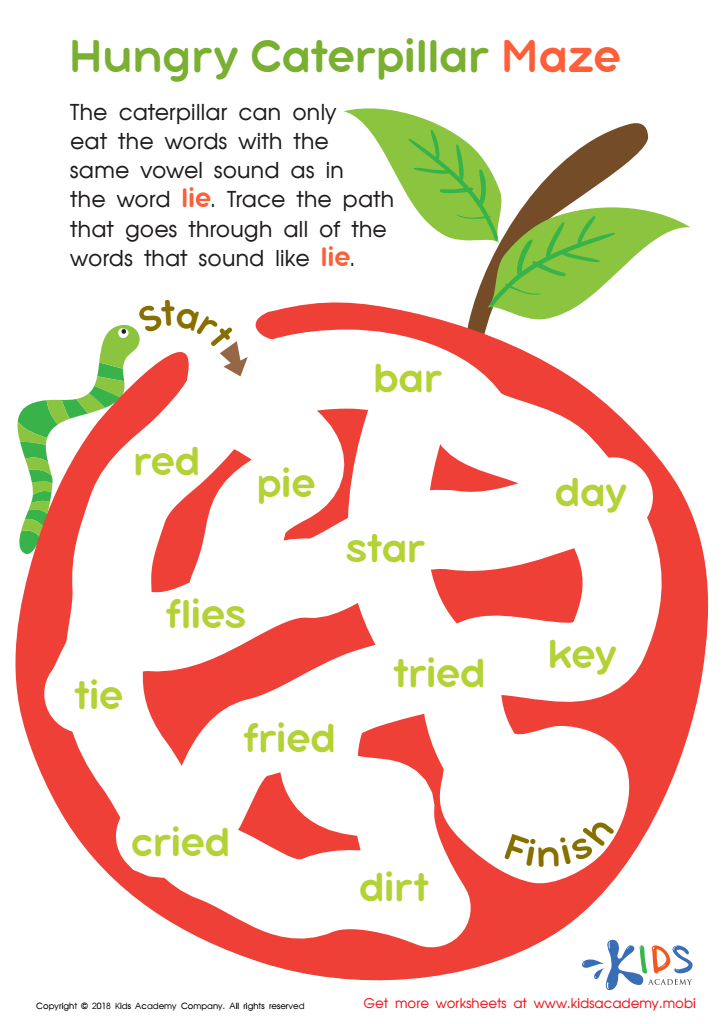
Hungry Caterpillar Maze Worksheet
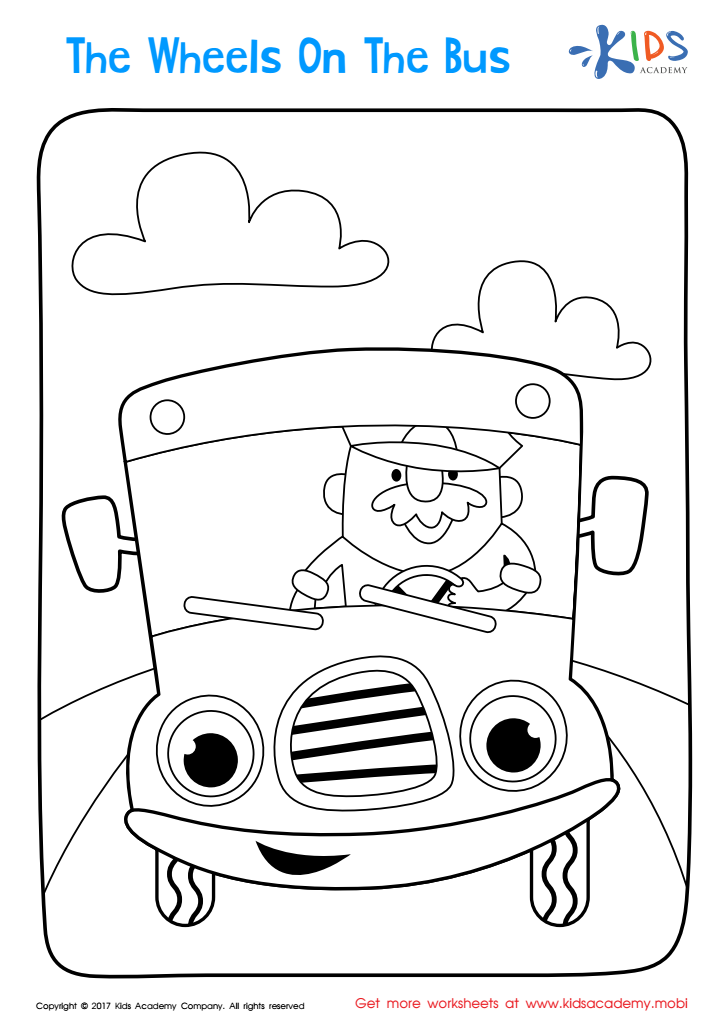
The Wheels on the Bus Coloring Page
Assign to My Students
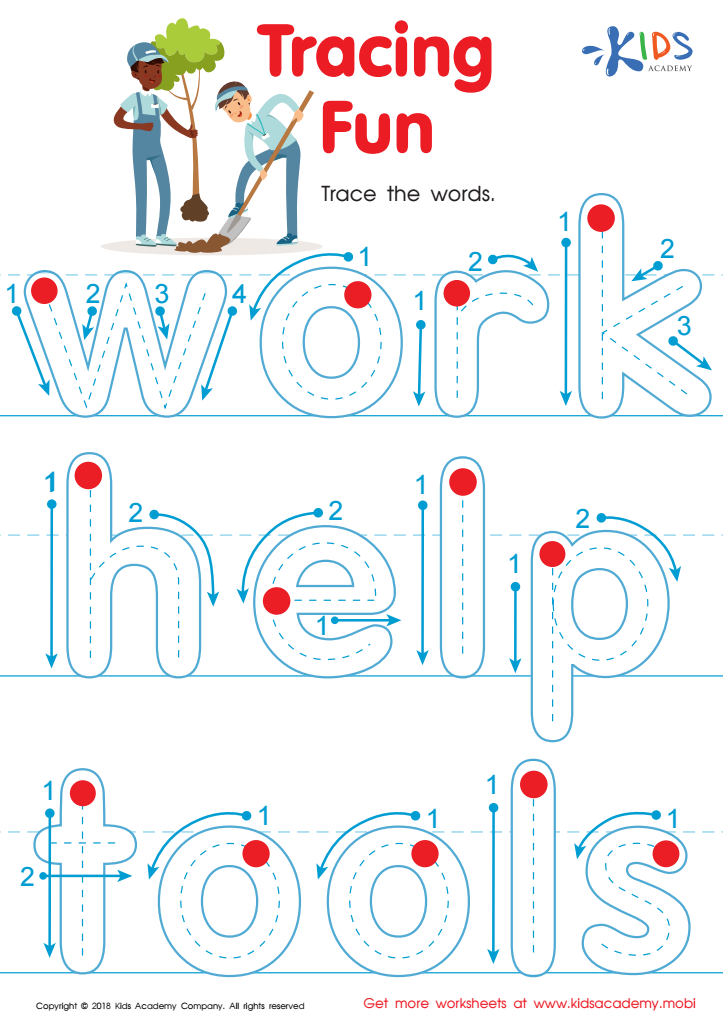
Tracing Fun Worksheet

Red Riding Hood Coloring Page
Assign to My Students
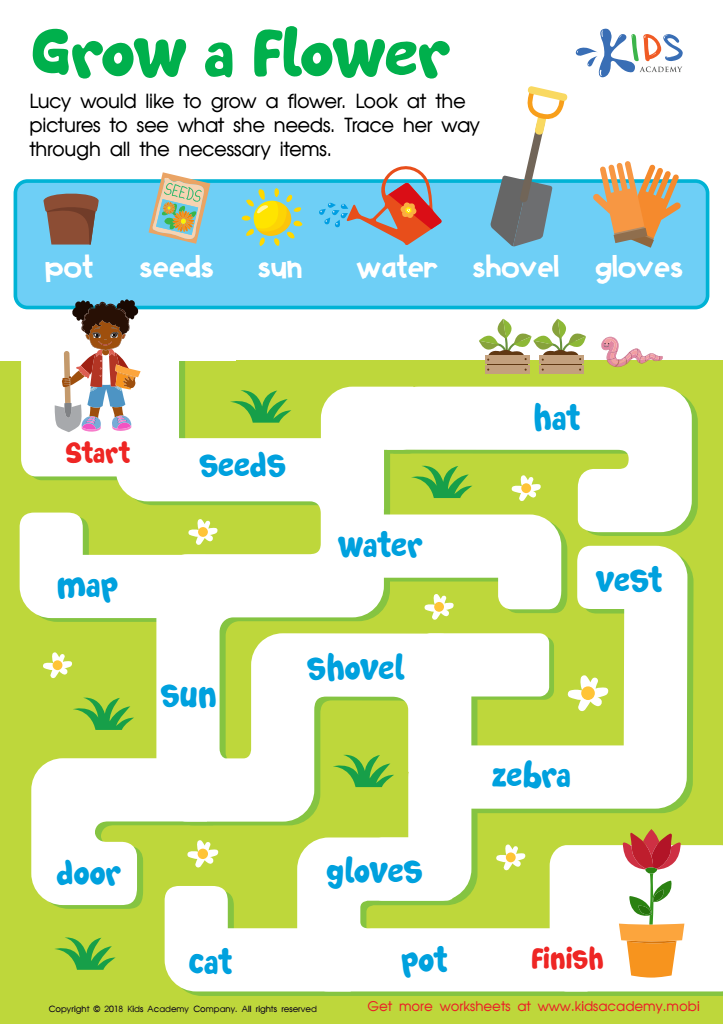
Grow a Flower Worksheet
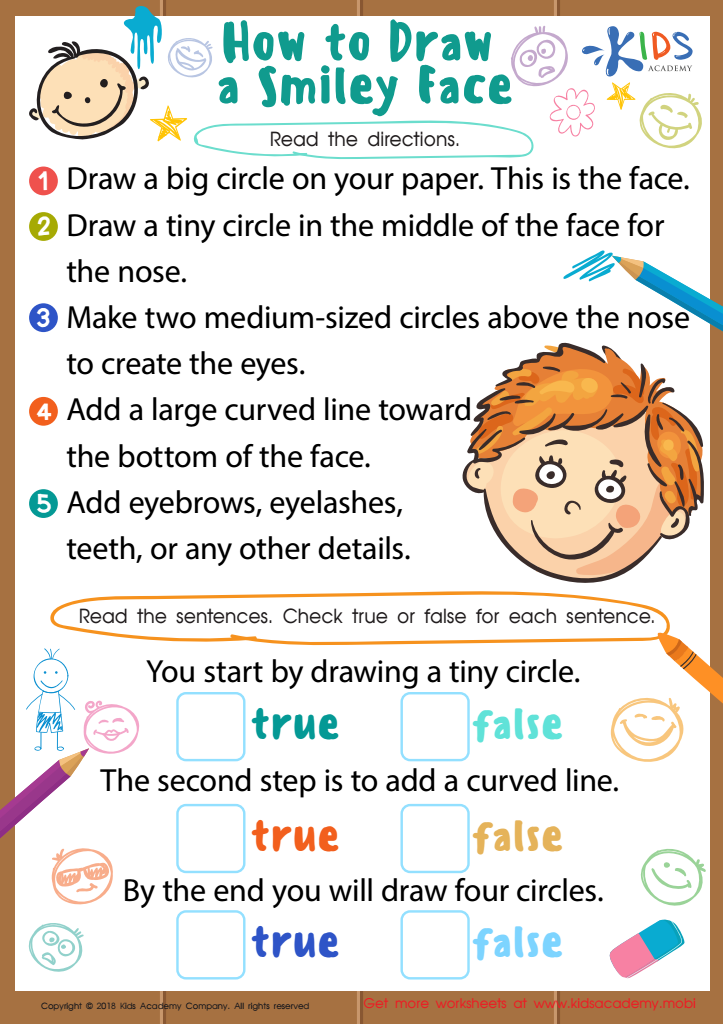
How to Draw a Smiley Face Worksheet
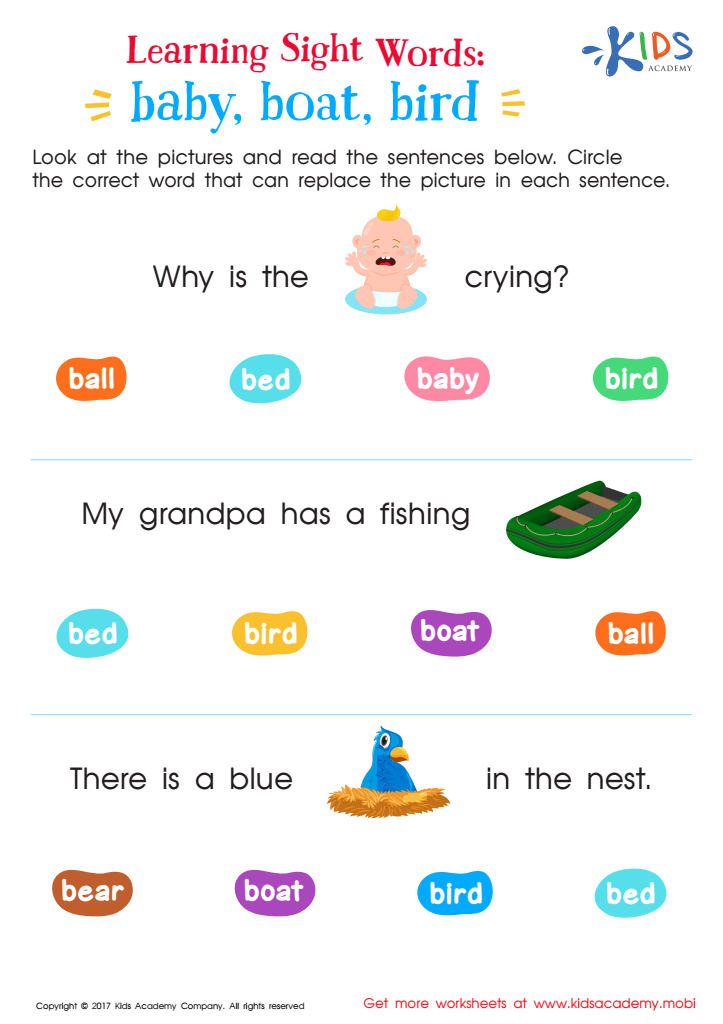
Baby, Boat, Bird Worksheet Sight Words Worksheet
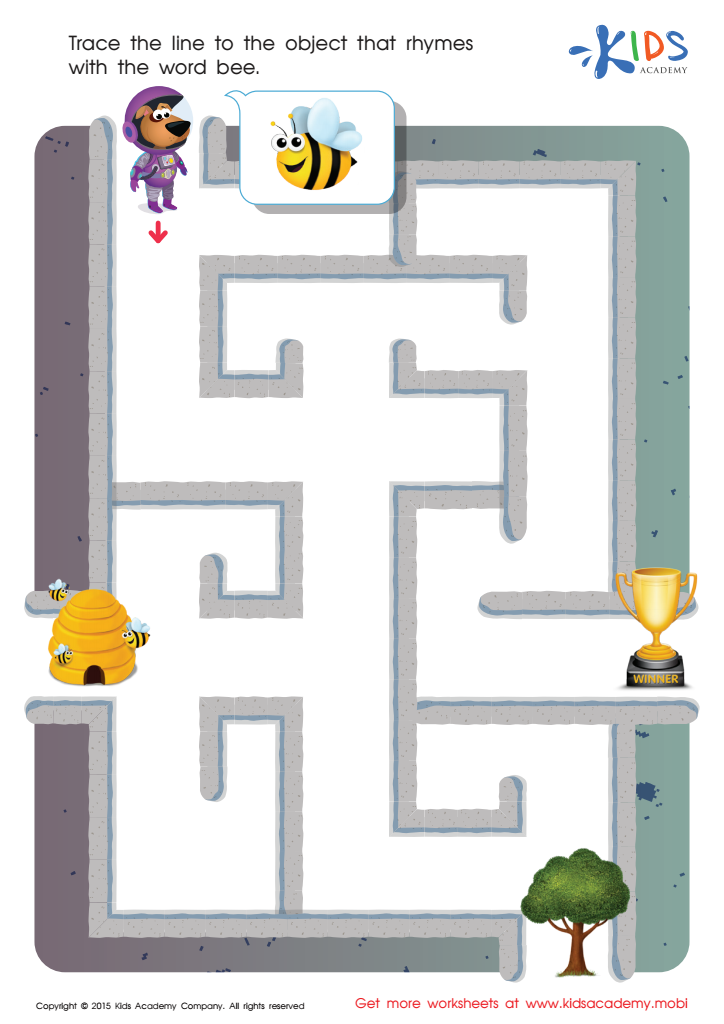
Bee Rhyming Words Worksheet
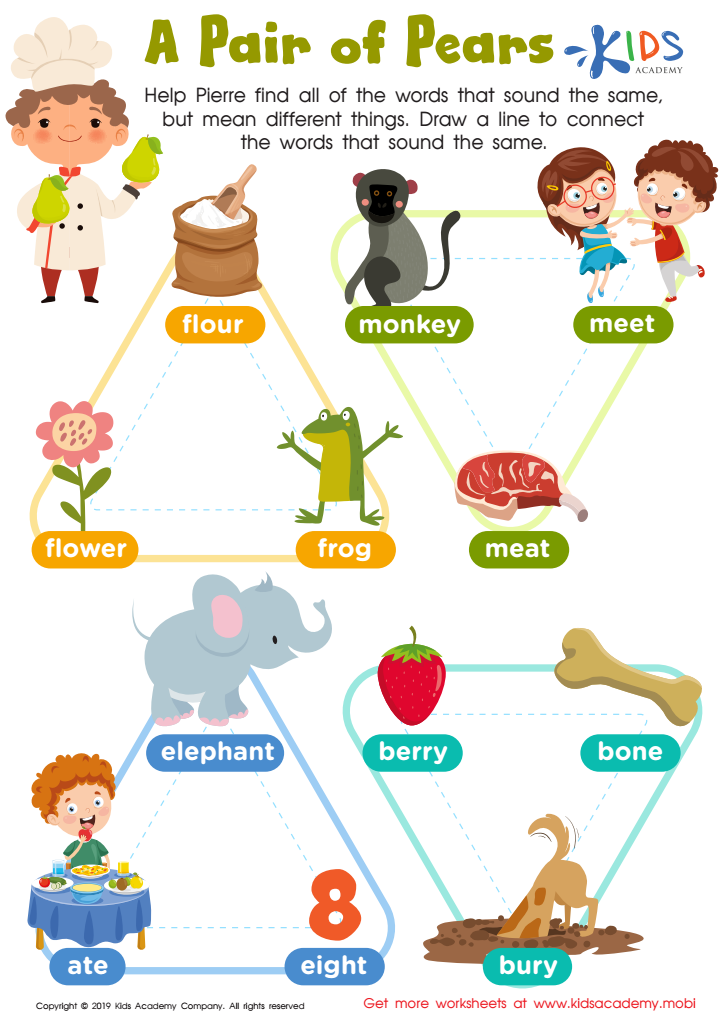
Pair Pears Worksheet


.jpg)





Fine motor skills are crucial for children aged 3-9 as they underpin many essential daily activities and learning milestones, including reading and writing. These skills involve the small muscles in the hands and fingers that enable precise movements, such as holding a pencil, turning pages, or manipulating small objects. As children develop these skills, they enhance their ability to engage with books, which fosters literacy and comprehension.
When parents and teachers actively encourage the development of fine motor skills, they facilitate a smoother transition into reading and writing, critical components of a child's education. Activities like coloring, drawing, puzzles, or crafting can strengthen children's hand-eye coordination and dexterity.
By promoting these skills, adults can help children build confidence and independence, leading to better academic and social outcomes. Furthermore, a strong foundation in fine motor skills can reduce frustration in classroom settings, allowing children to focus on comprehension rather than grappling with physical tasks.
Ultimately, nurturing fine motor development aligns with the goal of fostering lifelong learners. Engaging in activities that promote these skills can significantly enrich a child's educational journey, enabling them to become effective communicators and confident individuals.
In summary, investing in fine motor skills today sets the stage for literacy success tomorrow.








