Language skills development Normal Reading Worksheets for Ages 3-9
3 filtered results
-
From - To
Discover exceptional Language Skills Development Normal Reading Worksheets tailored for children aged 3-9. Nurture your child’s linguistic abilities with our expertly designed activities that enhance vocabulary, reading comprehension, and phonemic awareness. Perfect for preschool to early elementary levels, these curated worksheets offer engaging tasks that make learning a delightful experience. Foster your child’s love for reading as they embark on fun, educational adventures through stories, puzzles, and games. Visit Kids Academy for high-quality materials that support key language development stages and help young learners build a strong foundation in reading skills.
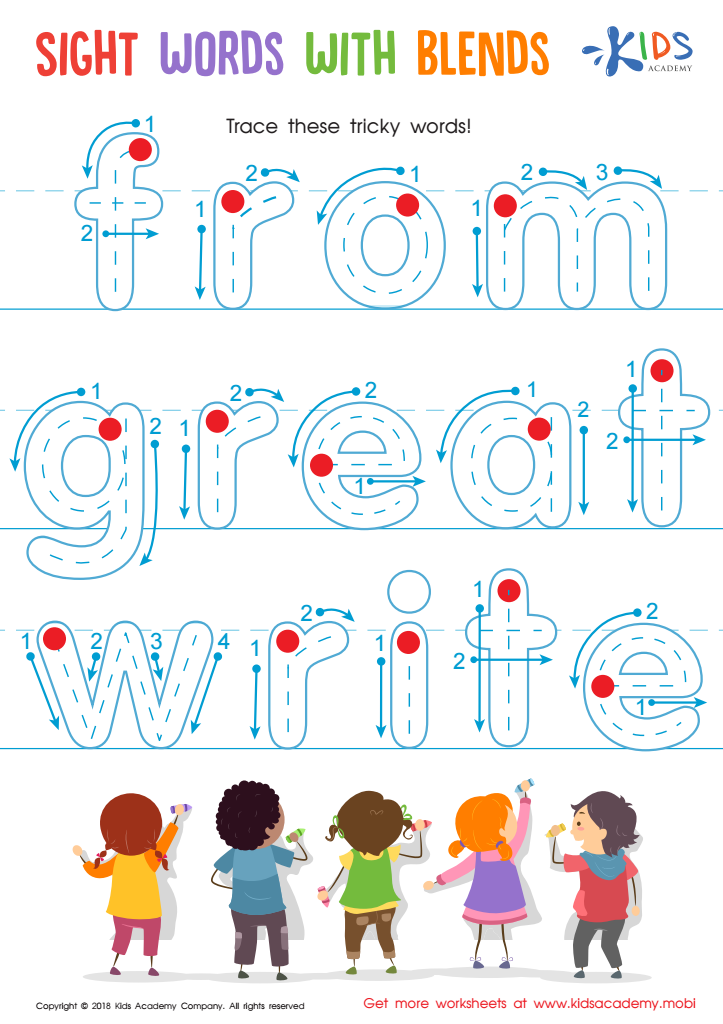
Sight Words with Blends Worksheet
 Assign to My Students
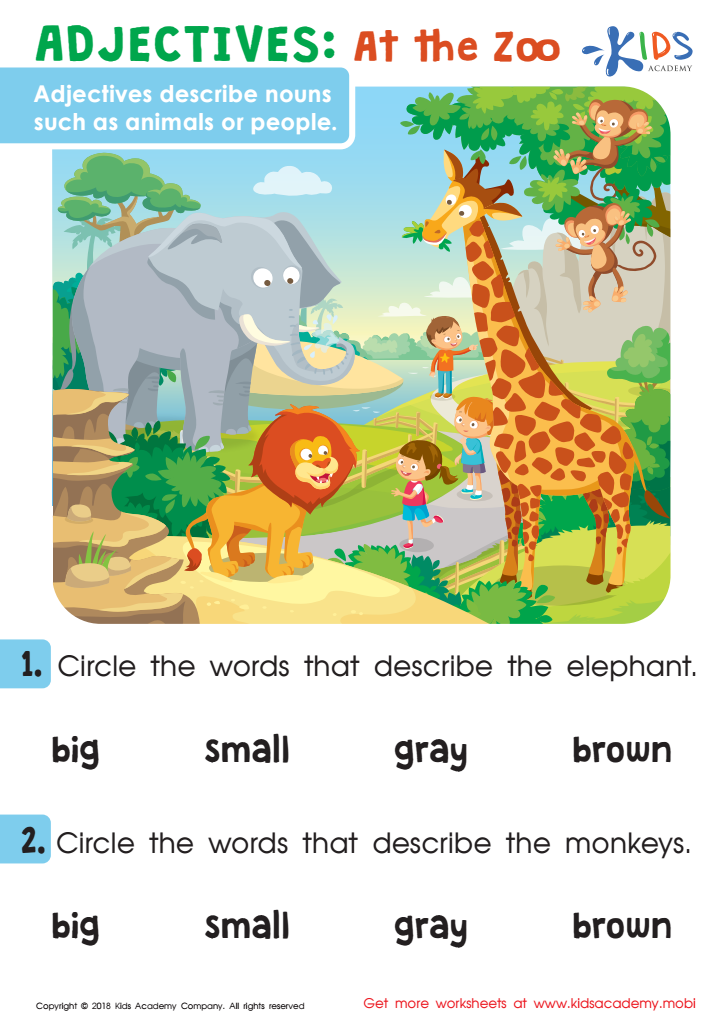
Adjectives: At The Zoo Worksheet
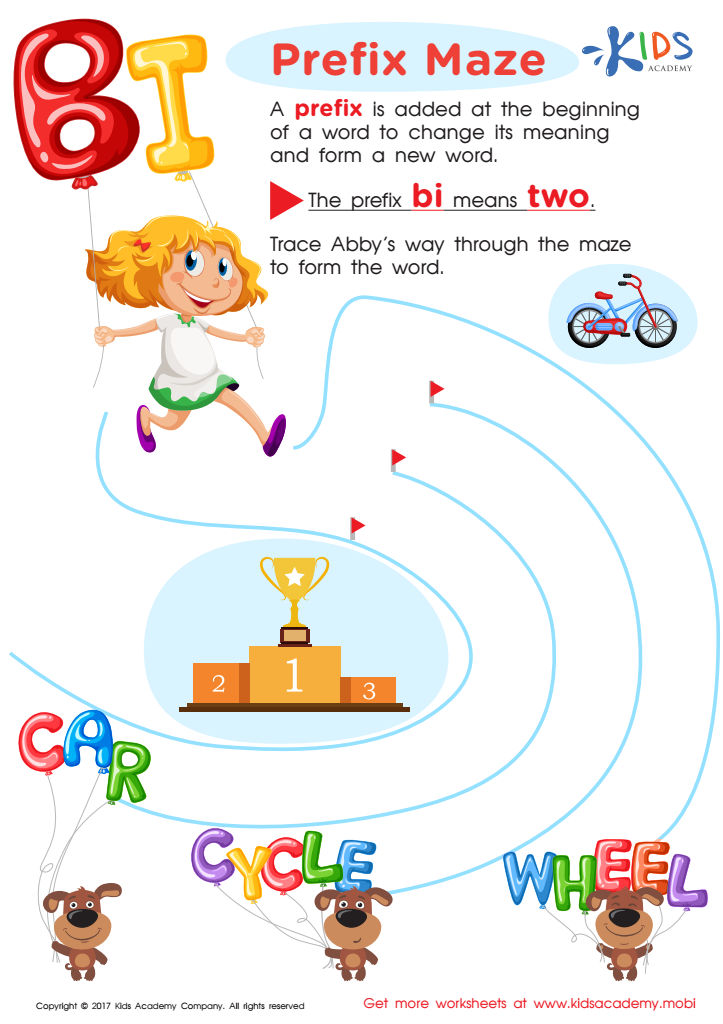
Prefix Bi Words Worksheet








Language skill development in children aged 3-9 is crucial for several reasons, making it a key focus for both parents and teachers. First, early mastery of language forms the foundation for future literacy. Children with strong language skills are better equipped to understand, process, and use words, which is essential for reading and writing. Second, language ability is closely tied to cognitive development. It aids in problem-solving and critical thinking skills as children learn to express thoughts and understand complex concepts. Third, proficient language skills promote social-emotional growth. Being able to communicate effectively enables children to interact with peers and adults, fostering healthy relationships and boosting self-confidence.
Reading, in particular, plays a significant role in language development. Early and consistent exposure to reading enhances vocabulary, comprehension, and pronunciation. It also instills a love for books and learning, setting the stage for academic success. Furthermore, children’s literature often introduces new ideas and cultural perspectives, broadening their understanding of the world.
In summary, investing time and resources in developing language and reading skills from ages 3-9 sets children on a path toward educational success, cognitive development, and social competence. Parents and teachers should, therefore, prioritize activities that enhance these skills, such as reading together, engaging in conversations, and playing language-rich games.








