Word identification Normal Reading Worksheets for Ages 3-9
5 filtered results
-
From - To
Discover our engaging Word Identification Normal Reading Worksheets designed for children aged 3 to 9! These interactive resources help young learners enhance their vocabulary skills and boost reading confidence through fun activities. Crafted with colorful visuals and age-appropriate content, our worksheets cater to various skill levels, making learning enjoyable and effective. From matching pictures to words to simple fill-in-the-blank exercises, these worksheets promote phonemic awareness and word recognition. Ideal for homeschooling or classroom settings, they provide a valuable foundation for early literacy development. Start your child's reading journey today with our exciting collection of word identification worksheets!
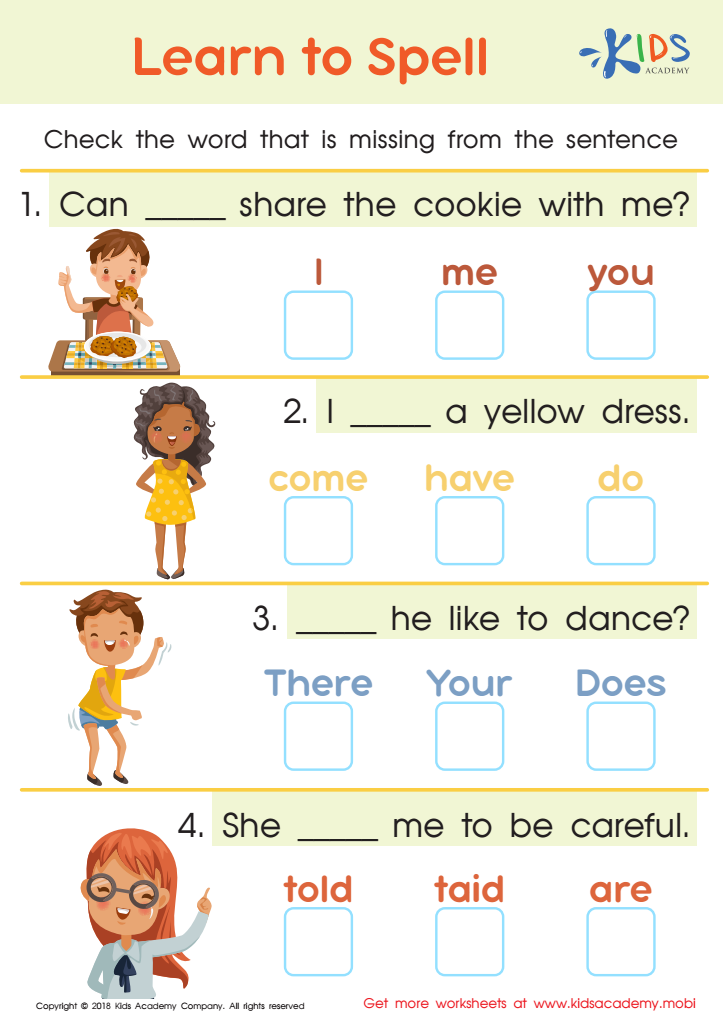
Learn to Spell Worksheet
 Assign to My Students
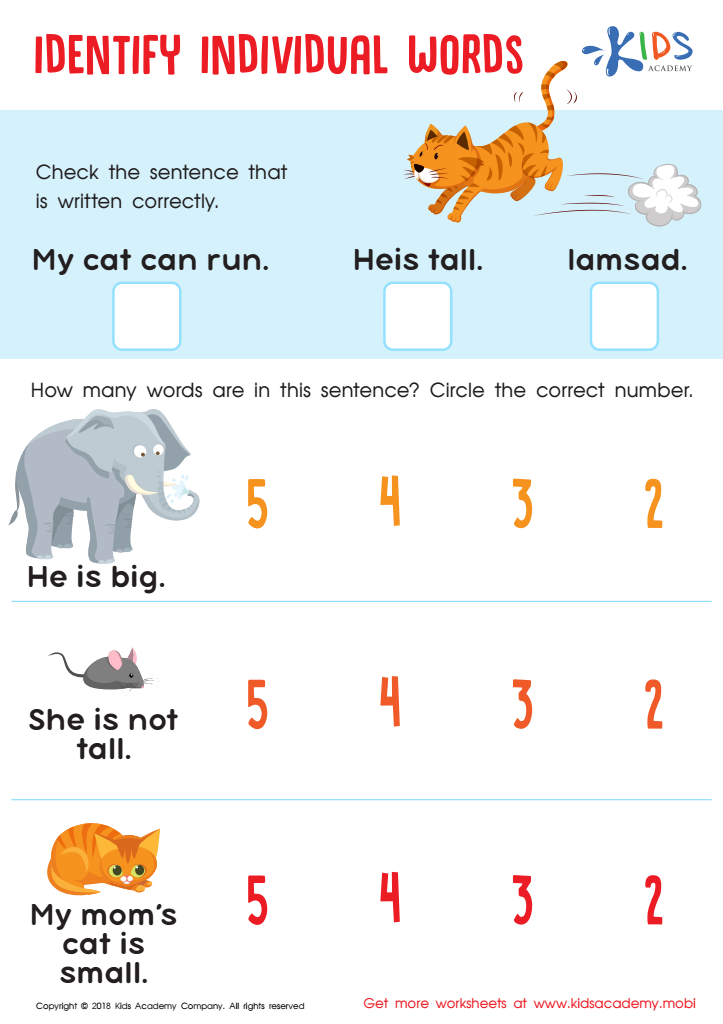
Identify Individual Words Worksheet
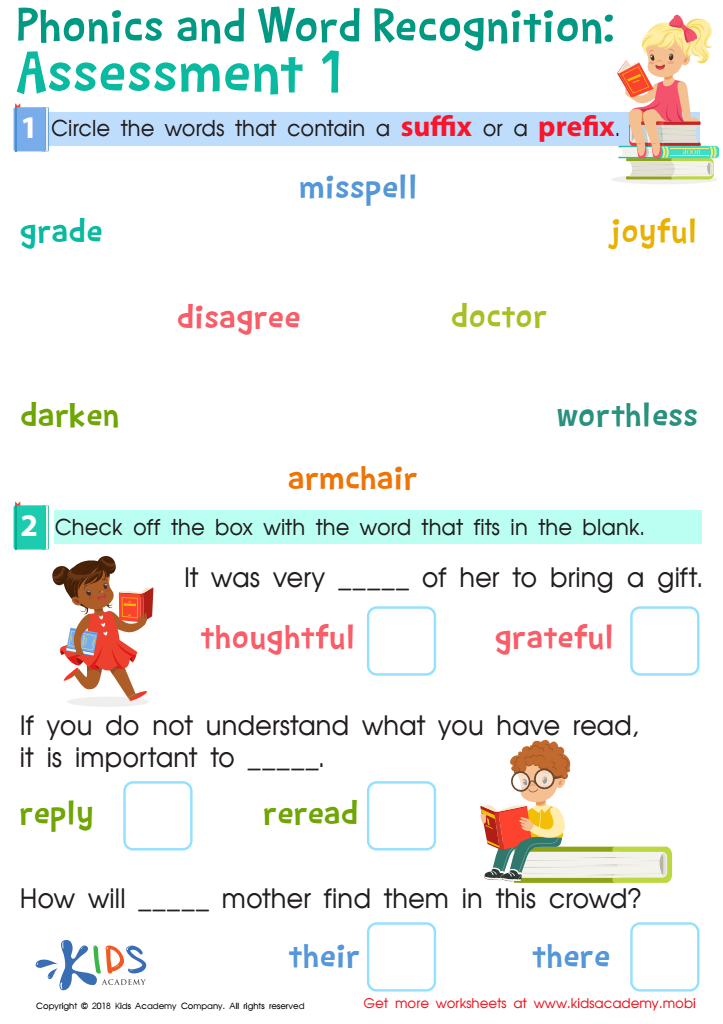
Phonics and Word Recognition: Assessment 1 Worksheet
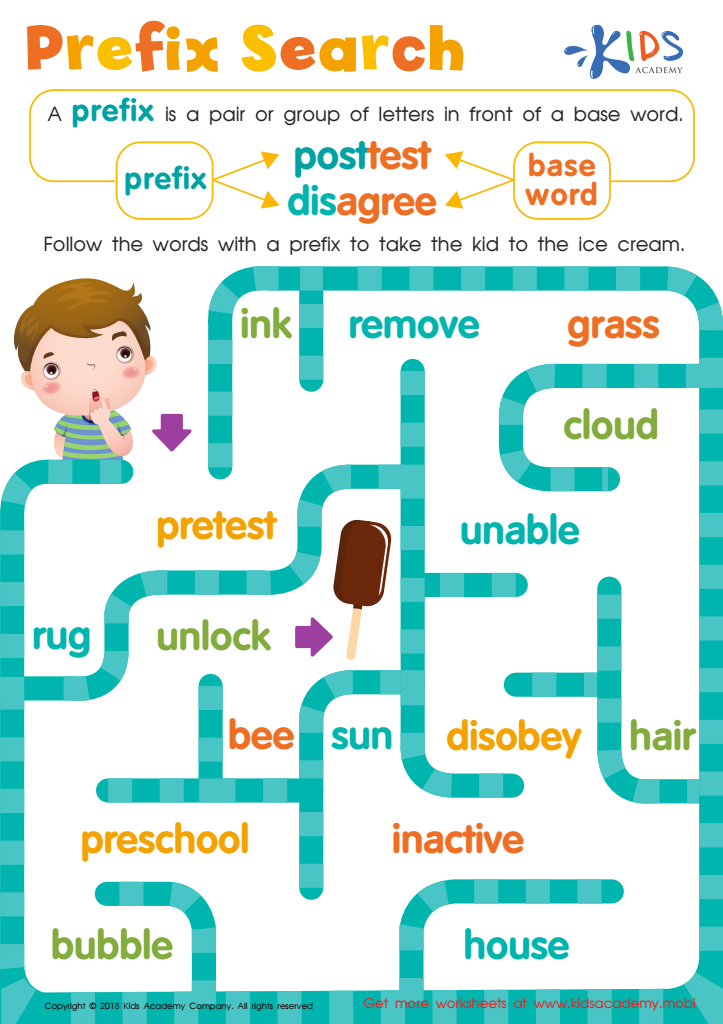
Reading: Prefix Search Worksheet
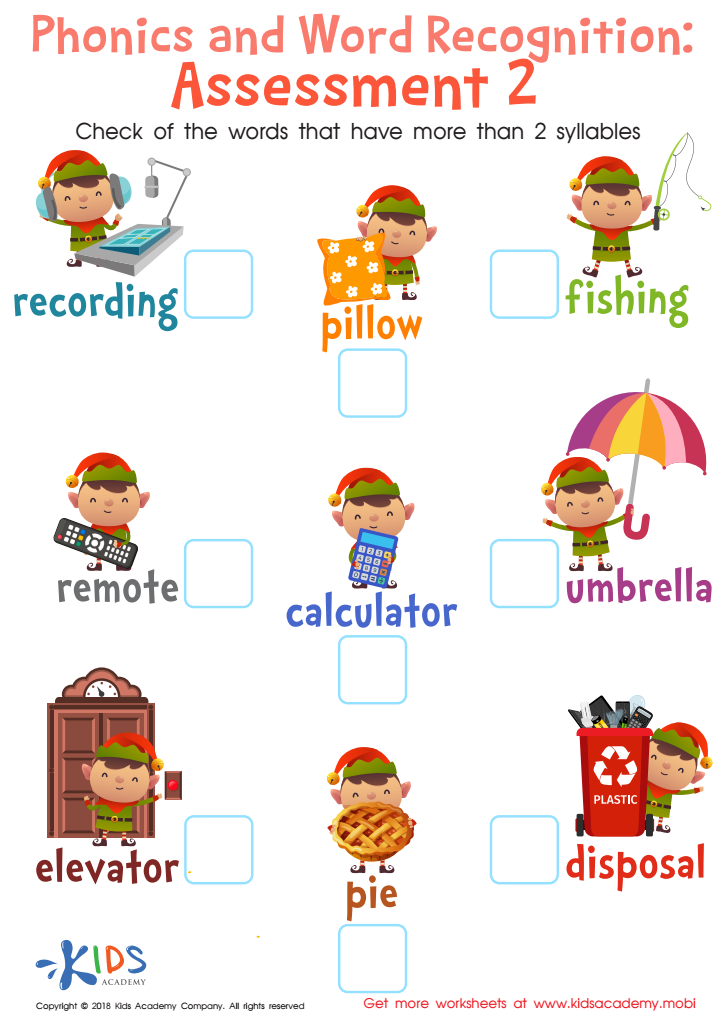
Phonics and Word Recognition: Assessment 2 Worksheet




.jpg)



Word identification is a crucial skill for children ages 3-9, and it plays a fundamental role in literacy development. For parents and teachers, it is essential to understand that proficient word identification lays the groundwork for reading fluency and comprehension. Children at this age are in a critical developmental stage where they transition from learning individual sounds to recognizing whole words, which is vital for them to make sense of text.
Additionally, strong word identification skills contribute to a child's confidence and motivation to read independently. This engagement fosters a love for reading, enriching their vocabulary and comprehension skills. Teachers and parents who invest time in helping children develop these skills can significantly enhance their overall educational experience.
Moreover, early identification of word recognition difficulties can lead to timely interventions, preventing ongoing challenges in literacy. By caring about word identification, adults can support children in building a solid foundation for future learning and communication skills. In an increasingly literate society, this investment not only benefits individual children but also prepares them to thrive academically, socially, and emotionally in a world where reading is essential for success.








