Identifying story elements Normal Reading Fiction Worksheets for Ages 3-9
3 filtered results
-
From - To
Discover engaging "Identifying Story Elements Normal Reading Fiction Worksheets" designed specifically for children ages 3-9. These educational resources help nurture young readers by enhancing their comprehension skills through fun and interactive activities. Each worksheet encourages children to recognize key story elements, such as characters, setting, conflict, and resolution, making learning a delightful experience. With colorful illustrations and age-appropriate content, these worksheets facilitate a strong foundation in reading comprehension and critical thinking. Perfect for home or classroom use, they aim to foster a love for storytelling while bolstering essential literacy skills. Explore our collection today and watch your child's reading skills flourish!
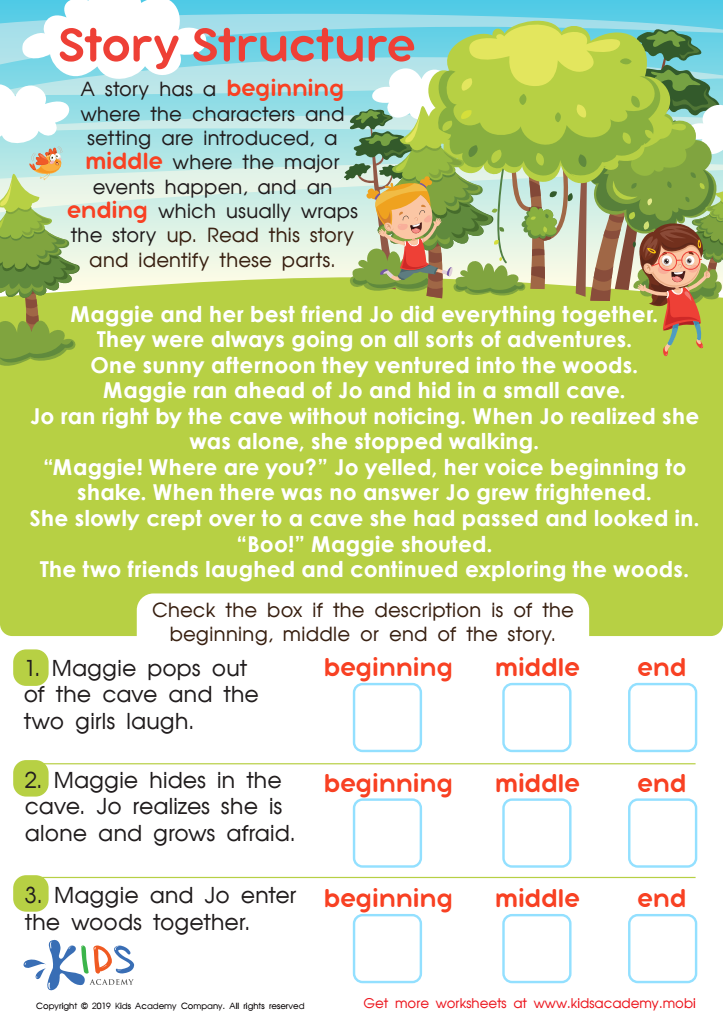
Story Structure Worksheet
 Assign to My Students
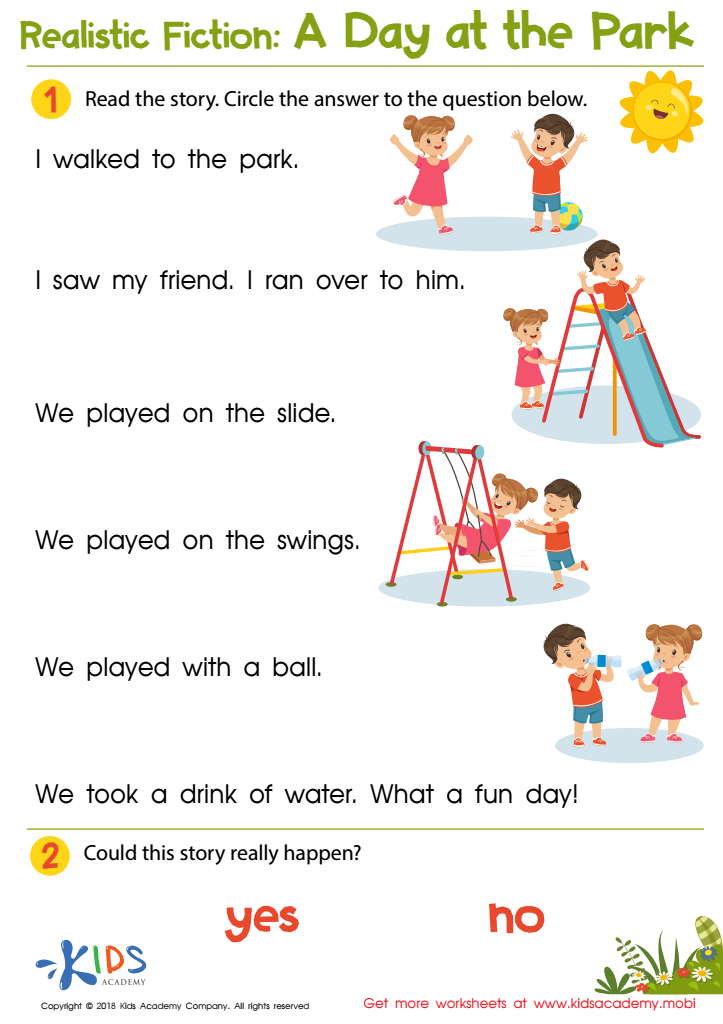
A Day at the Park Worksheet
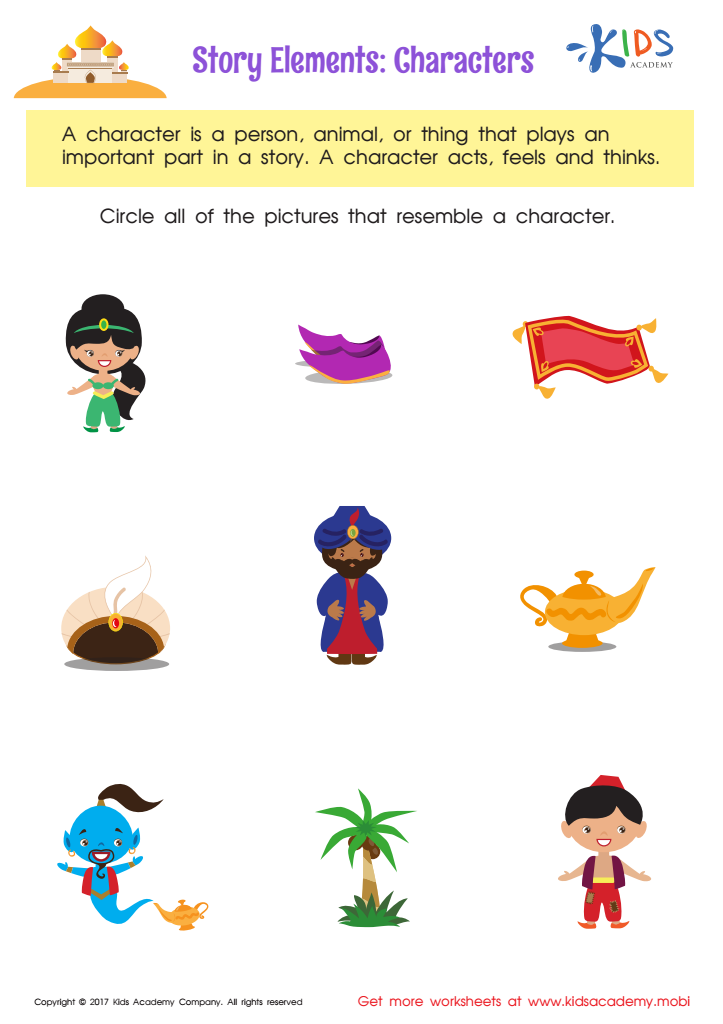
Story Elements Printable







.jpg)
Identifying story elements in reading fiction is crucial for young learners aged 3-9, as it lays the foundation for comprehension and literary appreciation. Parents and teachers should prioritize this skill because it engages children’s critical thinking, helping them understand narrative structure and develop analytical skills. Recognizing elements such as characters, setting, plot, conflict, and resolution allows children to make connections between the story and their own experiences, fostering empathy and creativity.
Moreover, understanding story elements enhances vocabulary acquisition and promotes language development, as children discuss characters' motivations or the story's main events. By identifying these components, children can better predict outcomes, retell stories with greater detail, and create their narratives, boosting their confidence in literacy.
Additionally, these skills support emotional and social learning through the exploration of themes and moral lessons found in stories. Engaging with literature also cultivates a lifelong love for reading, which is vital for academic success across all subjects. By encouraging young readers to identify and understand story elements, parents and teachers contribute significantly to their cognitive and emotional development, ensuring they become not just proficient readers, but also thoughtful learners and communicators.







