Reading comprehension Normal Reading Non-Fiction Worksheets for Ages 3-9 - Page 2
33 filtered results
-
From - To
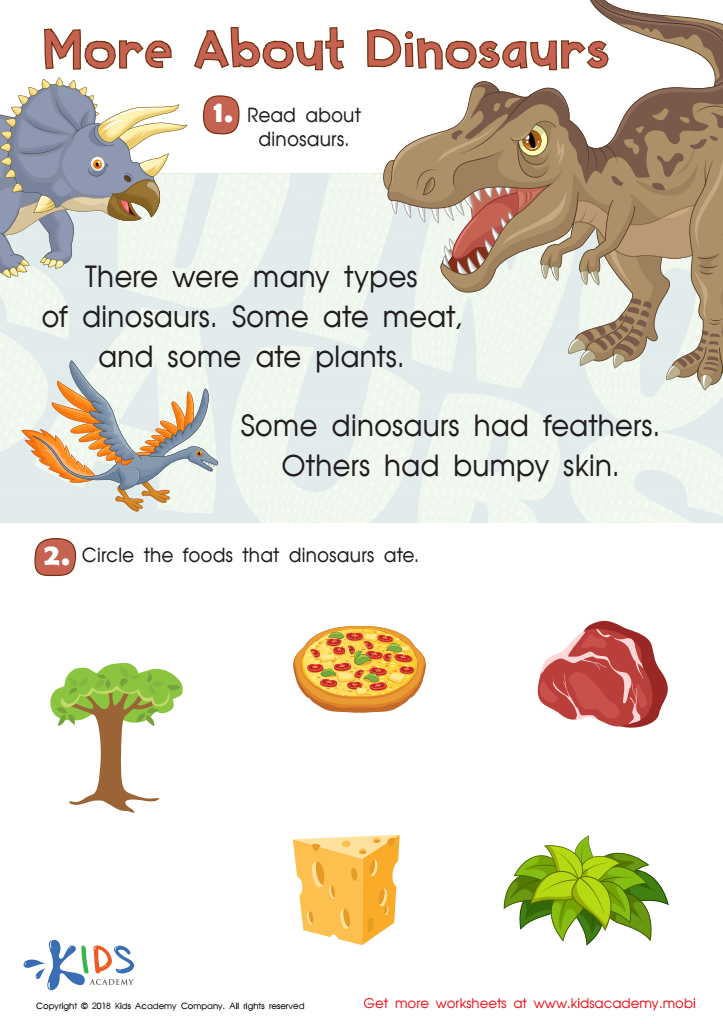
More About Dinosaurs Worksheet
 Assign to My Students
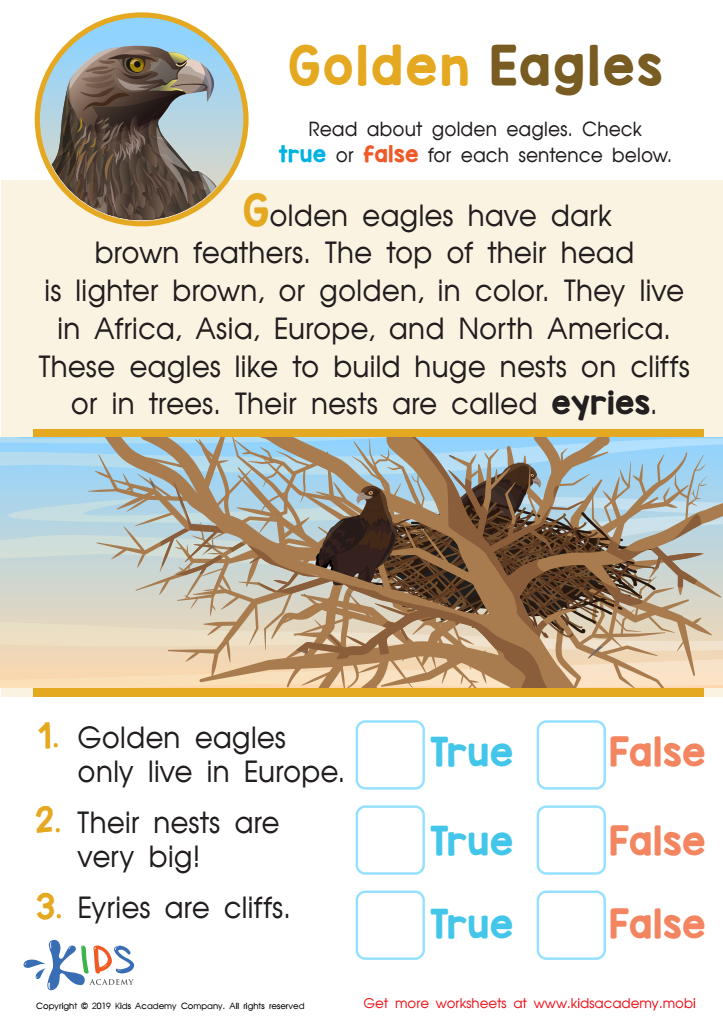
Golden Eagles Worksheet
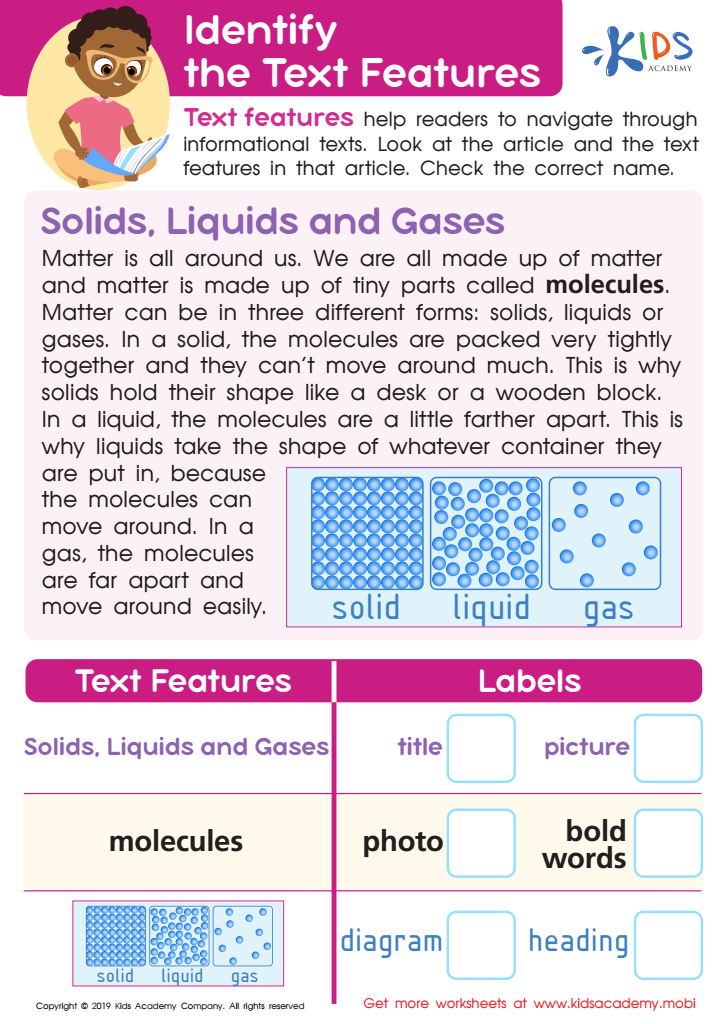
Identify the Text Features Worksheet
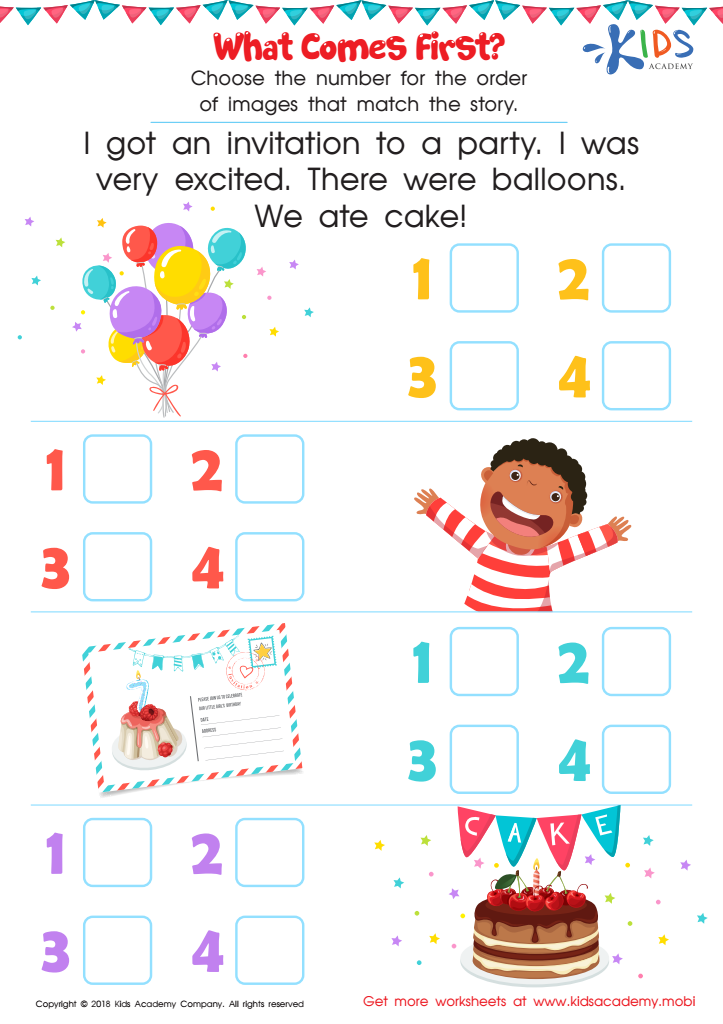
What Comes First Worksheet
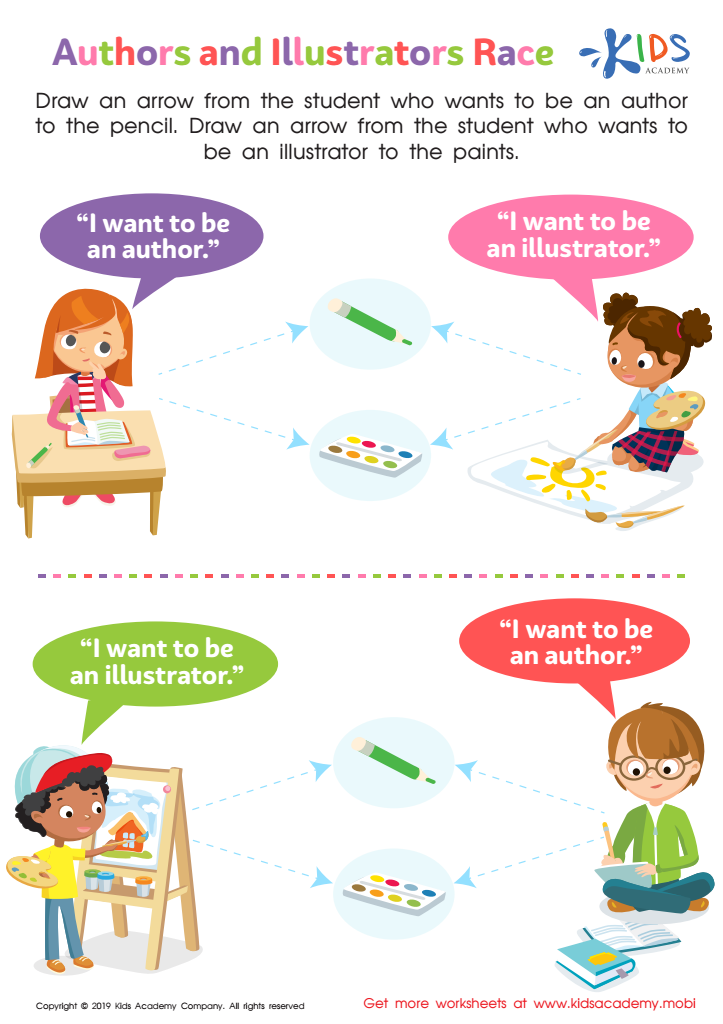
Authors and Illustrators Race Worksheet
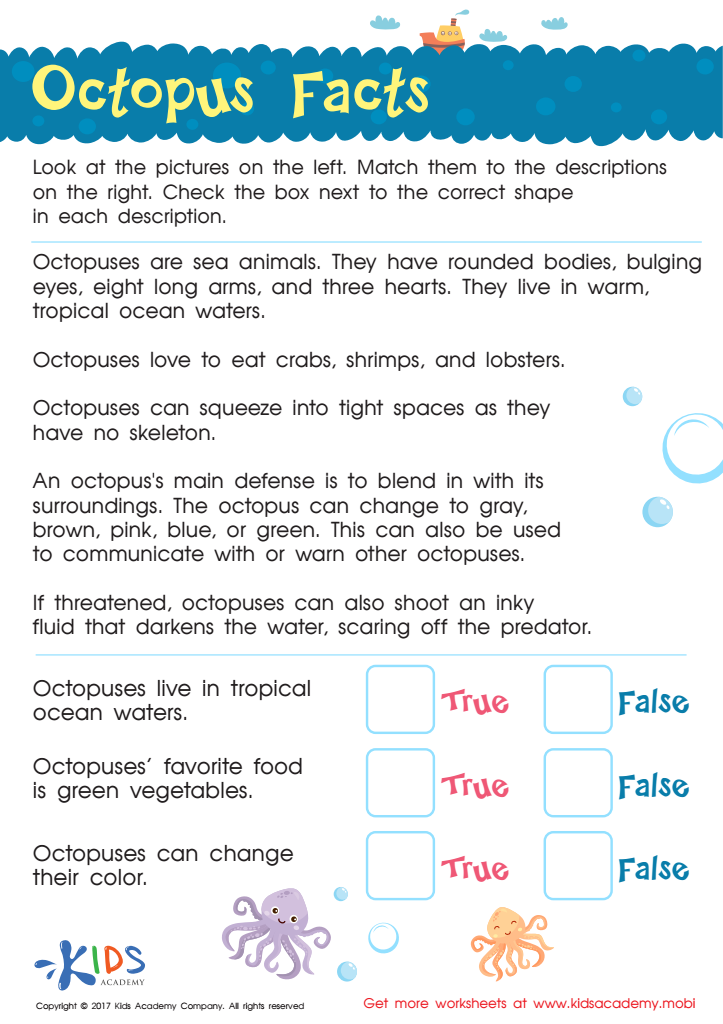
Octopus Facts Worksheet For Kids
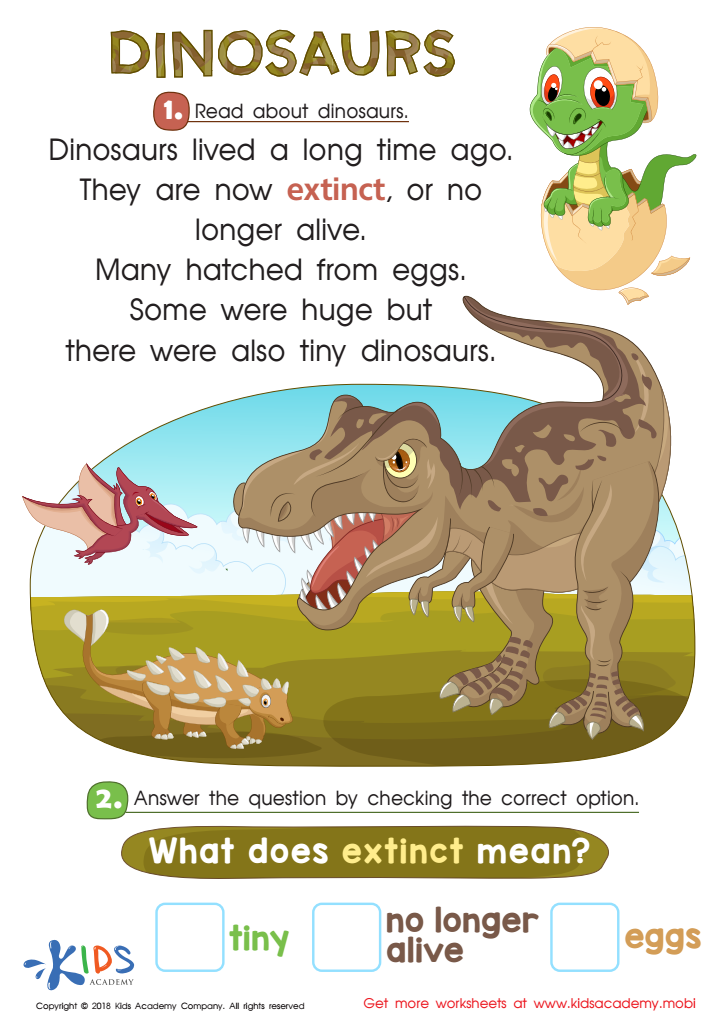
Dinosaurs Worksheet
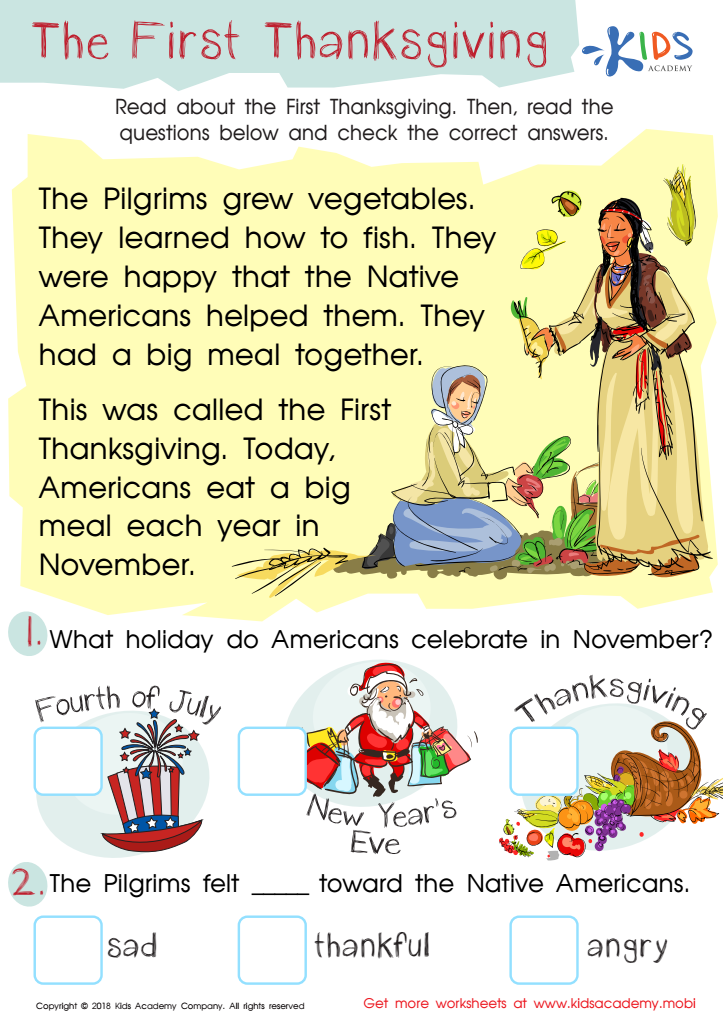
Assessment: First Thanksgiving Worksheet
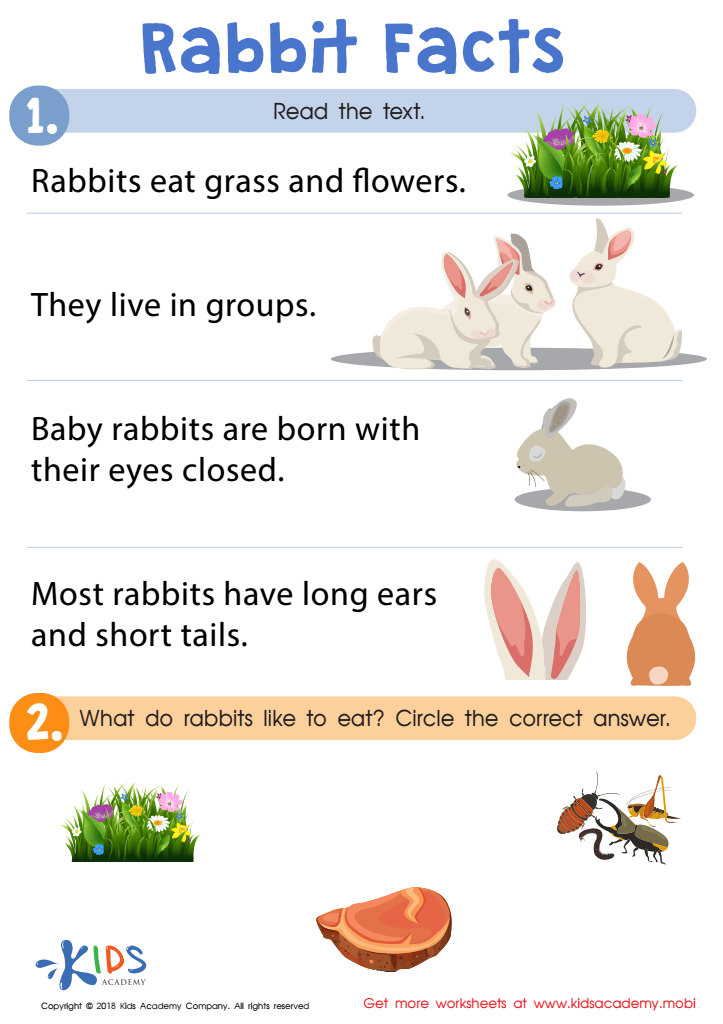
Rabbit Facts Worksheet





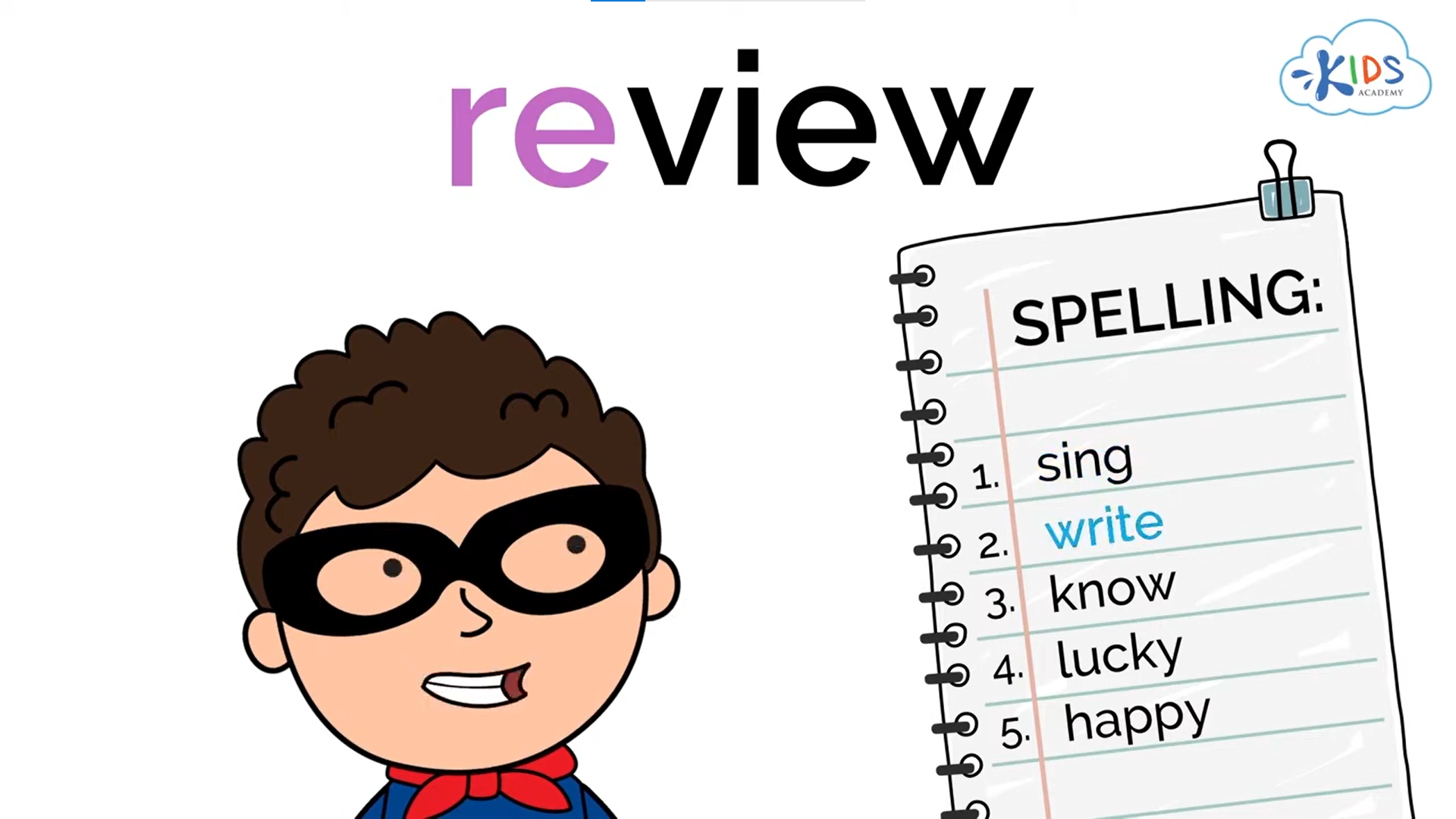


Reading comprehension in non-fiction texts is vital for children aged 3-9 as it lays the foundation for critical thinking and lifelong learning. At this age, children are naturally curious about the world around them, and non-fiction reading allows them to explore real-life concepts, facts, and ideas. When parents and teachers emphasize reading comprehension in this genre, they foster a child’s ability to grasp and retain information, encouraging inquisitiveness and the desire to learn more.
Understanding non-fiction enhances vocabulary development, as children encounter new terms related to various subjects. This growth in language skills supports their overall literacy and academic performance. Furthermore, comprehension skills enable children to connect facts to their experiences, promoting deeper understanding and retention of knowledge.
Additionally, non-fiction reading encourages analytical thinking as children learn to assess the credibility of information and differentiate between opinions and facts. In today's information-driven society, these skills are crucial for making informed decisions.
By prioritizing reading comprehension of non-fiction texts, parents and teachers empower children to become informed, curious, and engaged learners, equipped to navigate the complexities of the world around them. Ultimately, it prepares them for success not only in school but throughout life.