Animal Classification Normal Animals Worksheets for Ages 3-9
6 filtered results
-
From - To
Discover our engaging "Animal Classification Normal Animals Worksheets" designed specifically for children aged 3-9! These fun and interactive worksheets help young learners explore the fascinating world of animal classification through age-appropriate activities. With colorful illustrations and a variety of exercises, children will identify, categorize, and understand different animal groups and their characteristics. Our worksheets promote critical thinking, creativity, and a love for science, making learning both enjoyable and educational. Ideal for home or classroom use, these resources are perfect for helping children develop foundational knowledge about animals while enhancing their observational skills. Start your child’s adventure in wildlife discovery today!
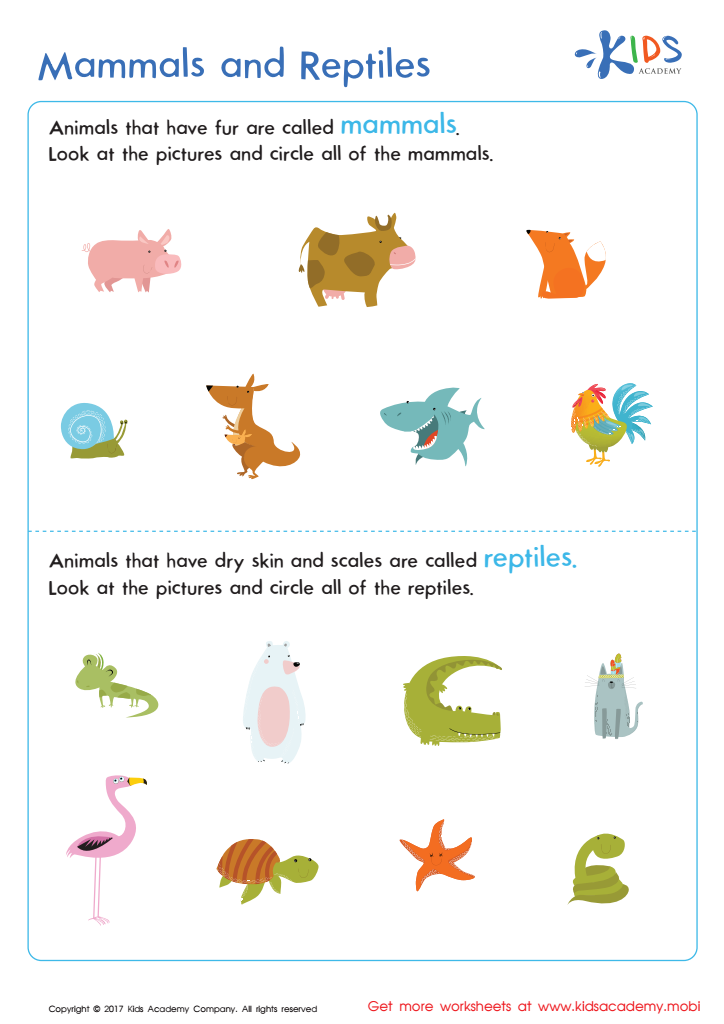
Mammals and Reptiles Worksheet
 Assign to My Students
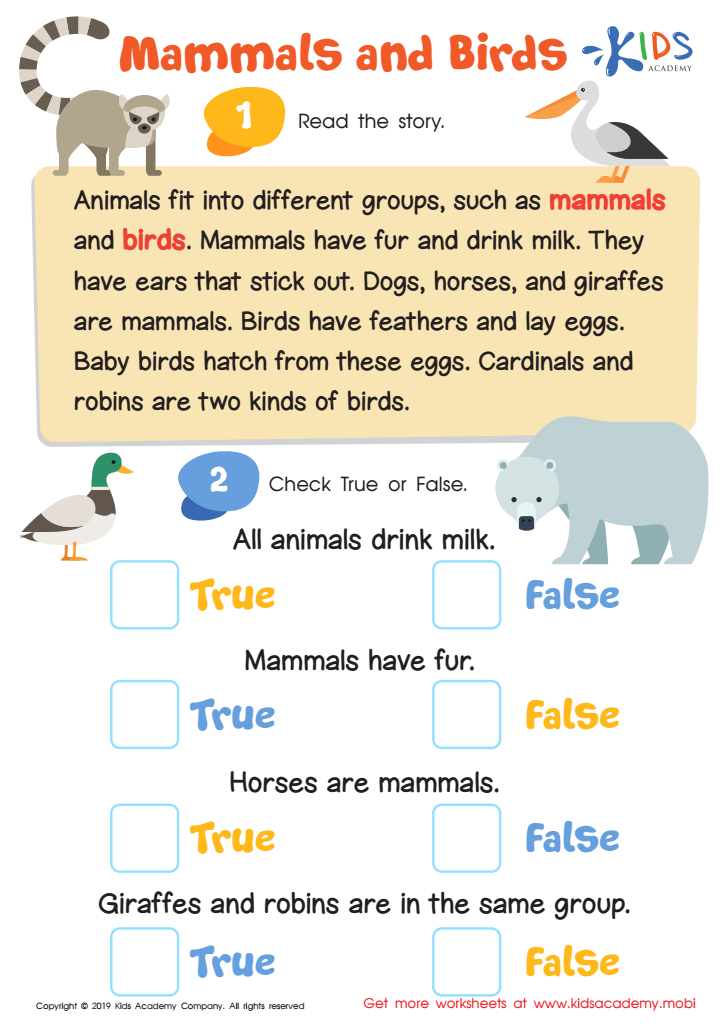
Mammals and Birds Worksheet
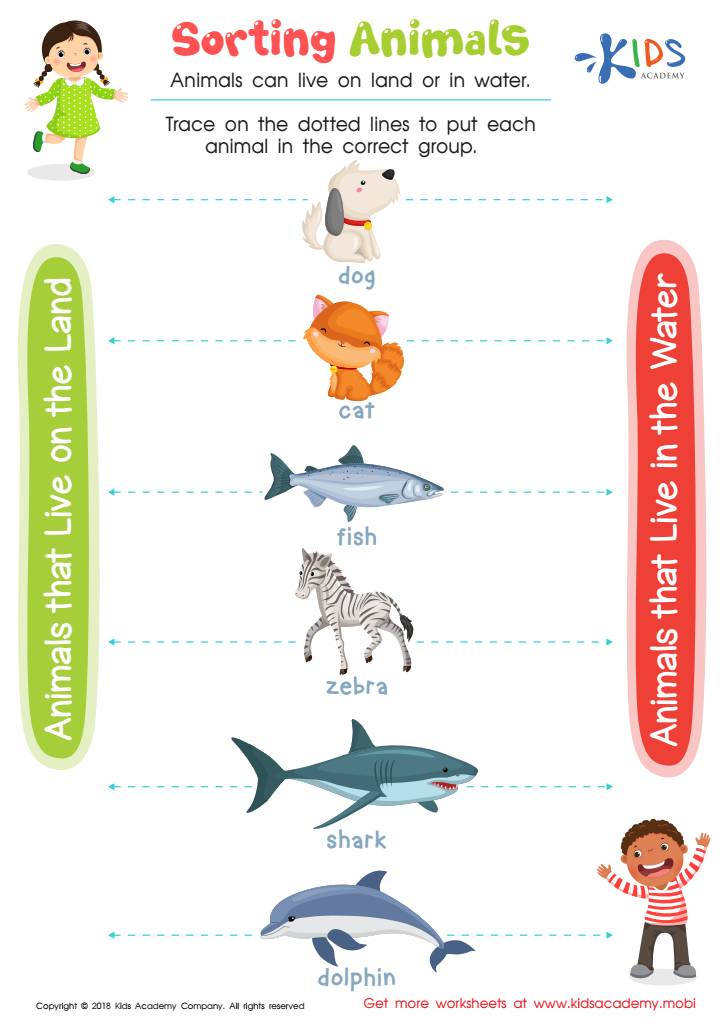
Sorting Animals Worksheet
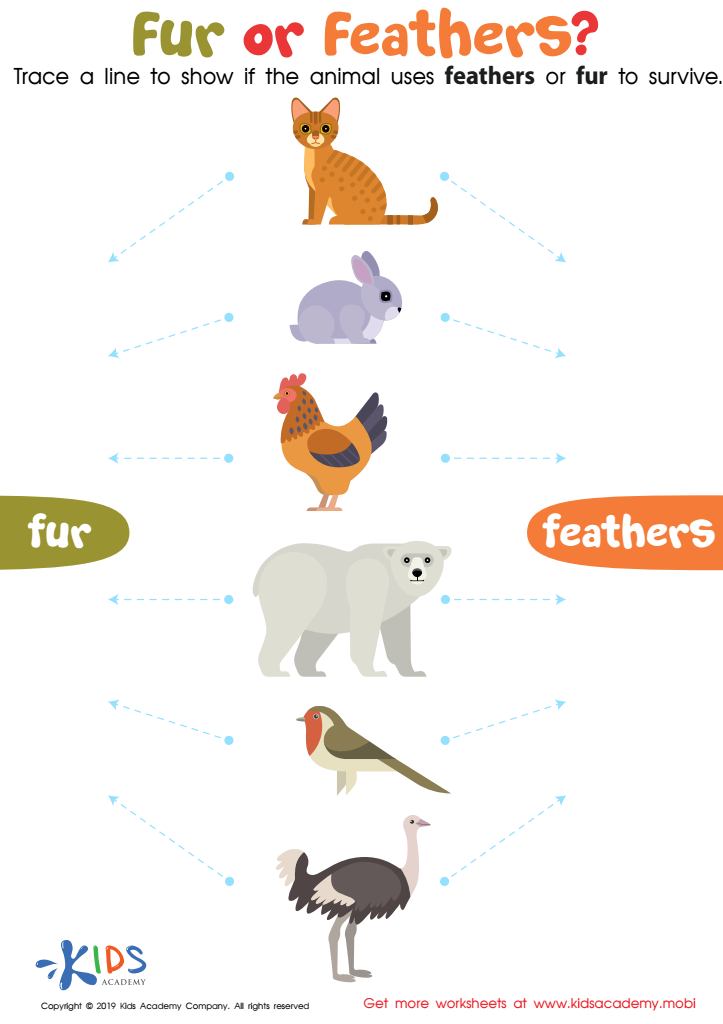
Fur or Feathers? Worksheet
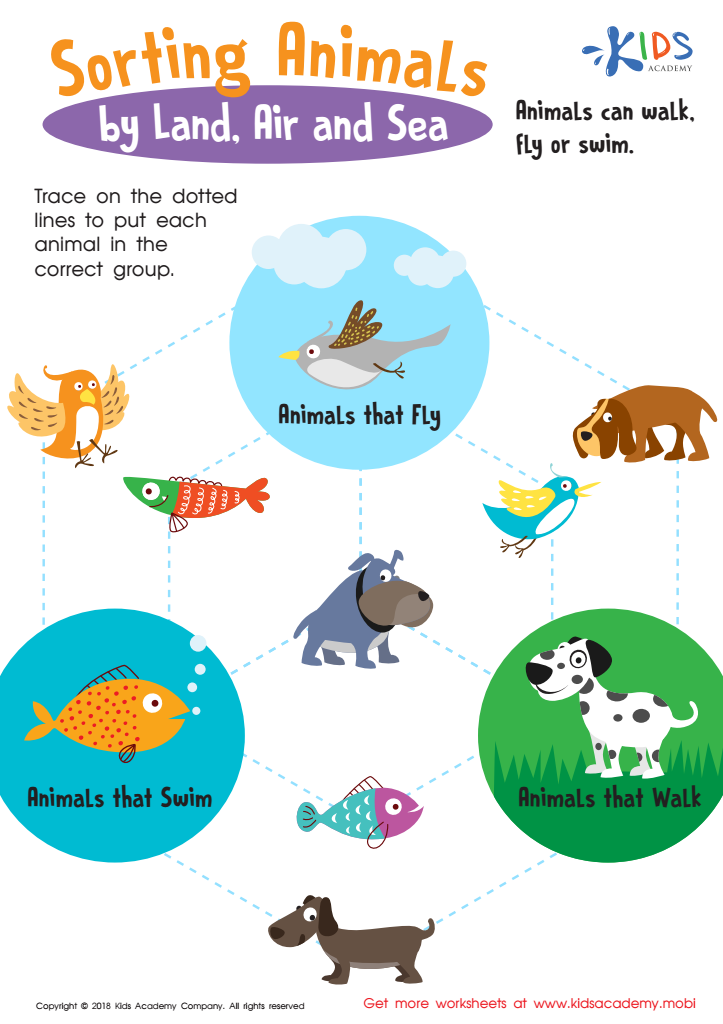
Sorting Animals by Land, Air and Sea Worksheet
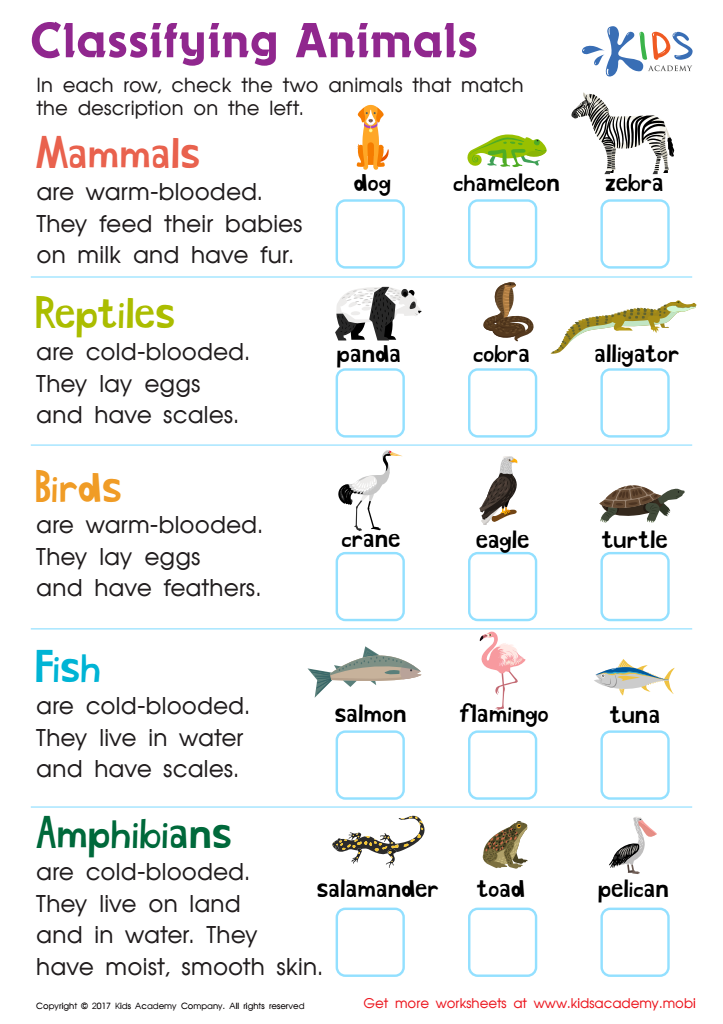
Classifying Animals Worksheet






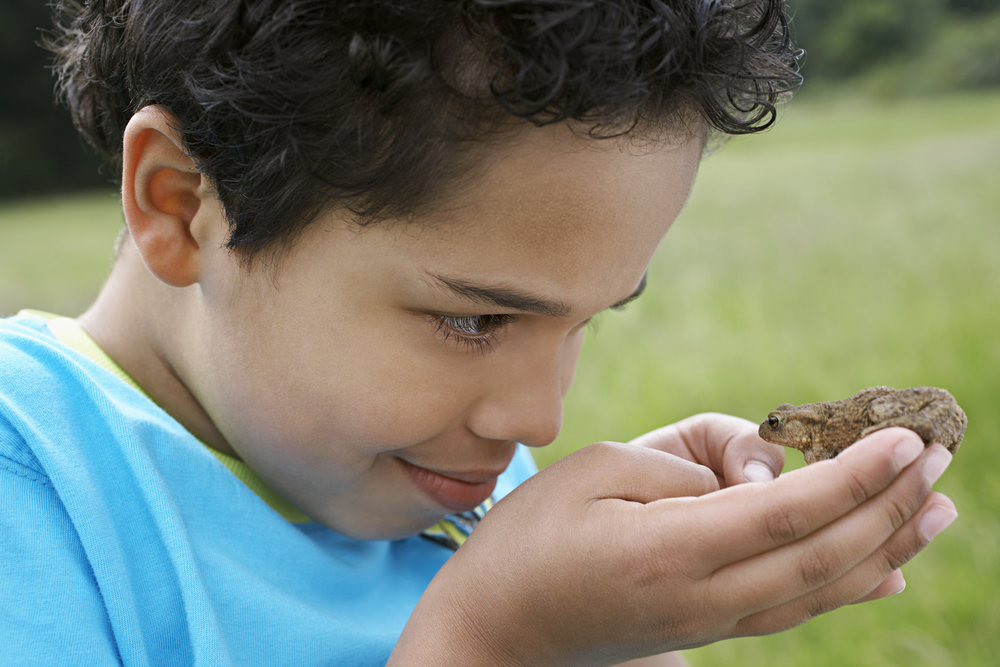

Animal classification is a fundamental concept that fosters curiosity and understanding in young learners aged 3-9. Parents and teachers should care about this topic because it lays the groundwork for scientific literacy and critical thinking. Understanding how animals are categorized into groups such as mammals, reptiles, birds, and amphibians helps children recognize the diversity of life around them and appreciate the environment.
At an early age, interacting with concepts such as habitats, dietary structures, and behaviors helps develop observational skills. For instance, learning why dogs are mammals while frogs are amphibians sparks inquiry about the characteristics that define these classifications. This initiative can lead to engaged discussions, allowing children to express ideas and musings, thus boosting their communication skills.
Furthermore, animal classification is a playful yet educational way to instill respect for nature and encourage conservation consciousness. Educational activities such as sorting games, picture books, or nature outings stimulate hands-on learning, making it enjoyable and memorable.
Incorporating animal classification in learning helps nurture empathy towards animals and fosters an overall respect for all living beings, shaping conscientious future citizens who value the planet's rich biodiversity. Thus, parents and teachers play a crucial role in shaping this foundational understanding.








