Analyzing data Normal Science Worksheets for Ages 3-9
5 filtered results
-
From - To
Discover our "Analyzing Data Normal Science Worksheets for Ages 3-9," designed to make science engaging and educational. Tailored for young learners, these worksheets introduce fundamental data analysis skills through fun and age-appropriate activities. Kids will explore patterns, make predictions, and draw conclusions, fostering critical thinking and a love for science. With vibrant illustrations and clear instructions, each worksheet simplifies complex concepts for preschoolers and early elementary students. Perfect for parents, teachers, and homeschoolers, these printables offer a hands-on approach to learning. Inspire your child’s scientific curiosity with these expertly crafted resources. Visit Kids Academy to start your journey!
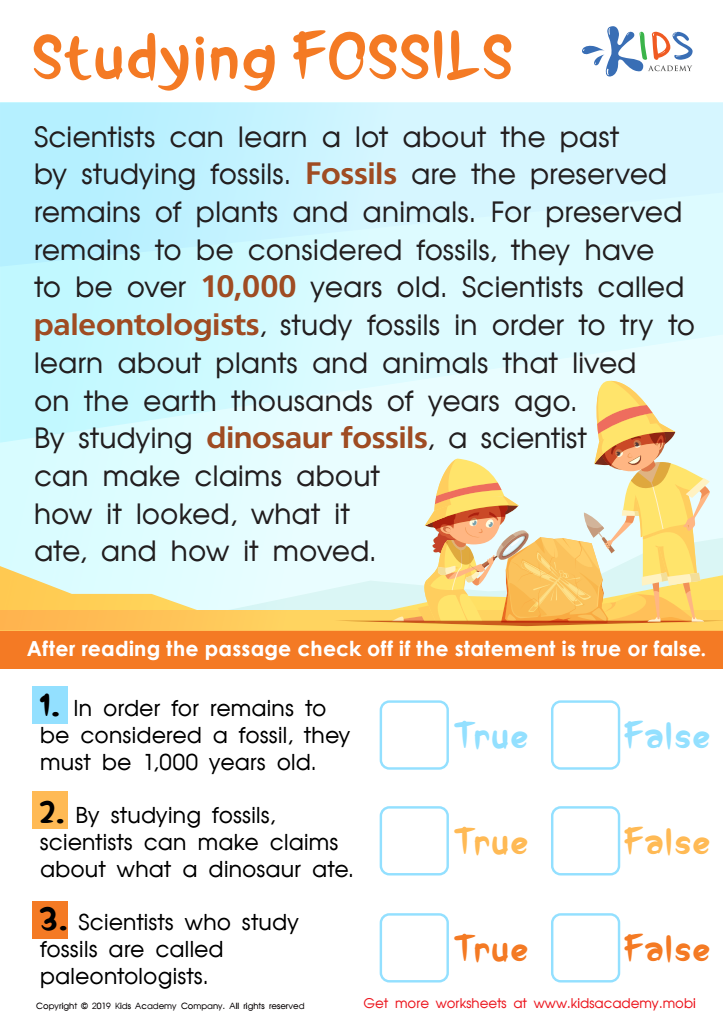
Studying Fossils Worksheet
 Assign to My Students
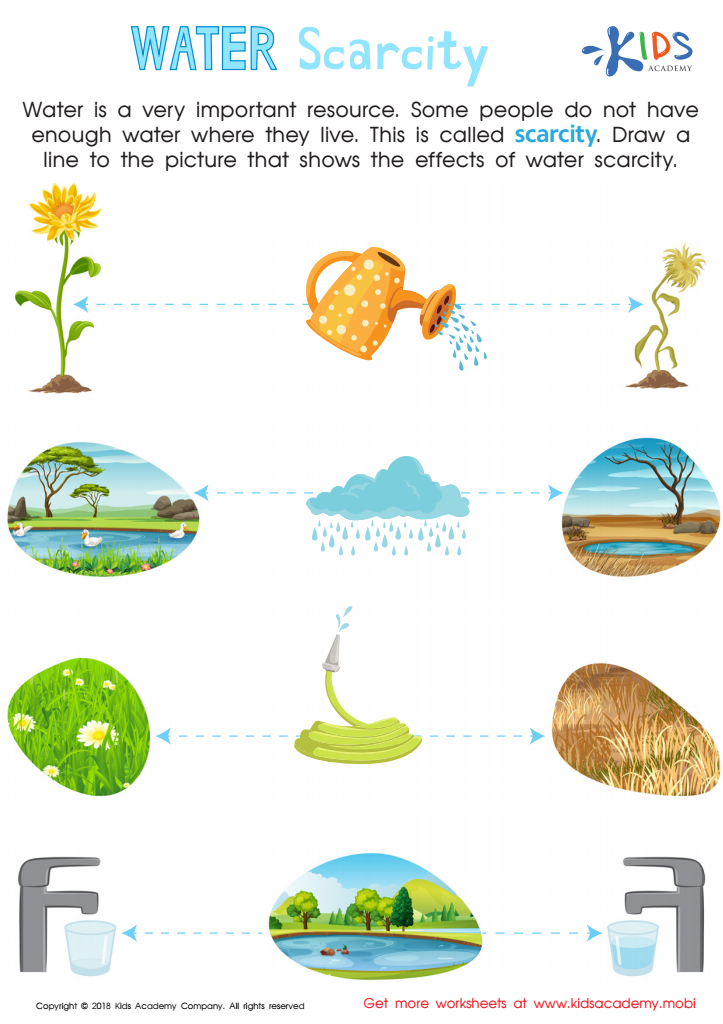
Water Scarcity Worksheet
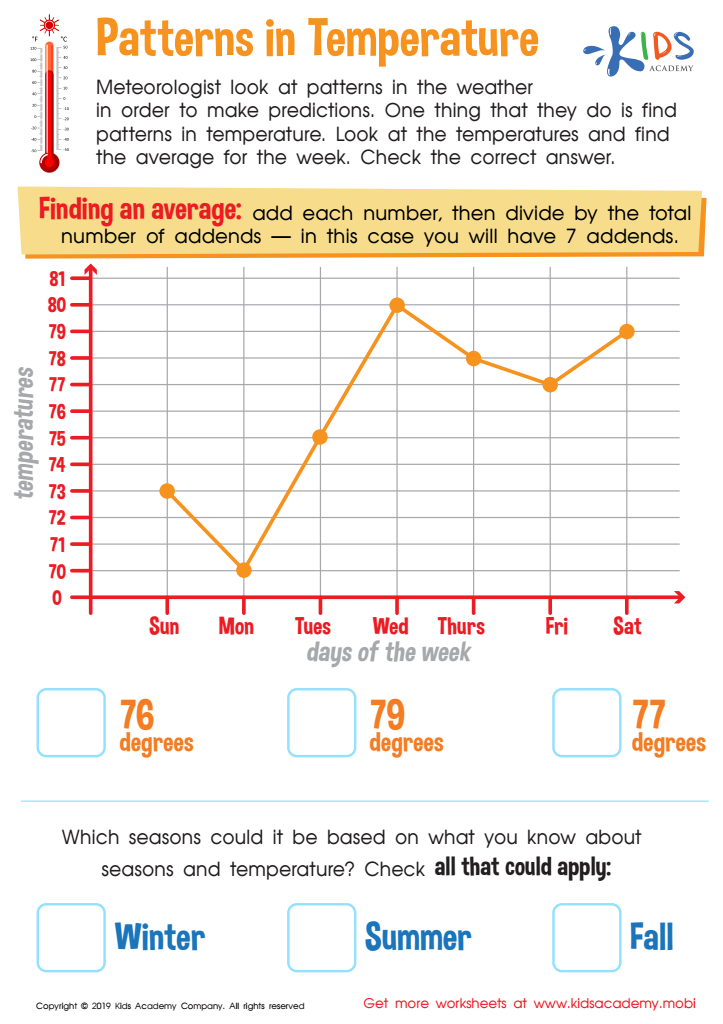
Patterns in Temperature Worksheet
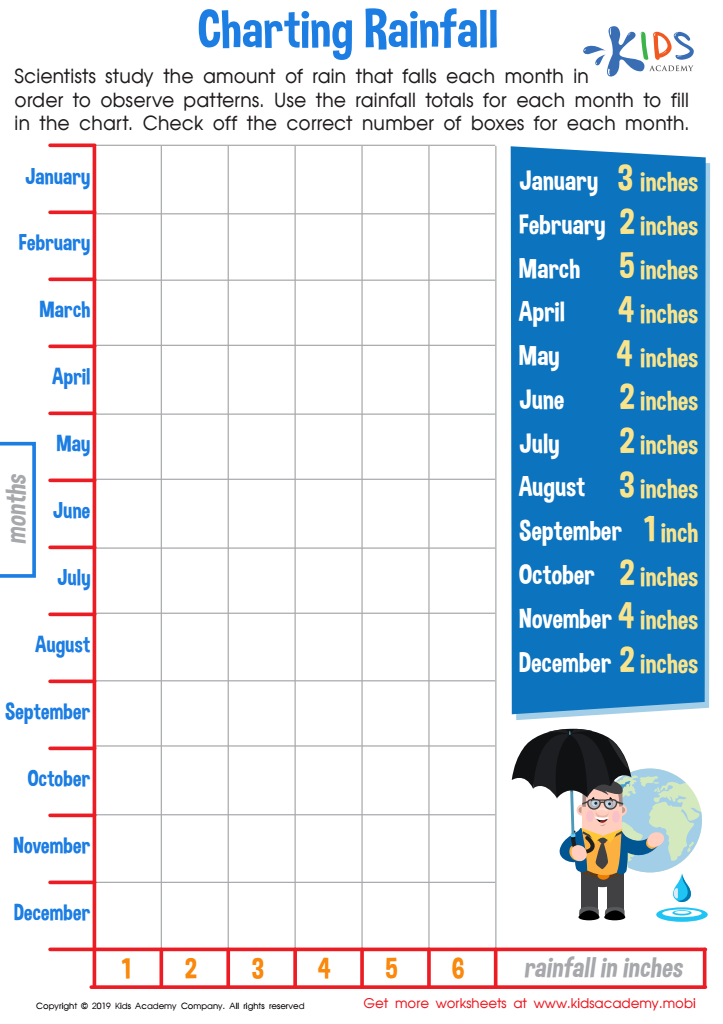
Charting Rainfall Worksheet
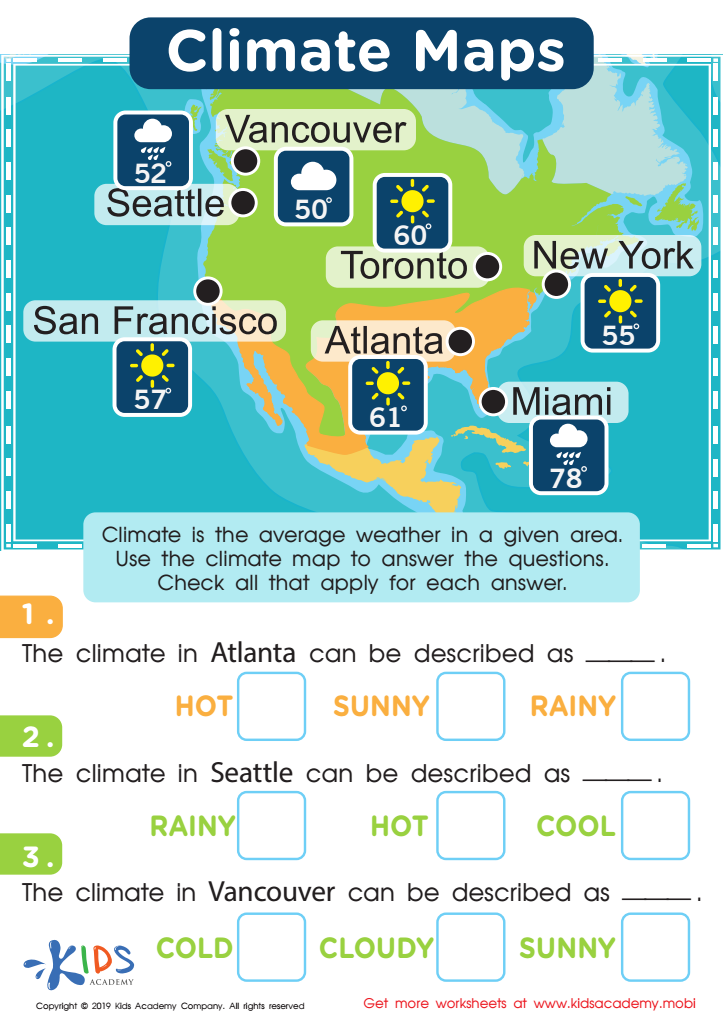
Climate Maps Worksheet






Analyzing data in normal science is essential for children aged 3-9 because it fosters critical thinking, problem-solving skills, and a robust understanding of their world. At this formative age, children's brains are incredibly malleable, making it the ideal time to introduce foundational concepts in a way that engages their natural curiosity. Introducing data analysis through age-appropriate methods, such as counting, sorting, and simple charting, empowers young learners to interpret patterns, make predictions, and understand cause-and-effect relationships. These skills are the backbone of scientific literacy, ensuring children can question, hypothesize, and approach problems methodically as they grow.
For parents and teachers, investing in this aspect of education early equips children with a proactive mindset towards learning and exploration. It also aligns with STEM (Science, Technology, Engineering, and Mathematics) education goals, crucial in today's technologically advanced world. Furthermore, proficiency in data interpretation can extend to everyday decision-making, promoting both logical reasoning and numerical literacy.
By nurturing these competencies from a young age, parents and teachers can help children build a solid foundation for future academic pursuits and everyday life skills. Integrating data analysis in normal science curriculums not only prepares them for later educational challenges but also instills a lifelong appreciation for the scientific process and evidence-based thinking.







