Enhancing categorization skills Normal Science Worksheets for Ages 3-9
3 filtered results
-
From - To
"Enhancing Categorization Skills" Normal Science Worksheets for ages 3-9 helps kids build crucial analytical abilities through fun and engaging exercises. Tailored to foster early cognitive development, these worksheets offer activities such as sorting objects, grouping items by characteristics, and observing patterns in nature. Perfect for young learners, each worksheet provides a hands-on approach to learning, encouraging kids to classify and organize information effectively. Ideal for both classroom and home settings, these science worksheets lay a strong foundation for future academic success by making learning exciting and interactive. Prepare your child for a bright educational journey ahead!
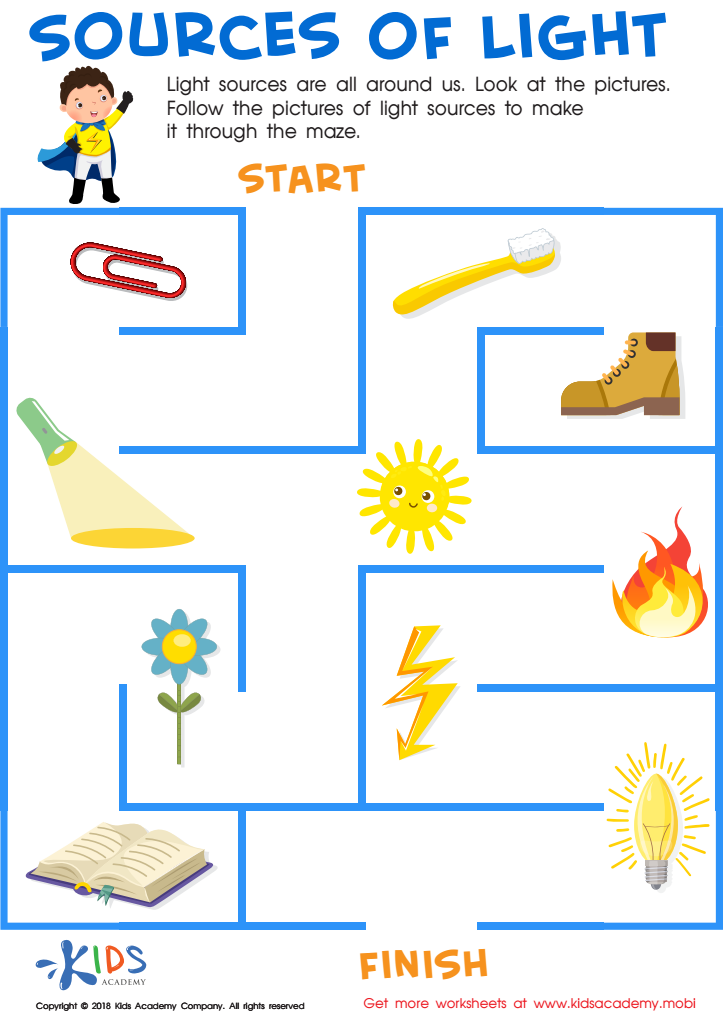
Sources of Light Worksheet
 Assign to My Students
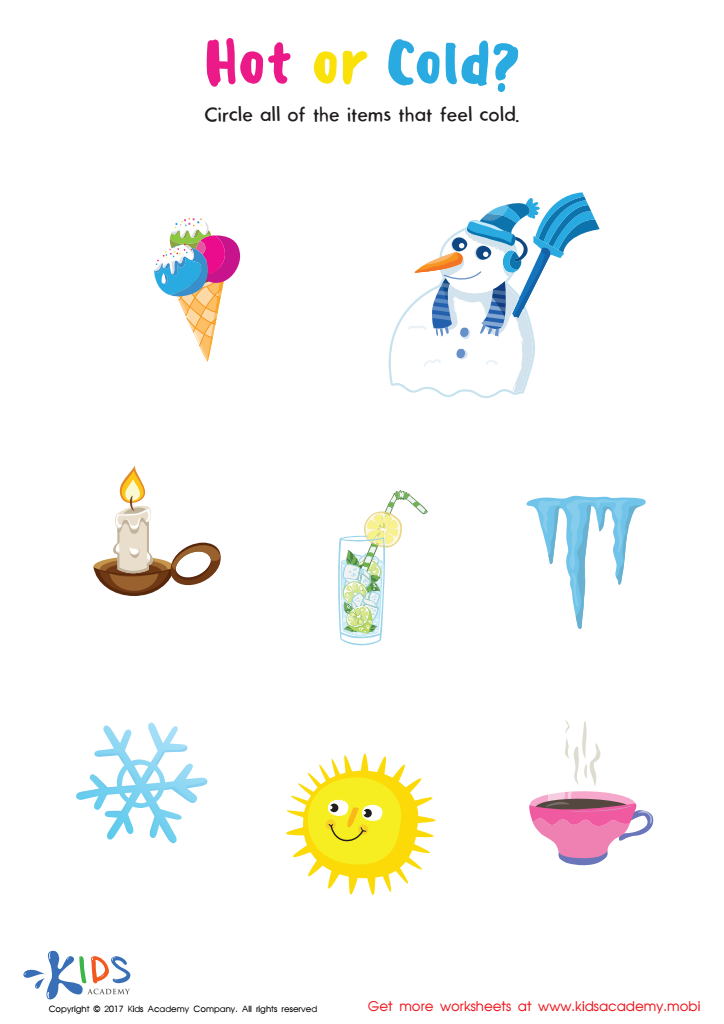
Hot or Cold Printable
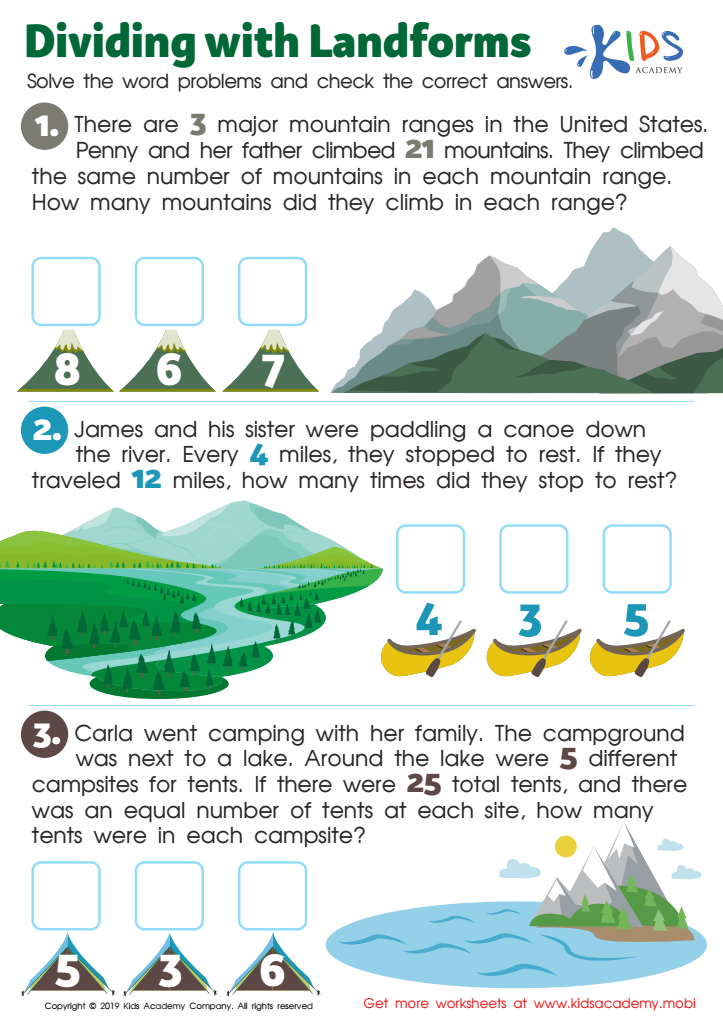
Dividing with Landforms




.jpg)


Enhancing categorization skills in children aged 3-9 is vital for their cognitive development and future academic success. During these formative years, children experience rapid brain growth, and their ability to categorize information directly contributes to their understanding of the world. Categorization involves grouping similar objects, ideas, or information together, which aids in organizational thinking and problem-solving.
For parents and teachers, focusing on these skills can greatly enhance a child’s learning processes. Improved categorization skills help children grasp basic and complex concepts more effectively. For example, understanding shapes, colors, numbers, and letters is foundational for subjects like reading, math, and science. When children can easily classify and differentiate between different types of information, they build stronger memory connections, facilitating quicker recall and better application of knowledge.
Moreover, categorization promotes language development by enriching vocabulary. For instance, naming groups of fruit or animals enhances linguistic skills and comprehension. Socially, children who develop strong categorization skills can navigate their environments more adeptly, discerning roles and responsibilities within families and classrooms.
Therefore, by nurturing these skills, parents and teachers provide children with essential tools for learning and interacting with the world, setting a strong platform for lifelong curiosity and academic achievement. Supporting these developmental milestones can make a substantial difference in a child’s educational journey.







