Mathematical reasoning Normal Science Worksheets for Ages 3-9
3 filtered results
-
From - To
Explore our engaging Mathematical Reasoning Worksheets designed for young learners aged 3 to 9. These innovative worksheets combine essential math concepts with a fun, science-themed approach, making learning enjoyable and interactive. Each worksheet encourages critical thinking and problem-solving skills, allowing children to explore topics such as counting, shapes, patterns, and basic operations. Tailored to various learning stages, these resources support early childhood education and promote cognitive development. Whether at home or in the classroom, our worksheets provide parents and educators with the perfect tools to inspire a love for math and science in young minds. Start fostering mathematical intuition today!
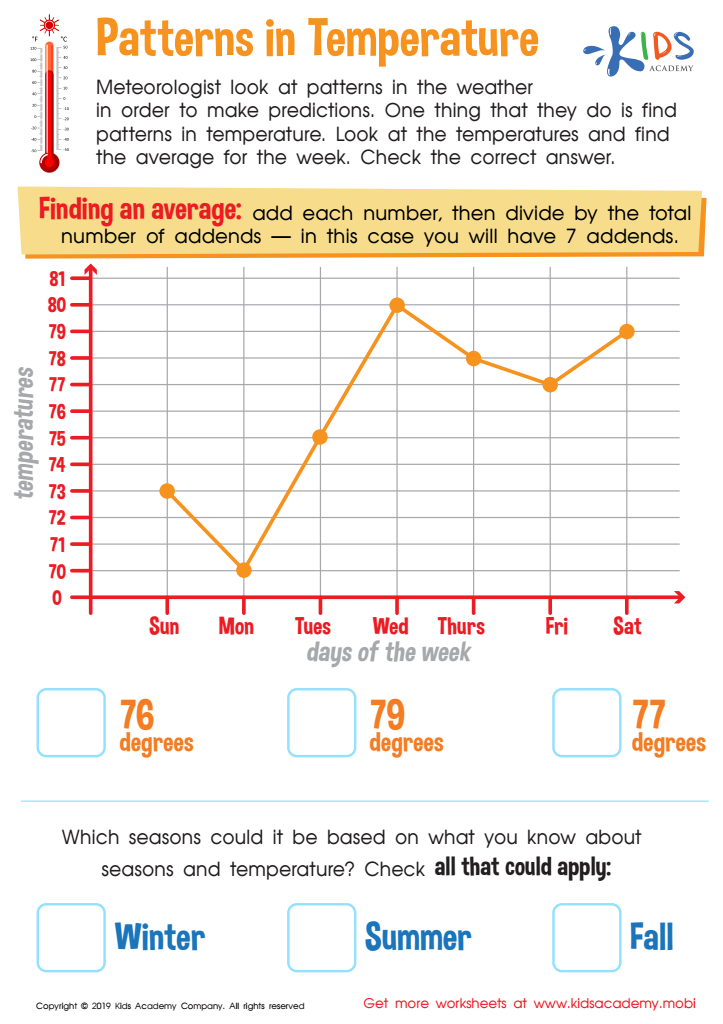
Patterns in Temperature Worksheet
 Assign to My Students
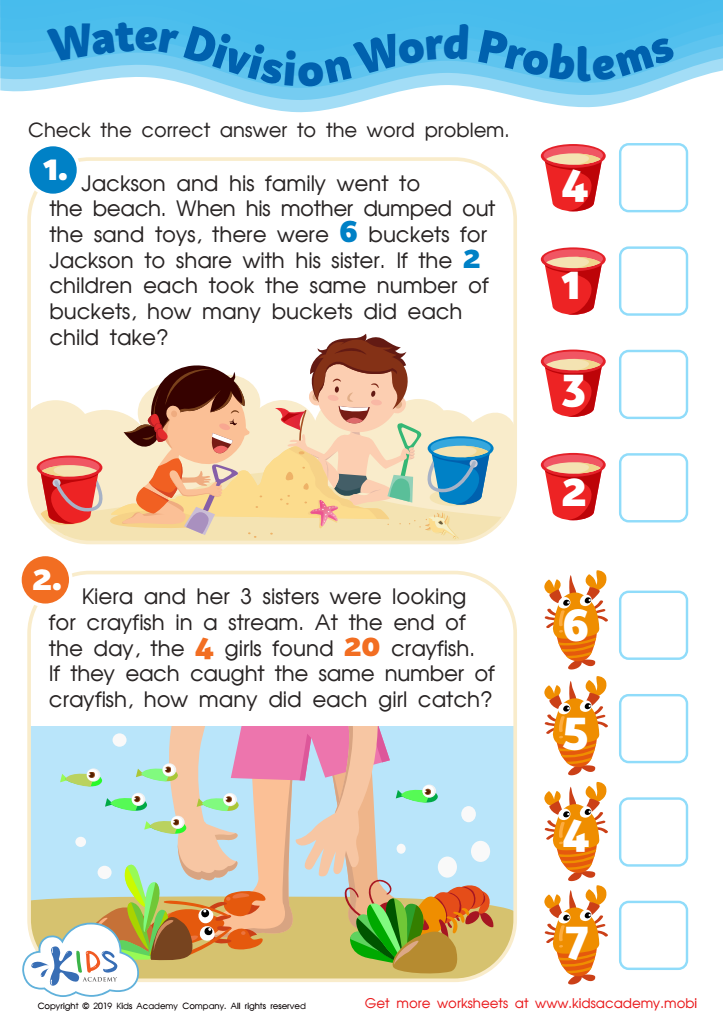
Water Division Word Problems Worksheet
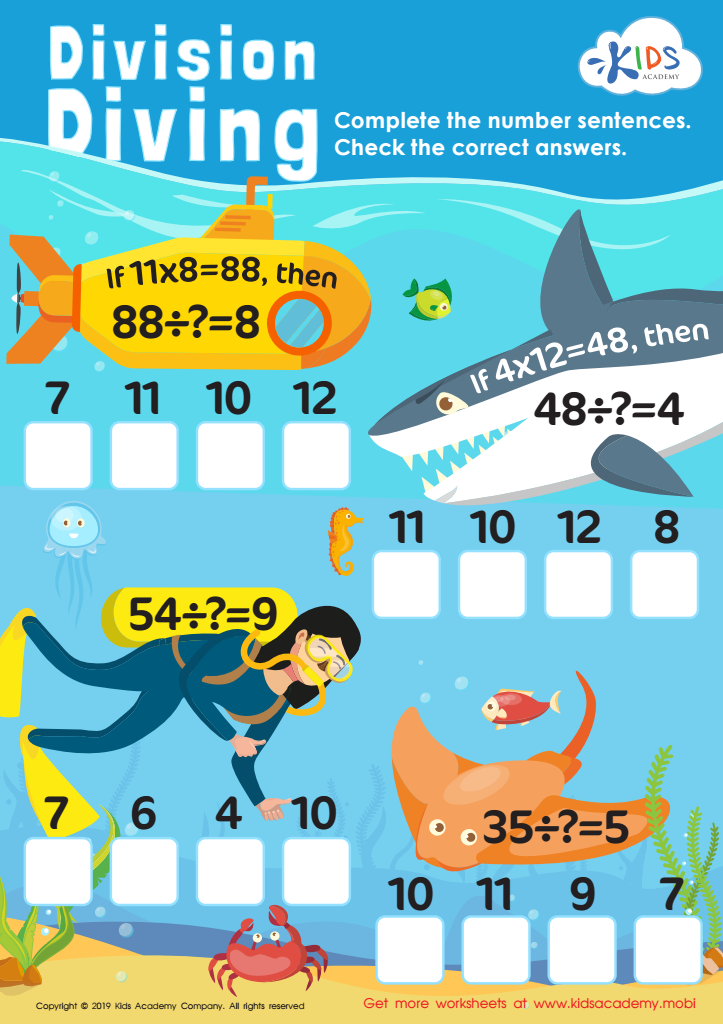
Division Diving Worksheet







Parents and teachers should care about mathematical reasoning in early childhood education because it lays the foundation for critical thinking skills that last a lifetime. From ages 3 to 9, children are particularly receptive to understanding basic mathematical concepts and patterns. Engaging them in mathematical reasoning encourages them to explore, question, and develop problem-solving abilities. This not only helps in developing number sense but also enhances their cognitive skills, enabling them to make connections across various subjects.
Moreover, mathematical reasoning fosters a child’s confidence and independence in learning. Children learn to approach problems systematically, leading to better decision-making and analytical skills. Engaging them in activities such as counting, sorting, and recognizing shapes aids their ability to think logically and abstractly.
Furthermore, integrating mathematical reasoning into everyday learning helps demystify math, making it accessible and enjoyable. As children enjoy the process, they’re more likely to develop a positive attitude toward mathematics, setting them up for future academic success. For parents and teachers, nurturing these skills at a young age not only equips children to tackle more complex concepts later on but also promotes lifelong learning and curiosity. Ultimately, investing in early mathematical reasoning is a gift that resonates well beyond the classroom.







