Observational skills development Normal Science Worksheets for Ages 3-9
3 filtered results
-
From - To
Enhance your child's observational skills with our engaging Normal Science Worksheets, designed specifically for ages 3-9. These interactive resources encourage young learners to keenly observe their surroundings while nurturing a love for science. Through fun activities and challenging tasks, children will develop critical thinking skills, improve focus, and boost their ability to notice details in nature and everyday life. Whether at home or in the classroom, these worksheets provide an exciting way to foster curiosity and creativity. Ignite your child's passion for learning and scientific discovery with our thoughtfully created materials that align with early grade educational standards. Explore now!
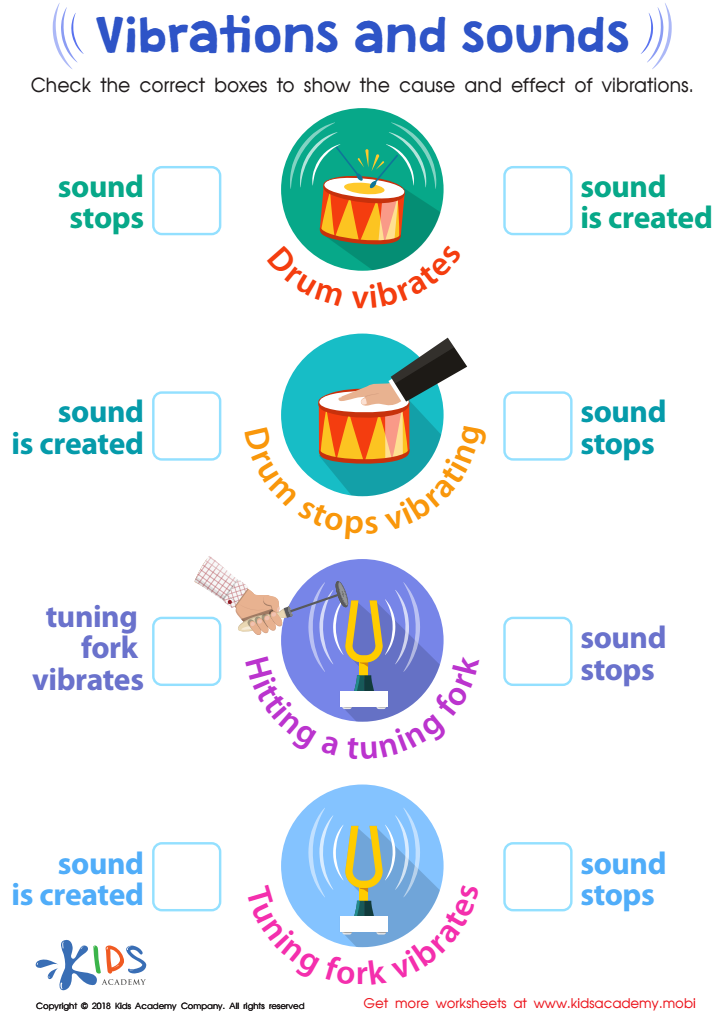
Vibrations and Sounds Worksheet
 Assign to My Students
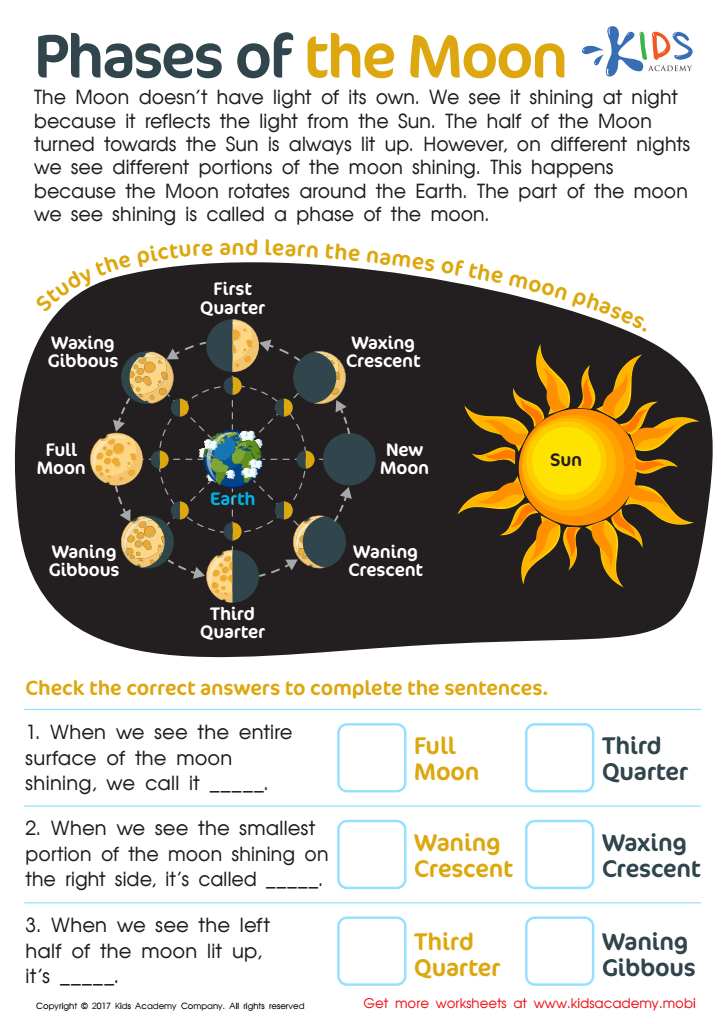
Phases of The Moon Worksheet
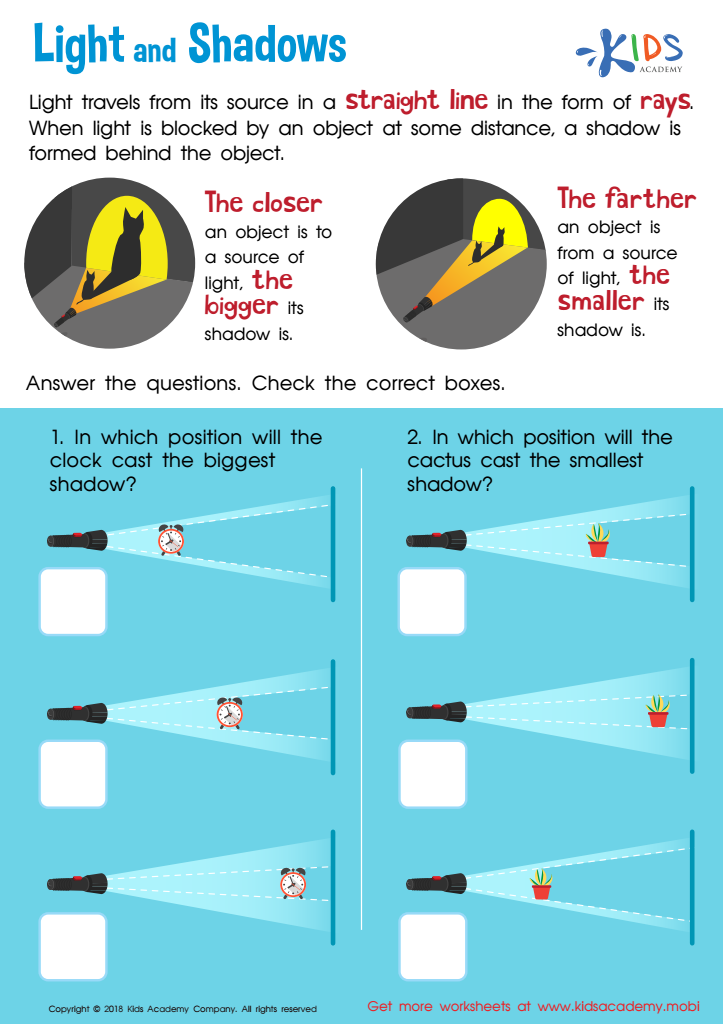
Light and Shadow Worksheet for Grade 3







Observational skills development during critical early years (ages 3-9) is essential for children's cognitive and social growth. Parents and teachers should prioritize fostering these skills, as they lay the groundwork for a child's understanding of the world. Through observation, children learn to notice details, ask questions, and make connections, enhancing their critical thinking and problem-solving abilities.
Engaging in observational activities—be it nature walks, classroom experiments, or simple home observations—enables children to practice focusing their attention and recognizing patterns. It supports their scientific inquiry skills, where they're encouraged to hypothesize, test, and draw conclusions about their findings. The ability to observe also nurtures curiosity and a love for learning, keys to lifelong education.
Moreover, good observational skills promote social development. Children learn to read social cues, understand emotions, and interact positively with peers, aiding in the cultivation of empathy and interpersonal skills. As they become more observant, children gain a sense of agency and confidence, recognizing their thoughts and questions as valuable. By supporting observational skills, parents and teachers empower children to become enthusiastic learners who engage meaningfully with the world around them.







