Critical thinking development Normal Plants and Animals Worksheets for Ages 3-9
3 filtered results
-
From - To
Enhance your child’s critical thinking skills with our engaging Plants and Animals Worksheets, designed for ages 3-9. These interactive resources encourage young learners to observe, analyze, and connect concepts in the natural world. Perfect for cultivating curiosity, our worksheets prompt children to classify animals and plants, identify their habitats, and explore the interdependence of life forms. By integrating fun activities like sorting and matching, children foster problem-solving abilities that are foundational for future learning. Ideal for home or classroom use, these worksheets provide a stimulating way for youngsters to explore biology while developing essential critical thinking skills. Dive into learning today!
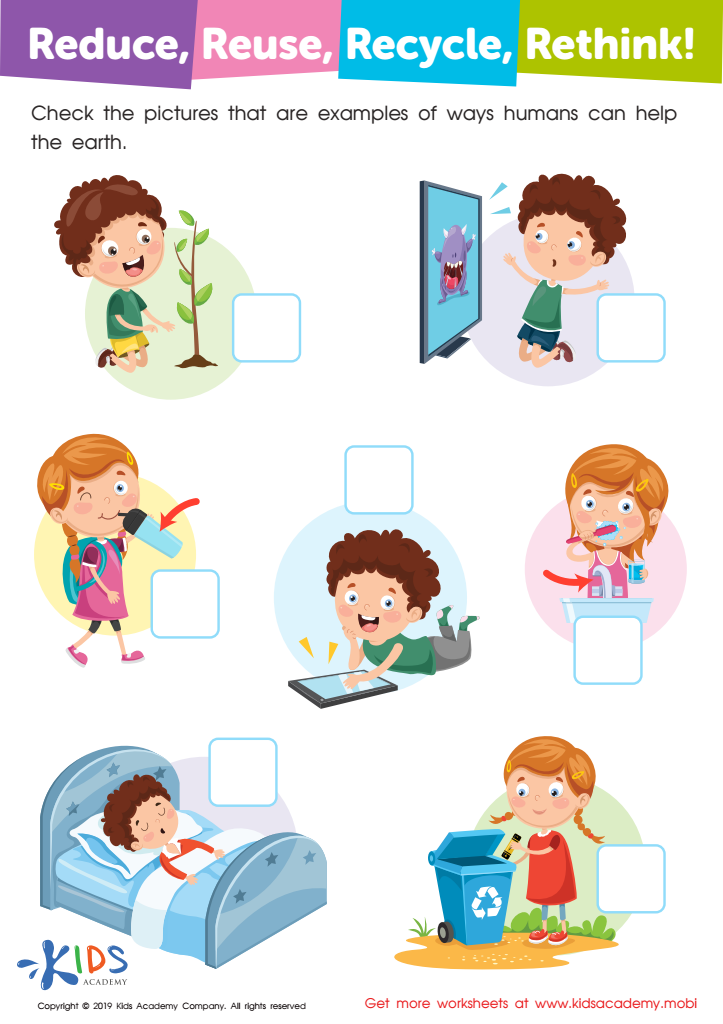
Reduce, Reuse, Recycle, Rethink Worksheet
 Assign to My Students
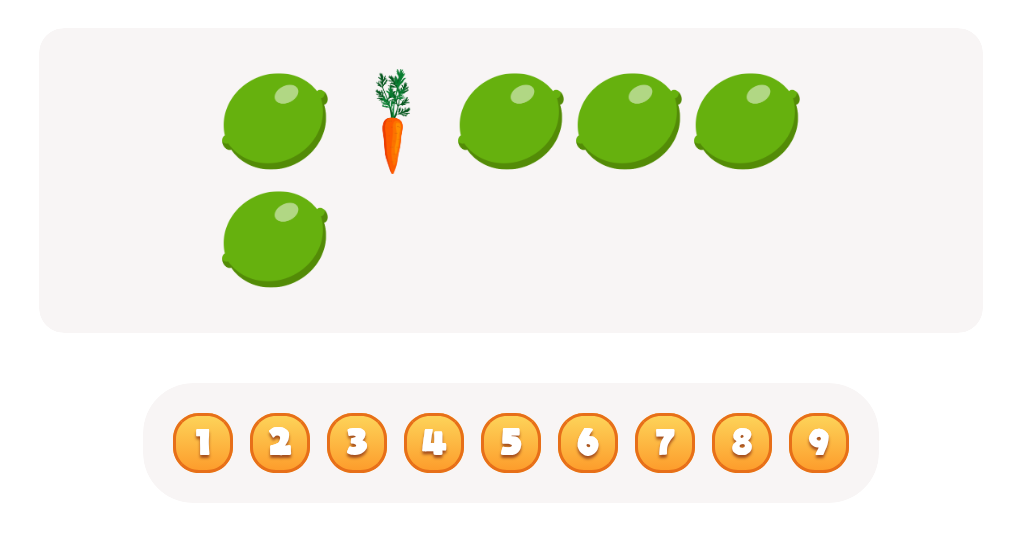

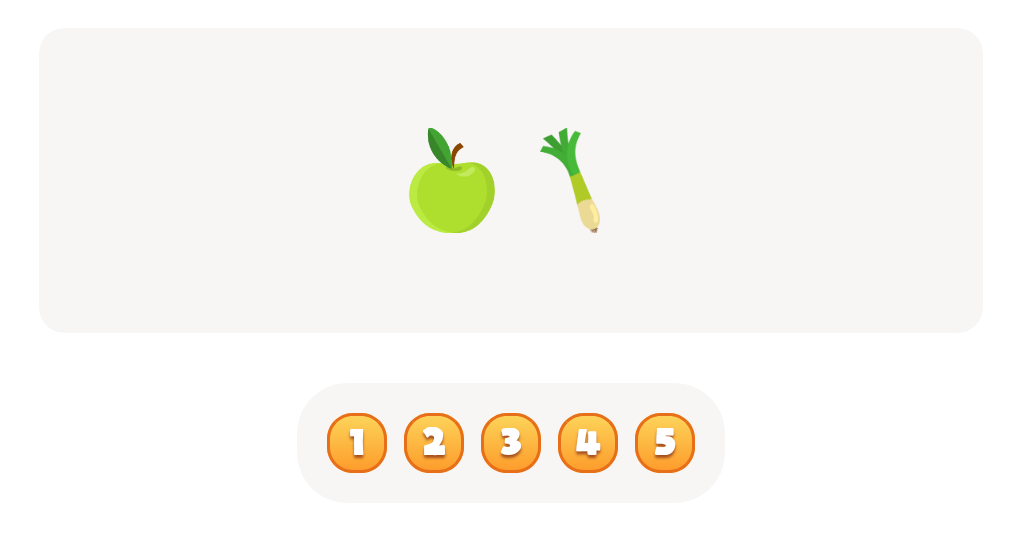
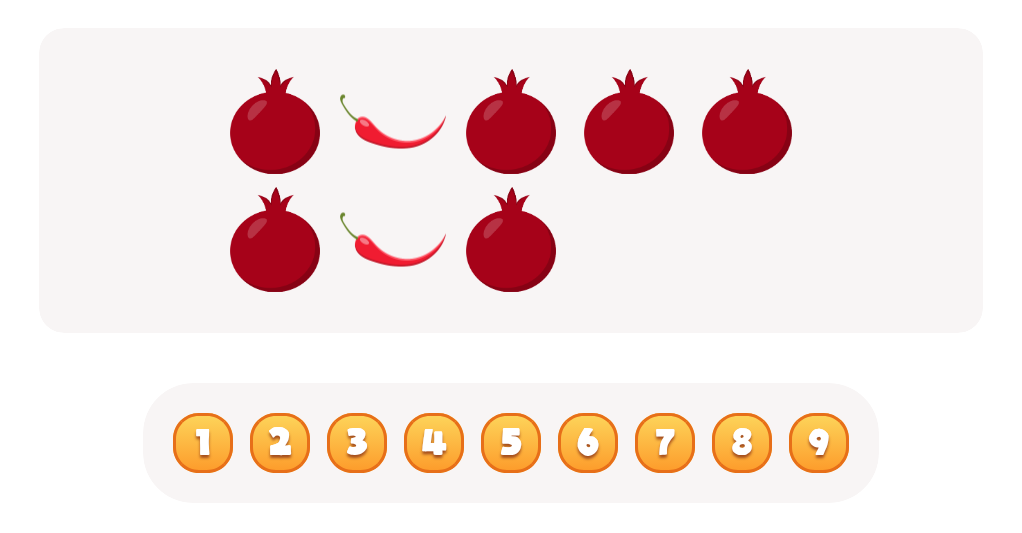
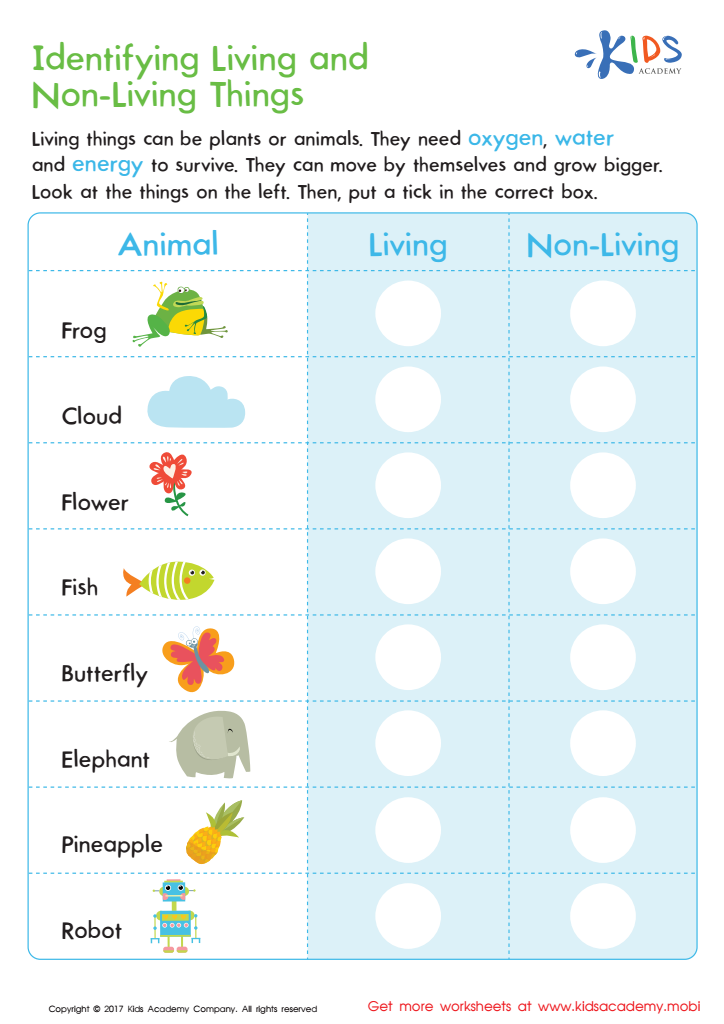
Identifying Living or Non–living Worksheet
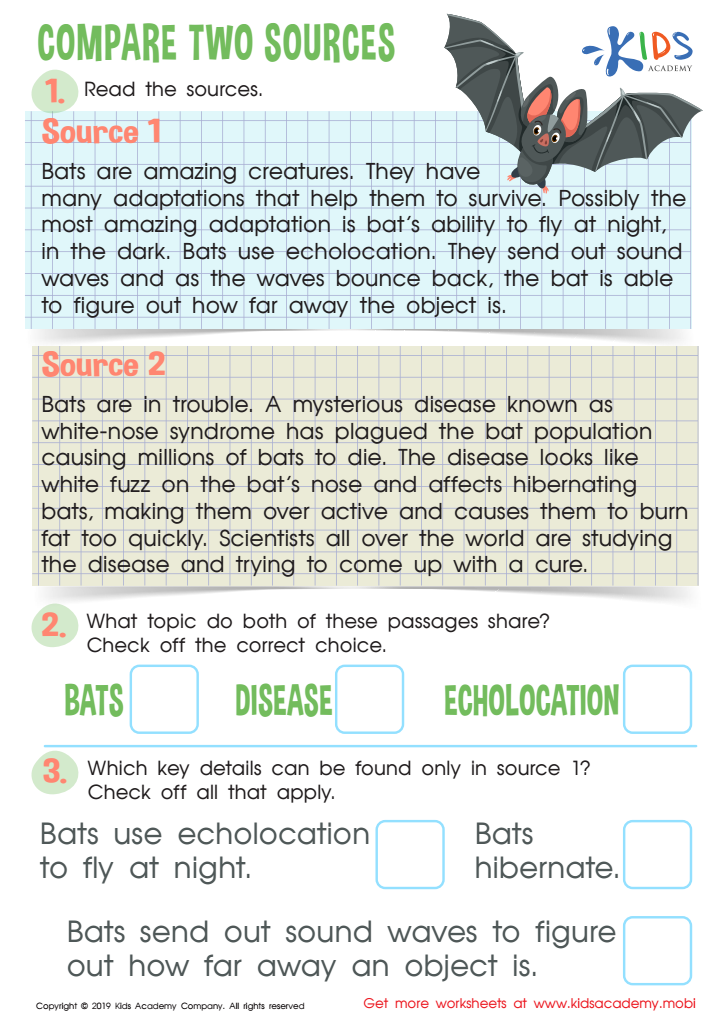
Compare Two Sources Worksheet








Critical thinking is an essential skill that aids children in navigating and understanding their world, especially when learning about normal plants and animals. For children aged 3-9, cultivating this ability during lessons about nature fosters curiosity and encourages exploration.
Parents and teachers should prioritize critical thinking in this context because it allows young learners to ask questions, analyze information, and form connections between concepts. For instance, when children learn about the lifecycle of a plant or the habitats of animals, they can investigate why certain plants grow in specific environments or how animals adapt to survive. This promotes deeper understanding and retention of knowledge.
Furthermore, engaging in critical thinking activities—like discussing the role of plants in the ecosystem or the importance of biodiversity—can inspire children to become environmentally conscious and responsible citizens.
By fostering these skills early on, we prepare children to approach challenges with creativity and resilience, an advantage that will benefit them throughout their educational journey and into adulthood. Ultimately, building critical thinking skills in young learners leads not only to academic success but also to informed and empathetic future citizens dedicated to improving the world around them.







