 Assign to My Students








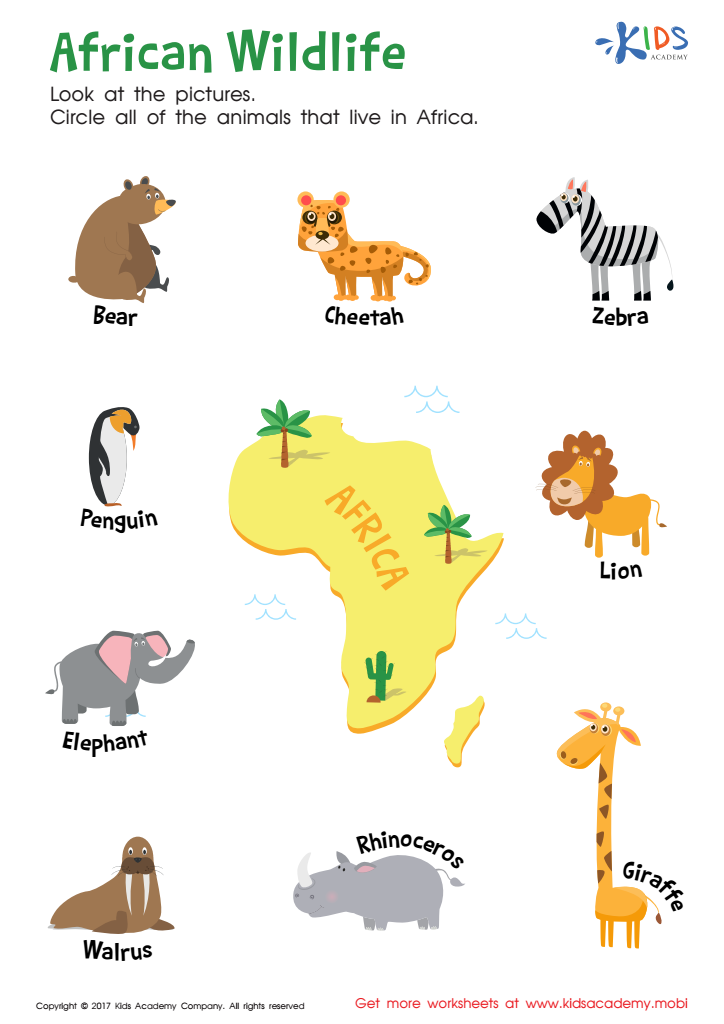
Reading comprehension about normal plants and animals is essential for children aged 3-9 for several reasons. Firstly, this knowledge fosters a connection with the natural world, sparking curiosity and encouraging exploration. By understanding plants and animals, young learners can develop a sense of appreciation for biodiversity, which is crucial for environmental stewardship.
Additionally, reading comprehension in this domain enhances vocabulary and language skills. Exposure to diverse subjects, such as the characteristics of animals or the lifecycle of plants, allows children to engage with new terms and concepts, promoting literacy development.
Moreover, engaging with texts about plants and animals supports critical thinking and cognitive skills. As children analyze stories or non-fiction focused on these topics, they learn to make inferences, draw conclusions, and ask questions—a fundamental aspect of effective comprehension.
For parents and teachers, cultivating a passion for reading about the natural world not only augments academic growth but also nurtures emotional and social development. It can lead to discussions about empathy towards living beings, an understanding of ecosystems, and the importance of conservation. Overall, facilitating reading comprehension in this area enriches children's learning experiences and prepares them for thoughtful, informed citizenship in the future.







