Cultural awareness Normal History Worksheets for Ages 3-9
5 filtered results
-
From - To
Introduce young learners to the rich tapestry of world cultures with our Cultural Awareness Normal History Worksheets for Ages 3-9. These engaging and educational worksheets from Kids Academy focus on fostering an understanding of diversity and global heritage. Perfectly tailored for preschool to elementary students, the activities include fun puzzles, coloring pages, and interactive exercises that highlight various traditions, languages, and customs. By integrating cultural awareness into early learning, children develop empathy and an appreciation for the multicultural world they live in. Visit Kids Academy to explore our diverse range of resources aimed at nurturing curiosity and inclusiveness.
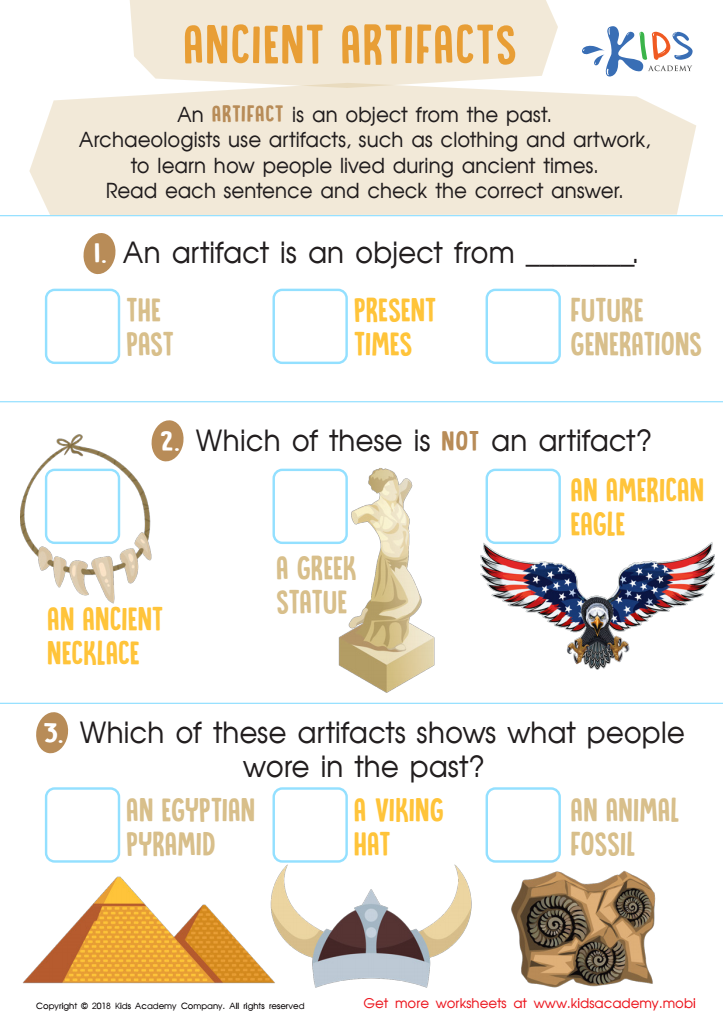
Ancient Artifacts Worksheet
 Assign to My Students
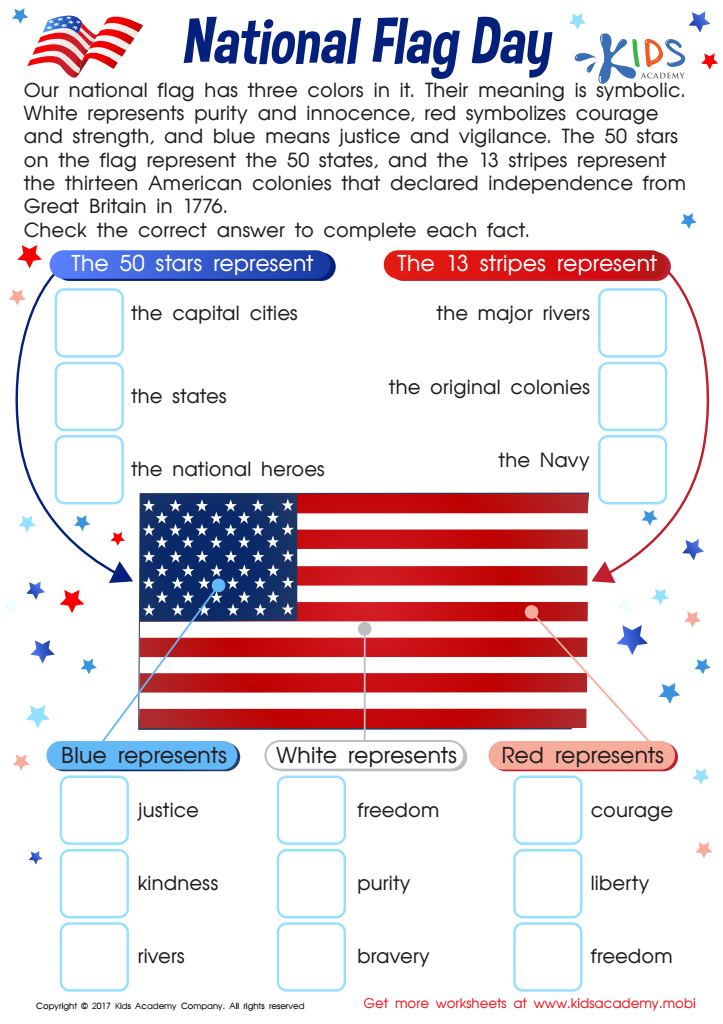
US National Flag Day Worksheet
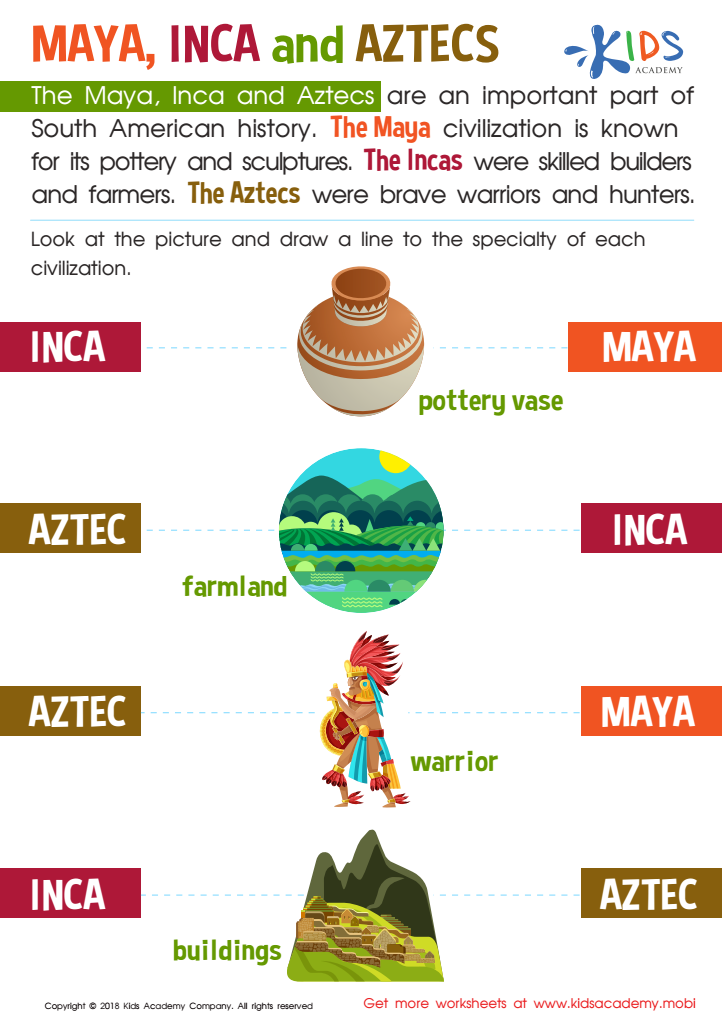
Maya, Inca and Aztecs Worksheet
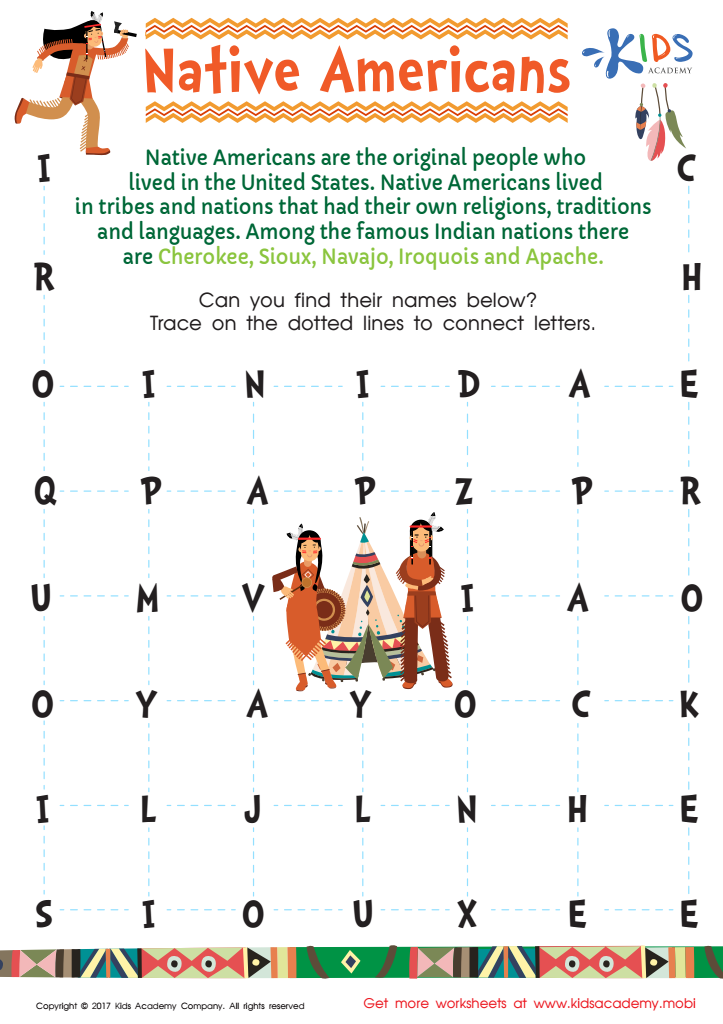
Native American Word Search Printable

Thanksgiving Holiday Printable








Parents and teachers should emphasize cultural awareness and history for young children aged 3-9 because it helps lay the foundation for an inclusive, empathetic, and well-rounded worldview. At this age, children are highly impressionable and curious, making it a perfect period to introduce concepts of diversity, acceptance, and respect for differences.
When children learn about various cultures, traditions, and histories, they begin to understand that the world is a rich tapestry of different perspectives. This awareness fosters empathy and reduces prejudices, helping children to appreciate differences rather than fear or dismiss them. By learning about pivotal historical events and cultural practices from various parts of the world, children can also better appreciate their own heritage and develop a sense of pride in their own identities.
Engaging with cultural awareness activities can enhance children's social skills, such as communicating respectfully and working collaboratively with peers from diverse backgrounds. It also academically enriches children's understanding of the world beyond their immediate surroundings, encouraging critical thinking and better preparing them for the globalized society they will grow up in.
Overall, nurturing cultural awareness and understanding of history in early childhood sets the stage for more inclusive, compassionate, and informed future generations.