Improve reading skills Normal Social Studies Worksheets for Ages 3-9
3 filtered results
-
From - To
Enhance your child's literacy with our engaging reading skills worksheets designed for ages 3-9! Our Normal Social Studies worksheets merge essential social studies concepts with fun reading exercises, ensuring young learners develop both comprehension and critical thinking skills. Each worksheet features age-appropriate content, interactive activities, and colorful illustrations to keep kids motivated and eager to learn. From understanding community roles to exploring cultural diversity, these resources foster a love for reading while promoting social awareness. Perfect for teachers and parents, our worksheets make learning enjoyable and effective, paving the way for brighter futures. Start improving your child's reading skills today!
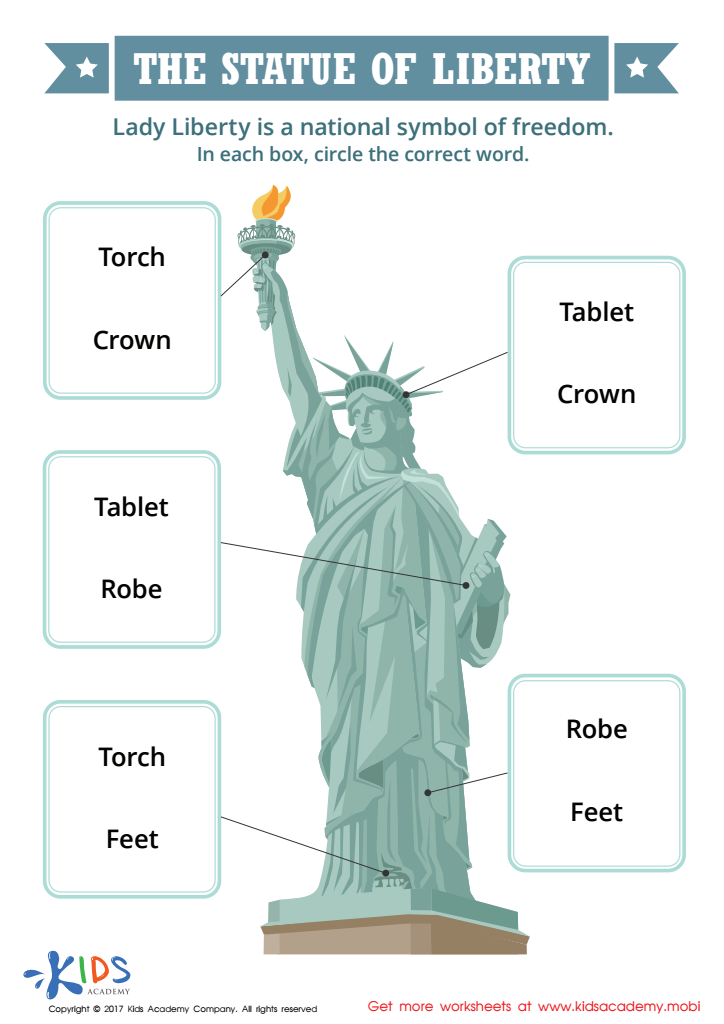
The Statue of Liberty Printable
 Assign to My Students

All Around the Town Worksheet
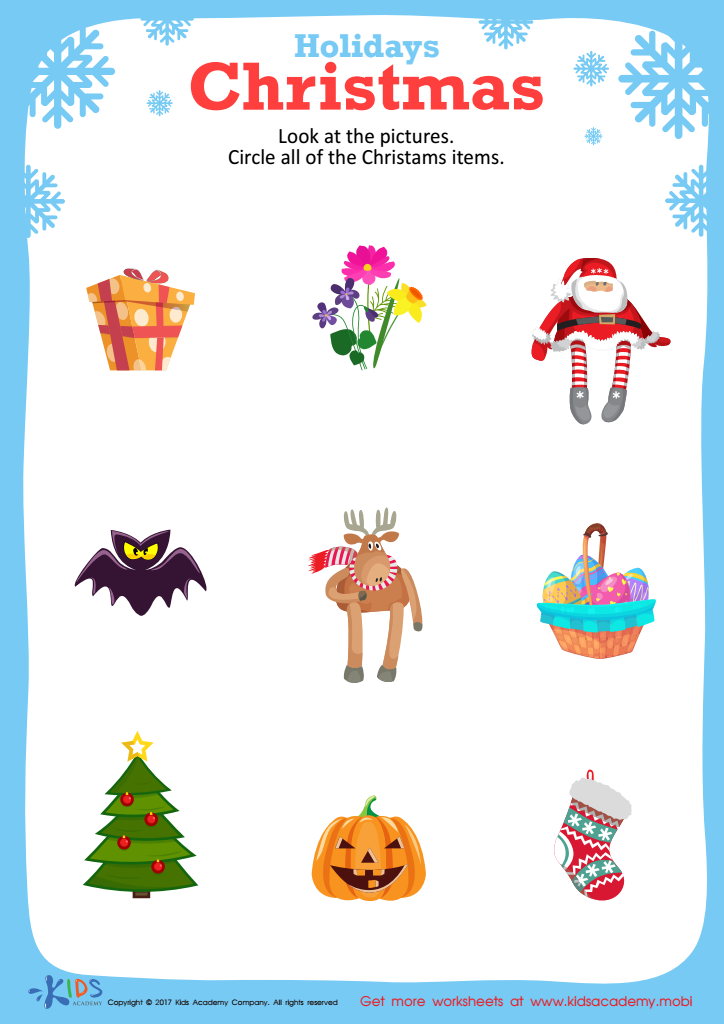
Christmas Holiday Worksheet








Improving reading skills during early childhood, particularly in subjects like Social Studies, is crucial for several reasons. First, reading proficiency lays the foundation for all future learning. For children ages 3-9, effective reading skills not only enhance comprehension but also foster critical thinking about societal themes and concepts, such as community, culture, and history. Social Studies helps children understand their place in the world, promotes informed citizenship, and nurtures empathy towards diverse cultures.
Secondly, reading broadens vocabulary and language skills, which are essential for effective communication. As children engage with Social Studies texts, they encounter a variety of terms and contexts that expand their linguistic repertoire, thus enhancing their overall literacy.
Moreover, fostering an interest in Social Studies through reading can stimulate children's curiosity and engagement with social issues. It can inspire young learners to ask questions about their environment, encouraging a lifetime habit of inquiry and exploration.
Lastly, recent studies indicate that strong literacy skills correlate with improved academic performance across all subjects. For parents and teachers, investing in these early reading abilities ensures that children are well-equipped for future educational challenges and have a broader understanding of the world around them.