Shape Recognition Normal Social Studies Worksheets for Ages 3-9
4 filtered results
-
From - To
Nurture geometric intuition and social awareness with our Shape Recognition Normal Social Studies Worksheets, tailored for kids ages 3-9. Engaging activities effortlessly blend fundamental shape identification with essential social studies concepts. Young learners encounter a variety of exercises designed to enhance shape recognition, spatial reasoning, and real-world context understanding. Our worksheets support foundational skills in a fun, educational manner, making learning shapes enjoyable and meaningful. Perfect for both classroom and homeschool settings, these printable resources ensure your child gains the confidence and skills needed for academic success. Experience the joy of learning with Kids Academy!
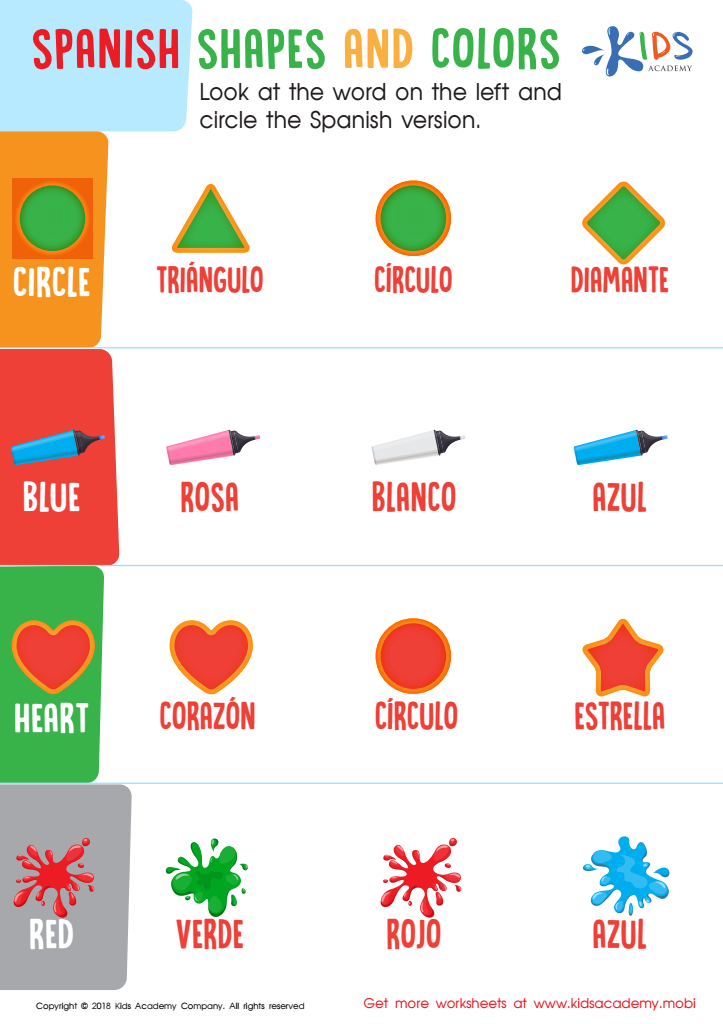
Spanish Shapes and Colors Worksheet
 Assign to My Students
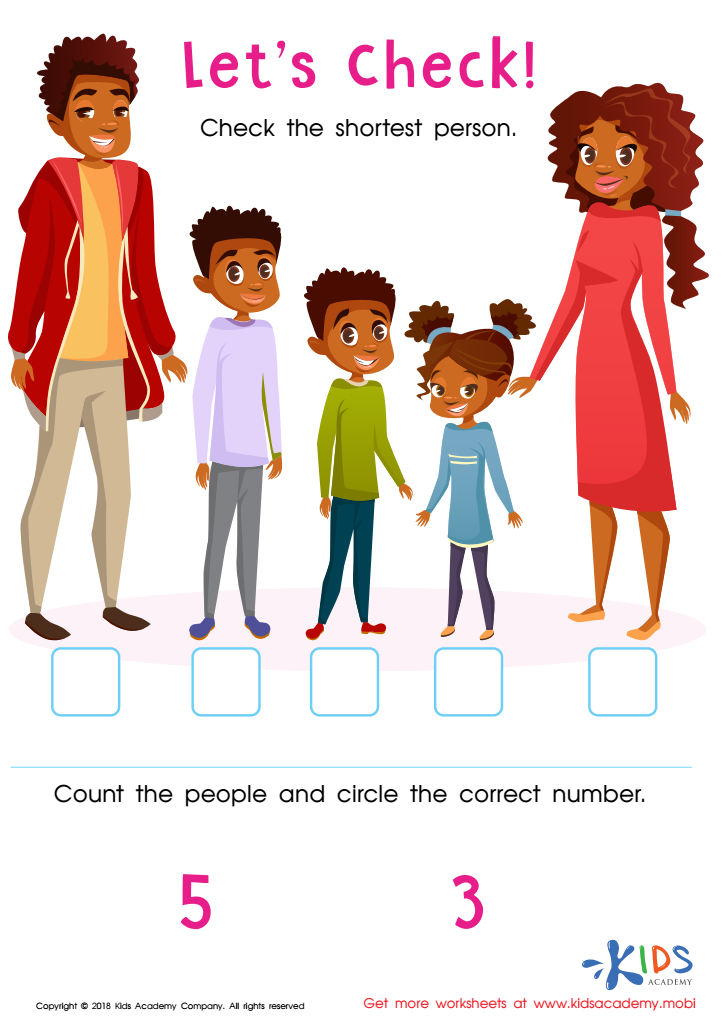
Let's Check! Assessment Worksheet

Playground Worksheet
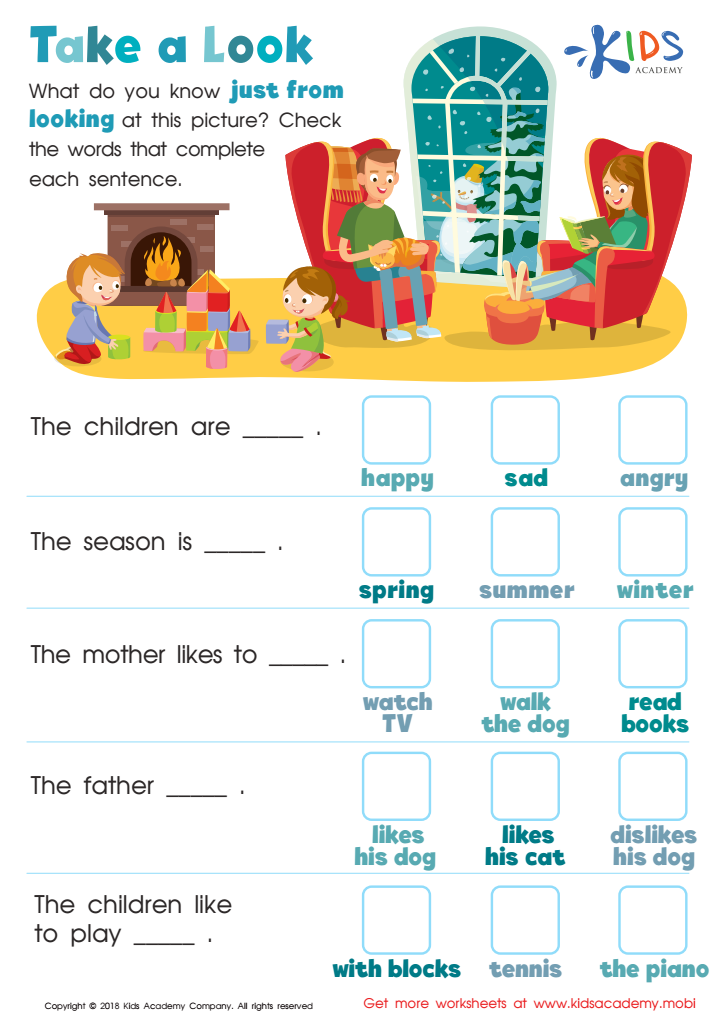
Take a Look - Part 1 Worksheet







.jpg)
Shape recognition is an essential skill for young children, typically in the age range of 3 to 9 years, and plays a significant role in early development and learning. Parents or teachers should care about shape recognition for several important reasons:
First, shape recognition enhances cognitive development. Identifying and understanding shapes require children to use their brain in new ways, aiding the development of memory, organization, and categorization skills. Recognizing and naming shapes also build a strong foundation for mathematical concepts. Shapes are the building blocks of geometry, which is a part of common core educational curriculum. Understanding shapes helps children in better grasping numbers and spatial reasoning, crucial for future math success.
Second, shape recognition supports language development. When children learn the names of shapes, they expand their vocabulary and communication skills. Describing and talking about shapes provides opportunities for interactive conversations, enhancing their descriptive language abilities.
In addition, social studies education for this age group often involves recognizing symbols, which typically includes geometric shapes. Understanding these symbols is important for interpreting maps, signs, and other socially relevant visuals.
Overall, early shape recognition is instrumental in interconnecting cognitive, language, and social skills, providing a balanced approach that fosters comprehensive early childhood development. Parents and teachers facilitating such foundational skills set the stage for lifelong learning and academic achievement.