Spatial awareness Normal Social Studies Worksheets for Ages 3-9
6 filtered results
-
From - To
Improve your child's spatial awareness with our Normal Social Studies Worksheets, designed for ages 3-9. These engaging, age-appropriate activities enhance critical thinking, geography skills, and understanding of spatial concepts such as direction, location, and distance. Perfect for focused educational sessions, the worksheets include interactive exercises like mazes, mapping, and puzzles tailored to meet developmental milestones. Foster curiosity and promote cognitive growth in a fun, explorative way. Discover the perfect blend of education and excitement with our expertly curated resources to help your young learner navigate and understand the world around them.
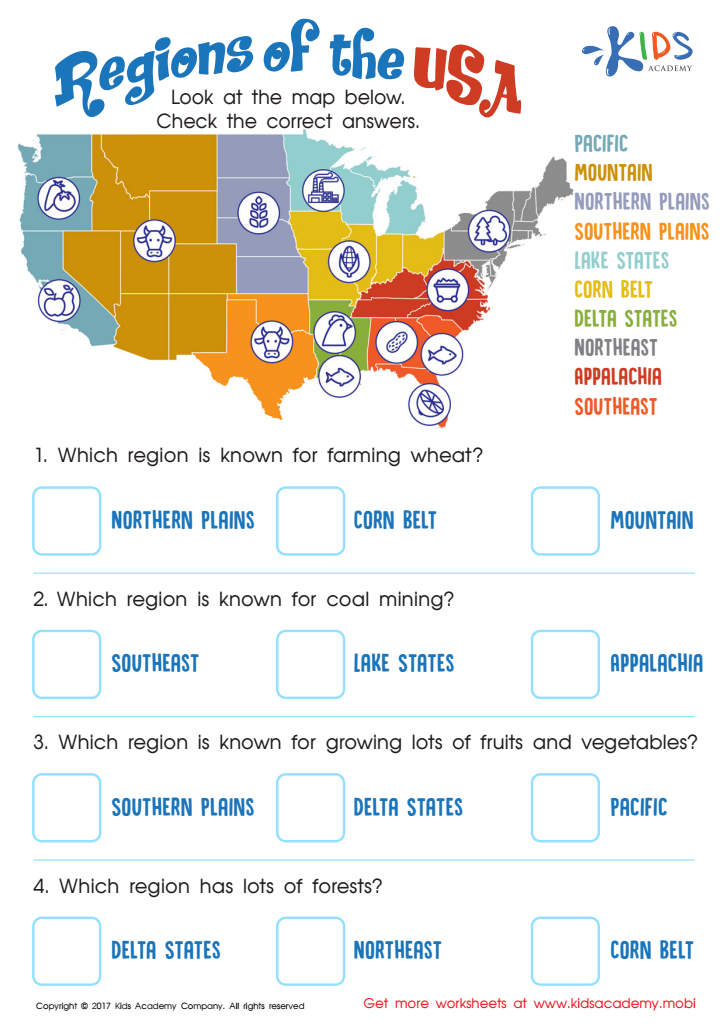
Regions of the USA Worksheet
 Assign to My Students
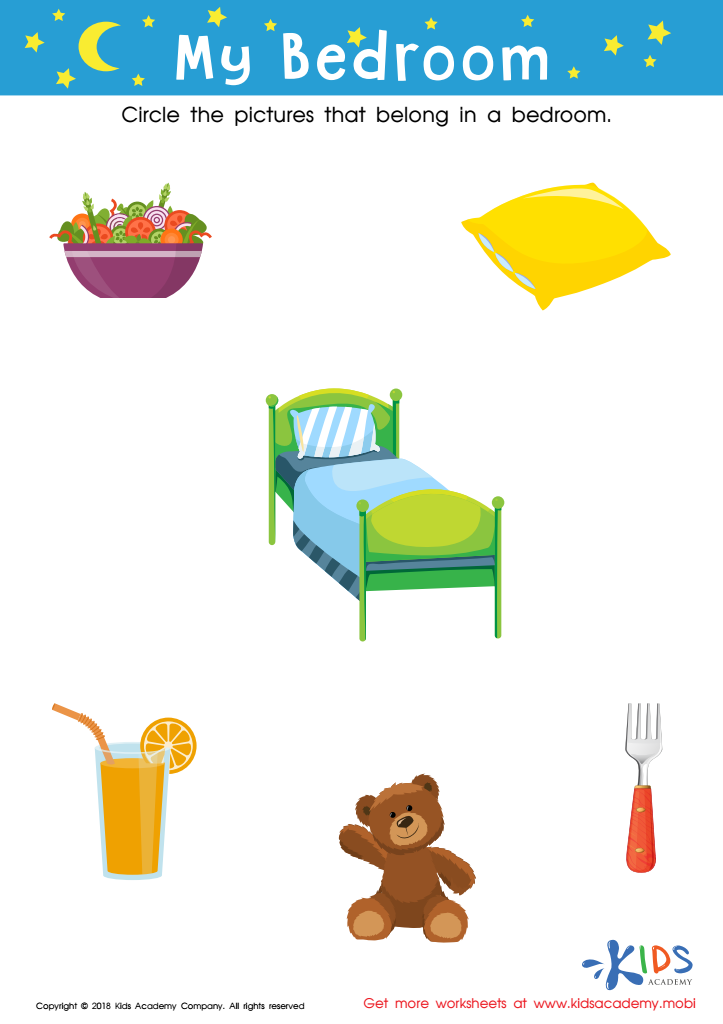
My Bedroom Worksheet
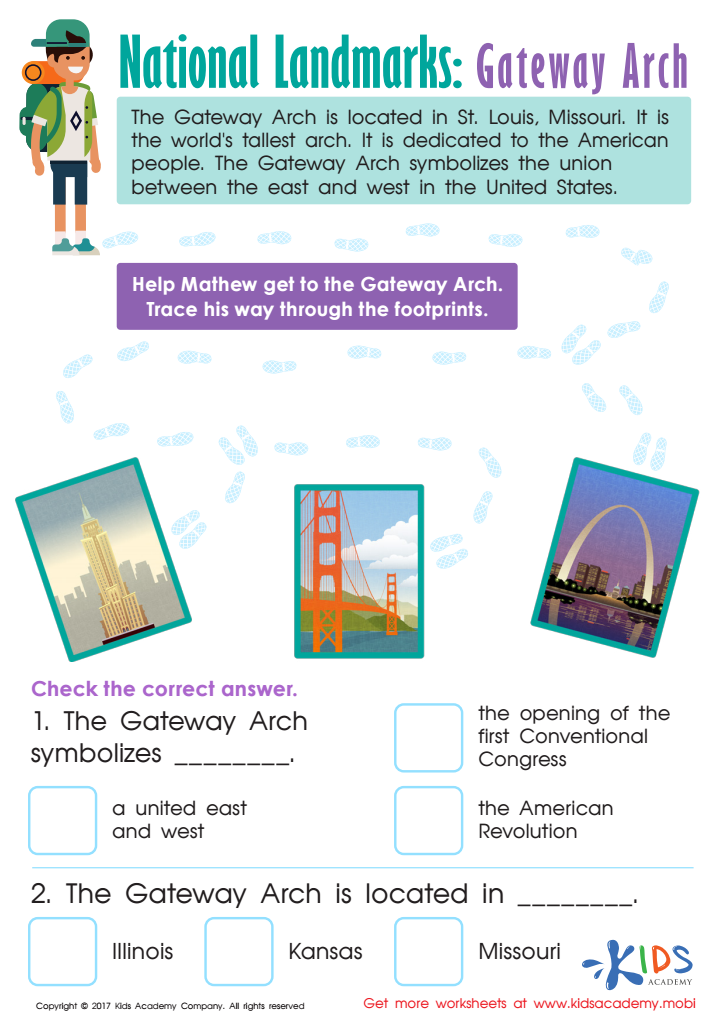
Gateway Arch Printable Worksheet
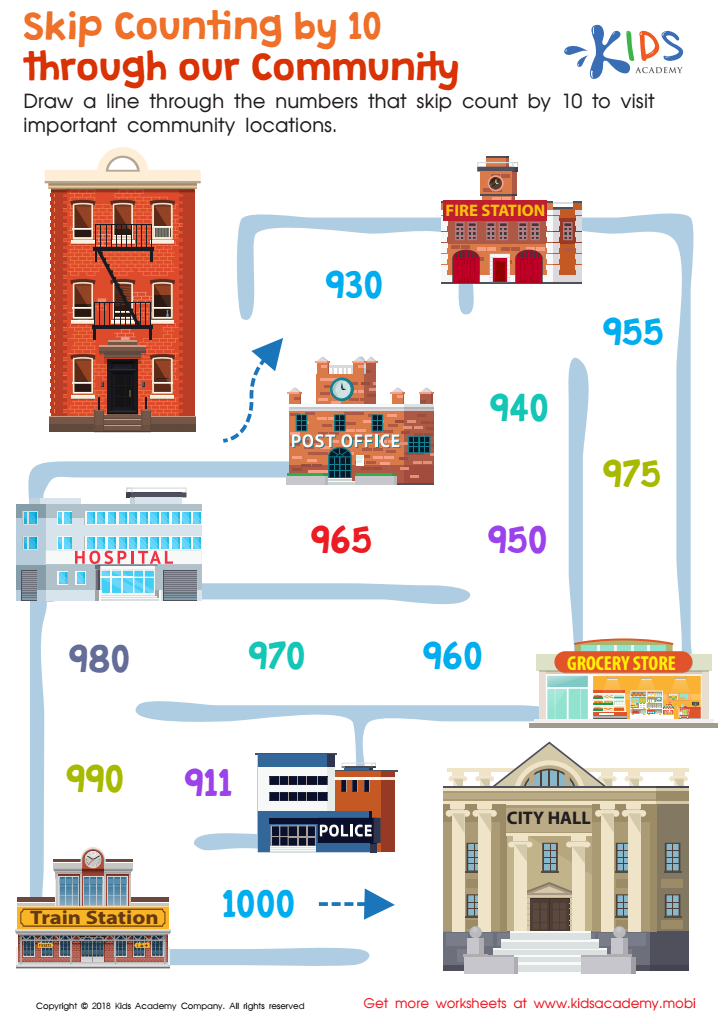
Skip Counting by 10 Through Our Community Worksheet
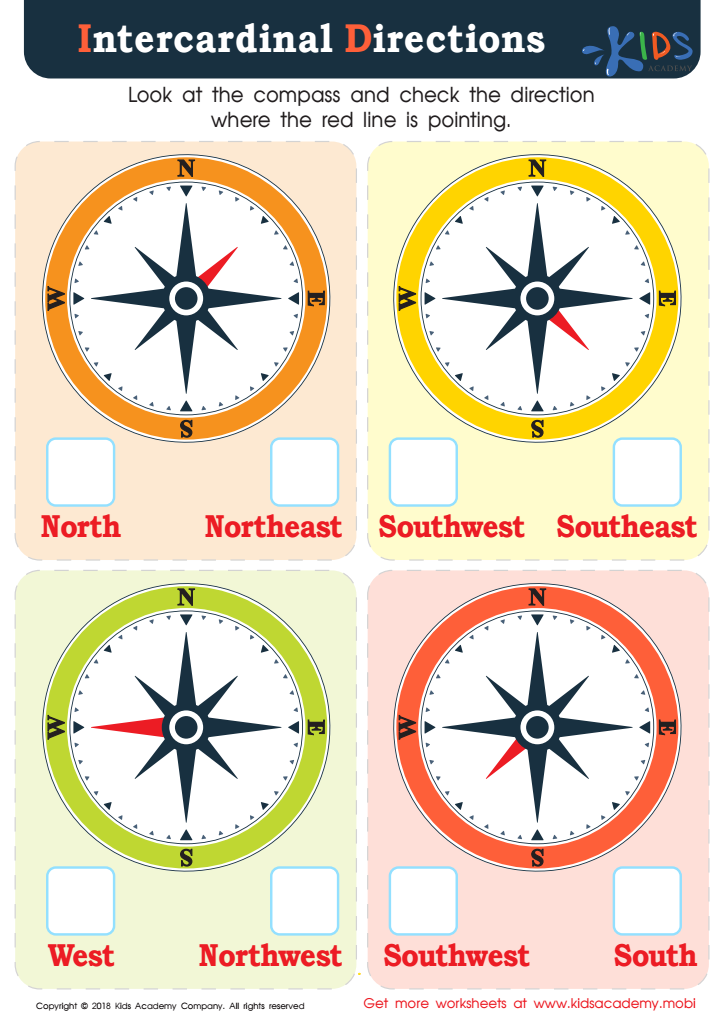
Intercardinal Directions Worksheet
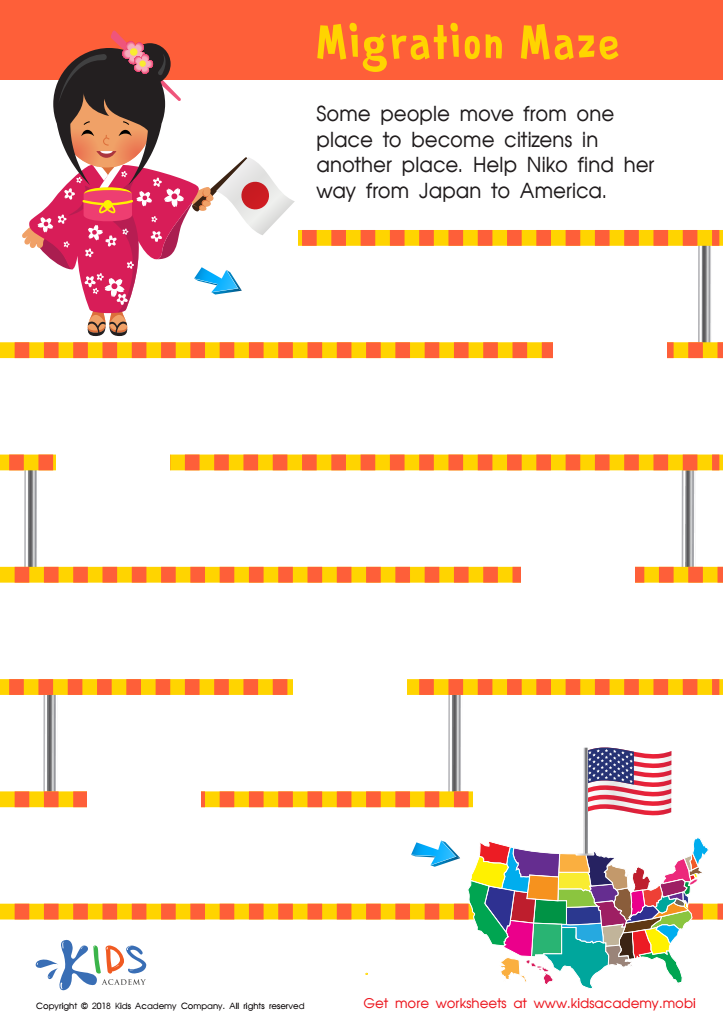
Migration Maze Worksheet







.jpg)
Spatial awareness is a crucial cognitive skill that impacts a child's ability to understand and interact with the space around them. For children ages 3-9, developing spatial awareness is key in both academic and everyday life contexts. Parents and teachers should particularly care about this because it's foundational for success in several important areas.
Firstly, spatial awareness enhances problem-solving abilities. Activities like puzzles and block building develop a child for complex tasks, including math and science, which are core academic subjects later on. Understanding shapes, sizes, and positions strengthens children's capability to grasp geometry and visual-spatial problems, paving the way for STEM learning.
Additionally, fostering these skills in social studies helps children understand maps, geography, and the physical layout of communities. By learning concepts such as near/far, high/low, and above/below, children form mental pictures of their environment, aiding in navigation and understanding their place in the world.
Furthermore, good spatial awareness enhances physical coordination. This is vital for everyday activities and sports, impacting overall health and well-being. It also contributes to a child's independence in tasks like dressing, packing school bags, and organizing items.
In summary, prioritizing spatial awareness from ages 3-9 aids in cognitive development, academic success, coordination, and practical life skills, making it an essential focus for parents and teachers alike.








