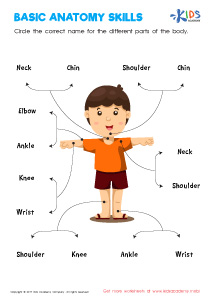
Cultural awareness Normal World Around Us Worksheets for Ages 3-9
3 filtered results
-
From - To
Introducing our "Cultural Awareness: Normal World Around Us Worksheets for Ages 3-9." These engaging worksheets foster cultural understanding and appreciation through fun, age-appropriate activities. Designed for young learners, they explore diverse cultures, traditions, and customs, promoting inclusivity and empathy. Ideal for classrooms and at-home learning, these worksheets enhance critical thinking and global awareness while keeping children entertained and curious. Help your child or student celebrate diversity and develop a well-rounded world view with our thoughtfully designed resources. Perfect for children from preschool to early elementary, these activities make learning about the world around us both enlightening and enjoyable.
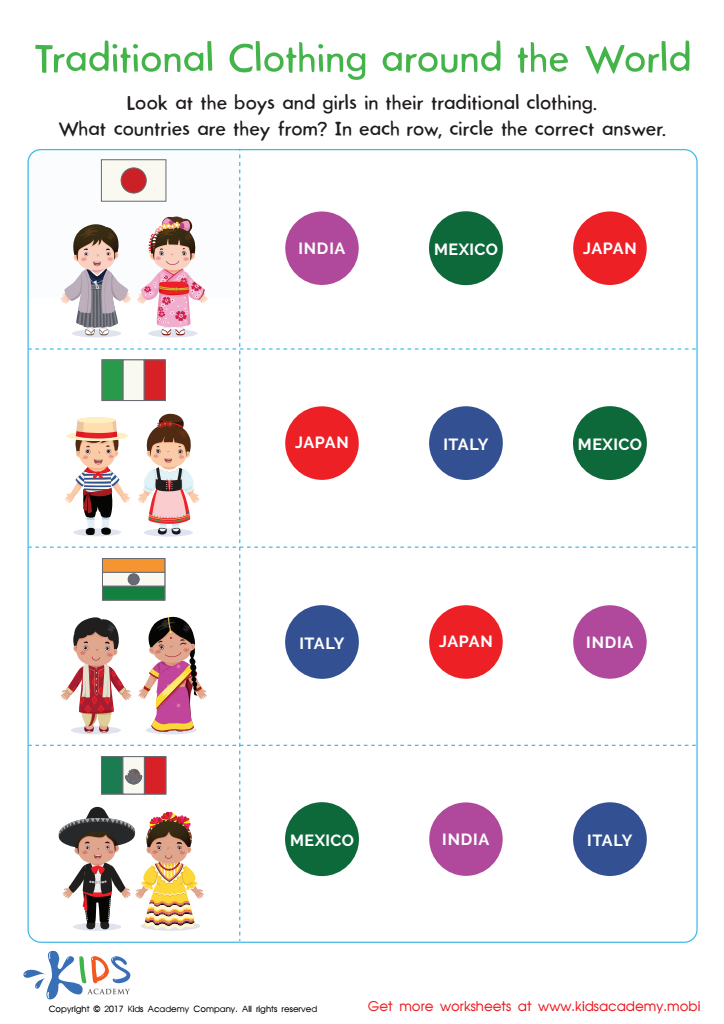
Traditional Clothing Worksheet
 Assign to My Students
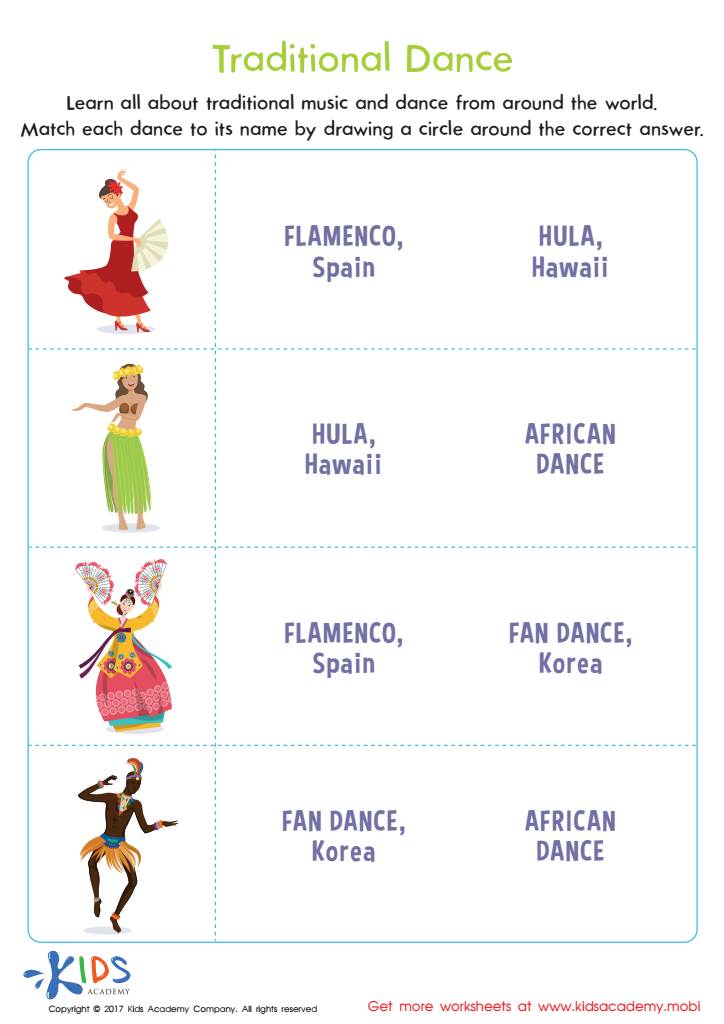
Traditional Dance Printable
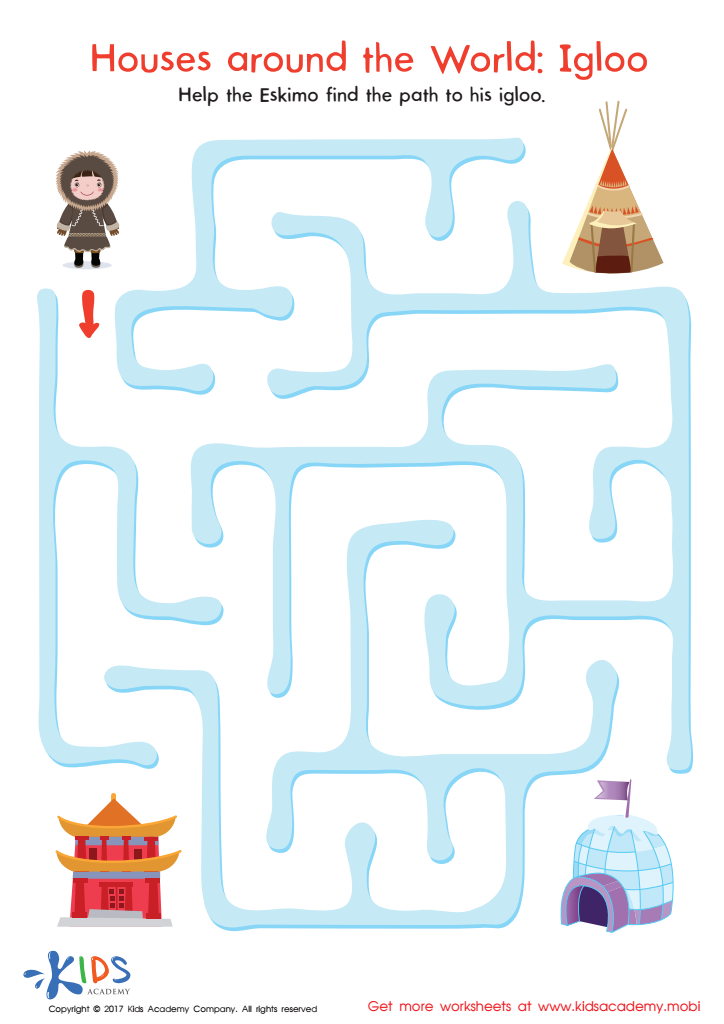
Houses Around the World: Igloo Printable



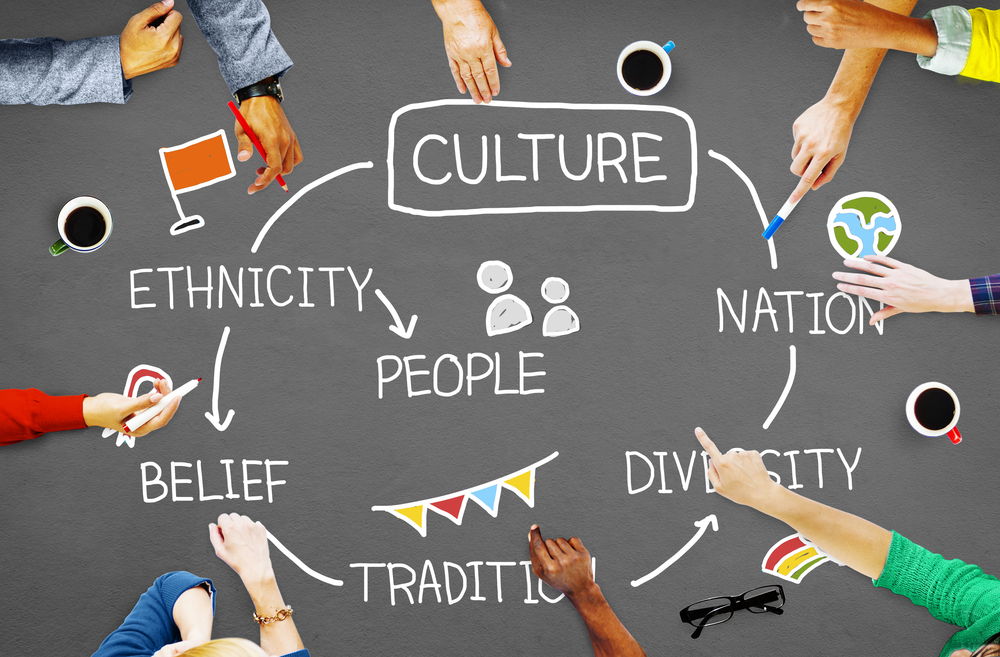



Parents and teachers play a vital role in fostering cultural awareness in children aged 3-9, a crucial period for cognitive and social development. Introducing children to the normal, diverse world around them prepares them to appreciate, respect, and thrive in a multicultural society. These early lessons in cultural awareness foster open-mindedness and empathy, equipping young minds to value differences and similarities between people.
This effort enhances social skills and helps prevent prejudice. Children who are culturally aware are less likely to develop biases and more likely to form inclusive social circles. Moreover, understanding various cultural backgrounds nurtures curiosity and broadens their worldview, setting them up for better problem-solving skills and creativity as these skills flourish with exposure to different perspectives.
In the classroom and beyond, promoting cultural awareness enriches the learning experience by bringing multiple viewpoints into discussions, enhancing critical thinking. It creates a safe, welcoming environment where all children feel seen and valued, which is essential for emotional development.
Ultimately, cultural awareness prepares children to become global citizens who are tolerant, compassionate, and ready to positively contribute to their communities. This foundational competence is not just beneficial for academic achievement but is vital for harmonious coexistence in a diverse world.