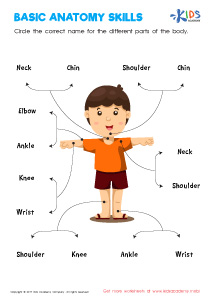
Vocabulary development Normal World Around Us Worksheets for Ages 3-9
3 filtered results
Difficulty Level
Grade
Age
-
From - To
Subject
Activity
Standards
Explore our engaging "Vocabulary Development World Around Us Worksheets," designed for ages 3-9! These worksheets focus on enhancing children’s language skills by introducing them to everyday concepts. They will learn the names of familiar objects, places, and activities within their environment. Interactive and colorful activities stimulate learning while making vocabulary acquisition fun. Perfect for parents and educators, these worksheets support language development, comprehension, and expression. Whether at home or in the classroom, they cater to different learning styles and promote essential communication skills in young learners. Start building your child's vocabulary today with our thoughtfully crafted worksheets!
Favorites
With answer key
Interactive
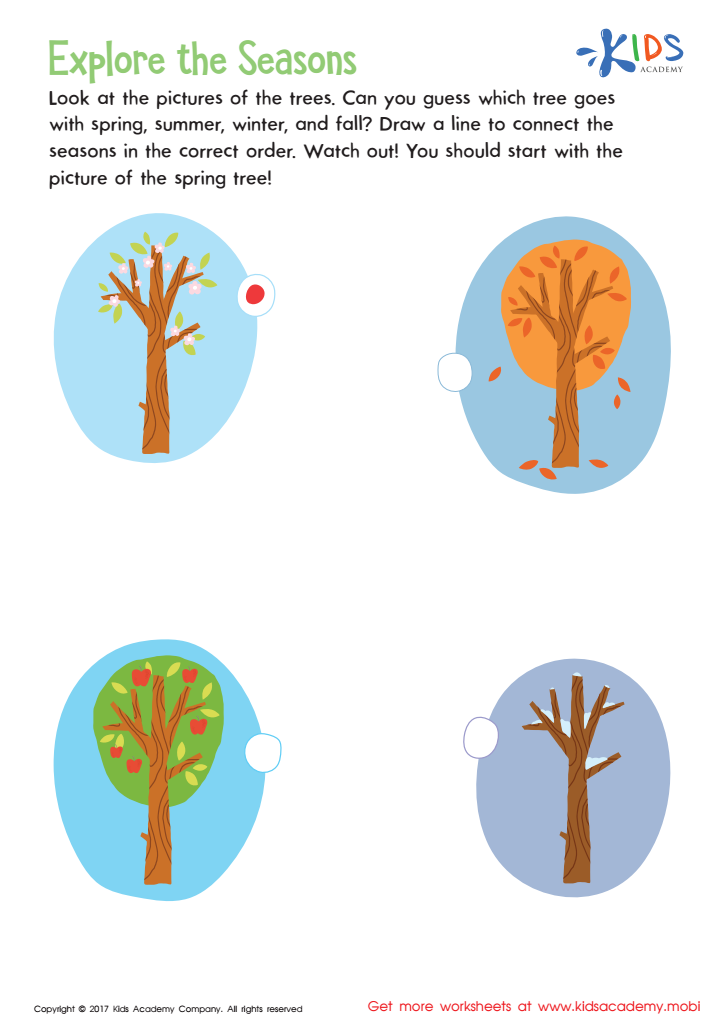
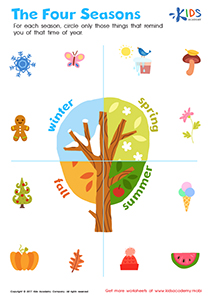
Explore the Seasons Worksheet
Introduce kids to the abstract concept of time with the explore the seasons printable. It helps build logical reasoning and problem-solving skills while teaching how trees change with the weather. Plus, it lets kids make real-life connections to what they're learning. So have them recall the seasons that have passed this year and prepare to be amazed!
 Assign to My Students
Explore the Seasons Worksheet
Worksheet
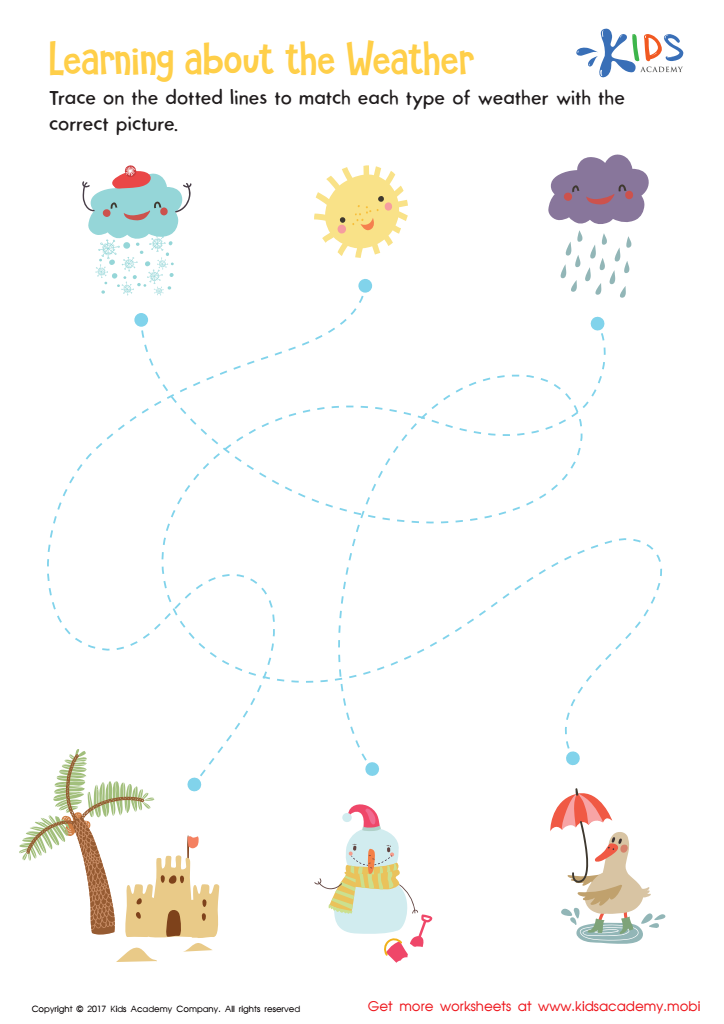
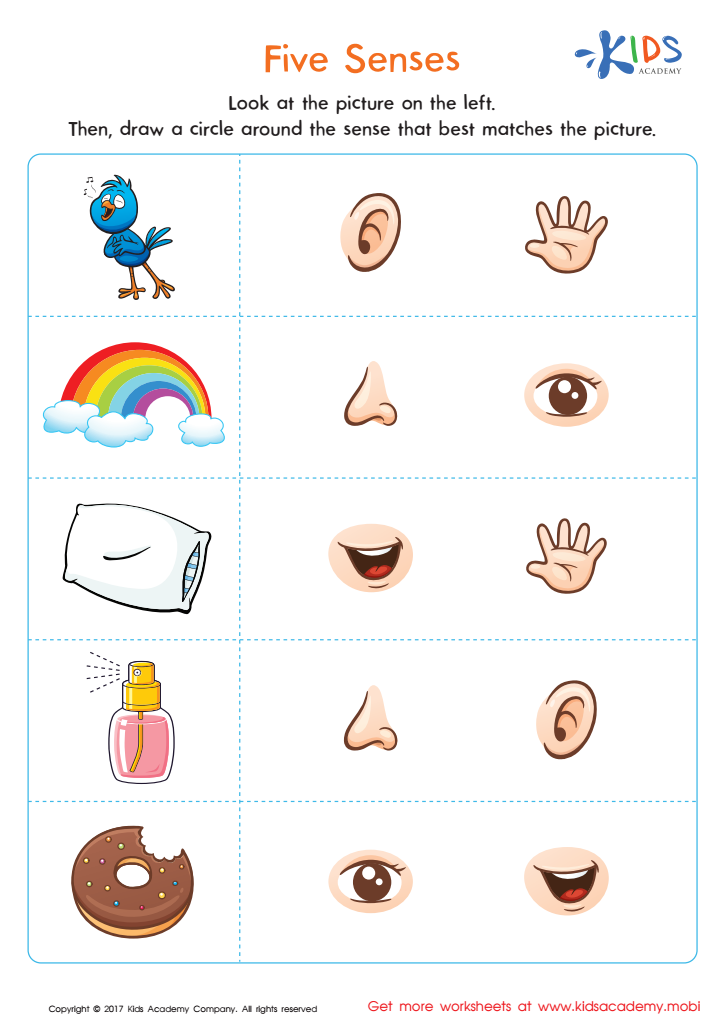
Five Senses Printable
For an easy way to jumpstart your child's critical thinking and introduce the five senses, print our free worksheets! These are great for reviewing each sense and practicing critical thinking skills. Work with your child and discuss each image. After completing the worksheet, find objects around the house so they can quiz themselves!
Five Senses Printable
Worksheet
Join Kids Academy for Free
Who is primarily going to use this learning content?








Vocabulary development is crucial for children aged 3-9 as it lays the foundation for effective communication, cognitive skills, and overall academic success. During these formative years, children's brains are exceptionally receptive to language. A robust vocabulary enables them to express thoughts and emotions, enhancing social interactions and relationships. It supports reading comprehension, as children must understand words to grasp the meaning of what they read.
In a rapidly changing world, having a diverse vocabulary helps children articulate their experiences and curiosities, fostering critical thinking and creativity. Parents and teachers play complementary roles in this process. Parents can integrate rich vocabulary into daily conversations and activities, exposing children to various contexts and experiences.
Teachers reinforce this development in structured settings, using targeted exercises, group discussions, and interactive storytelling to bring words to life. Both environments—home and school—should promote a love for language through play, songs, and reading together.
Supporting vocabulary growth is an investment in children’s futures, equipping them to navigate academic challenges and social dynamics successfully. Thus, emphasizing vocabulary development should be a shared priority for parents and teachers alike, ensuring children are well-prepared to communicate and engage with the world around them.