Spelling practice Normal Grammar Worksheets for Ages 3-9 - Page 2
32 filtered results
-
From - To
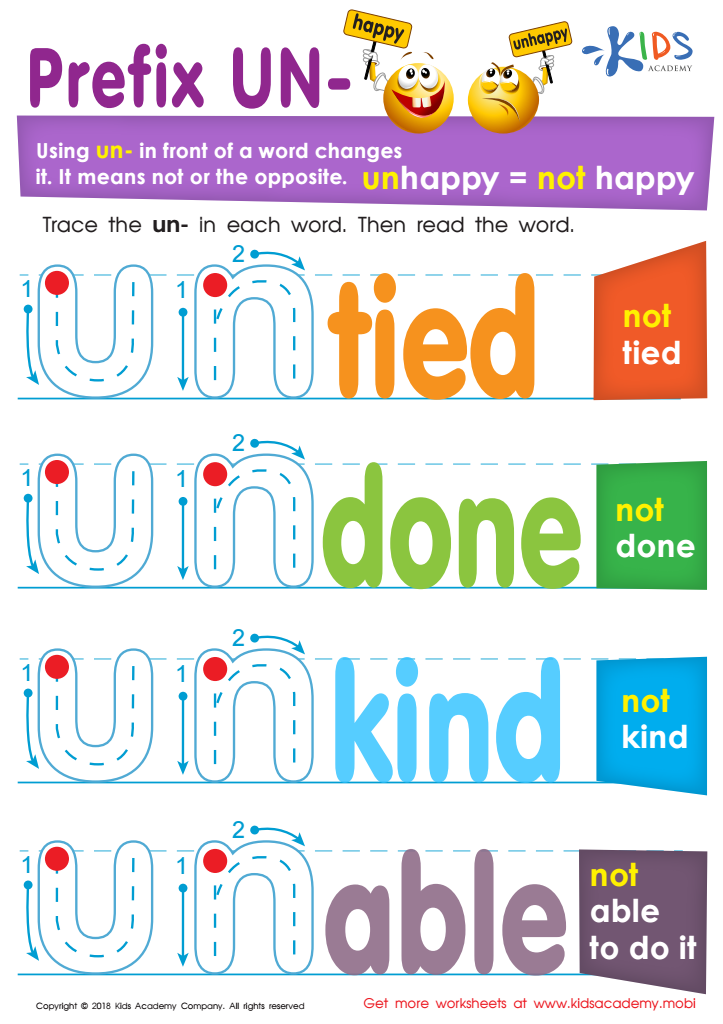
Prefix Un- Worksheet
 Assign to My Students
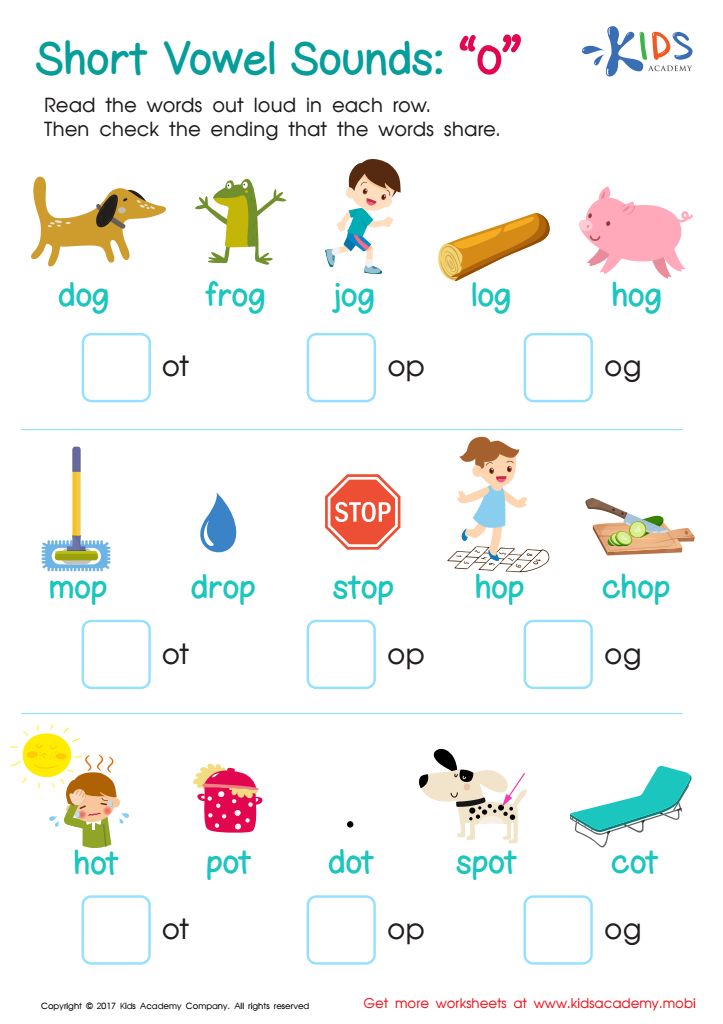
Short vowel Sounds "o" Spelling Worksheet
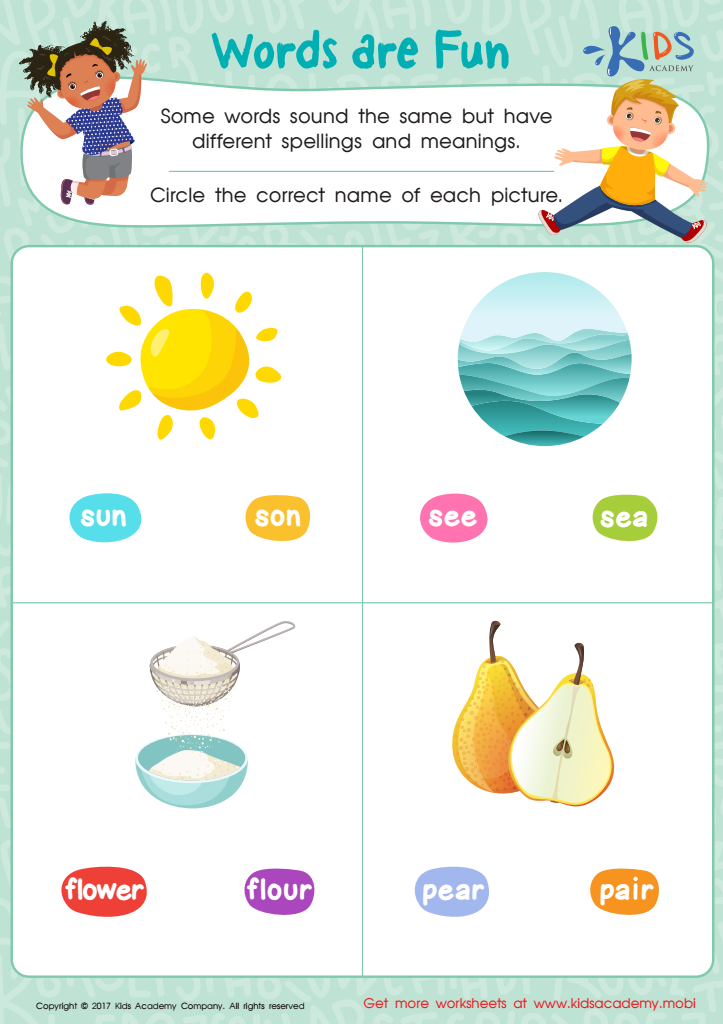
Words Are Fun Worksheet
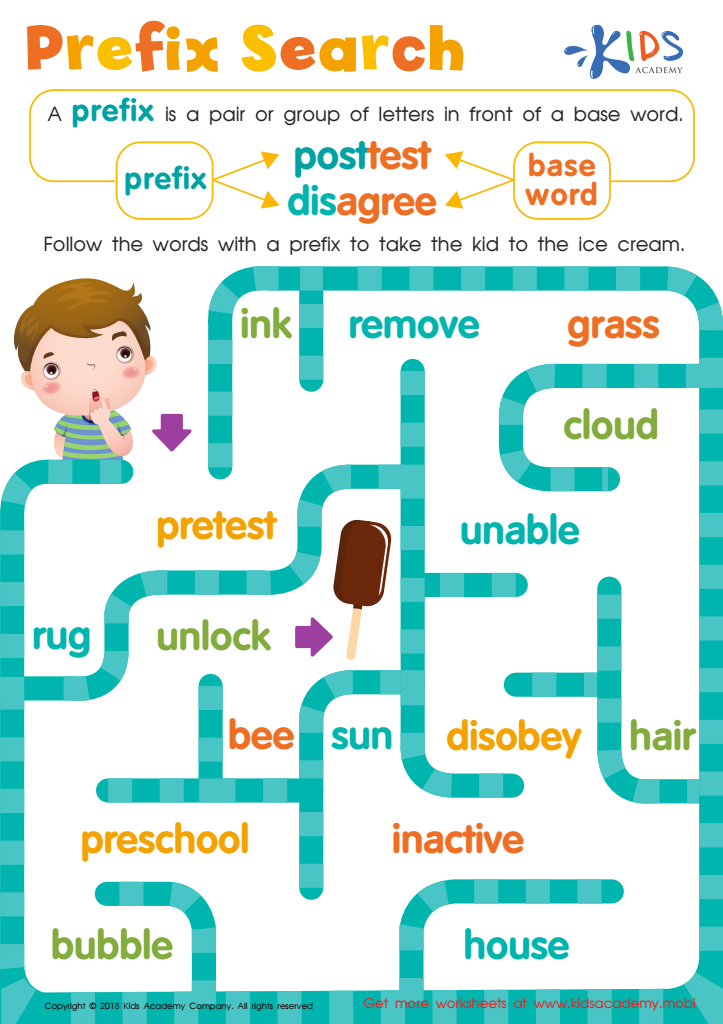
Reading: Prefix Search Worksheet
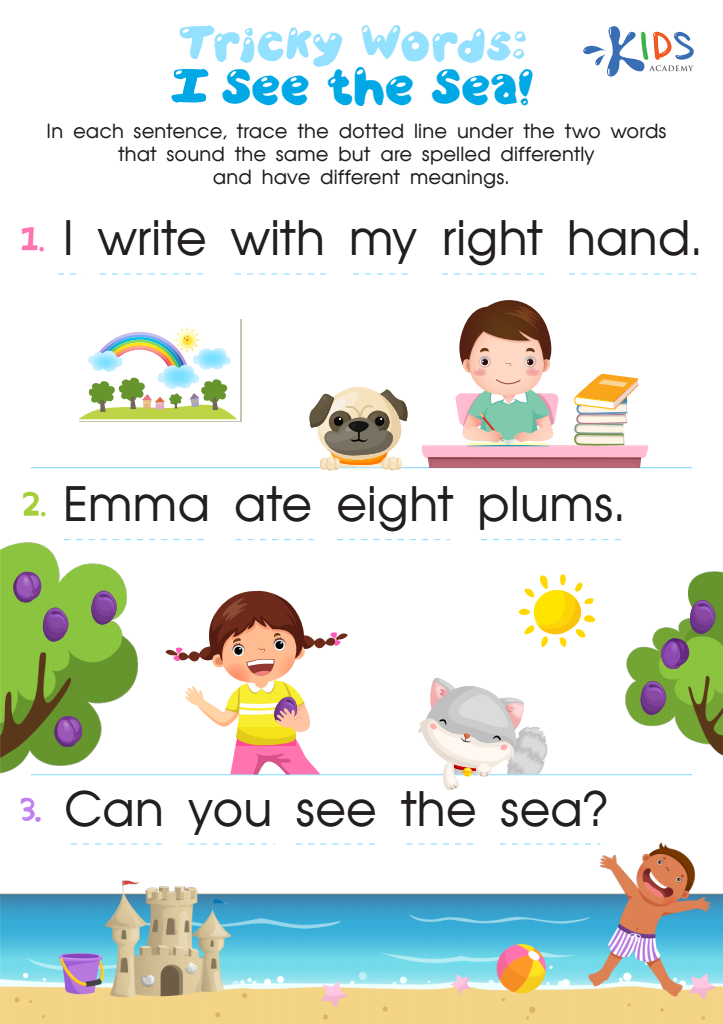
Tricky Words Worksheet
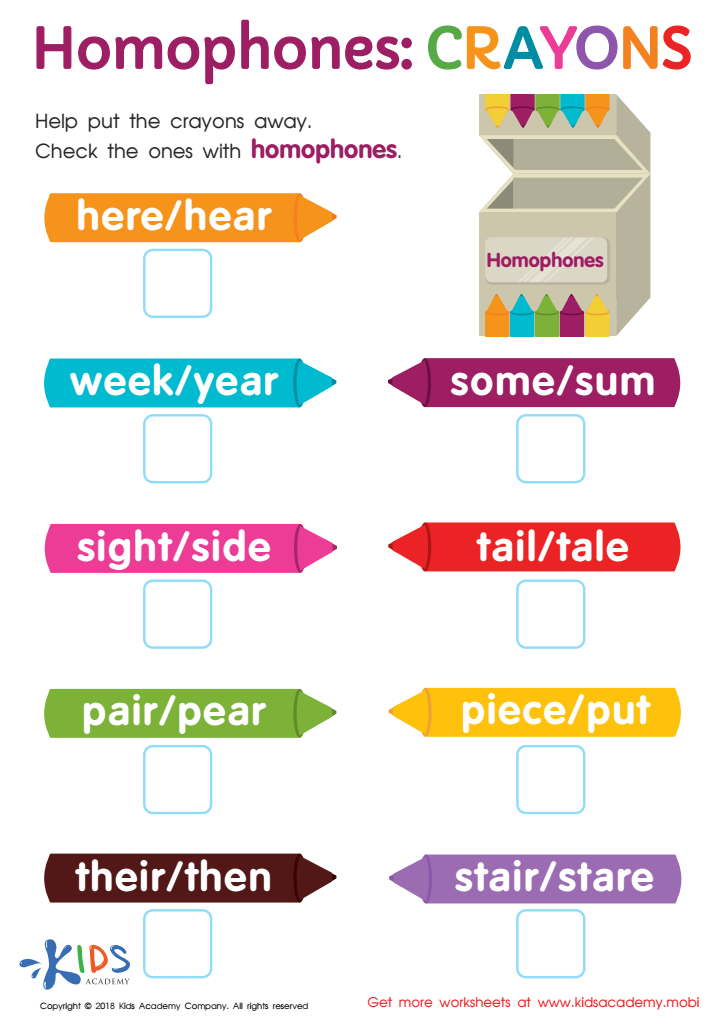
Homophones: Crayons Worksheet
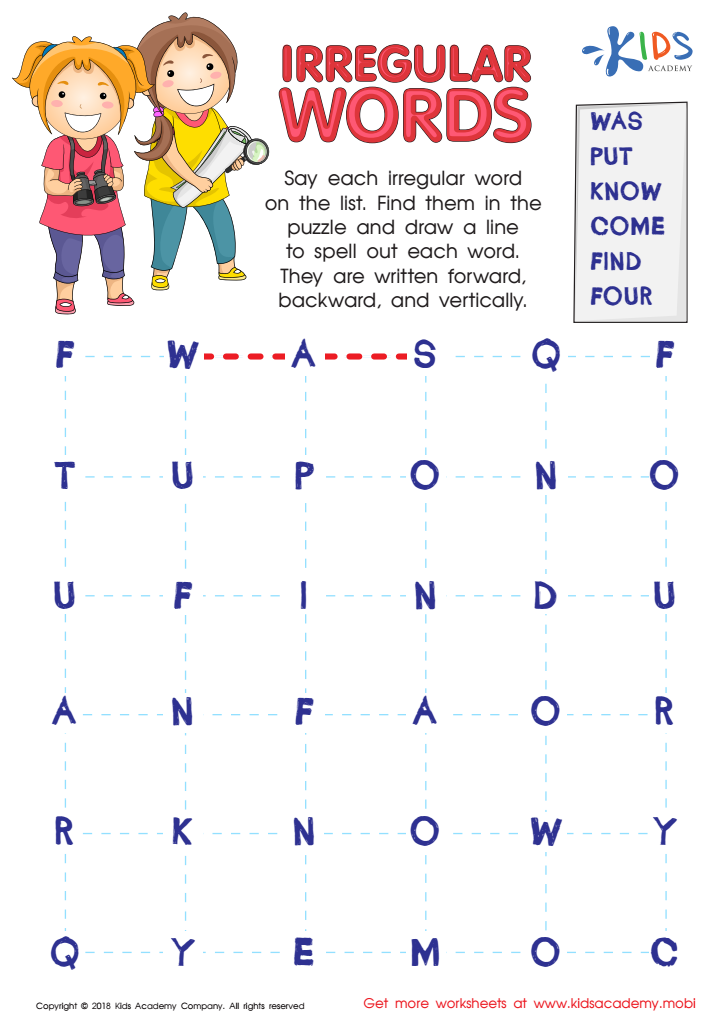
Irregular Words Worksheet




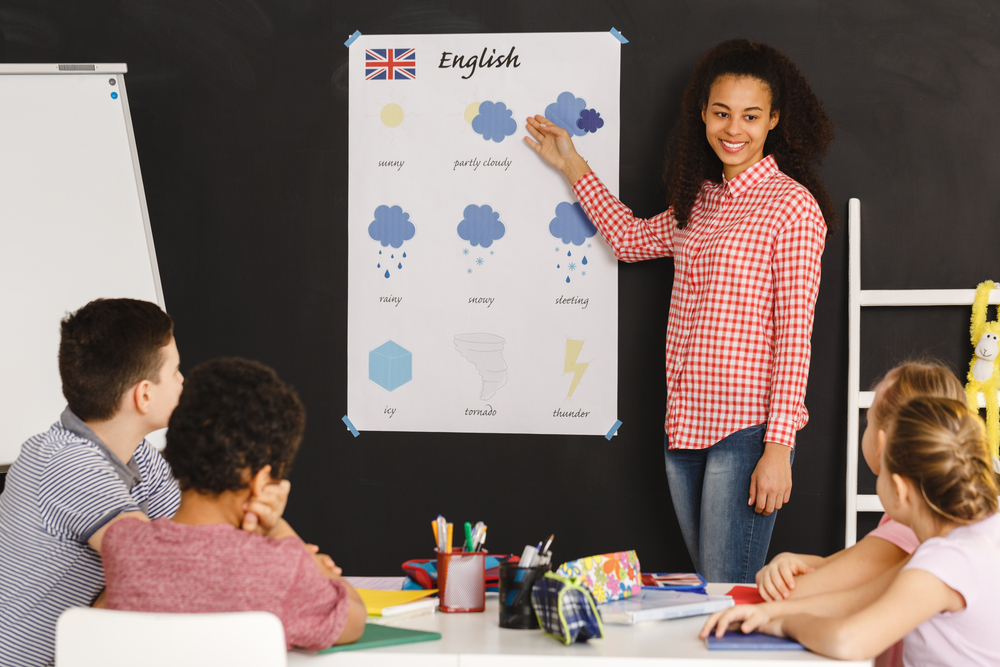


Spelling practice is crucial for children aged 3-9 because it lays the foundation for effective communication and literacy skills. During early development, children's brains are particularly receptive to language acquisition. Engaging in spelling practice can enhance their vocabulary, reinforce phonetic skills, and improve reading comprehension.
For parents and teachers, investing time in spelling instruction promotes confidence in children's abilities to express themselves clearly. This age group typically enjoys interactive learning activities that can make spelling more enjoyable. Games, rhymes, and visual aids can turn spelling into a fun challenge, fostering a positive attitude toward learning.
Moreover, consistent spelling practice promotes cognitive development by encouraging memory retention and the ability to recognize patterns in language. As children learn to spell, they also develop critical thinking skills by deciphering word structures and meanings.
Additionally, early spelling knowledge is linked to future academic success. As students progress in their education, spelling proficiency becomes essential for writing essays, completing assignments, and participating in assessments effectively. by nurturing spelling skills in early childhood, parents and teachers set the stage for lifelong learning and communication proficiency, ultimately empowering children in both their academic and personal lives.