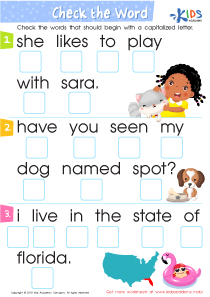
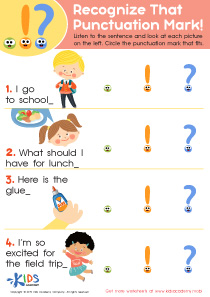
Spelling practice Normal Writing Worksheets for Ages 3-9 - Page 2
39 filtered results
-
From - To
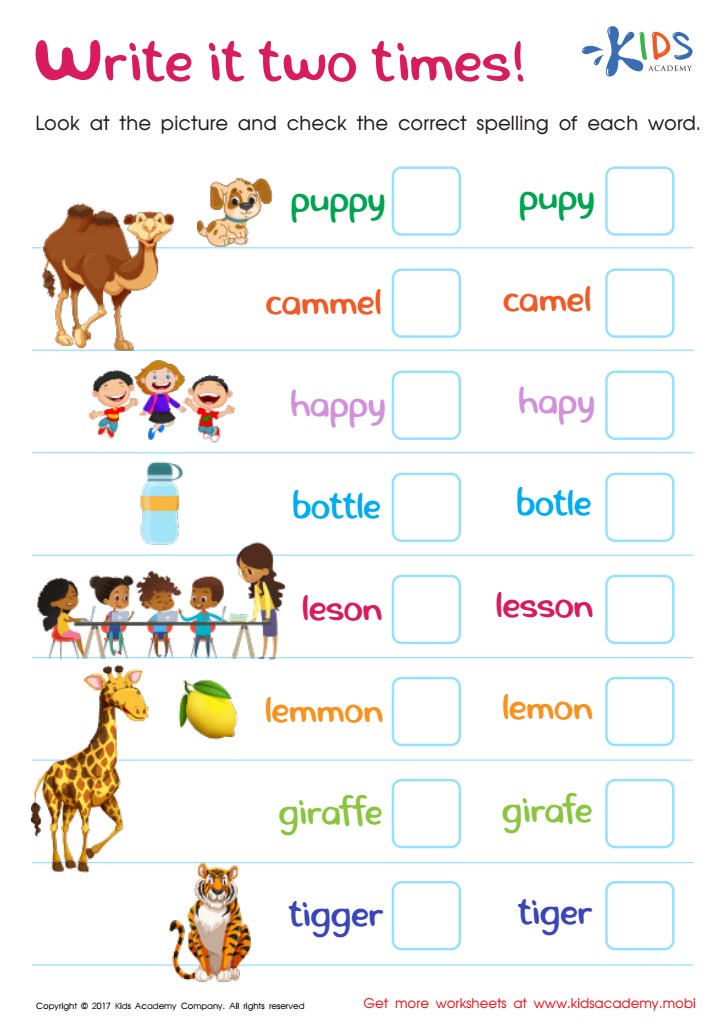
Spelling Practice Worksheet
 Assign to My Students
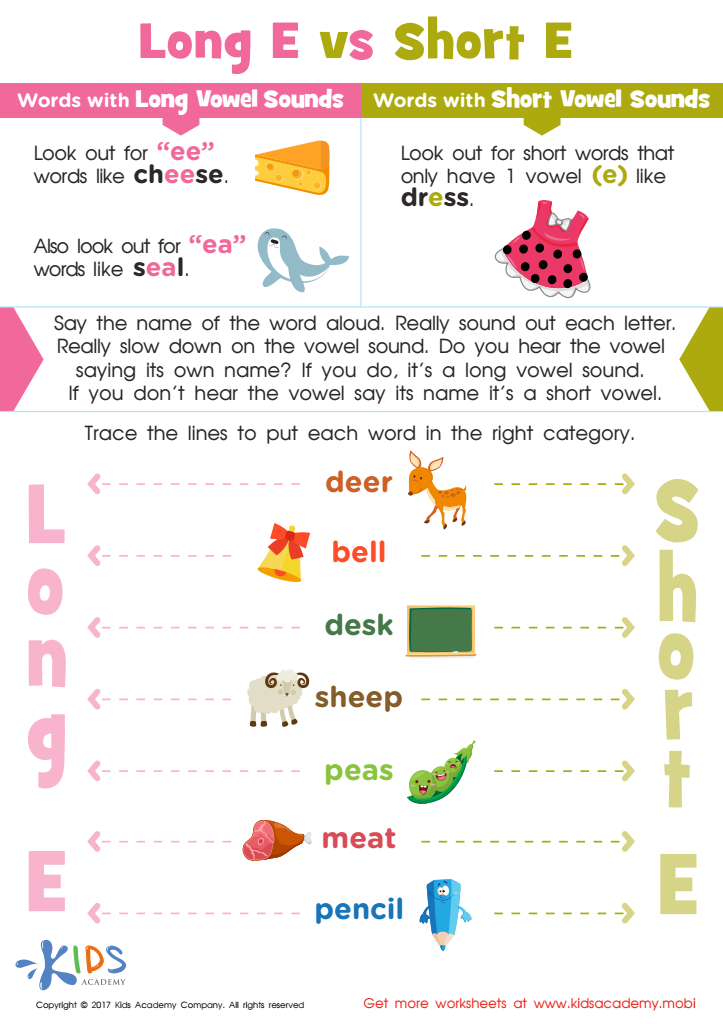
Long and Short Vowel E Spelling Worksheet
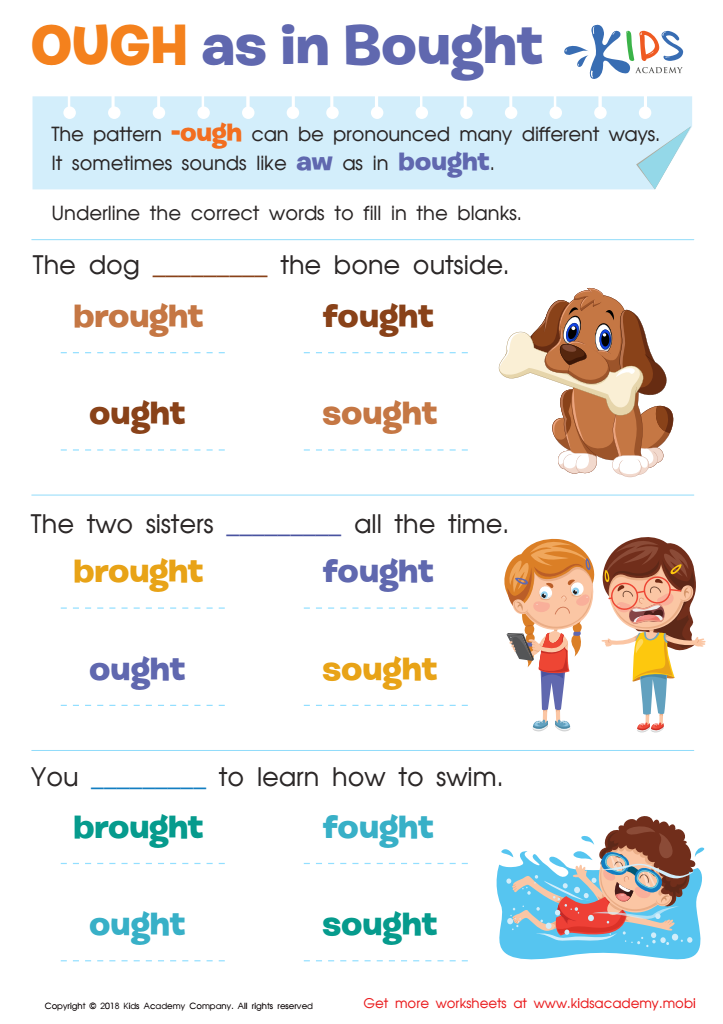
OUGH as in Bought Worksheet
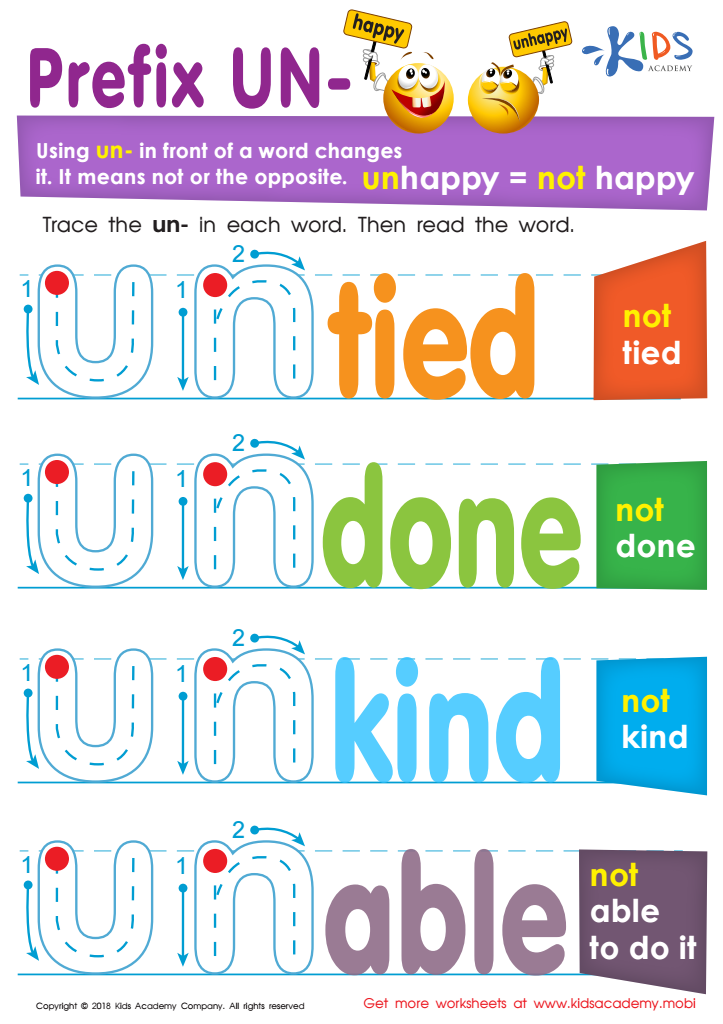
Prefix Un- Worksheet
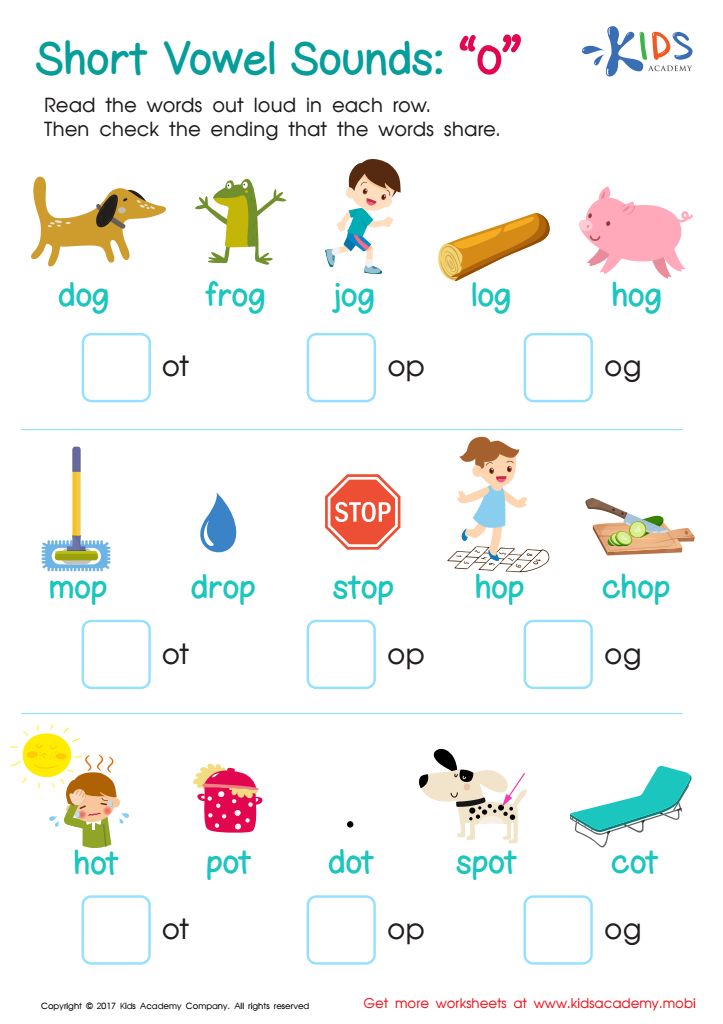
Short vowel Sounds "o" Spelling Worksheet
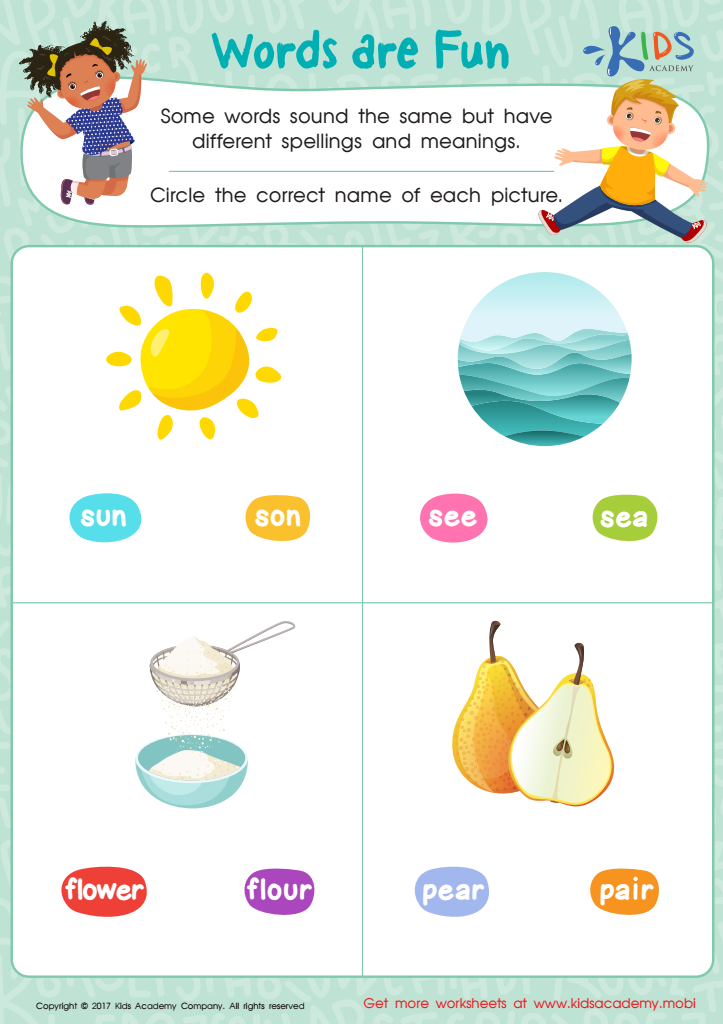
Words Are Fun Worksheet
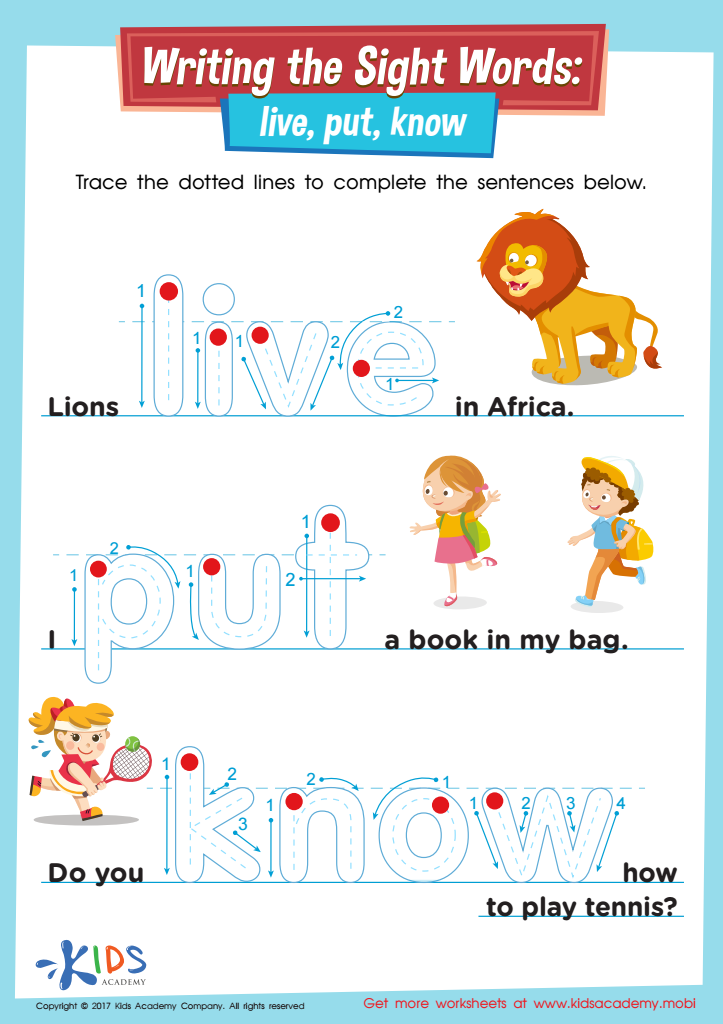
Live, Put, Know Printable Sight Words Worksheet
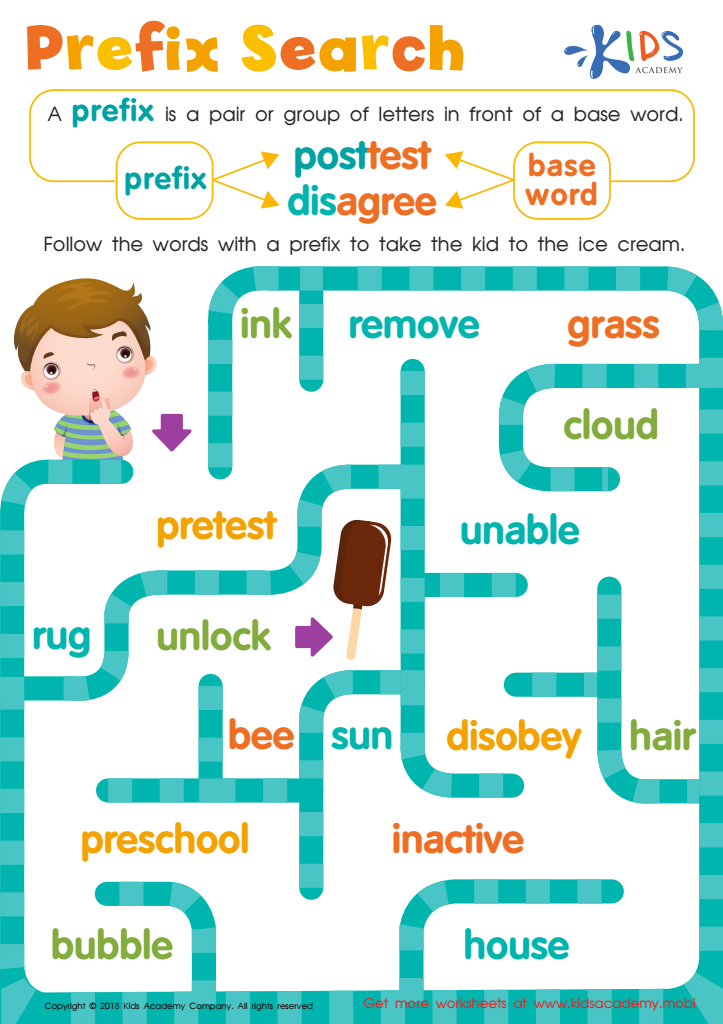
Reading: Prefix Search Worksheet
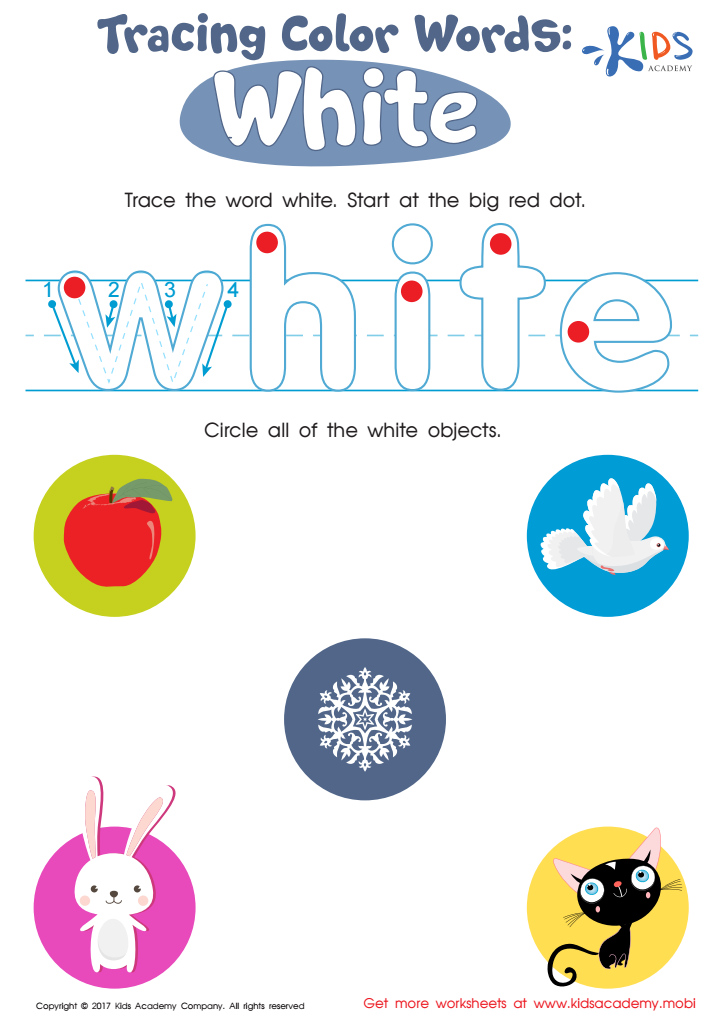
White Tracing Color Words Worksheet
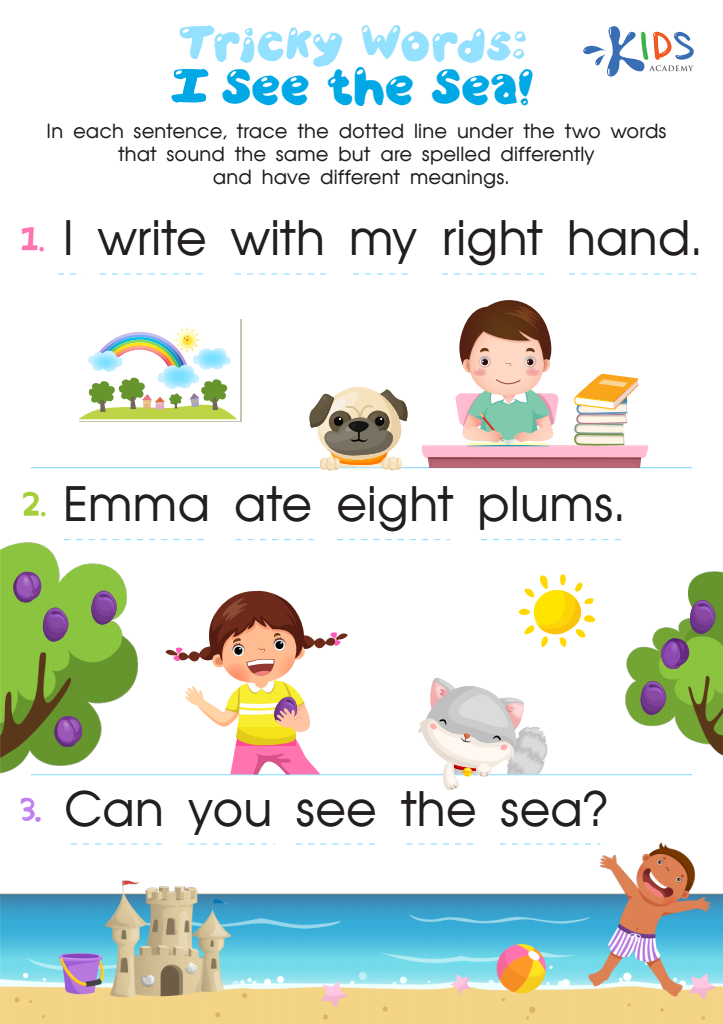
Tricky Words Worksheet
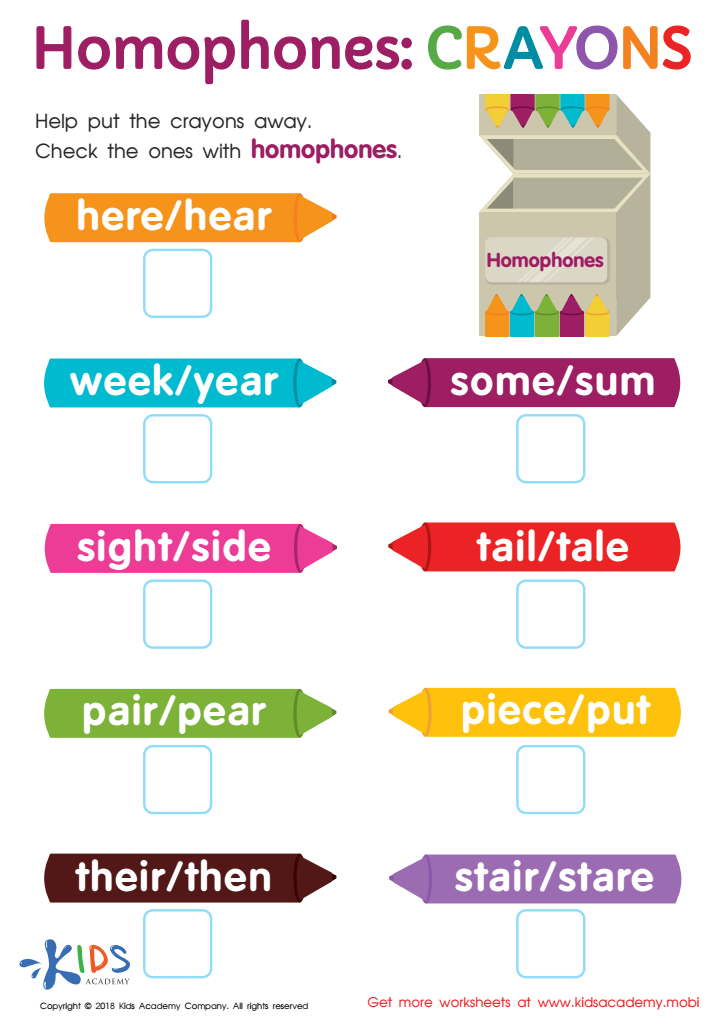
Homophones: Crayons Worksheet
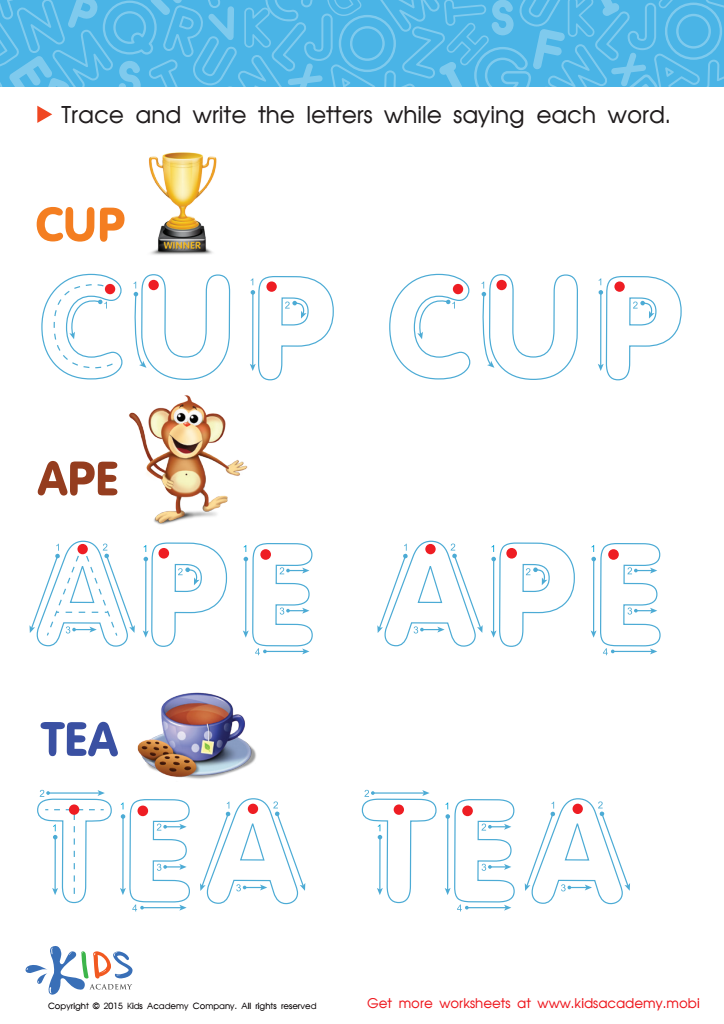
A Cup, an Ape and Tea Spelling Worksheet
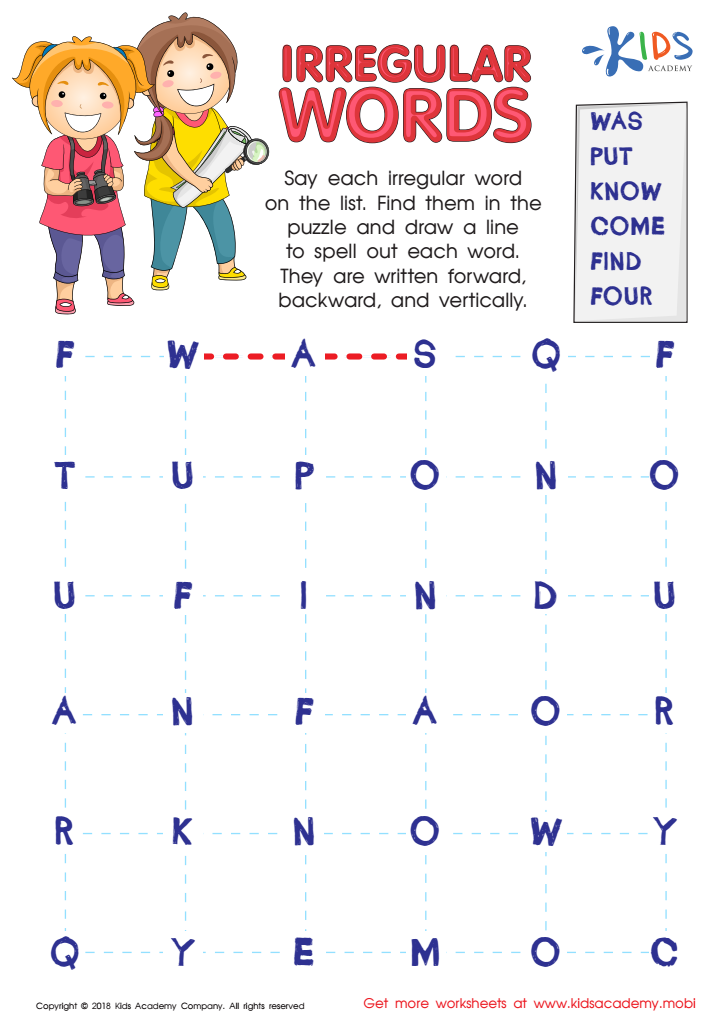
Irregular Words Worksheet
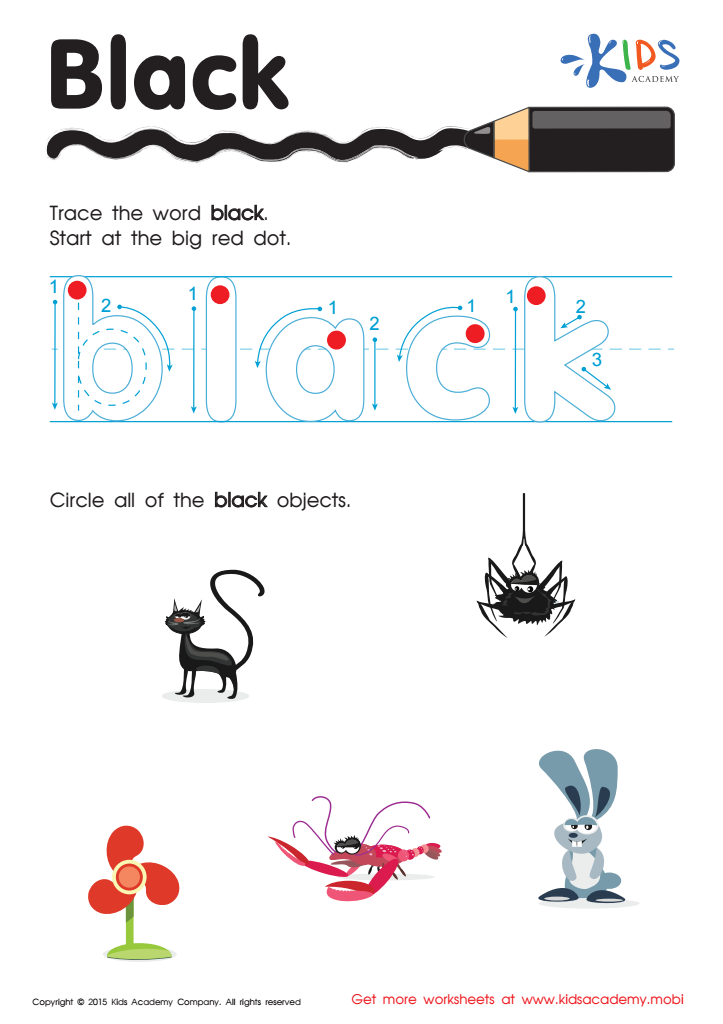
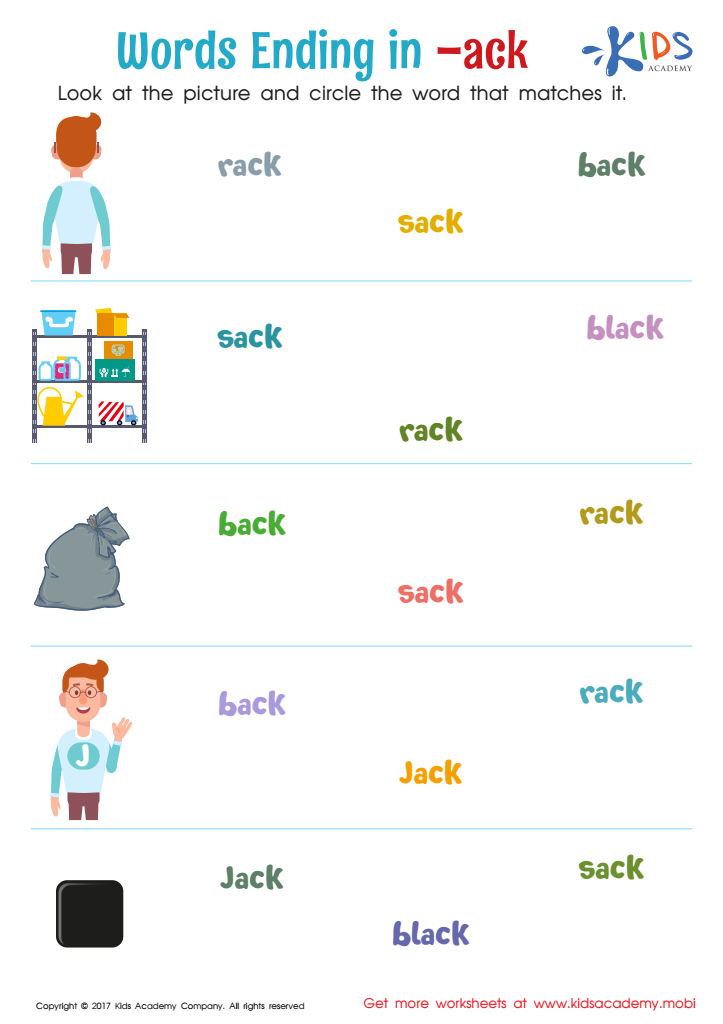
Black Tracing Color Words Printable








Spelling practice plays a fundamental role in early childhood education and has substantial long-term benefits for children aged 3-9. For one, it strengthens foundational literacy skills, vital for overall academic proficiency. When children learn to spell, they also hone their reading abilities because spelling instruction teaches them the relationship between letters and sounds (phonics), boosting their decoding skills.
Moreover, spelling aids vocabulary development. As children learn to spell new words, they also understand their meanings and usage, thus enriching their language and communication skills. This becomes crucial as a strong vocabulary is directly linked to better comprehension and expression, leading to enhanced academic performance and social interaction.
In addition, spelling practice enhances memory and cognitive abilities. When children memorize and recall spelling rules and patterns, they engage in complex mental processes that improve their learning and problem-solving skills. Regular practice also instills the values of discipline, attention to detail, and persistence.
Finally, spelling accuracy boosts children's confidence. Mastery of this skill can provide a sense of achievement and encourage a positive attitude towards learning. In essence, spelling practice is not just about correct word formation but about shaping well-rounded, skilled, and confident young learners ready for future educational challenges.