Fine Motor Skills Normal Tracing Words Worksheets for Ages 3-9
6 filtered results
-
From - To
Discover a range of carefully curated Fine Motor Skills Normal Tracing Words Worksheets designed for children aged 3-9. These engaging printables help kids develop fine motor skills critical for handwriting and everyday activities. Each worksheet encourages manual dexterity and improves hand-eye coordination through fun tracing exercises. Our expertly crafted activities cater to varying skill levels, ensuring all young learners can confidently enhance their penmanship while having fun. Perfect for classroom or at-home use, these tracing worksheets lay the foundation for effective writing habits. Explore our selection to support early learning and skill development in your child’s formative years.
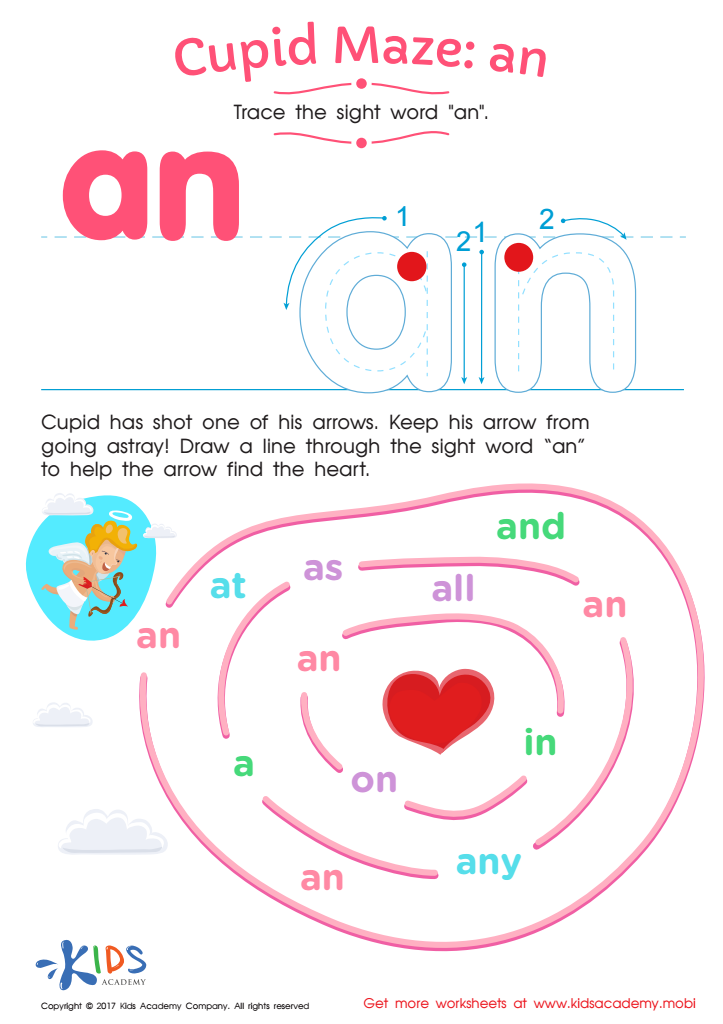
Cupid Maze: An Printable
 Assign to My Students

Snowman Tracing Winter Words Worksheet
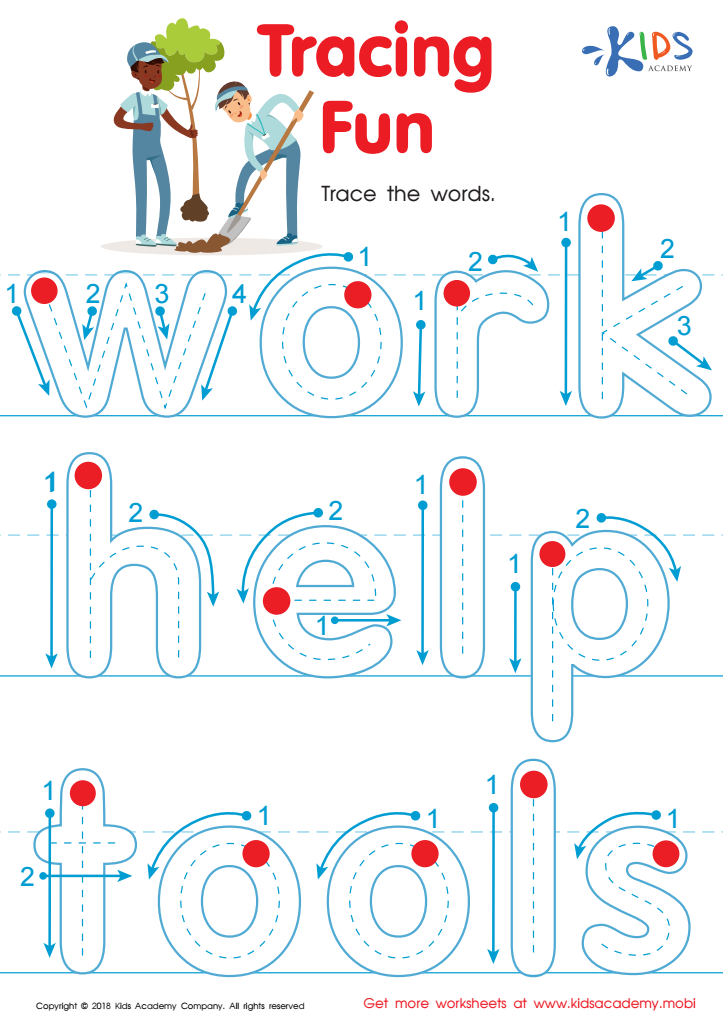
Tracing Fun Worksheet
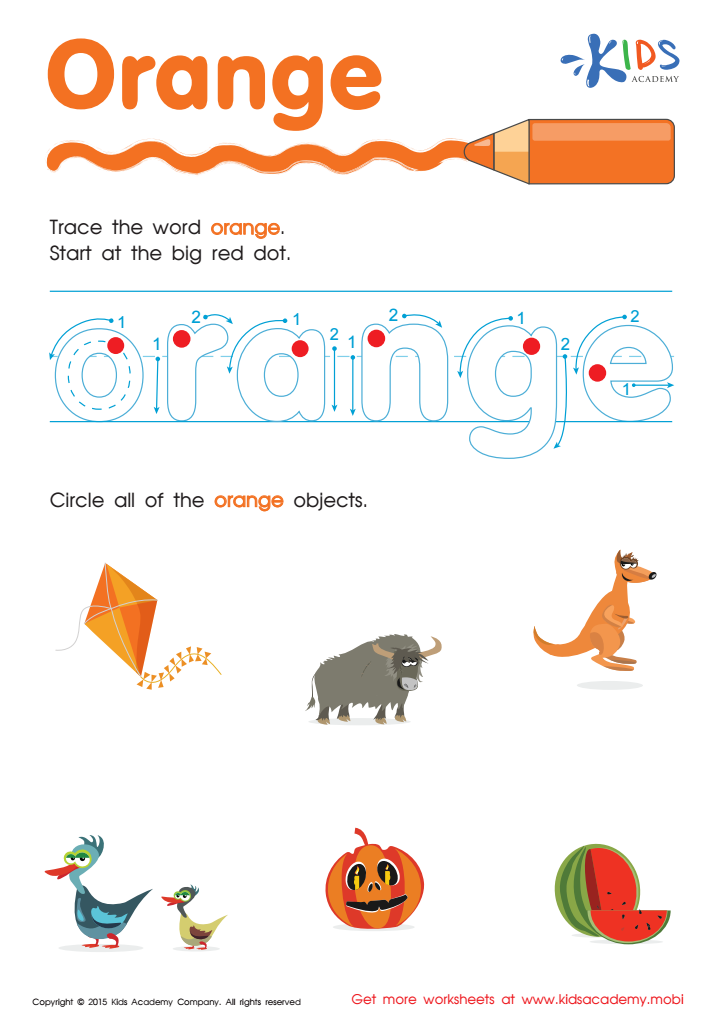
Orange Tracing Color Words Worksheet
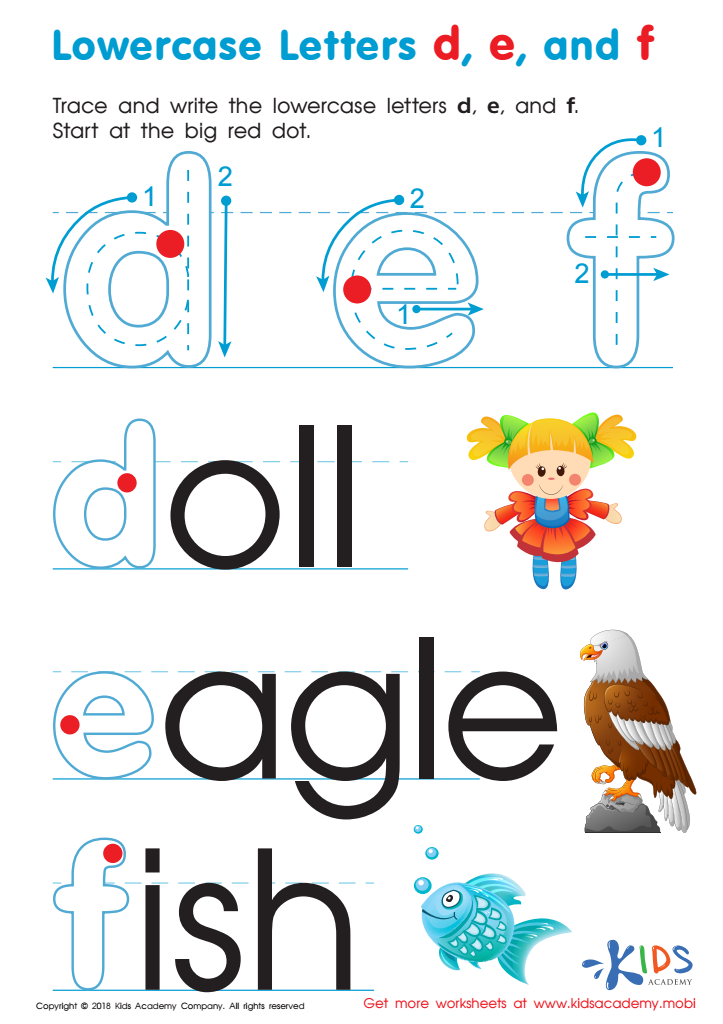
Lowercase Letters d e f Worksheet

White Tracing Color Words Worksheet








Fine motor skills are crucial for young children, particularly between the ages of 3-9, as they significantly impact their daily activities and academic success. These skills involve the coordination of small muscles, particularly in the hands and fingers, with the eyes. When children engage in activities like tracing words, they enhance their fine motor skills, which are essential for writing, cutting, buttoning clothes, and other precise movements.
Improving fine motor skills through tracing helps children develop hand control and dexterity. These skills contribute to better handwriting, which is critical for schoolwork and overall academic performance. Moreover, the act of tracing helps in strengthening hand muscles, promoting better grip and endurance for various tasks.
Additionally, fine motor development is linked to cognitive growth. As children learn to control their hands, they also improve problem-solving abilities and hand-eye coordination. Activities like tracing words necessitate focus and patience, fostering attention to detail and perseverance—key traits for learning.
Parents and teachers should therefore prioritize fine motor skill activities, such as tracing words, to ensure children build a strong foundation for future learning and life skills. Investing time in these activities supports overall development, making everyday tasks more manageable and enhancing children's confidence and independence.