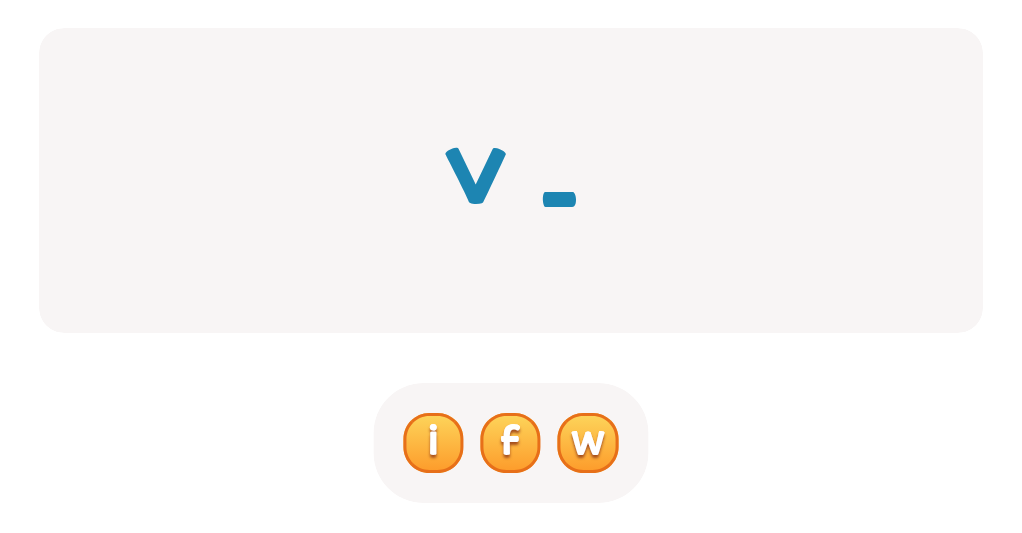
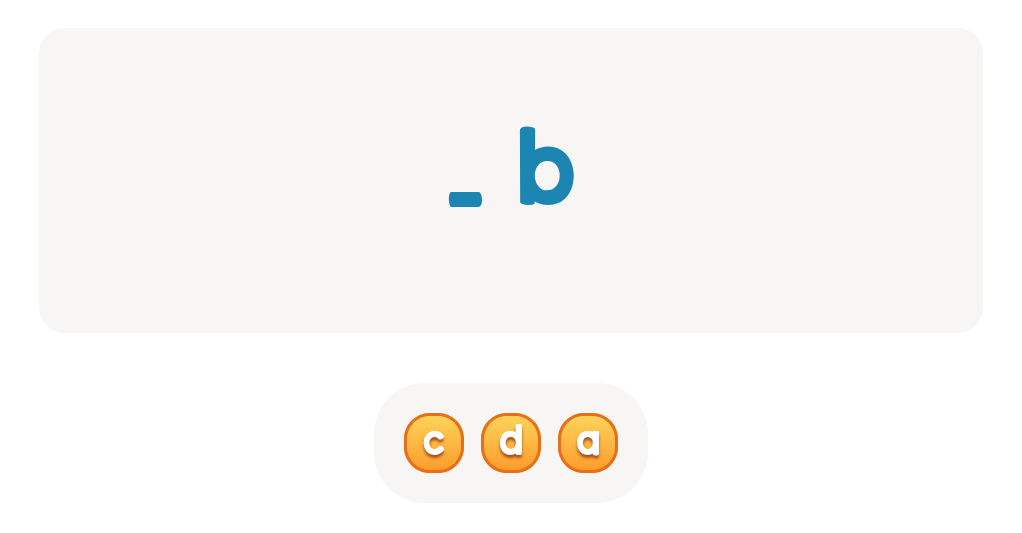
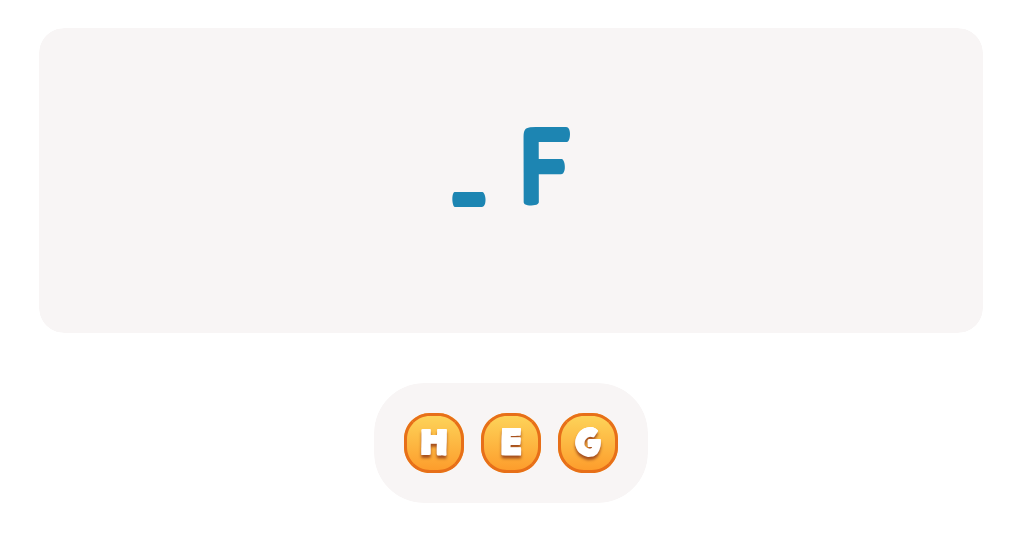
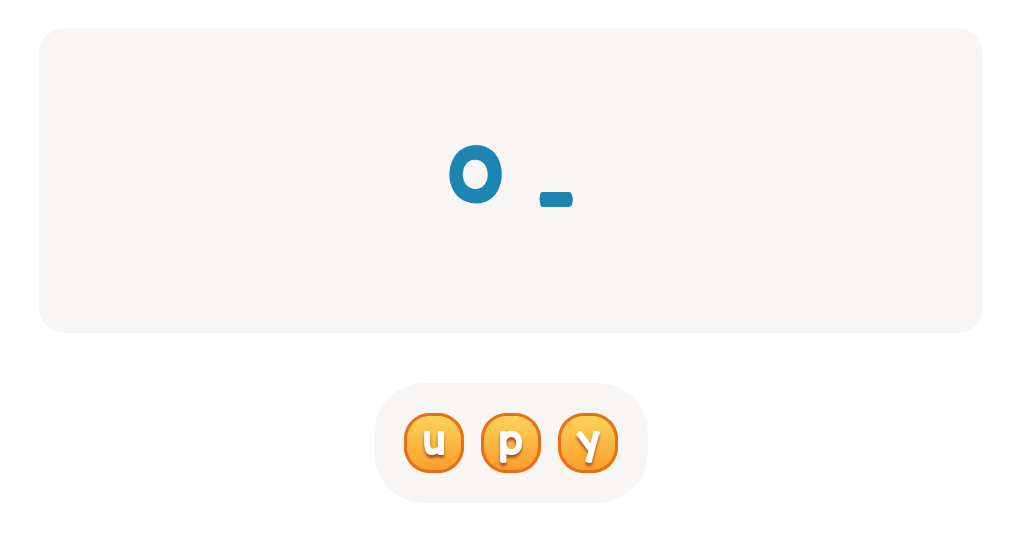
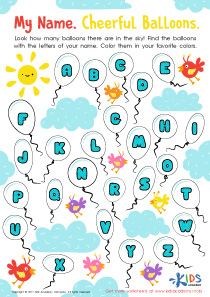
Discover our engaging "Alphabet Recognition Normal ABC Order Worksheets" designed specifically for 3-year-olds! These worksheets provide a fun and interactive way to help young learners familiarize themselves with the letters of the alphabet in the correct sequence. Each activity is thoughtfully crafted to enhance letter recognition while supporting early literacy skills. Through playful exercises such as tracing, matching, and identifying letters, your child will build a strong foundation for reading. Perfect for home or classroom use, these worksheets make learning an exciting adventure. Fuel your child’s curiosity and confidence in their alphabet journey with our specially designed resources today!

Check out this FREE Trial Lesson on ABC Order for age 3!

M

Favorites
With answer key
Interactive
  • 3
  • Alphabet Recognition
  • ABC Order
  • Normal
Letter O worksheets
Letter O worksheets

Letter O Tracing Page

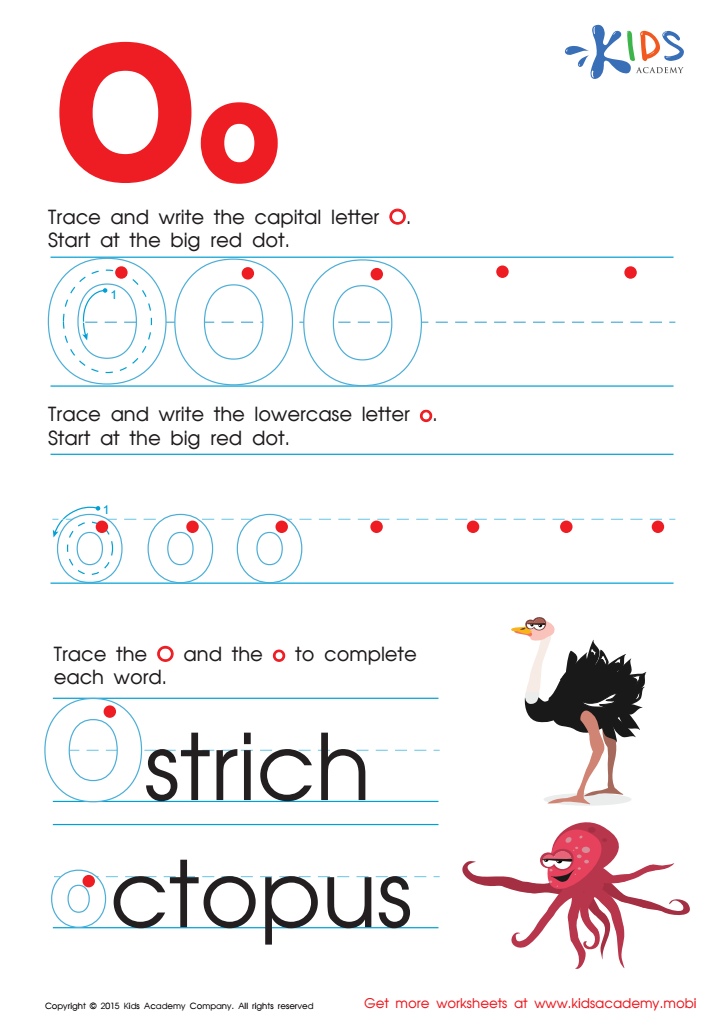
Practice writing the letter "O" with our new worksheet. Trace and write the letter several times, starting at the red dot. First do the uppercase letter, then the lowercase. Use the pictures to complete the words "Ostrich" and "octopus". Kids Academy offers more fun alphabet worksheets.
Letter O Tracing Page
Worksheet
Letter I worksheets
Letter I worksheets

Letter I Tracing Page

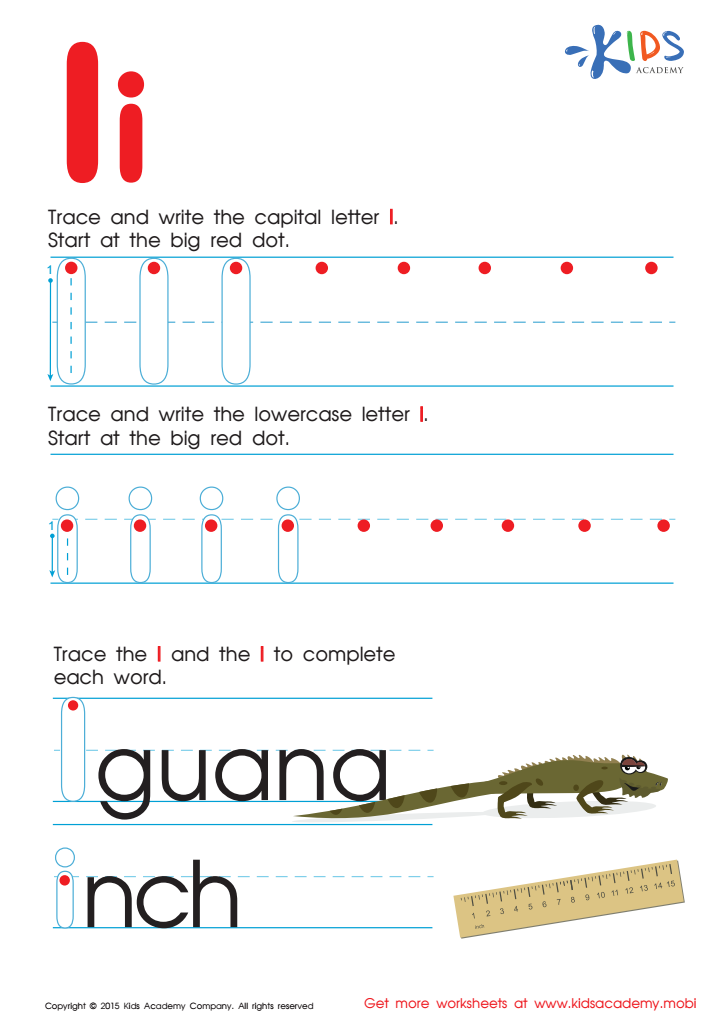
Trace and write "I" uppercase and lowercase. An iguana's tail looks like the uppercase "I" and the lowercase "i" is as small as an inch. Make learning fun with Kids Academy worksheets.
Letter I Tracing Page
Worksheet
letter C worksheets
letter C worksheets

Letter C Tracing Page

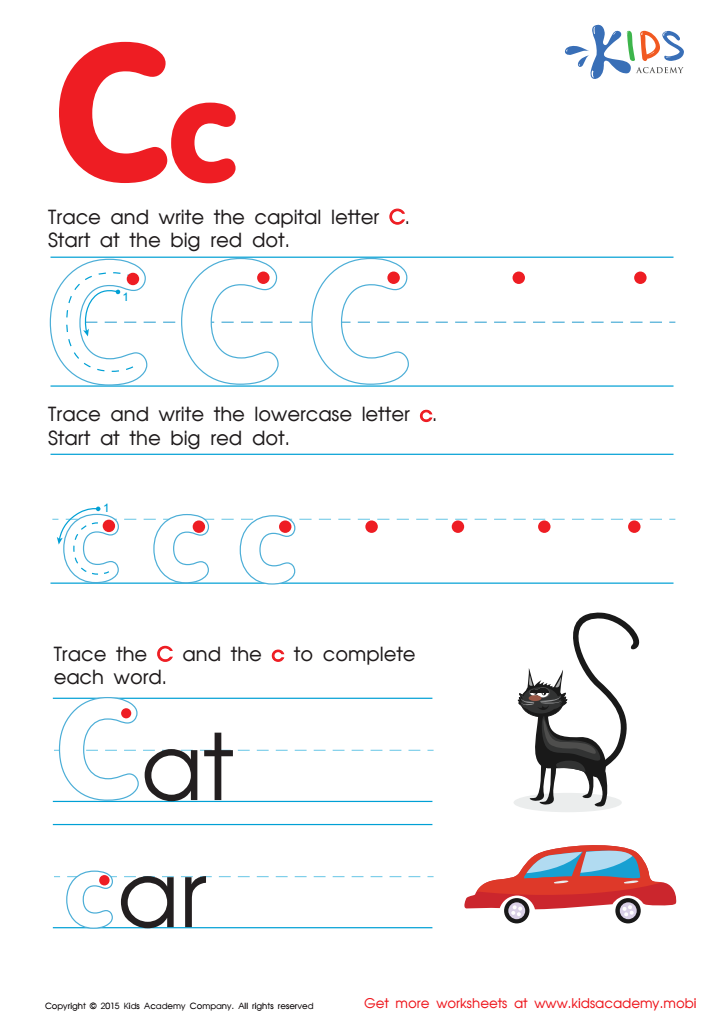
Trace and write the letter 'C'! Put the pencil at the red dot then follow the lines – the capital letter first then the lowercase one. Cats love it and so will you! Get more free printables to practice tracing and writing.
Letter C Tracing Page
Worksheet
Letter М worksheets
Letter М worksheets

Letter M Tracing Page

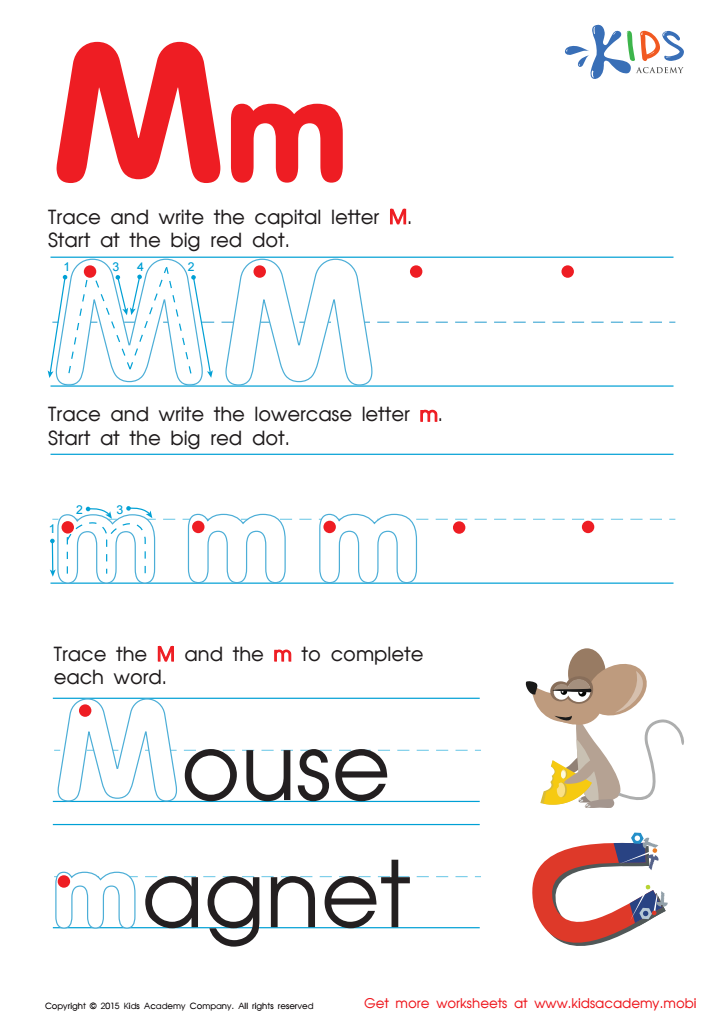
Trace and write the letter "M" to help kids learn the alphabet. Start at the red dot and practice several times. Trace the capital letter first, then move on to the lowercase. Complete words like "mouse" and "magnet" in the further exercise. Get more free printables here.
Letter M Tracing Page
Worksheet
Letter J worksheets
Letter J worksheets

Letter J Tracing Page

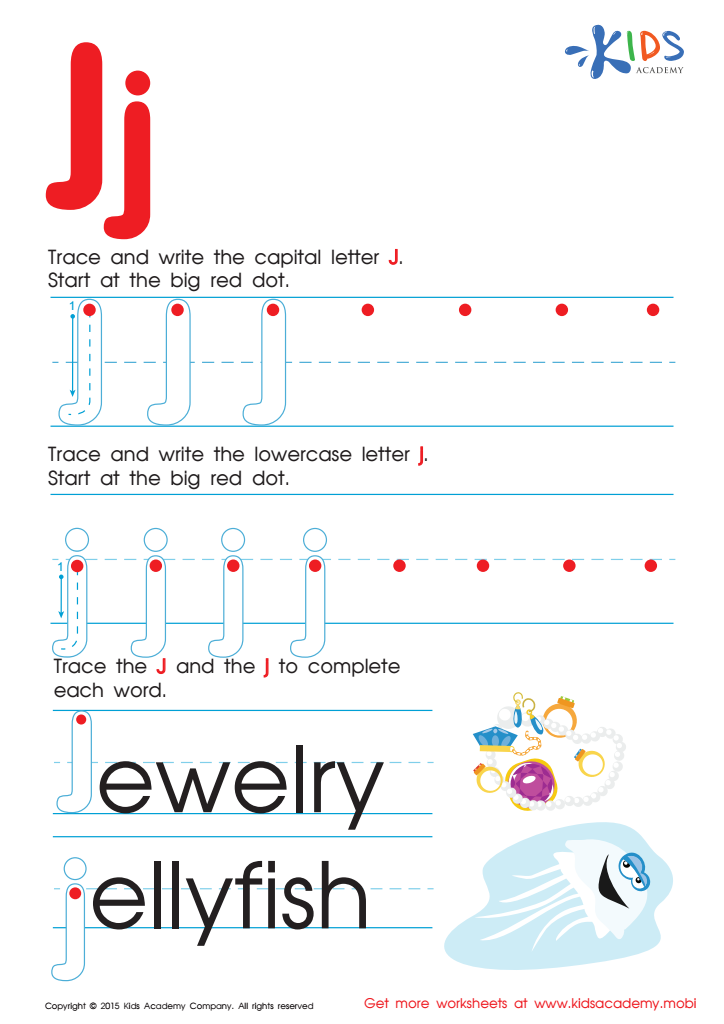
Trace and write the letter "J" with our ABC worksheet - start at the big red dot! Have fun completing words like jewelry, jellyfish and more. Check out our kindergarten activities for more alphabet practice.
Letter J Tracing Page
Worksheet
Letter N worksheets
Letter N worksheets

Letter N Tracing Page

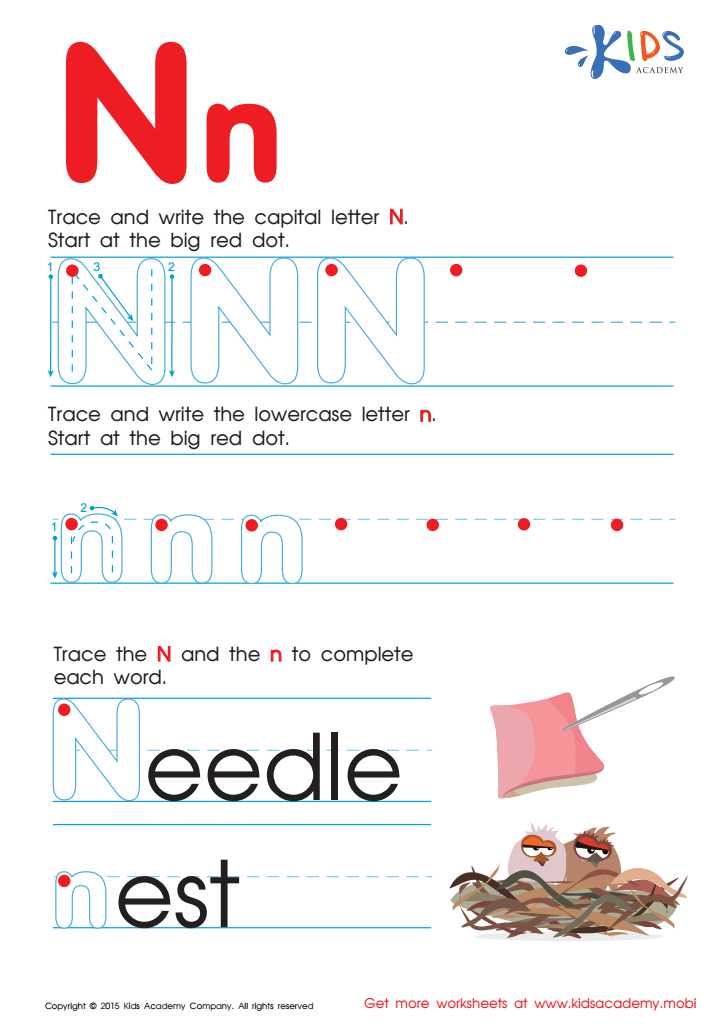
Trace and write capital "N" and lowercase "n" several times. Then try forming words like "needle" and "nest". Master letter writing with Kids Academy's collection of ABC worksheets for kindergarten.
Letter N Tracing Page
Worksheet
letter b worksheets
letter b worksheets

Letter B Tracing Page

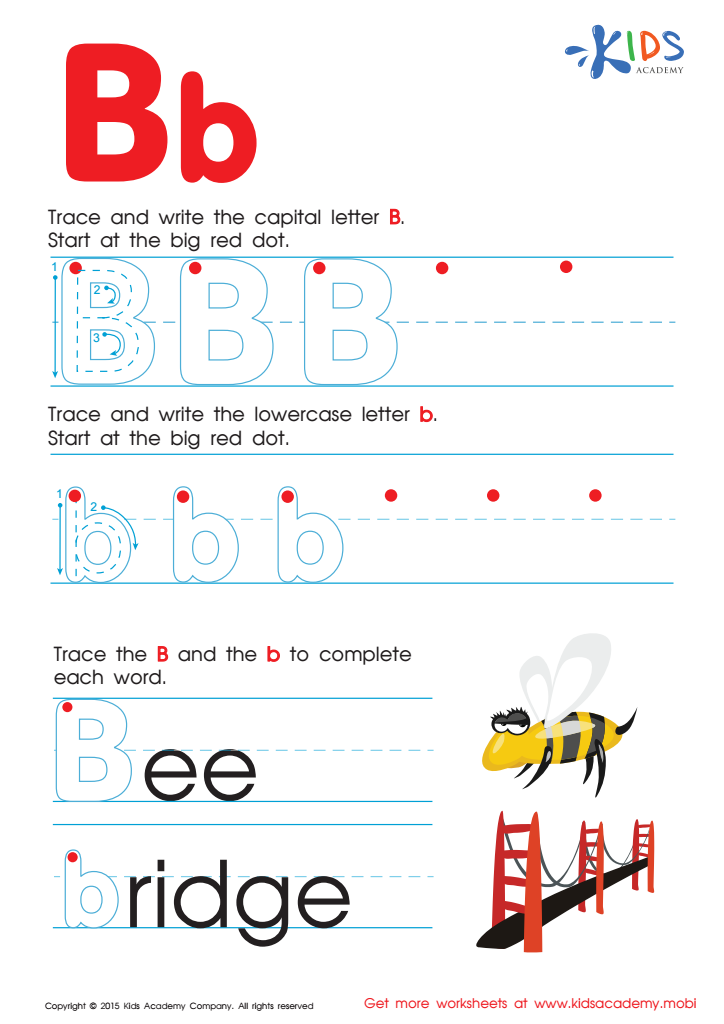
Ready to learn the Alphabet? Put your pencil on the red dot and trace & write both capital & lowercase "B". Then have a look at the pictures. Catch the bee, cross the bridge & write the letters to complete the words. More ABC worksheets for kindergarten available!
Letter B Tracing Page
Worksheet
letter e worksheets
letter e worksheets

Letter E Tracing Page

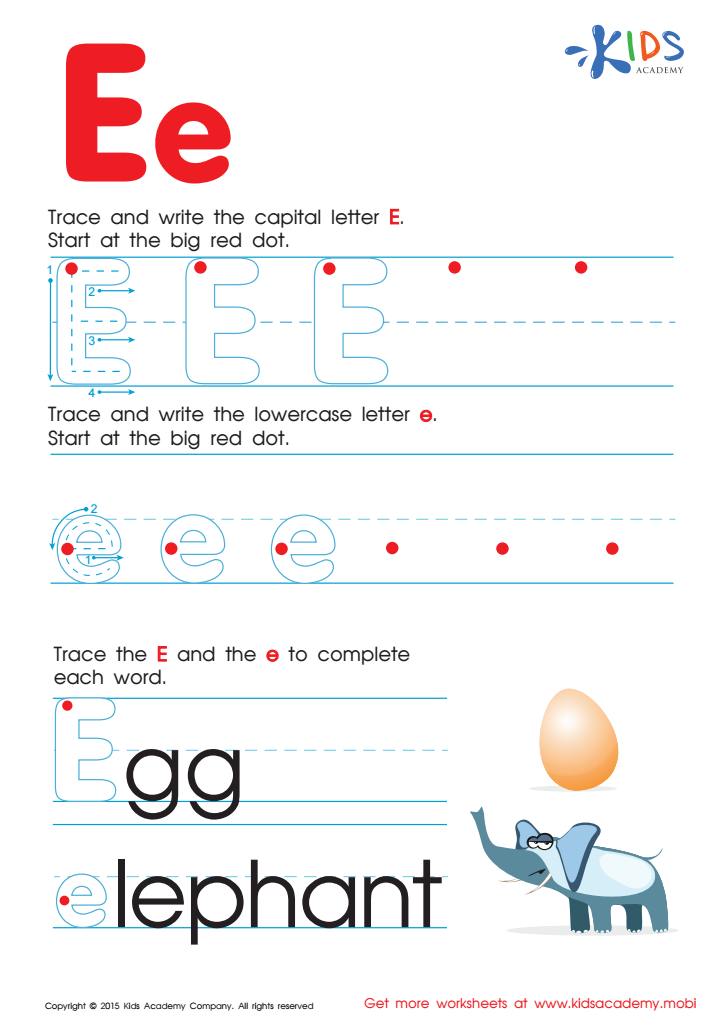
Trace and write the uppercase and lowercase "E" starting at the big red dot. Complete words to perfect letter writing. Egg and Elephant must be written carefully. More alphabet worksheets for kindergarten are available for download to spend more time with your children learning.
Letter E Tracing Page
Worksheet


Alphabet recognition in normal ABC order is crucial for 3-year-olds as it lays the foundation for literacy development. At this age, children are like sponges, eager to absorb new information, and recognizing letters helps them understand that letters are the building blocks of words. This skill enhances their phonemic awareness—the understanding that sounds correspond to letters—which is vital for reading.

When children learn the alphabet in the correct sequence, they can better recognize patterns in words, making it easier for them to learn to read later. This foundational skill also boosts their self-esteem and confidence in using language, which is essential in their early social interactions and communication.

Engaging in alphabet recognition activities at home or in the classroom encourages cognitive development, including memory and critical thinking skills. It allows parents and educators to impart essential language skills during formative years, which are linked to future academic success.

Furthermore, fostering a love for learning and reading from an early age can inspire lifelong habits. In a world where literacy is increasingly integral to everyday life, understanding the alphabet and its order creates numerous opportunities for personal and academic advancement. Thus, parents and teachers should prioritize alphabet recognition in their educational approach.