Letter recognition Normal Alphabet Worksheets for 3-Year-Olds - Page 2
30 filtered results
-
From - To
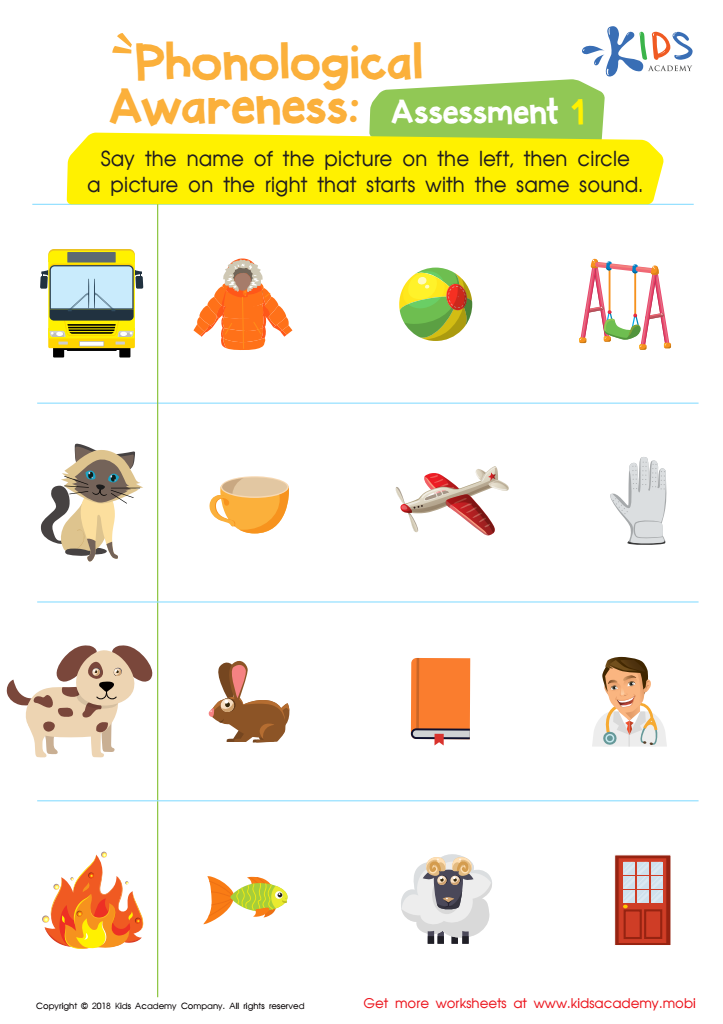
Phonological Awareness: Assessment 1 Worksheet
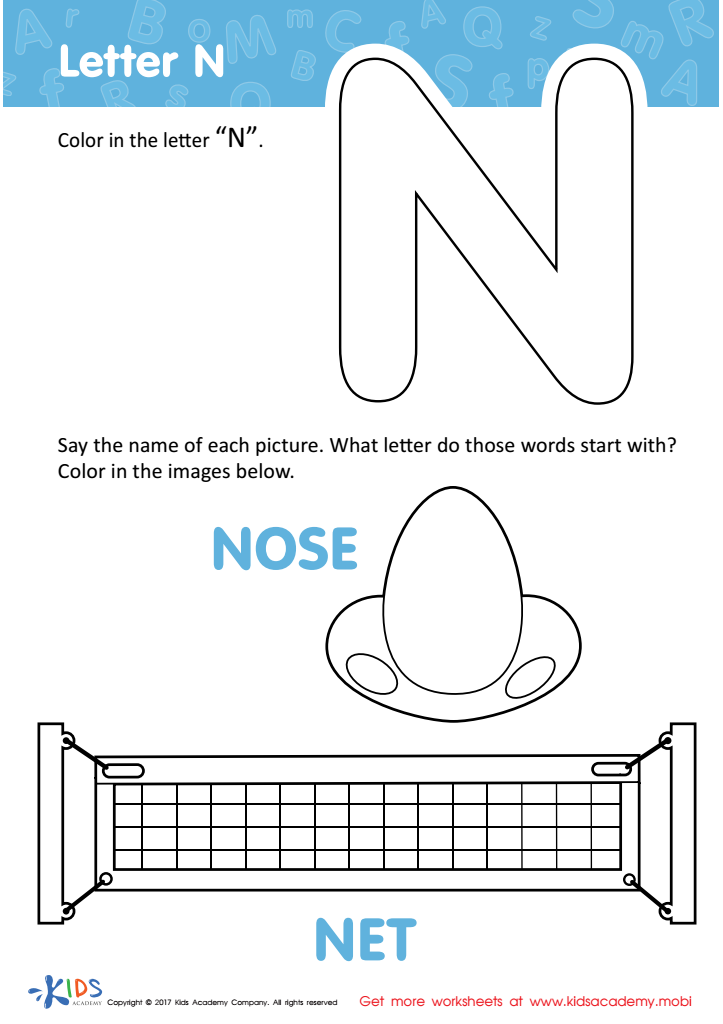
Letter N Coloring Sheet
 Assign to My Students

Letter D Tracing Page
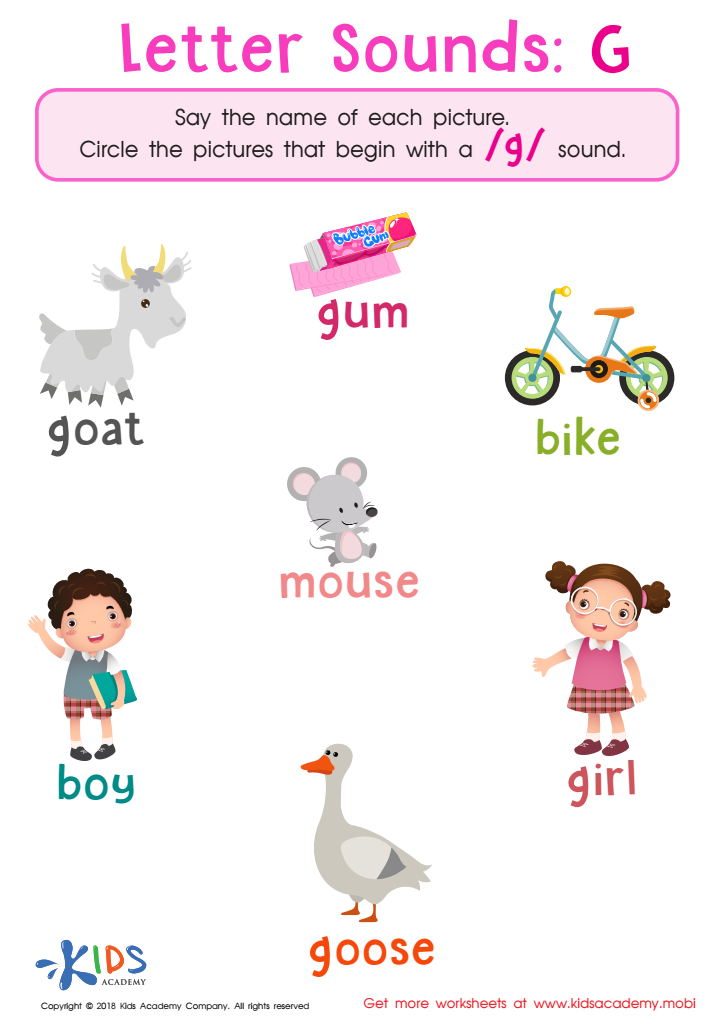
Letter G Sounds Worksheet
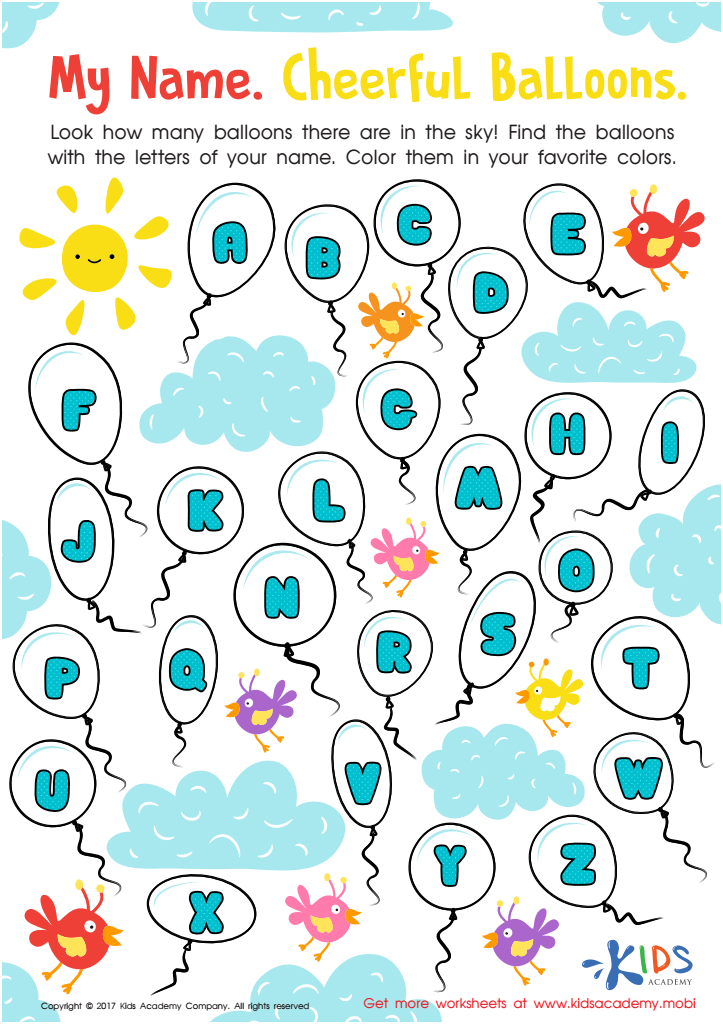
My Name: Cheerful Balloons Worksheet
Assign to My Students
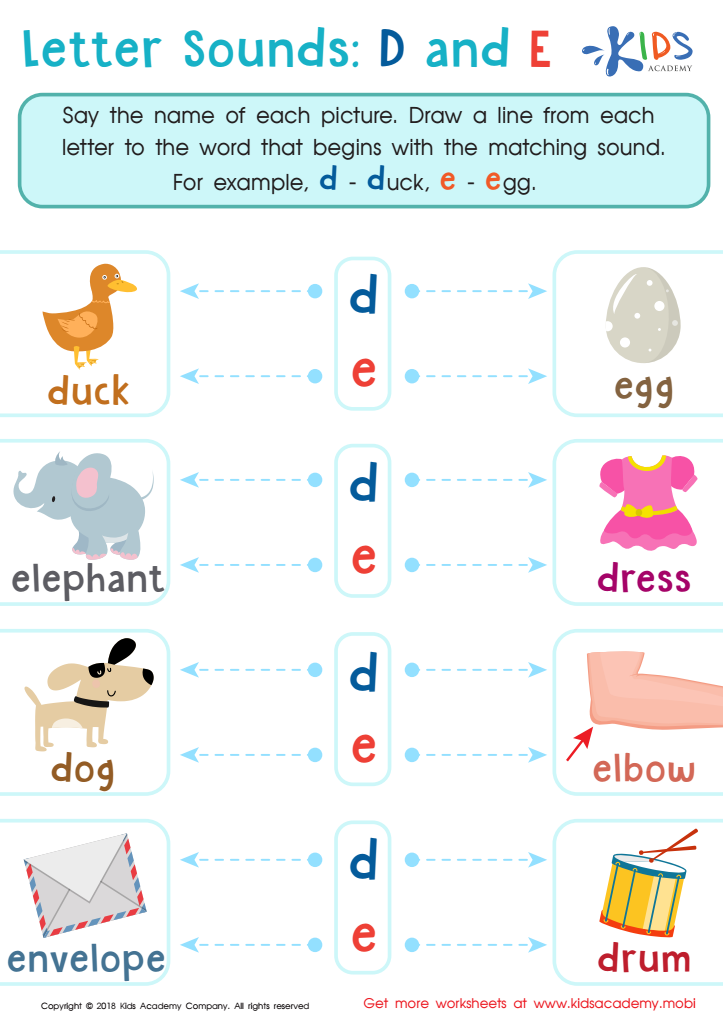
Letter D and E Sounds Worksheet








Letter recognition is a foundational skill that sets the stage for future reading and writing success. For 3-year-olds, learning the alphabet isn't just about reciting letters; it is about understanding that these symbols represent sounds and can form words. This early literacy skill helps young children develop important language abilities and cognitive skills.
Why is this significant for teachers and parents? First, strong letter recognition skills can significantly predict future reading achievement. Children who can easily name and recognize letters typically find it easier to learn letter sounds and then to blend these sounds to read words. Additionally, early letter recognition helps children become familiar with the structure and rules of language, enhancing their ability to communicate effectively.
Moreover, letter recognition enhances a child’s working memory, attention to detail, and ability to follow instructions. When these young learners encounter letters in their environment—whether in books, on signs, or digital media—they can engage with the world around them more meaningfully.
For parents and teachers, investing time in fun, developmentally appropriate activities like singing alphabet songs, playing letter-matching games, and reading picture books can make learning feel like an exciting adventure. These activities do not just promote literacy—they also build a child's confidence and enthusiasm for learning, creating a positive educational foundation.







