Vocabulary expansion Normal Phonics Worksheets for 3-Year-Olds
6 filtered results
-
From - To
Boost your 3-year-old's language development with our Vocabulary Expansion Normal Phonics Worksheets! Designed to engage young learners, these worksheets introduce essential phonetic sounds and vocabulary. By blending fun activities with educational content, children can enhance their reading skills while expanding their word bank. Each worksheet fosters creativity and critical thinking, making learning enjoyable. Parents and educators will appreciate the structured approach to phonics, ensuring kids build a solid foundation for future literacy. Perfect for at-home learning or classroom use, our worksheets promote independent exploration and strengthen language comprehension. Start your child’s phonics journey today and watch their confidence grow!
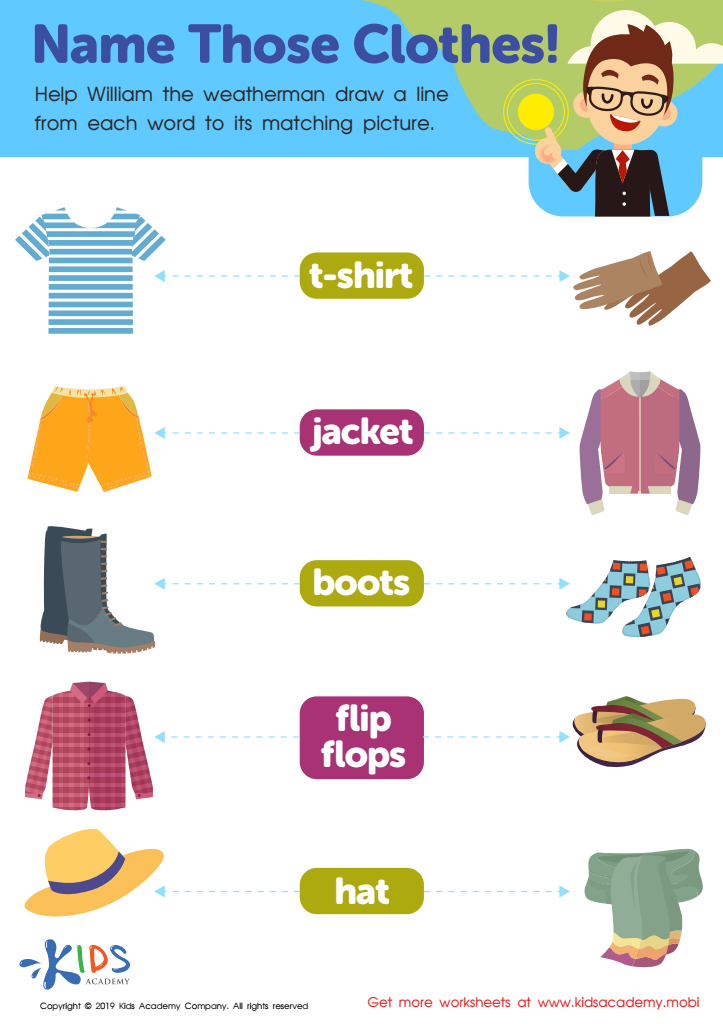
Name Those Clothes Worksheet
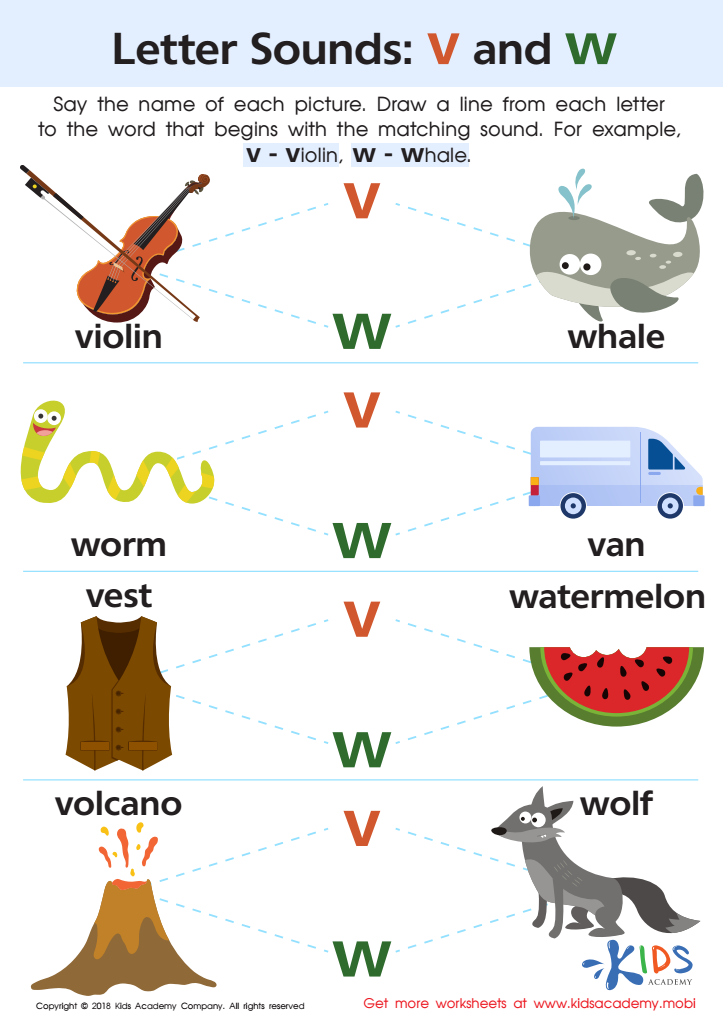
Letter V and W Sounds Worksheet
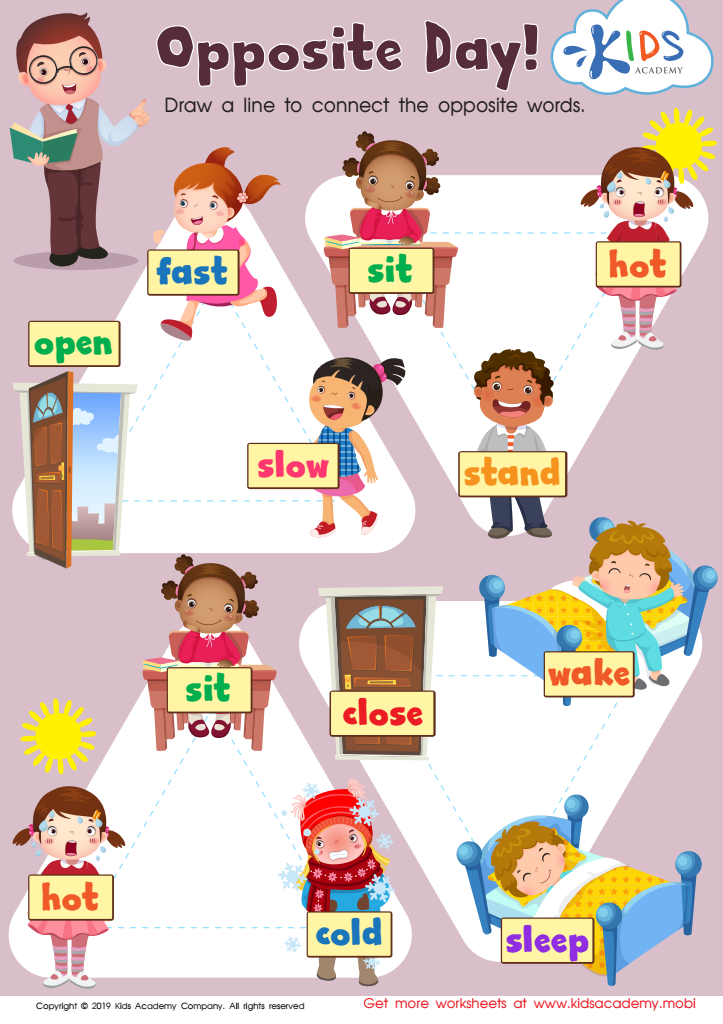
Opposite Day Worksheet

Long and Short U Worksheet
 Assign to My Students
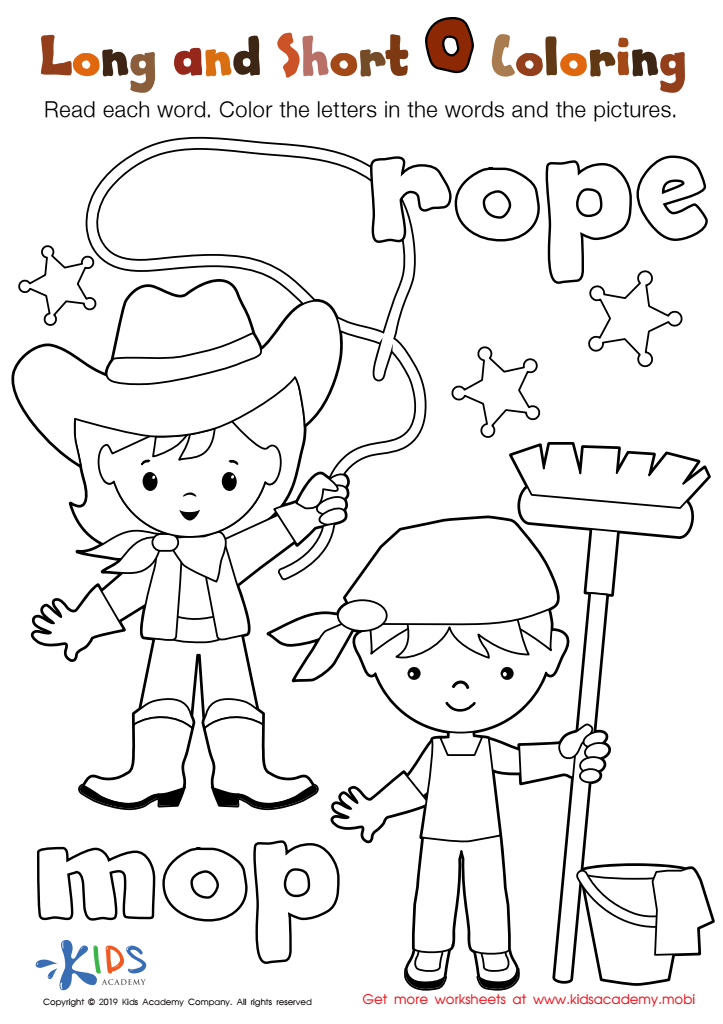
Long and Short O Worksheet
Assign to My Students
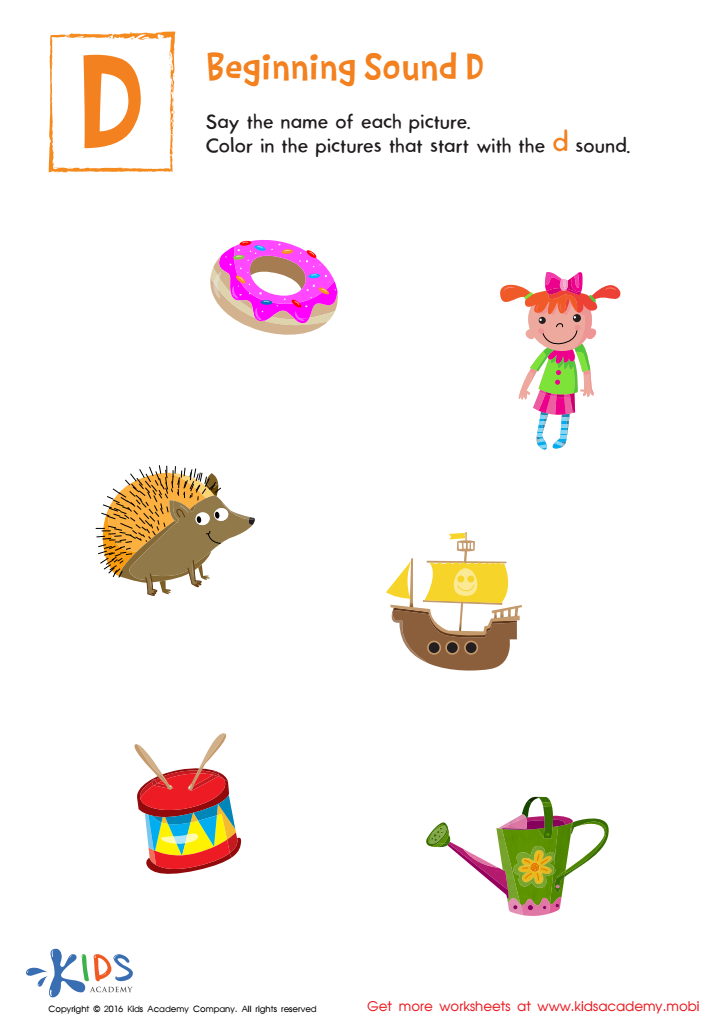
Beginning Sound D Worksheet








Vocabulary expansion through normal phonics is crucial for 3-year-olds as it lays the foundation for effective communication and literacy skills. At this age, children are at a pivotal stage of language development, and exposure to rich vocabulary enhances their ability to express themselves and understand conversations. By emphasizing phonics, kids learn the relationship between sounds and letters, which improves their reading skills as they progress in their education.
Parents and teachers should care about vocabulary expansion because it encourages cognitive development. A strong vocabulary enhances comprehension and retention of information across subjects, fostering a lifelong love of learning. Additionally, children with a rich vocabulary tend to perform better academically and are more confident in social interactions, reducing the feelings of frustration that can be associated with communication struggles.
Moreover, engaging young learners with phonics and vocabulary-building activities nurtures creativity and critical thinking. By integrating fun, immersive experiences, such as interactive storytelling and playful word games, caregivers can create a positive learning environment. In summary, investing in vocabulary expansion through normal phonics at an early age equips children with essential skills that will benefit their academic journey and overall personal growth.







