Letter recognition Normal English for Beginners Worksheets for 3-Year-Olds
17 filtered results
-
From - To
Welcome to our "Letter Recognition Normal English for Beginners Worksheets for 3-Year-Olds" page! Designed specifically for young learners, our engaging worksheets introduce children to the delightful world of letters in a fun and interactive manner. These beautifully crafted resources focus on developing essential letter recognition skills through captivating activities, such as matching games, coloring pages, and tracing exercises. Perfect for parents and educators alike, our worksheets foster an early love for reading and writing while enhancing fine motor skills. Start your child's literacy journey today with these essential tools, ensuring they build a strong foundation for lifelong learning!
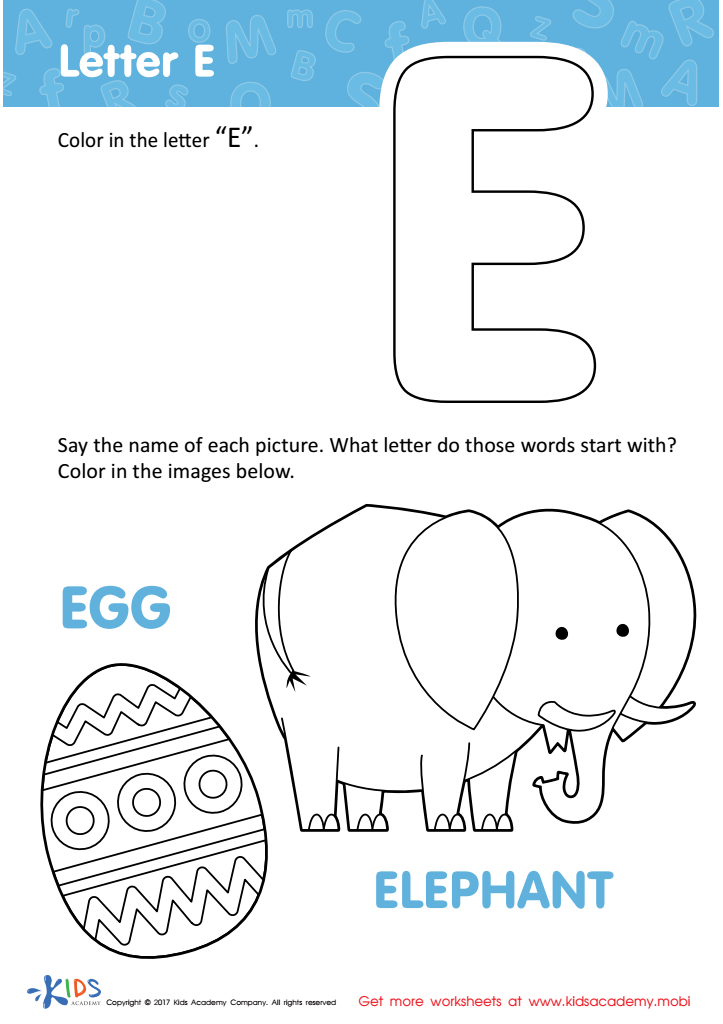
Letter E Coloring Sheet
 Assign to My Students
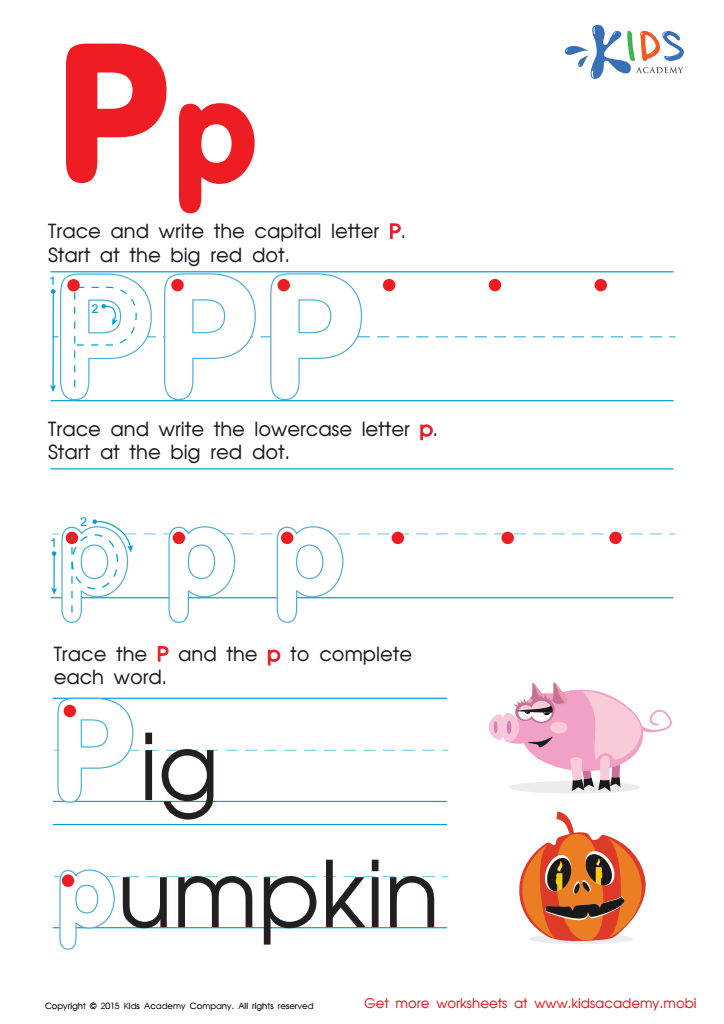
Letter P Tracing Page
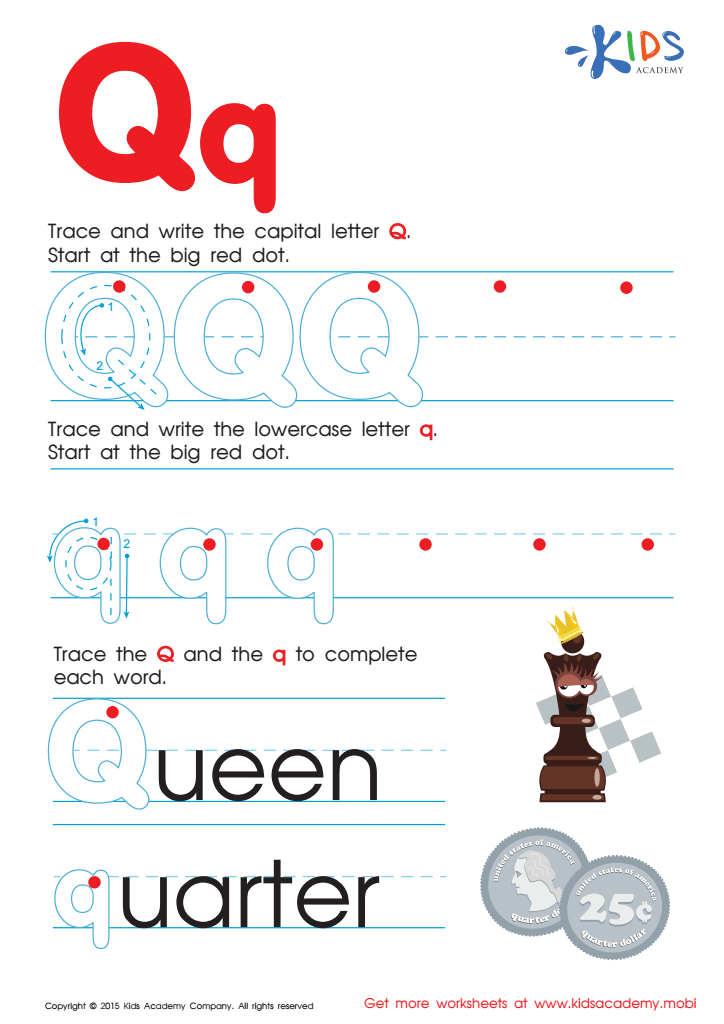
Letter Q Tracing Page

Letter H Tracing Page
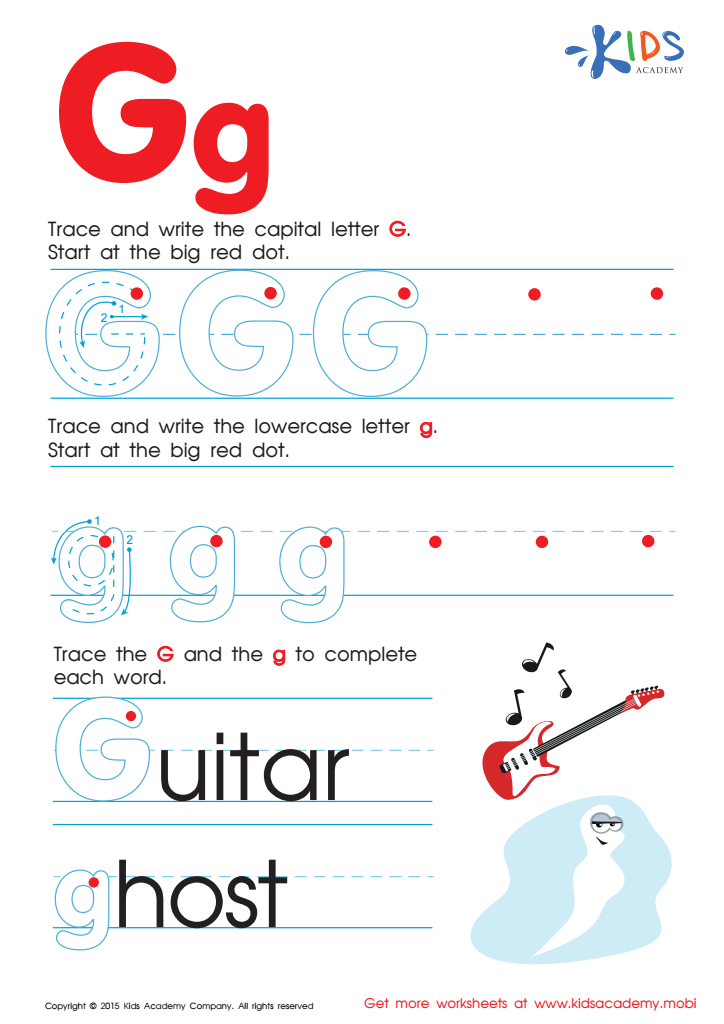
Letter G Tracing Page
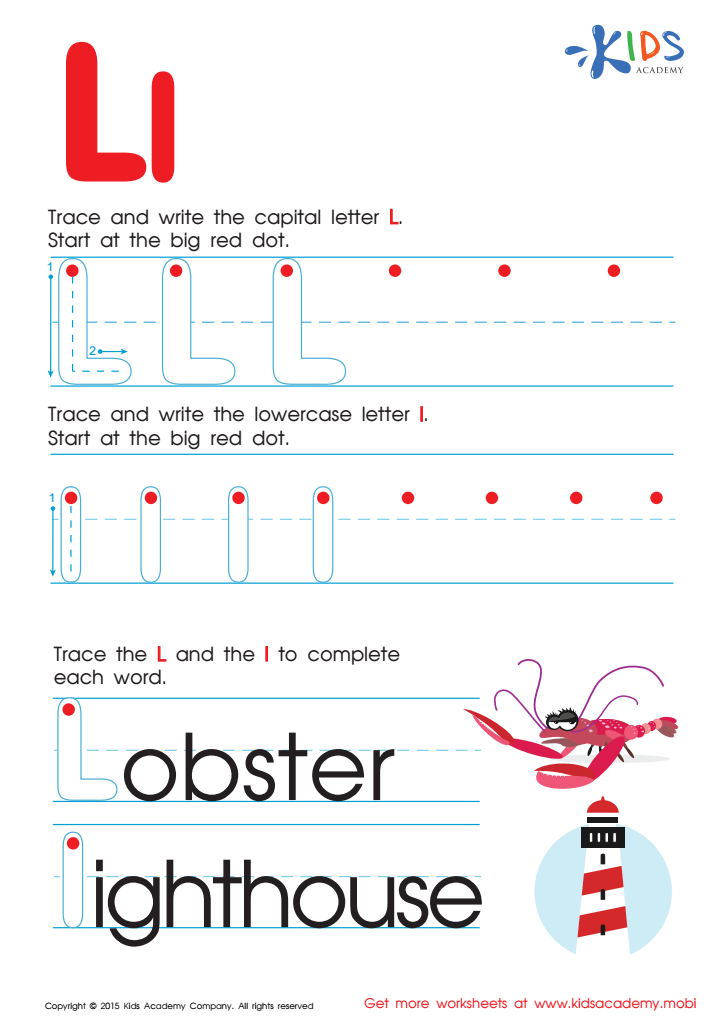
Letter L Tracing Page
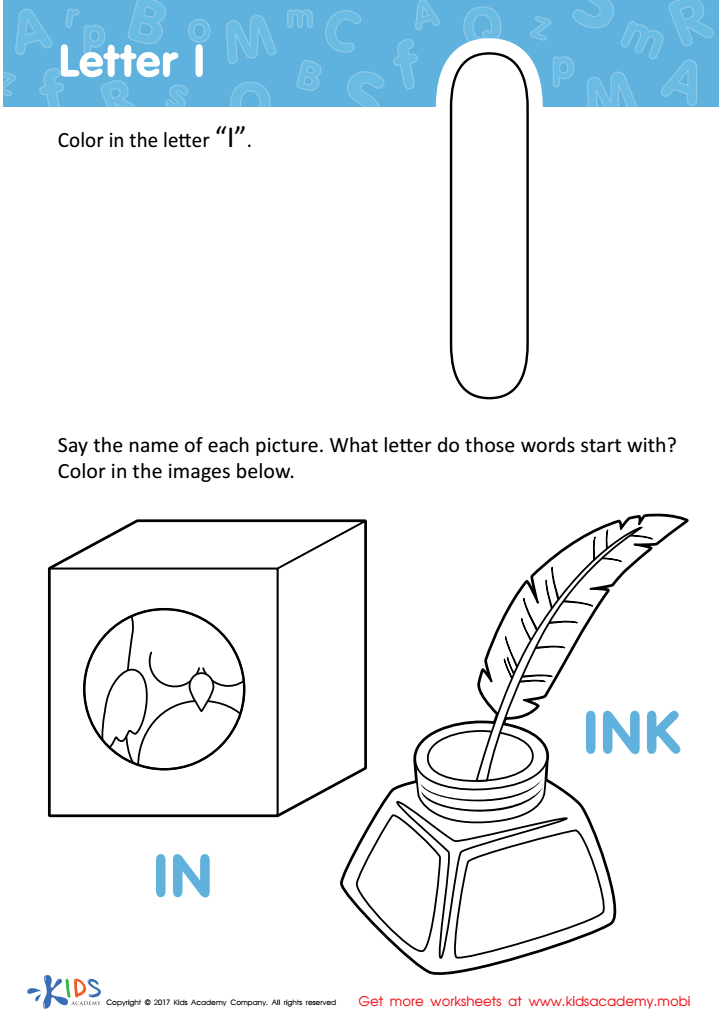
Letter I Coloring Sheet
Assign to My Students

Long and Short U Worksheet
Assign to My Students
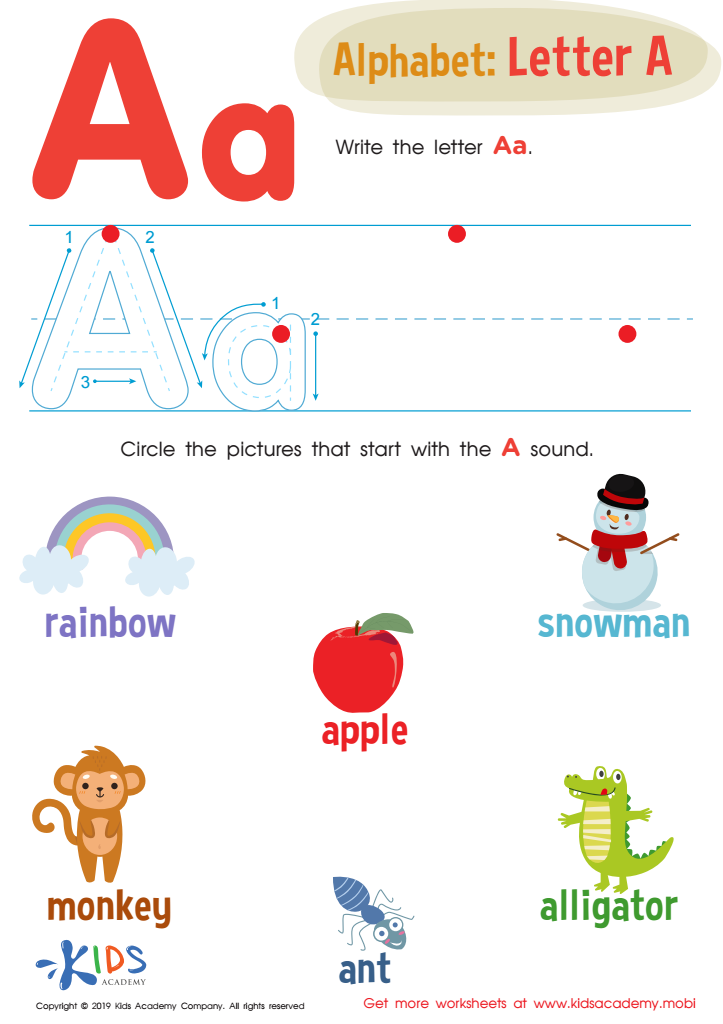
Letter A Tracing Worksheet
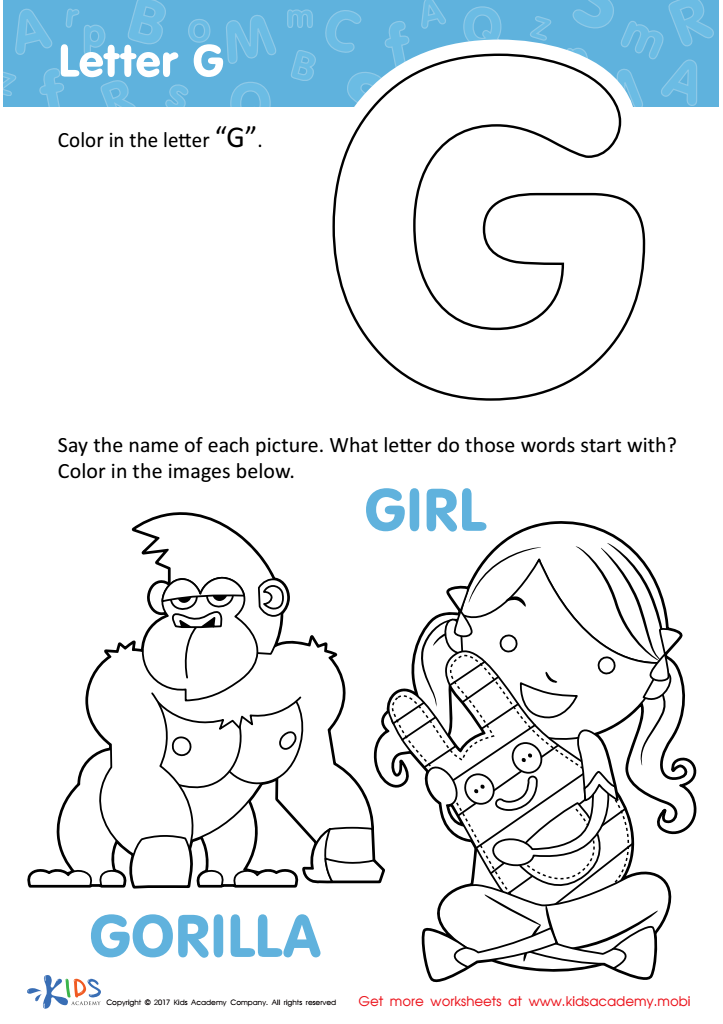
Letter G Coloring Sheet
Assign to My Students
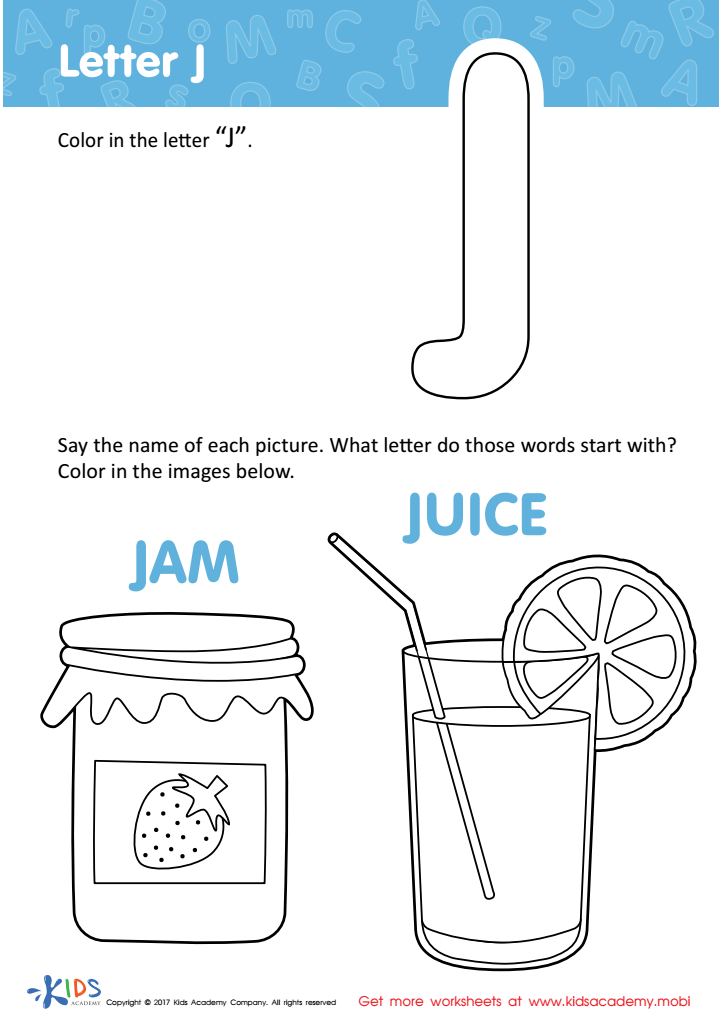
Letter J Coloring Sheet
Assign to My Students
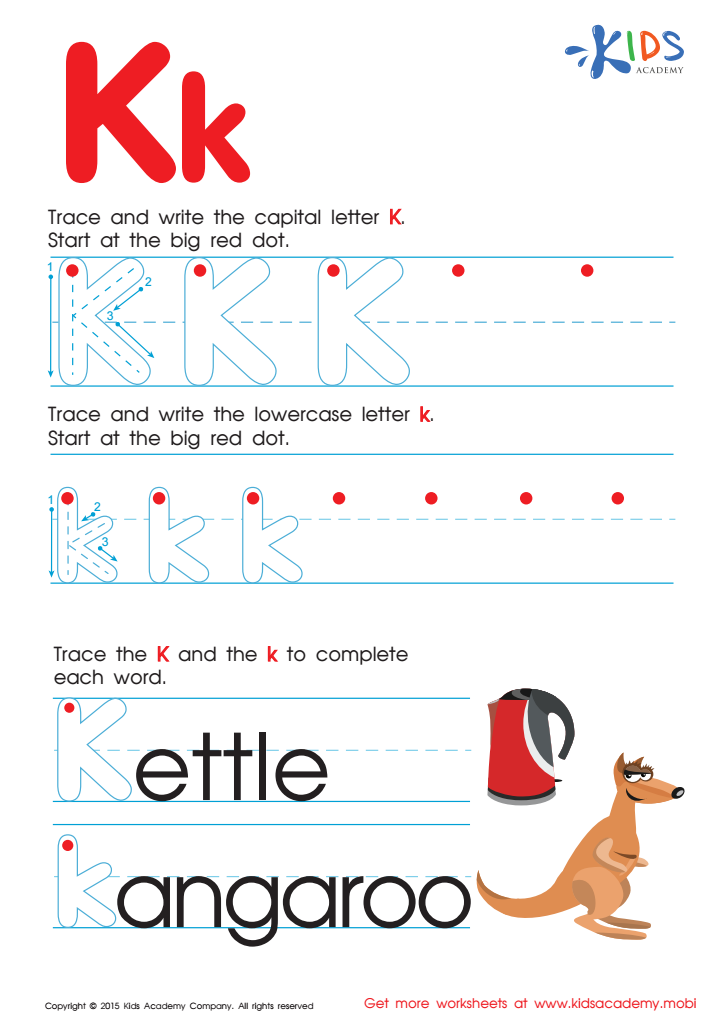
Letter K Tracing Page
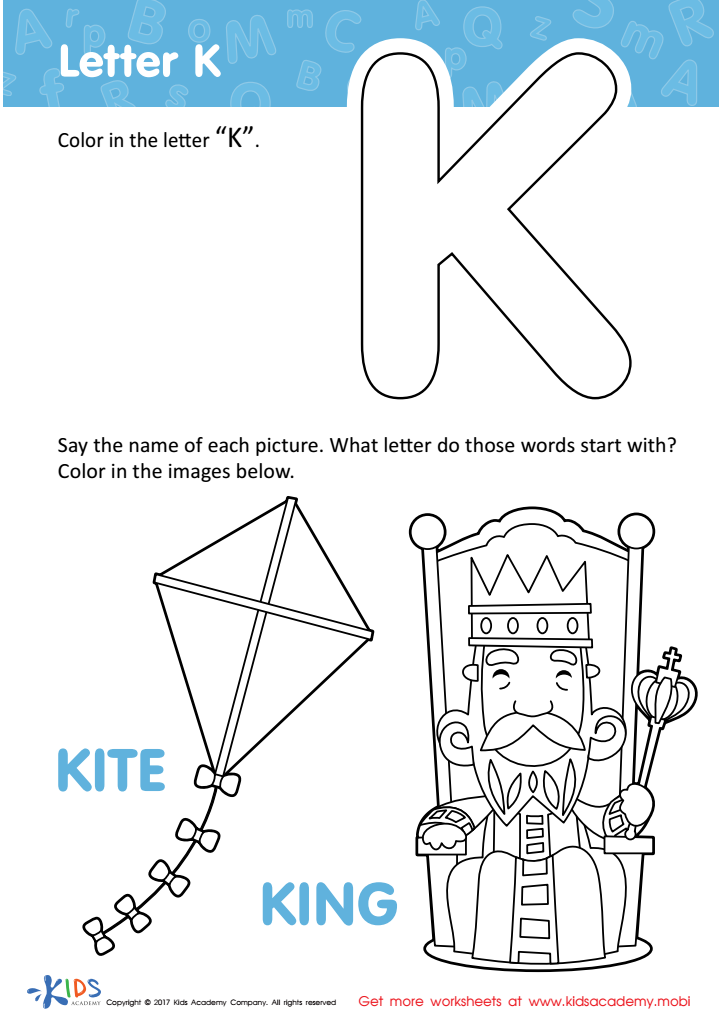
Letter K Coloring Sheet
Assign to My Students
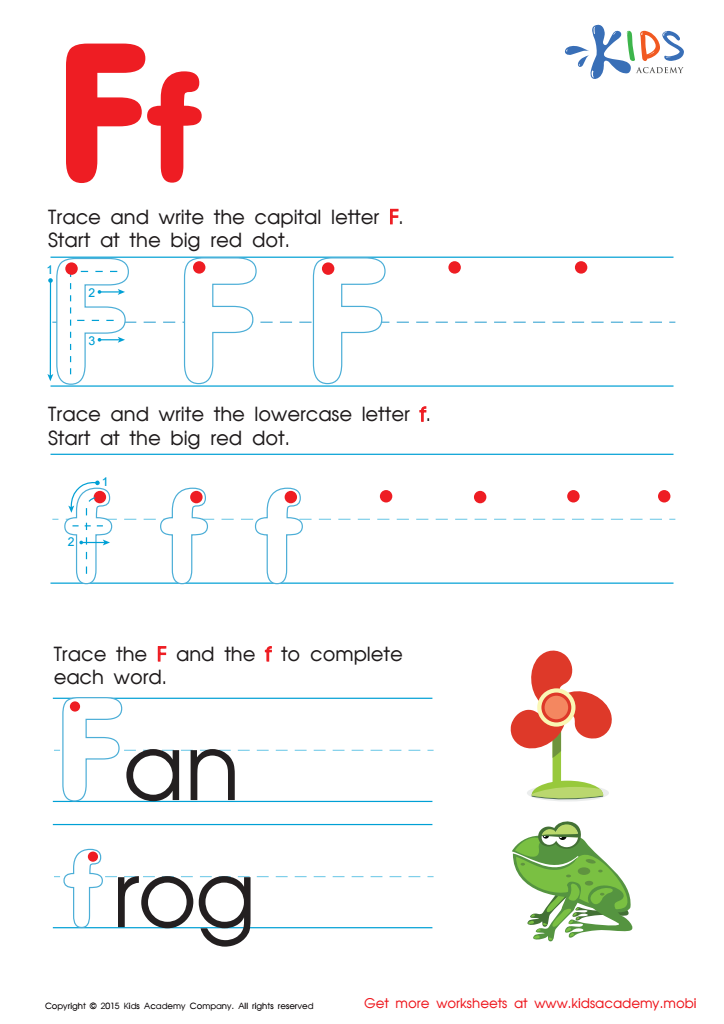
Letter F Tracing Page

Long and Short E Worksheet
Assign to My Students
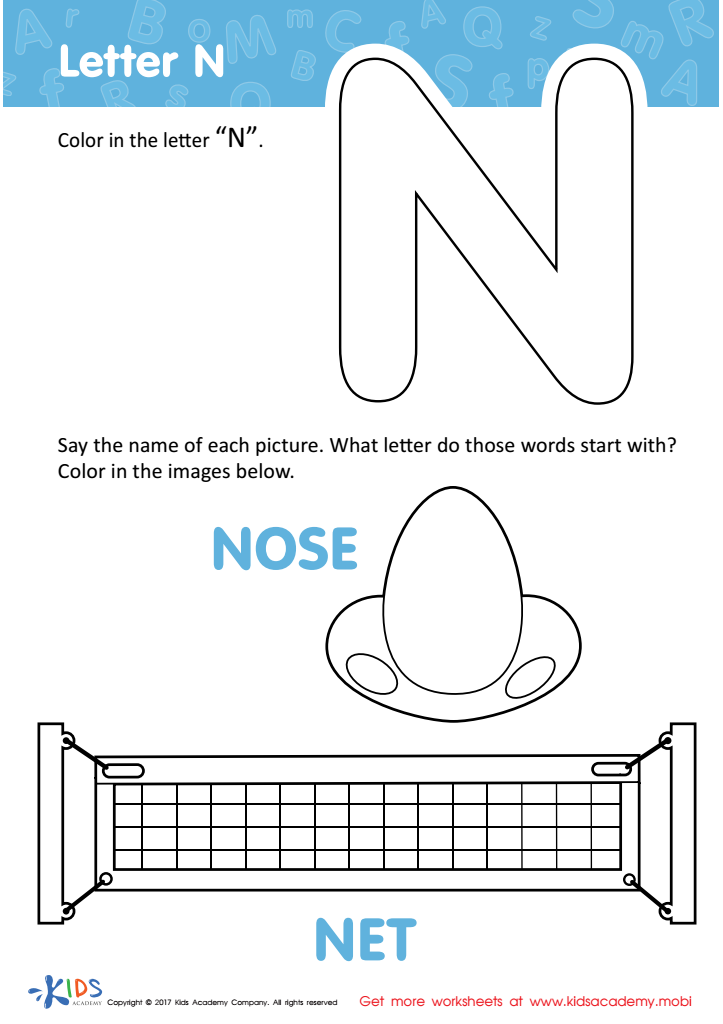
Letter N Coloring Sheet
Assign to My Students

Letter D Tracing Page





Letter recognition is an essential skill that lays the foundation for reading and writing. For 3-year-olds, engaging with letters helps develop language skills and cognitive abilities. Parents and teachers should care about this early learning milestone for several reasons.
Firstly, recognizing letters boosts children's confidence and curiosity about language. When they can identify letters, they feel more involved in books, signs, and labels, which encourages a love for reading.
Secondly, letter recognition supports important cognitive development, helping children understand that letters represent sounds, enabling them to segment words during phonics activities, which is crucial for later spelling and writing.
Moreover, early letter recognition fosters essential social skills. As children learn letters, they often share and discuss their findings with peers and adults, building communication skills and enhancing their vocabulary.
Lastly, letter recognition is a steppingstone toward achieving literacy milestones that come in later years. By giving children a head start in recognizing letters and understanding their importance, parents and teachers can create a strong foundation that will serve them throughout their educational journey. In essence, nurturing letter recognition in the preschool years is crucial for lifelong learning and growth.