Alphabet Learning Normal Worksheets for 3-Year-Olds
3 filtered results
-
From - To
Unlock your child's potential with our Alphabet Learning Normal Worksheets for 3-Year-Olds. Crafted to make early education engaging and effective, these worksheets introduce little learners to the world of letters in a fun and interactive way. Each worksheet is thoughtfully designed to build foundational skills, from letter recognition to early writing. Perfect for daily practice, our resources foster an enthusiasm for learning, ensuring your child confidently navigates their early educational journey. Simple yet effective, these printable worksheets are an essential tool for any parent looking to support their child's alphabet mastery. Tailor-fit for young minds, let's make learning magical!
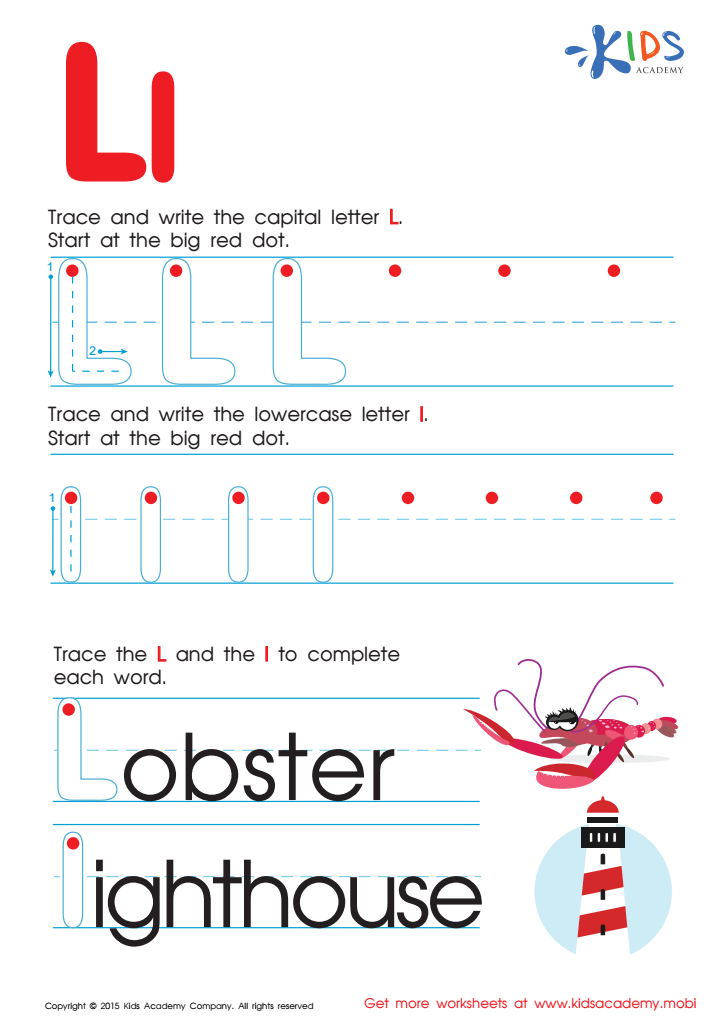
Letter L Tracing Page
 Assign to My Students
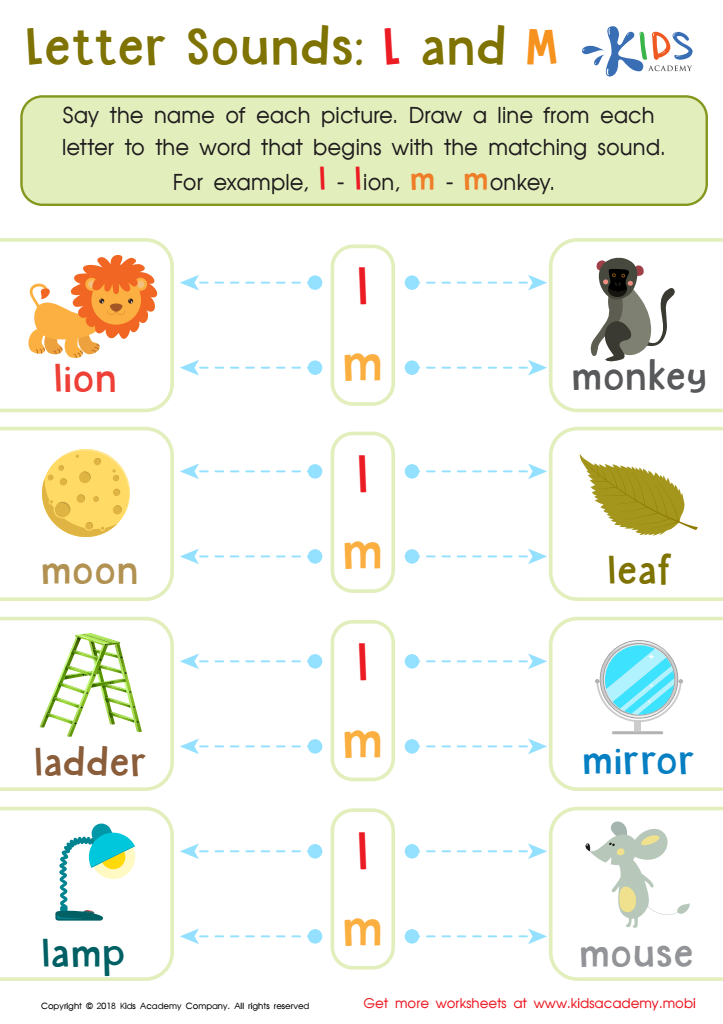
Letter l and M Sounds Worksheet
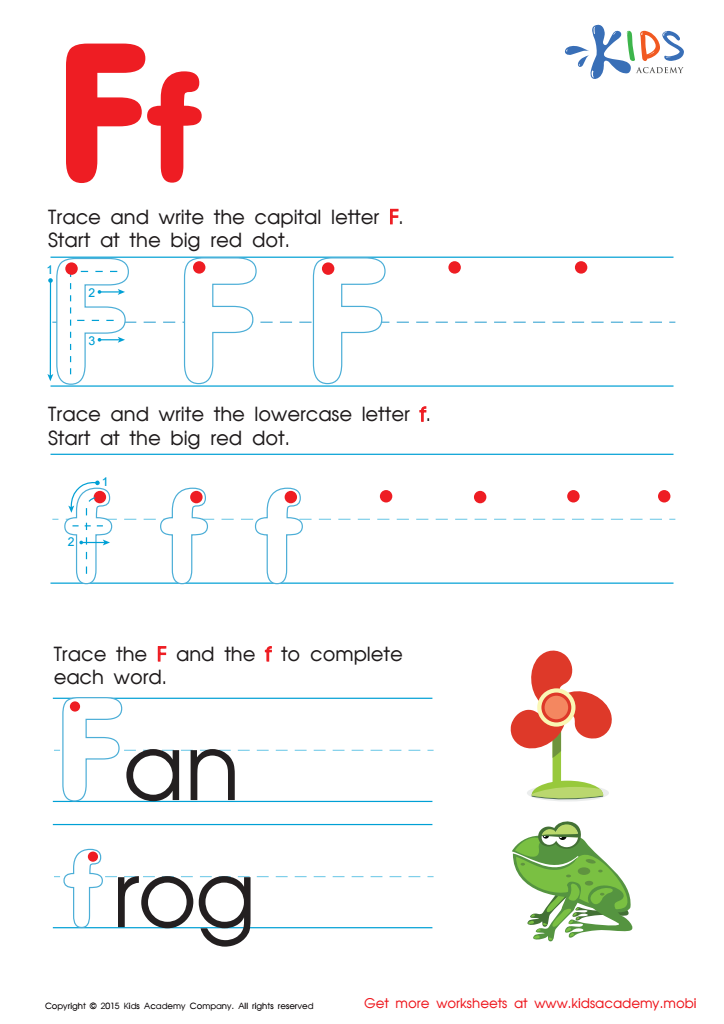
Letter F Tracing Page






Alphabet learning is a foundational aspect of early childhood development that significantly impacts a child's future educational success. At the age of three, children are in a critical period for language acquisition and cognitive development. Introducing them to alphabets during this stage helps to stimulate brain areas associated with language and literacy.
When children become familiar with letters early on, they begin to develop phonemic awareness—the ability to hear, identify, and manipulate phonemes, which are the smallest units of sound in a language. Phonemic awareness is essential for reading proficiency, as it helps children understand how sounds form words. This foundation prepares them for spelling and writing, building blocks of effective communication.
Moreover, early alphabet learning fosters a love for reading. Stories, songs, and games that incorporate letters capture children’s interest and make learning enjoyable. This association between fun and learning is crucial for maintaining their interest and motivation as they advance in their education.
Parents and teachers play a vital role in providing a supportive, enriching environment for learning. By caring about alphabet learning effectiveness, they help children build strong literacy skills from the start, setting them up for academic success and a lifelong love of learning. Neglecting this aspect can lead to challenges in these critical areas and might negatively impact a child's experience with academics later on.








