Color recognition Normal Worksheets for 3-Year-Olds - Page 2
26 filtered results
-
From - To
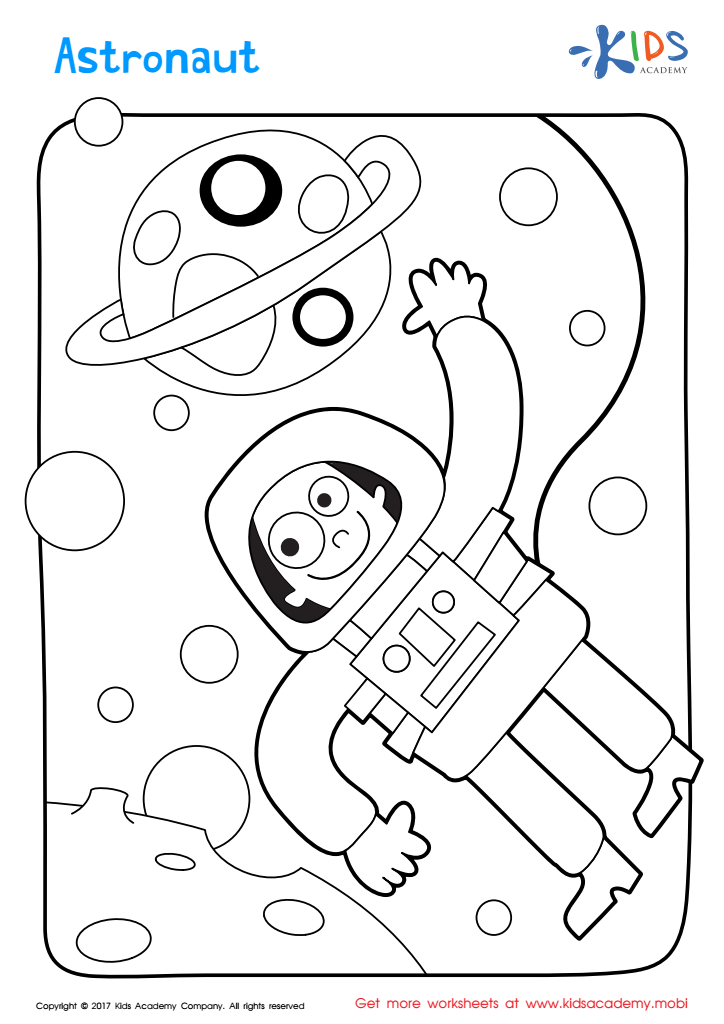
Astronaut Coloring Page
 Assign to My Students
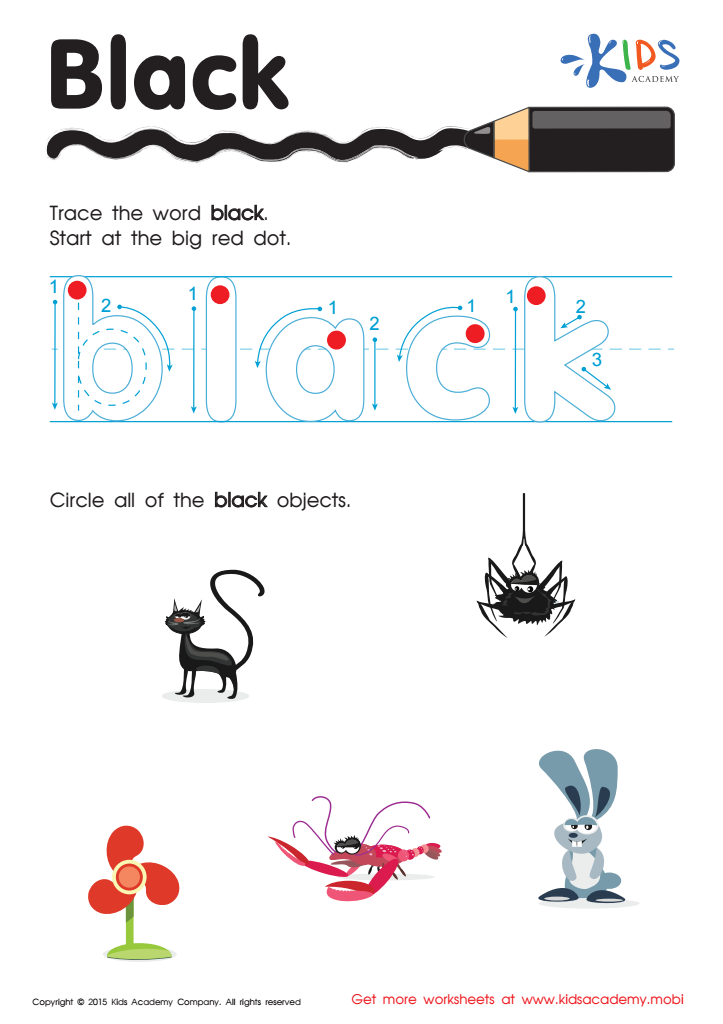
Black Tracing Color Words Printable







Color recognition is a fundamental skill that plays a crucial role in the cognitive and social development of 3-year-old children. Parents and teachers should care about this milestone because it is closely linked to a child's ability to communicate, understand, and interact with the world around them.
First, recognizing and naming colors enriches vocabulary and language skills, fostering effective communication. Children who can identify colors confidently are more likely to express their needs and observations clearly, aiding verbal interactions with peers and adults.
Second, color recognition is pivotal for cognitive development and problem-solving. Differentiating and categorizing colors helps children understand sorting, sequencing, and organizing objects, which are foundational mathematics and logical thinking skills. This cognitive ability supports their readiness for more complex educational tasks ahead.
Third, color recognition directly influences everyday safety and independence. Identifying colors in the environment, such as traffic lights or warning signs, helps children understand and respond appropriately to safe and unsafe situations.
Socially and emotionally, being proficient in color recognition allows children to engage fully with peers during play and structured activities like coloring or games. This capability promotes collaboration, sharing, and boosts self-esteem as children gain competence and validation in group settings.
Therefore, the emphasis on developing color recognition in 3-year-olds ensures a well-rounded early childhood education, crucial for holistic growth and future academic success.








