Creativity stimulation Normal Worksheets for 3-Year-Olds
5 filtered results
-
From - To
Unlock your child's imagination with our Creativity Stimulation Normal Worksheets for 3-Year-Olds! Designed to encourage creative expression and cognitive development, these engaging worksheets are perfect for little artists. They feature fun activities like coloring, drawing, and shape identification that promote critical thinking and fine motor skills. Our curriculum aligns with educational standards, ensuring that while your child is playing, they’re also learning valuable skills essential for early childhood development. Explore our diverse collection to enrich your child's learning experience and watch their creativity flourish. Ideal for home or classroom use, these worksheets offer a fun way to spark your child's imagination!
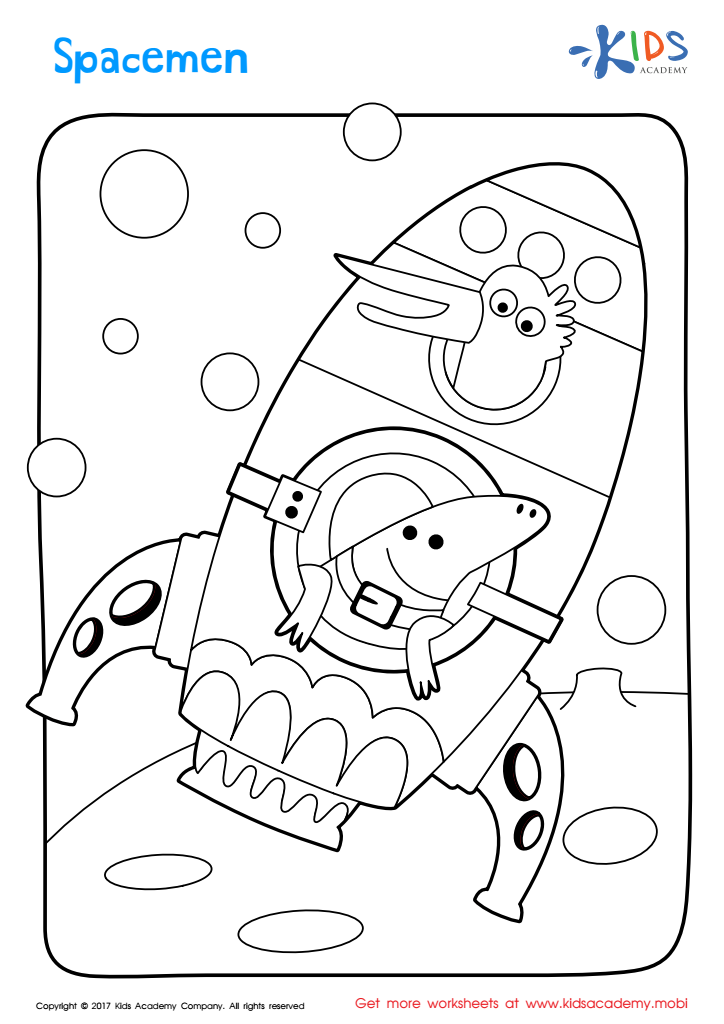
Spacemen Coloring Page
 Assign to My Students
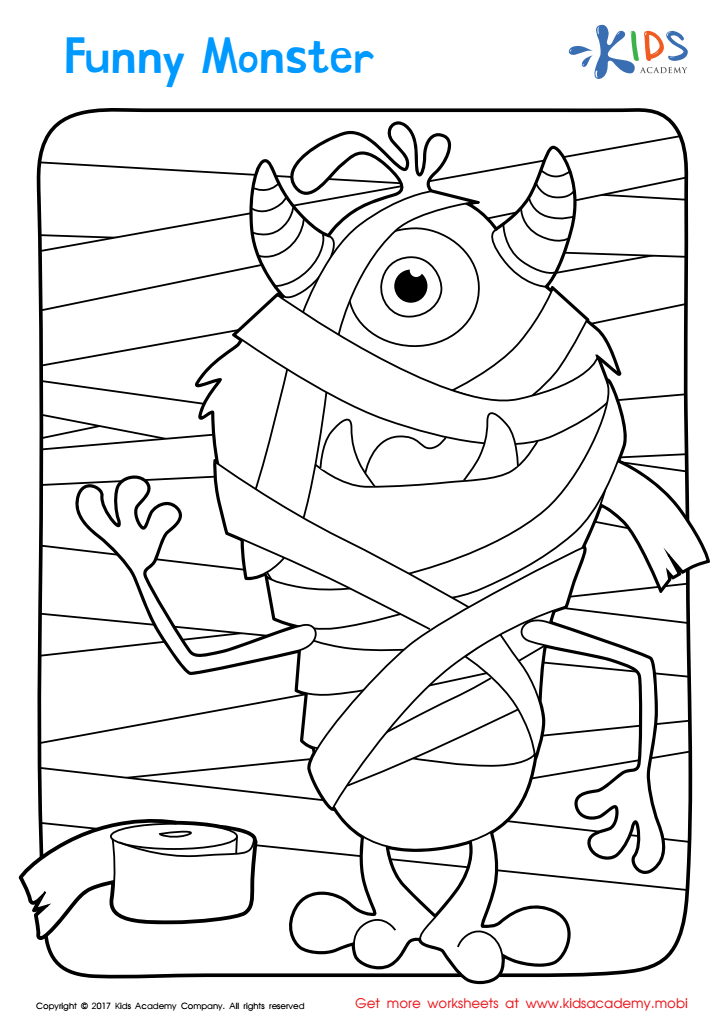
Halloween: A Funny Monster Worksheet
Assign to My Students
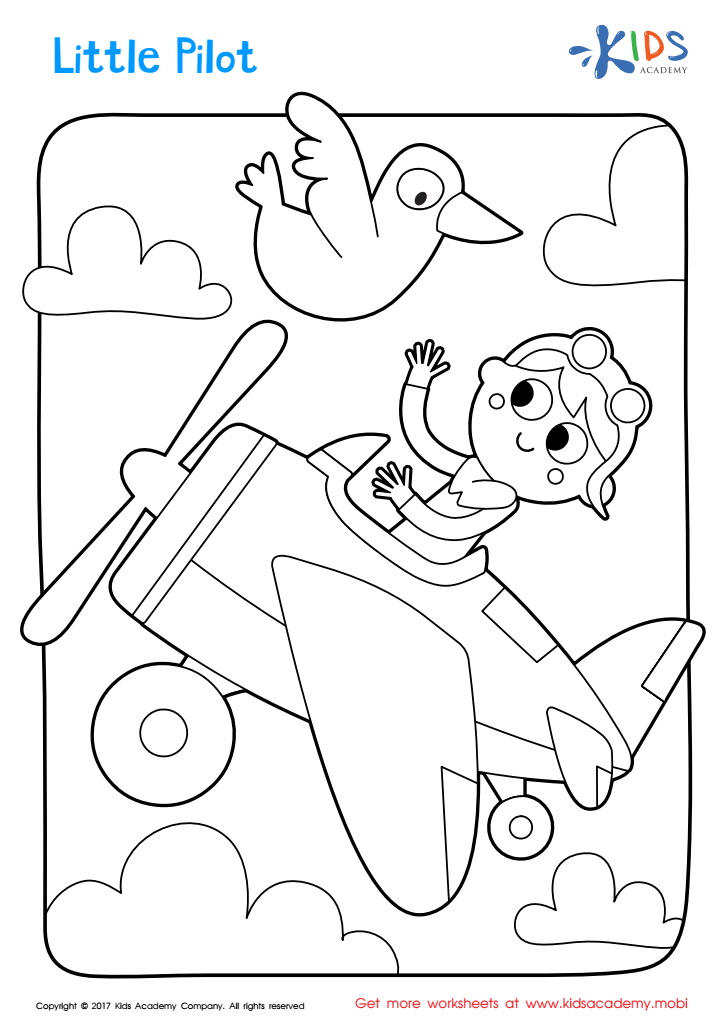
Little Pilot Coloring Page
Assign to My Students
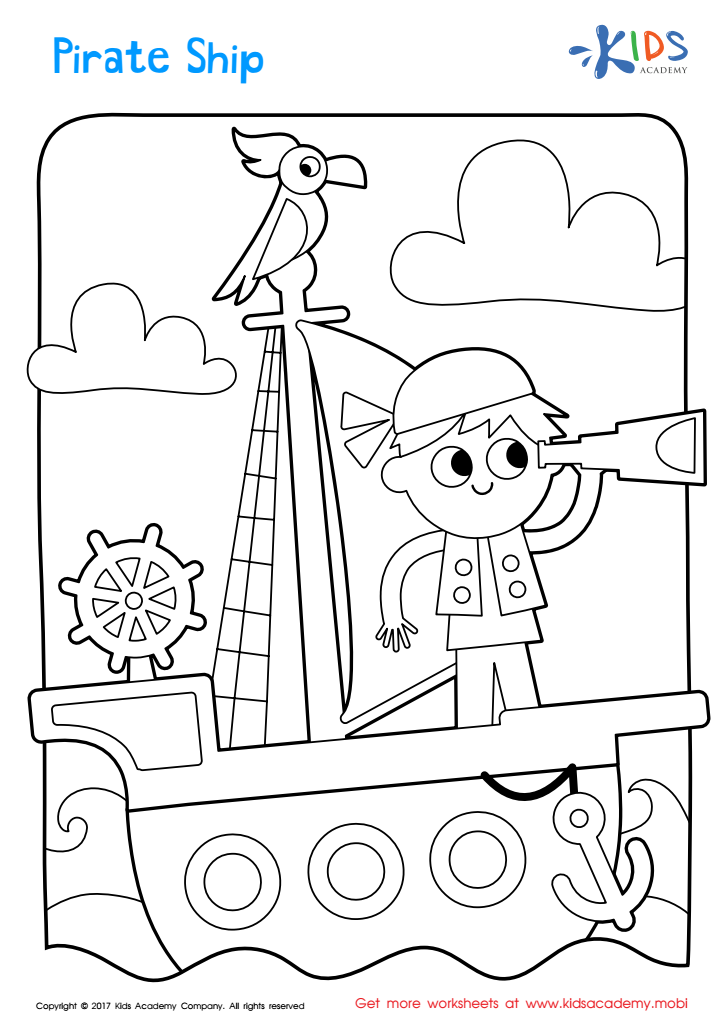
Pirate Ship Coloring Page
Assign to My Students
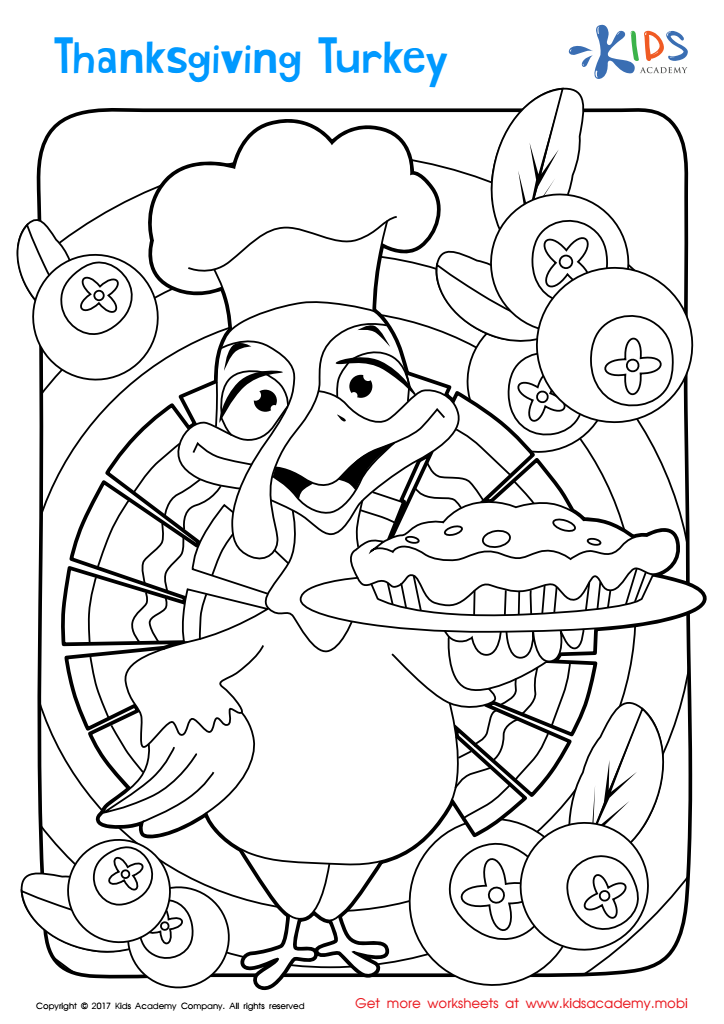
Turkey Thanksgiving Day Worksheet
Assign to My Students








Creativity stimulation in 3-year-olds is crucial for their overall development and learning. At this age, children are naturally curious and eager to explore their surroundings. Parents and teachers play a pivotal role in fostering this creative spark, as it sets the foundation for problem-solving, critical thinking, and emotional expression.
Engaging in creative activities, such as art, music, and imaginative play, allows children to experiment with ideas and express their thoughts and feelings. This not only enhances cognitive skills but also boosts self-esteem and resilience, as they learn to take risks and overcome challenges in a safe environment. Moreover, creativity helps in developing fine motor skills through activities like drawing or building with blocks.
By nurturing creativity, we encourage children to think outside the box, preparing them for complex situations in the future. Additionally, creative play frequently promotes social skills, as collaborative projects teach sharing, negotiation, and empathy. A well-rounded approach to development ensures that children are not just prepared academically, but also socially and emotionally. Thus, investing time and resources into stimulating creativity in early childhood provides critical benefits that can last a lifetime. Parents and teachers should recognize the importance of this developmental stage and embrace creativity as a key component of learning.








