Shape identification Normal Worksheets for 3-Year-Olds
6 filtered results
-
From - To
Discover our engaging Shape Identification Normal Worksheets designed specifically for 3-year-olds! These fun, interactive worksheets help your little learners recognize and distinguish various shapes while developing essential cognitive and fine motor skills. Each worksheet features vibrant visuals and simple instructions, making learning enjoyable and effective. Children will explore basic shapes such as circles, squares, triangles, and more, fostering creativity through drawing and coloring activities. Ideal for home or classroom settings, our worksheets encourage early childhood education by promoting shape identification in a playful and accessible manner. Start shaping your child’s future today with our carefully crafted resources!
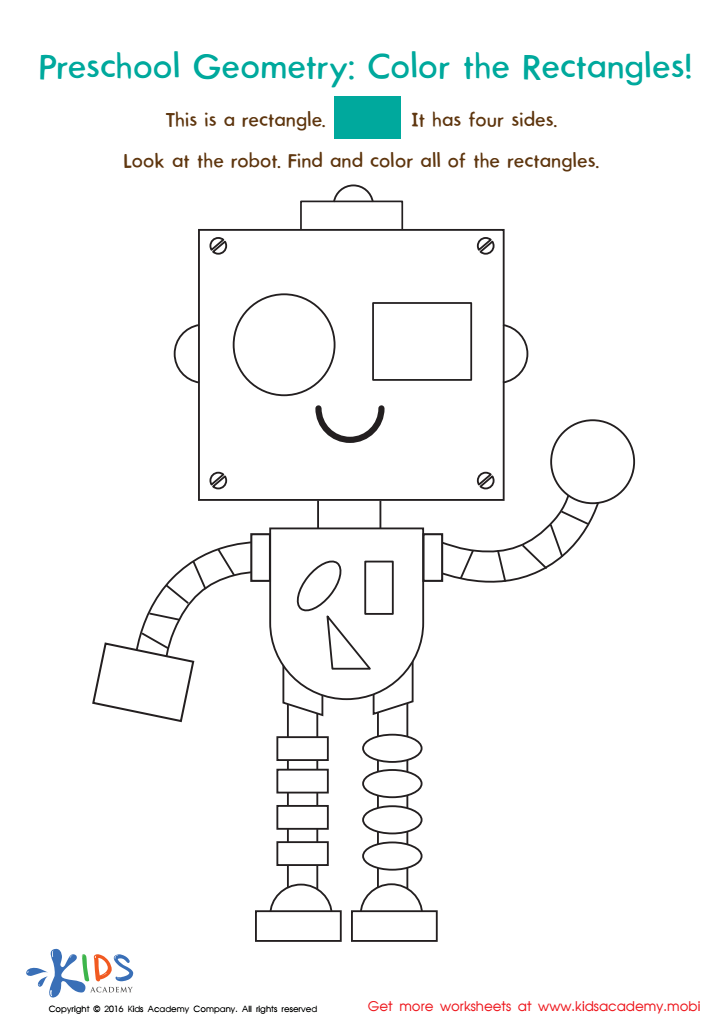
Geometry Worksheet
 Assign to My Students
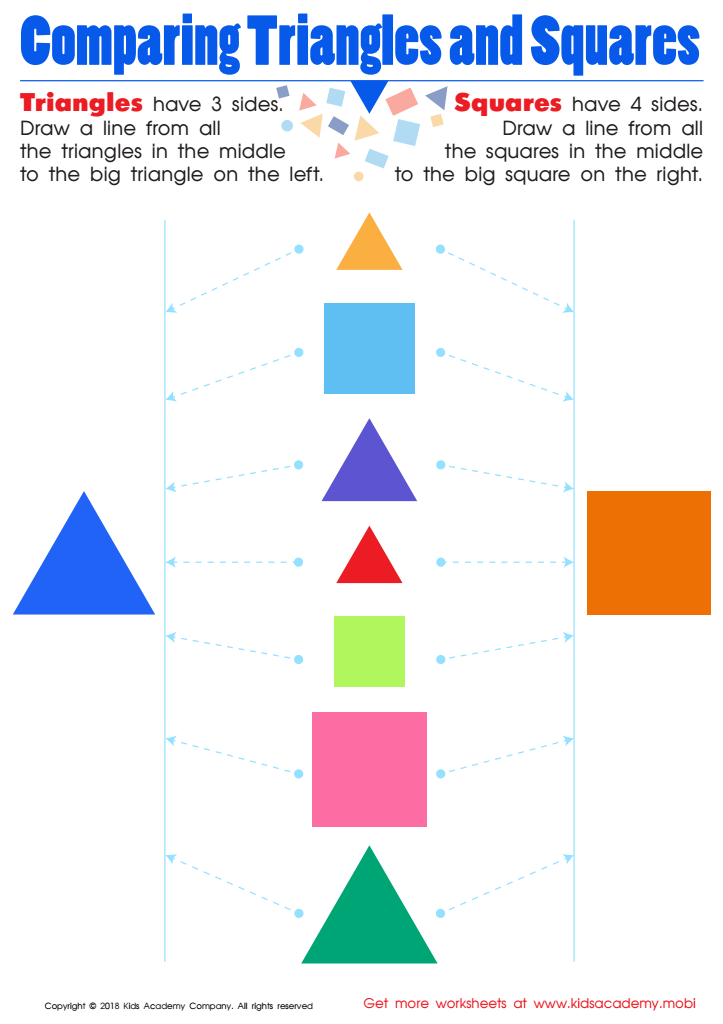
Comparing Triangles Squares Worksheet
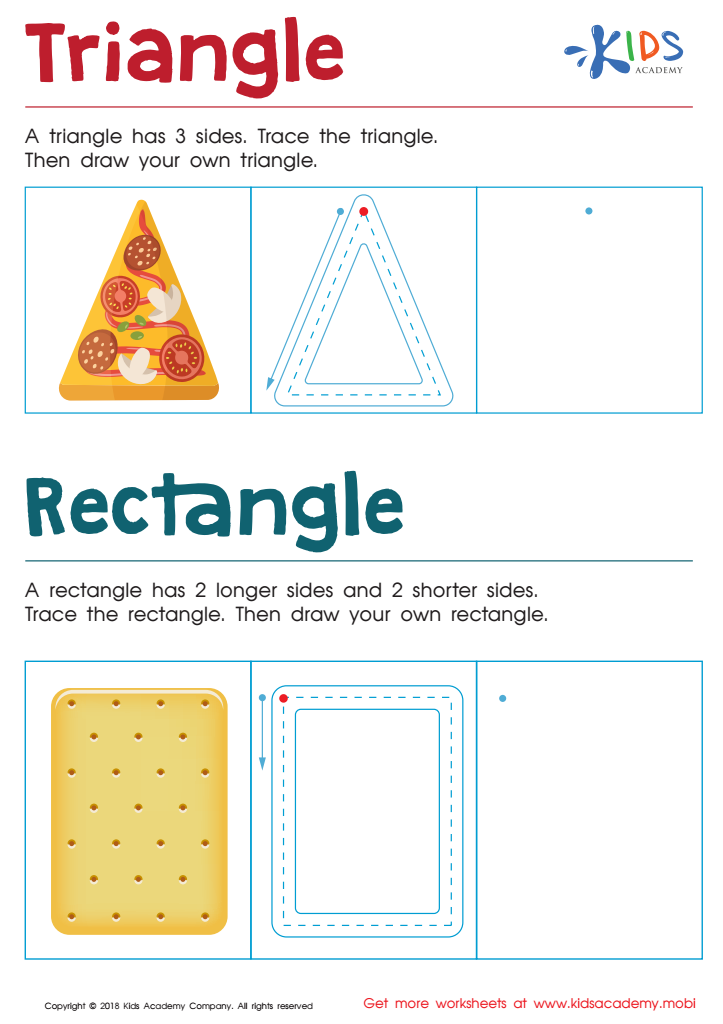
Triangle Rectangle Worksheet
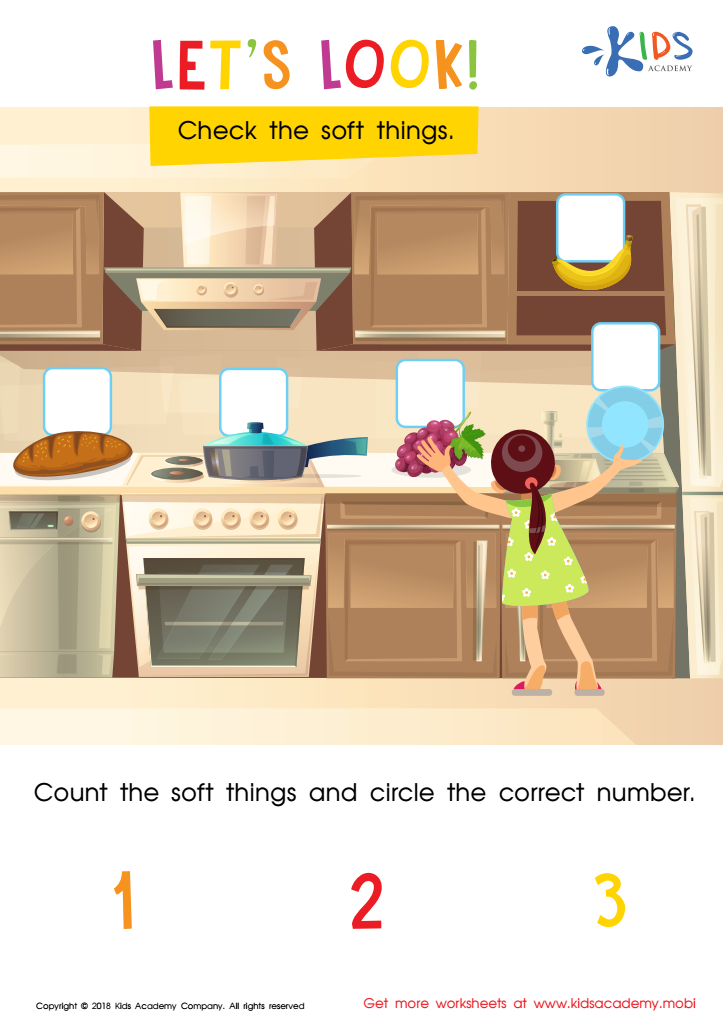
Let's Look! Assessment Worksheet
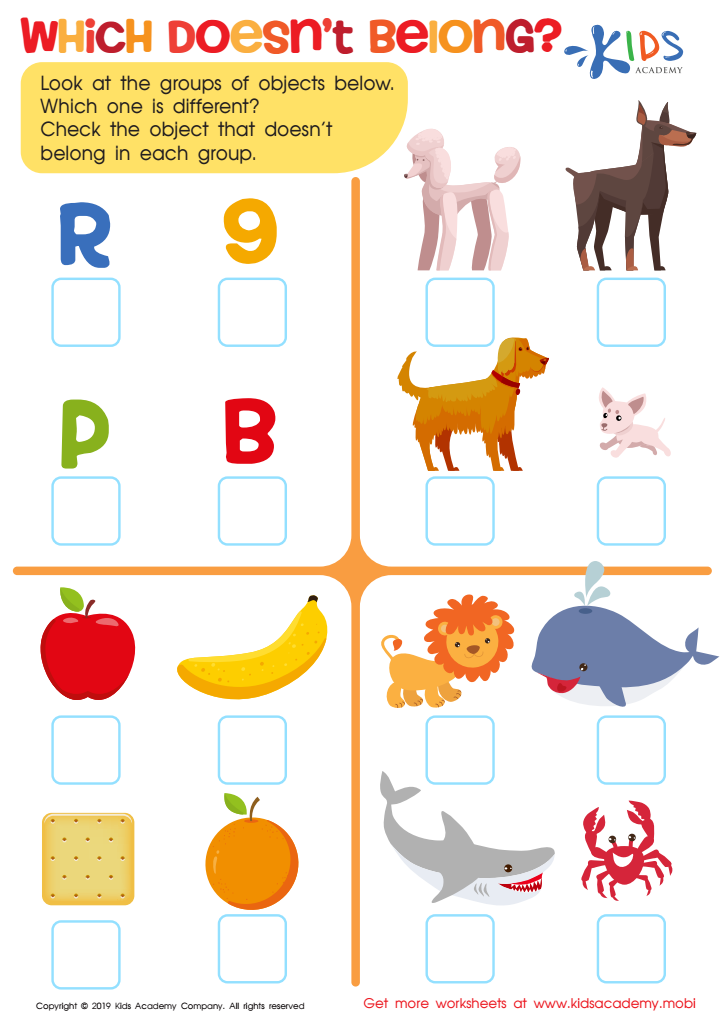
Which Doesn't Belong? Worksheet
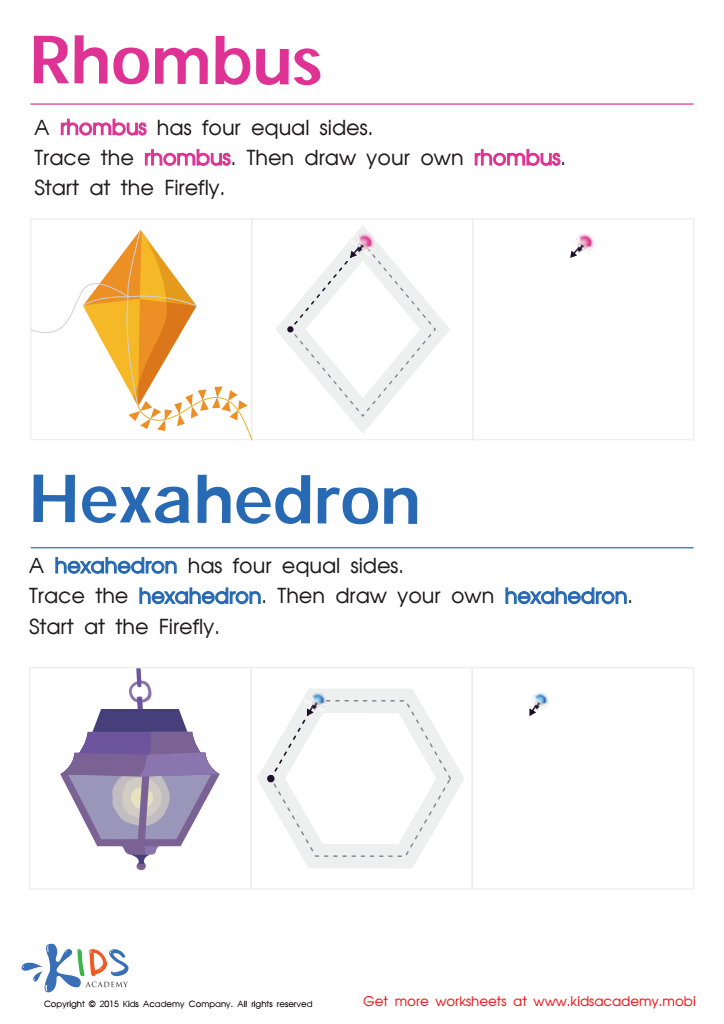
Draw a Rhombus And a Hexahedron Printable








Shape identification is a crucial developmental milestone for 3-year-olds that parents and teachers should prioritize for several reasons. First, recognizing shapes promotes cognitive development by enhancing a child's observational skills and attention to detail. As children learn to distinguish between different shapes like circles, squares, and triangles, they begin to understand the concept of categorization, which is foundational for future learning, especially in math and science.
Additionally, shape identification supports language development. When children learn the names of shapes, it enriches their vocabulary and encourages conversation. They learn to articulate their thoughts, ask questions, and engage more deeply with their surroundings.
Furthermore, recognizing shapes lays the groundwork for essential motor skills. Many shape-related activities involve hands-on learning, such as building with blocks or drawing. These activities refine fine motor skills and foster creativity.
Finally, encouraging shape recognition fosters self-confidence and independence in children. As they master this skill, they experience a sense of accomplishment, which motivates them to tackle new challenges in their learning journey.
In summary, shape identification nurtures cognitive, linguistic, and motor development while also building confidence, making it an essential focus for parents and teachers during early childhood education.








