Mathematical reasoning Normal Math Worksheets for 3-Year-Olds
3 filtered results
-
From - To
Discover our engaging Normal Math Worksheets designed specifically for 3-year-olds, aimed at developing essential mathematical reasoning skills. These worksheets provide vibrant, age-appropriate activities that introduce concepts like counting, sorting, and simple patterns, helping young learners build a solid mathematical foundation. Each worksheet is crafted to stimulate critical thinking and encourage problem-solving in a playful manner. Ideal for homeschoolers, preschools, or parents looking to enrich their child's learning experience, our resources ensure that math is fun and accessible. Explore our collection today and watch your child confidently embrace the world of mathematics while sharpening their cognitive skills!
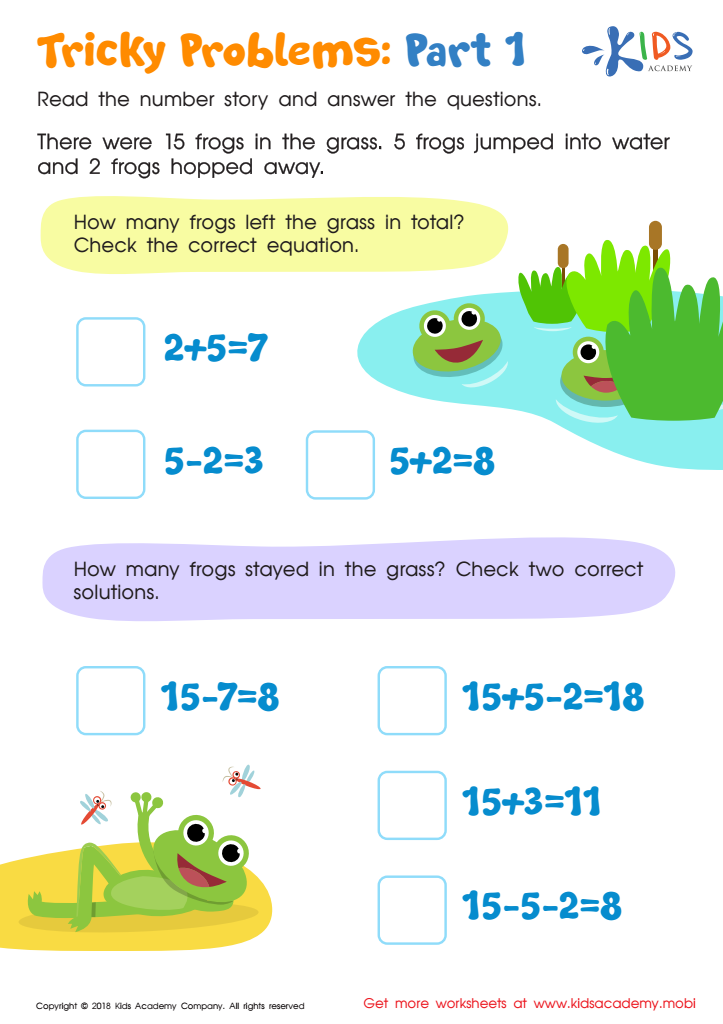
Tricky Problems Worksheet: Part 1
 Assign to My Students
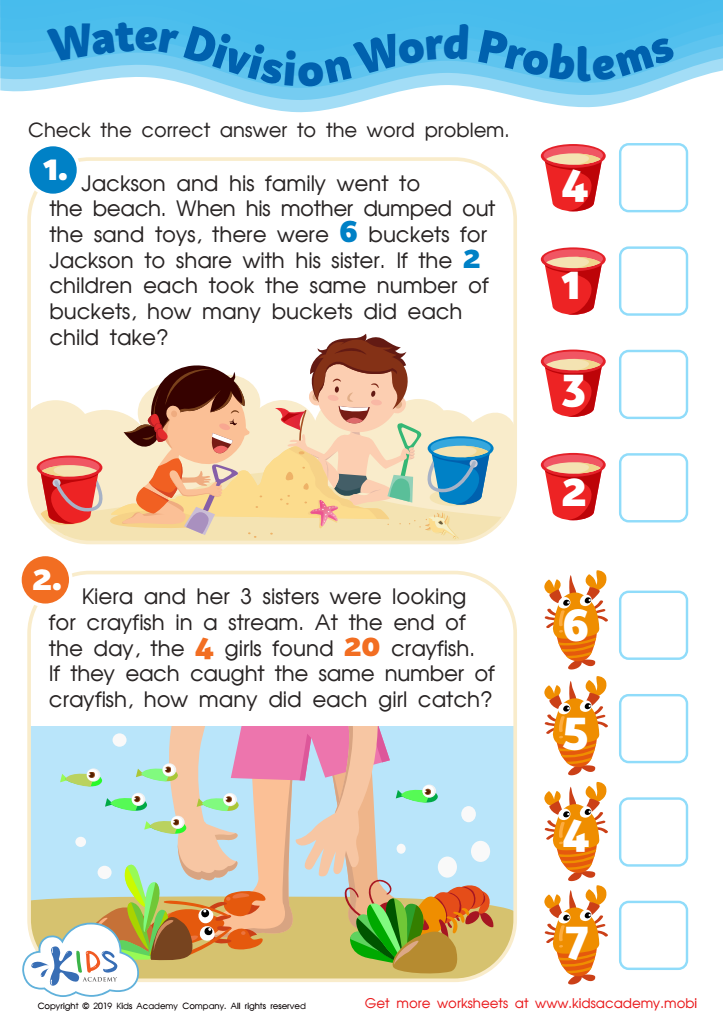
Water Division Word Problems Worksheet
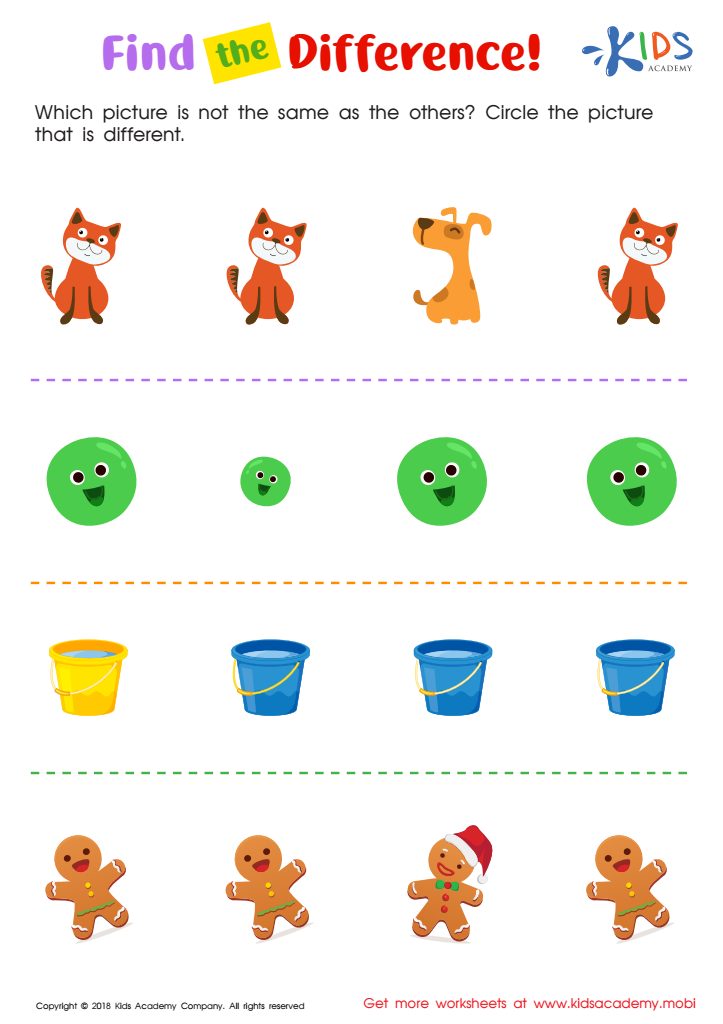
Find the Difference Worksheet








Mathematical reasoning is an essential skill for young children, particularly for 3-year-olds, as it lays the groundwork for future learning. At this stage, children are naturally curious and equipped with a remarkable ability to absorb new concepts. Engaging them in Normal Math activities fosters this curiosity and supports cognitive development.
By introducing basic mathematical reasoning, such as sorting, counting, and recognizing patterns, parents and teachers help children develop critical thinking skills. These foundational skills are not only vital for math success but also enhance problem-solving abilities across various contexts in everyday life. Early exposure sets the tone for a positive attitude toward math, helping to combat future math anxiety.
Moreover, incorporating mathematical reasoning through play and fun activities contributes to language development and social skills, as children communicate their thoughts and learn from peers. Mathematical reasoning also encourages exploration, creativity, and curiosity—key components of overall learning.
Ultimately, prioritizing mathematical reasoning in the early years arms children with the skills they need to navigate an increasingly complex world, making it essential for parents and teachers to recognize its value in early childhood education. Early investment in these skills can lead to a greater likelihood of success in later academic pursuits and everyday problem-solving.








