Visual discrimination Normal Math Worksheets for 3-Year-Olds
7 filtered results
-
From - To
Boost your child's early learning with our Visual Discrimination Normal Math Worksheets for 3-year-olds! Designed to enhance visual skills, these engaging worksheets encourage young learners to differentiate shapes, patterns, and colors. Perfect for developing critical thinking, each activity fosters concentration and attention to detail. With colorful illustrations and age-appropriate challenges, children will enjoy exploring math concepts while building foundational skills necessary for future success. Ideal for home or classroom use, our worksheets make learning fun and effective. Join thousands of parents and educators who trust Kids Academy to help little ones thrive. Download now and watch your child's visual discrimination skills soar!
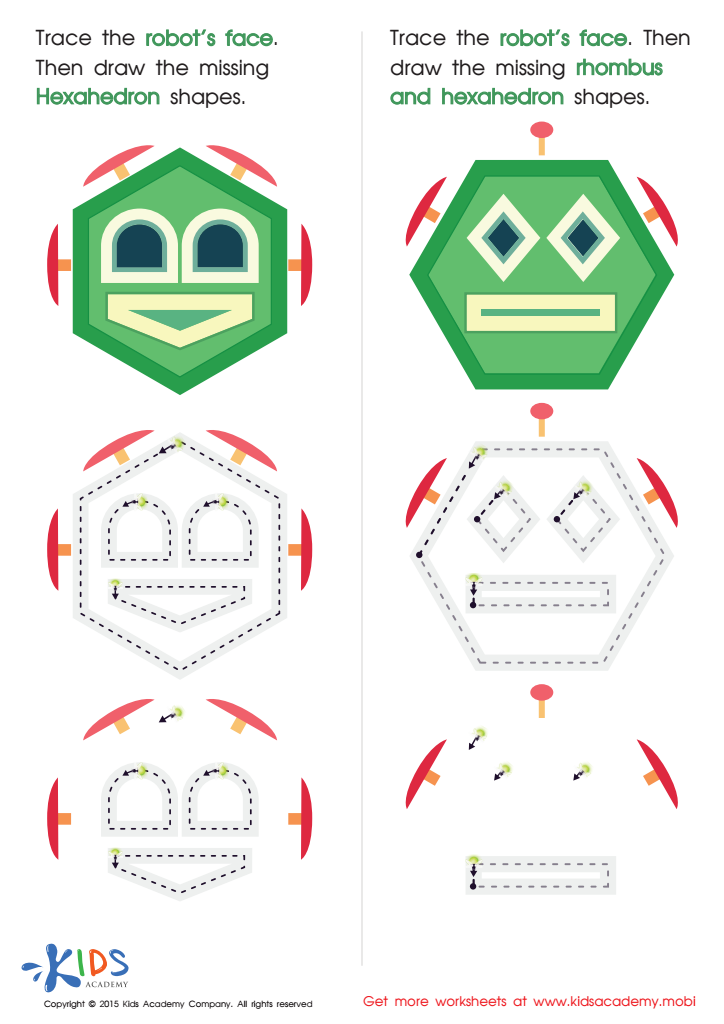
Practice Drawing Hexahedrons And a Rhombus Worksheet
 Assign to My Students
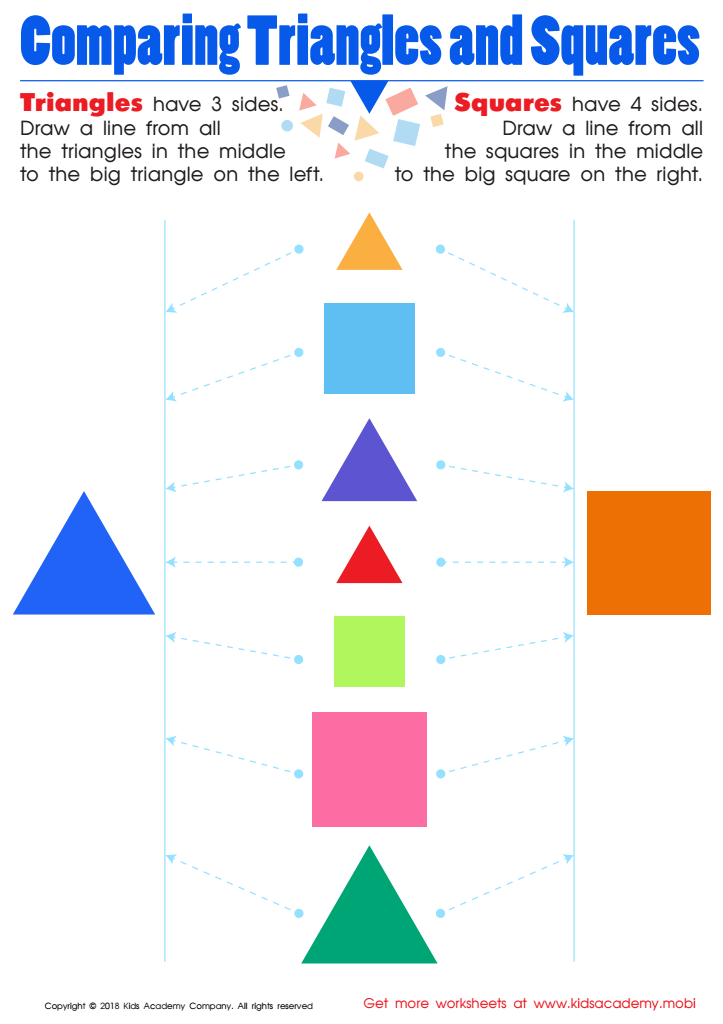
Comparing Triangles Squares Worksheet
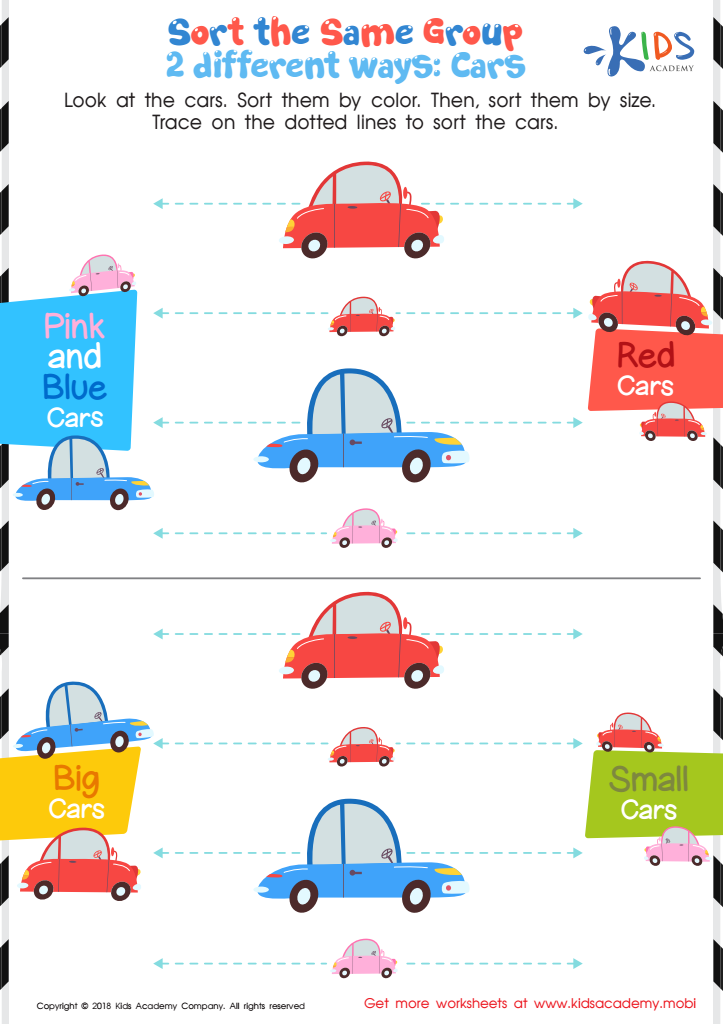
Sort the Same Group 2 Different Ways: Cars Worksheet
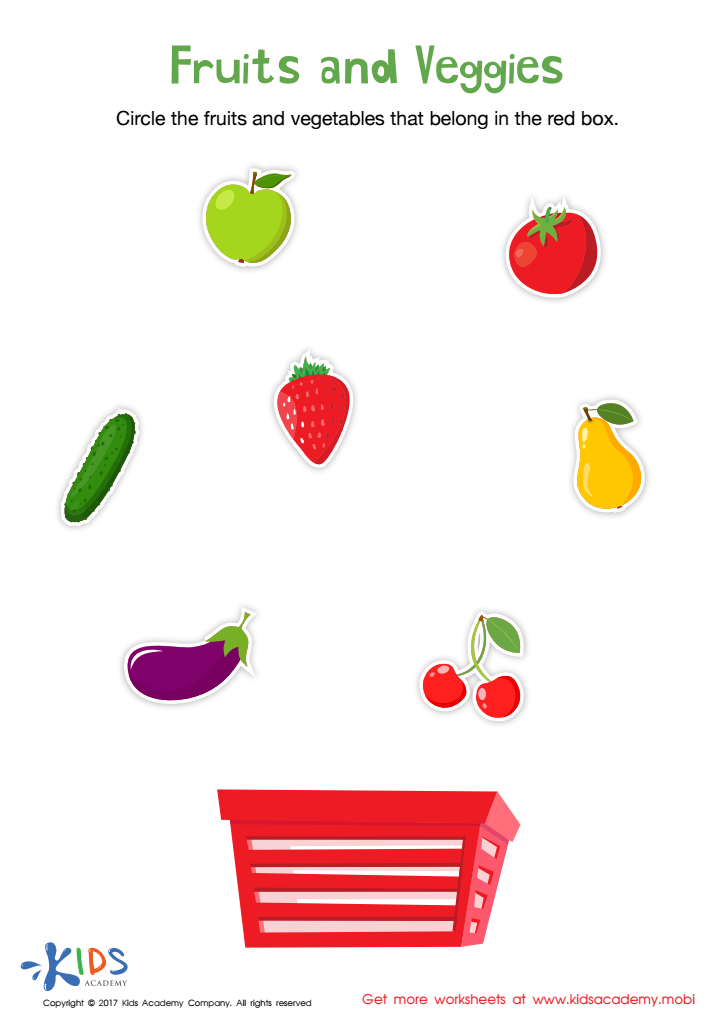
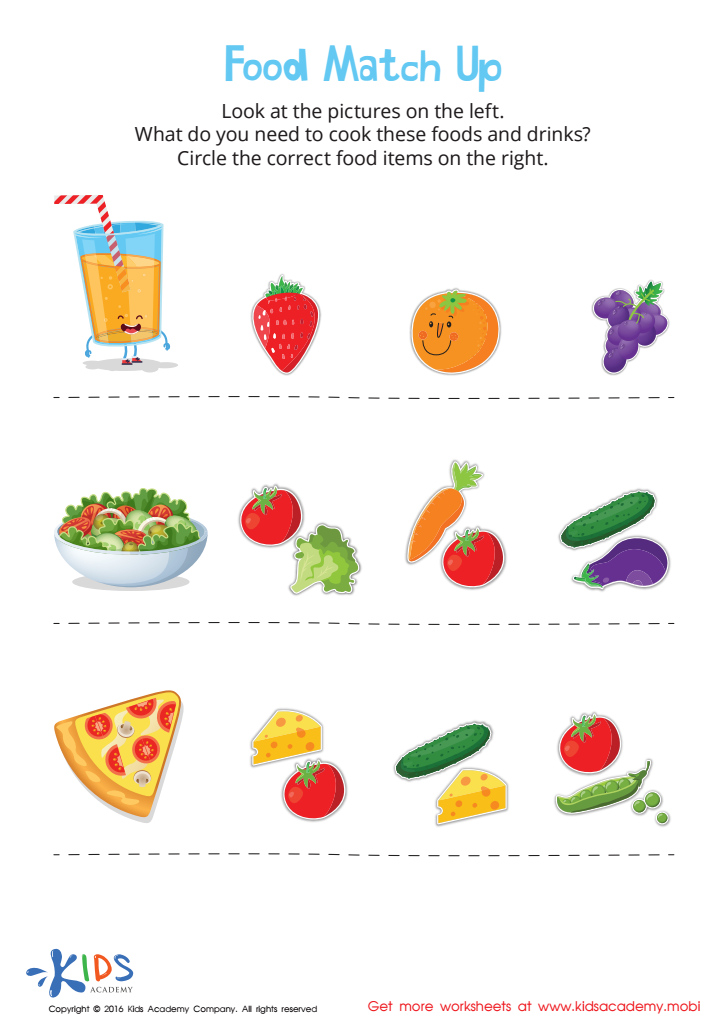
Food Match Up Worksheet
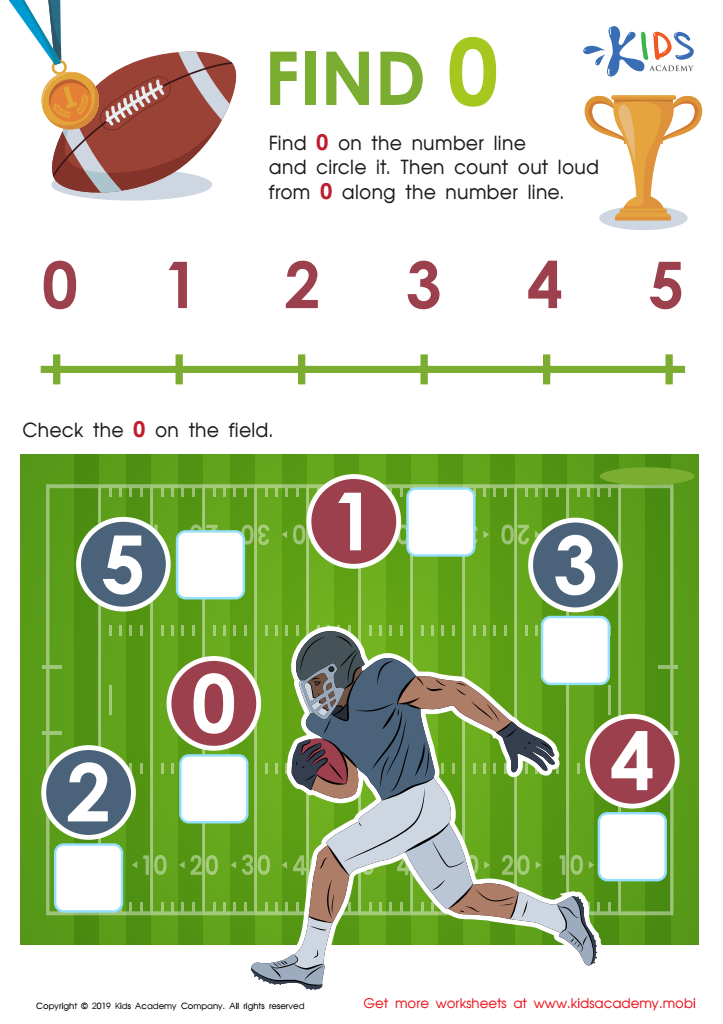
Find 0 Worksheet
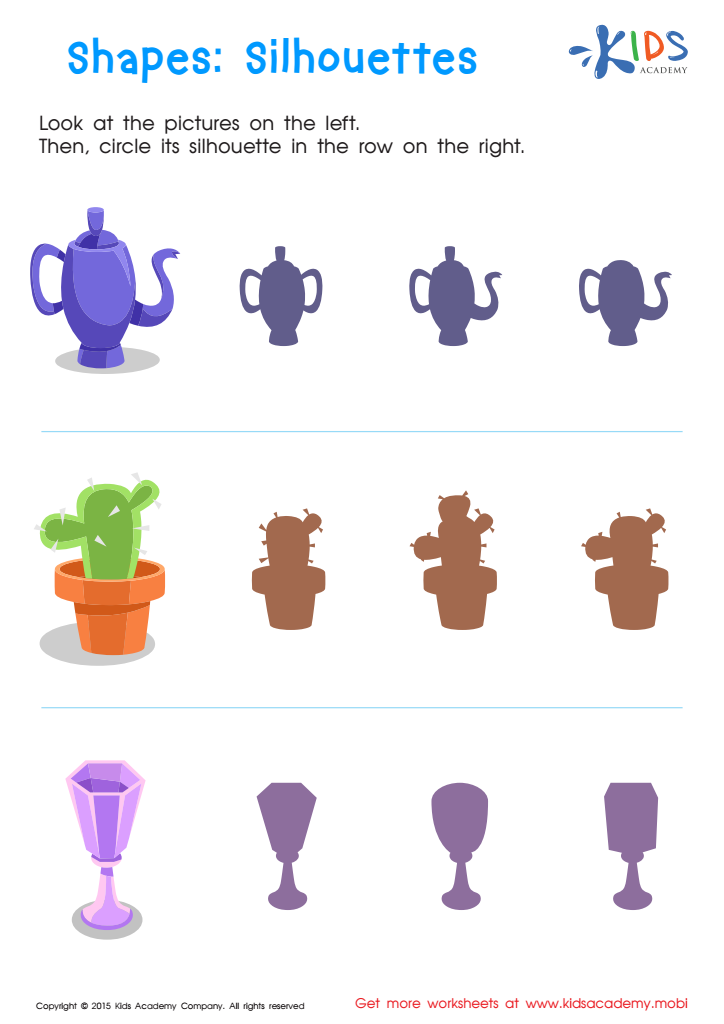
Silhouettes – Shapes Worksheet






.jpg)

Visual discrimination is a critical skill for early learners, especially in the context of normal math development for 3-year-olds. It refers to the ability to notice differences and similarities in objects, shapes, colors, and patterns. Parents and teachers should prioritize this skill because it lays the foundation for mathematical understanding and other cognitive processes.
At this age, children are naturally curious and perceptive. Engaging them in activities that enhance visual discrimination fosters their ability to identify and categorize objects, which are essential skills for future math concepts like counting, sorting, and recognizing patterns. For example, if a child can differentiate between two similar shapes, they will be more equipped to understand geometric concepts later on.
Furthermore, visual discrimination skills support literacy development, as children who perceptually analyze letter shapes and sounds can transition more effectively into reading and writing.
Activities that encourage visual discrimination, such as puzzles, matching games, and sorting exercises, can be both educational and enjoyable. By investing time and effort into developing this skill, parents and teachers contribute to a child's overall cognitive growth, laying the groundwork for successful learning experiences in both math and literacy. This early attention enhances their academic readiness and confidence.








