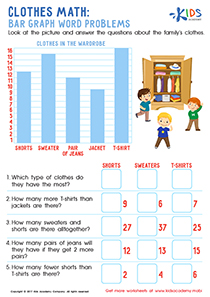
Reading comprehension Normal Two-step Word Problems Worksheets for 3-Year-Olds
3 filtered results
-
From - To
Enhance your child’s early learning with our Reading Comprehension Normal Two-step Word Problems Worksheets for 3-Year-Olds. Designed specifically for young minds, these printable worksheets combine fun and education to develop crucial reading comprehension and problem-solving skills. Perfect for preschoolers, each worksheet provides engaging scenarios that require two-step thinking processes. By integrating storytelling and basic math, kids cultivate their ability to understand, interpret, and solve word problems. These interactive activities ensure a delightful learning experience, paving the way for future academic success in a playful and supportive manner. Explore now to boost your child's confidence and skills!
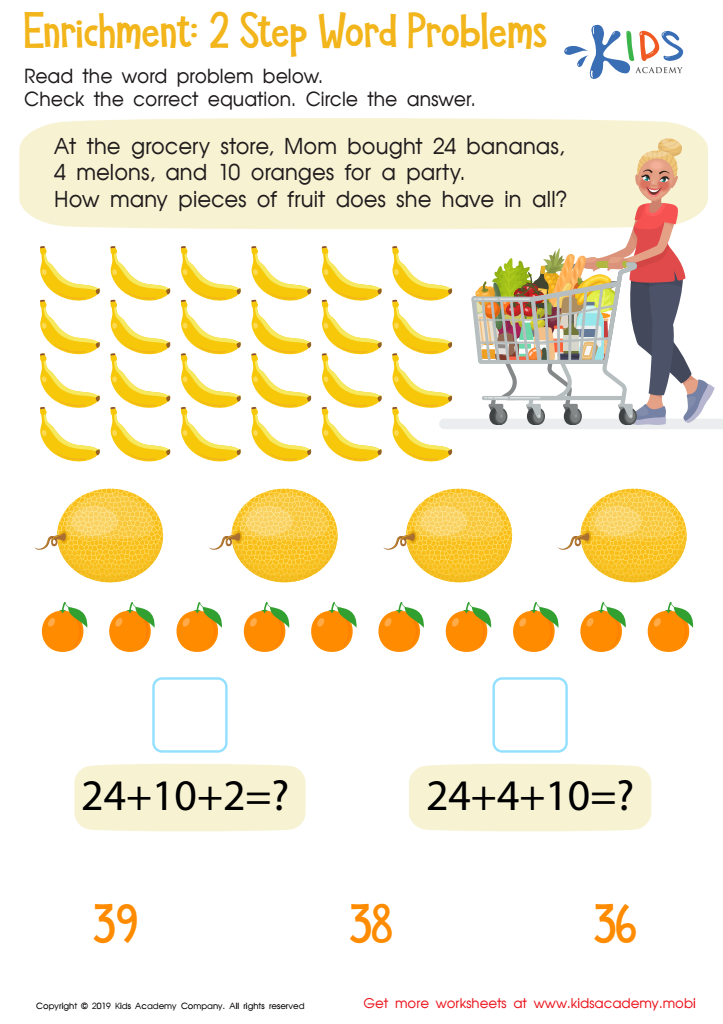
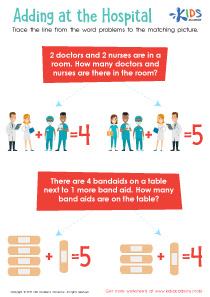
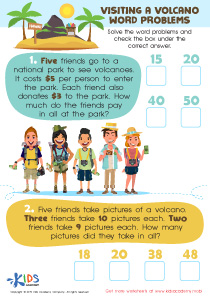
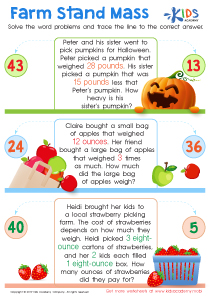
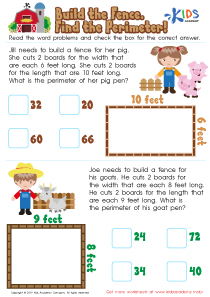
Enrichment -2 Step Word Problems Worksheet
 Assign to My Students
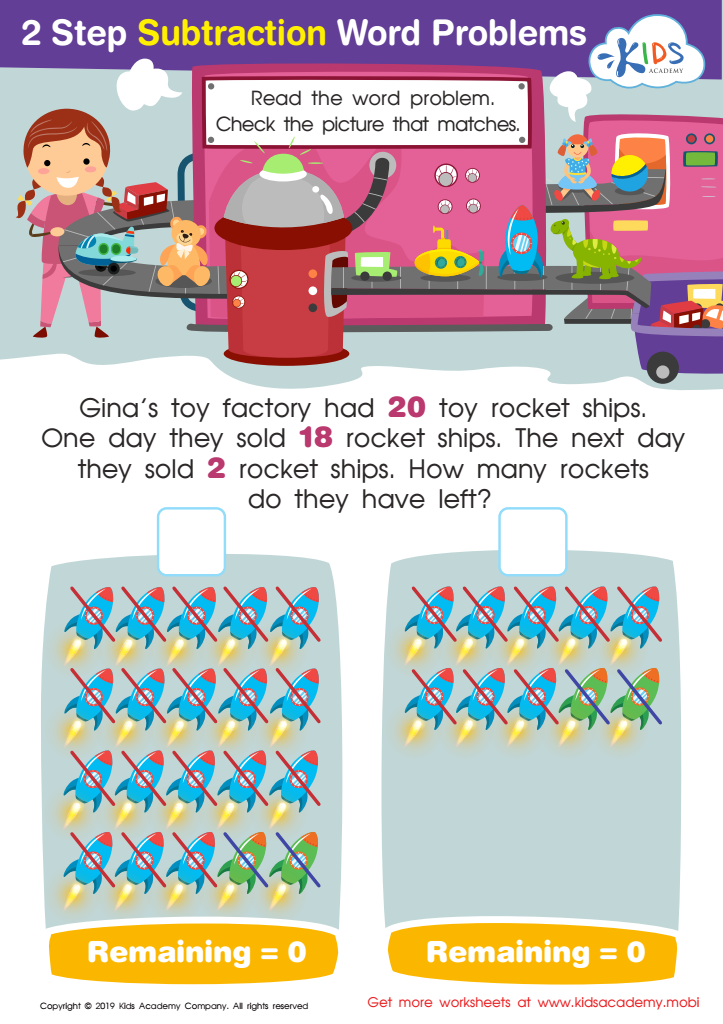
Step Subtraction Word Problems Worksheet
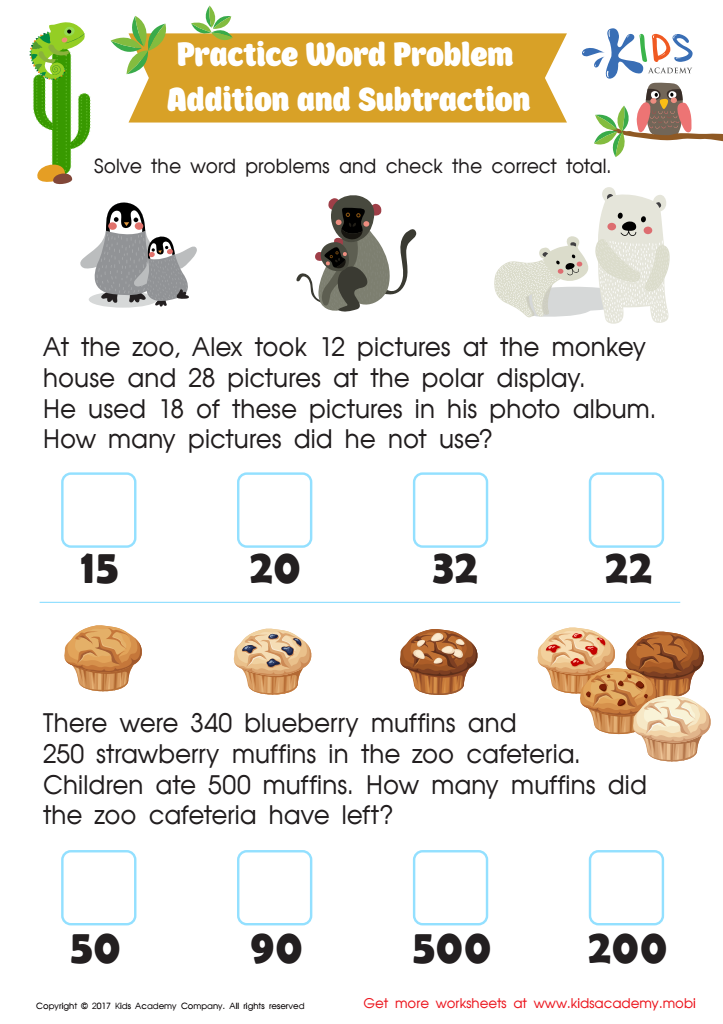
Addition and Subtraction: Word Problems Worksheet



While it may seem premature to concern oneself with reading comprehension and structured word problems for 3-year-olds, early exposure to these concepts lays a crucial foundation for future academic success. At this tender age, children's brains rapidly absorb information, and their cognitive abilities are highly malleable. Engaging young minds with normal two-step word problems can enhance their listening skills, critical thinking, and basic mathematical understanding—even if they may not yet grasp these complex tasks in detail.
For parents and teachers, the goal is not for the child to solve the problem entirely but to familiarize them with language structures, simple counting, and logical sequences. Early interactions with these elements can increase vocabulary, foster better comprehension, and instill a love for learning. Additionally, experiencing structured challenges in a supportive environment encourages perseverance and problem-solving abilities.
Reading comprehension activities stimulate a child's imagination and improve attention span, which are essential life skills. Teachers can incorporate stories and word problems during playtime, while parents can integrate them into daily routines. By prioritizing these learning experiences, parents and teachers equip children with the tools they need for future academic endeavors, ultimately fostering a more curious, capable, and confident learner.