Vocabulary enhancement Normal Building Vocabulary Worksheets for 3-Year-Olds
3 filtered results
-
From - To
Welcome to our Vocabulary Enhancement Normal Building Vocabulary Worksheets for 3-Year-Olds! Our engaging worksheets are designed specifically to boost your child's vocabulary skills through fun, age-appropriate activities. Featuring colorful illustrations and interactive exercises, these worksheets encourage early language development, helping young learners identify words, match pictures, and understand simple concepts. Perfect for parents and educators alike, our resources foster a love for reading while building essential vocabulary foundations. Explore activities that promote word recognition and comprehension, ensuring your little one has endless opportunities to grow and learn. Start enhancing your child's language skills today with our thoughtfully crafted worksheets!
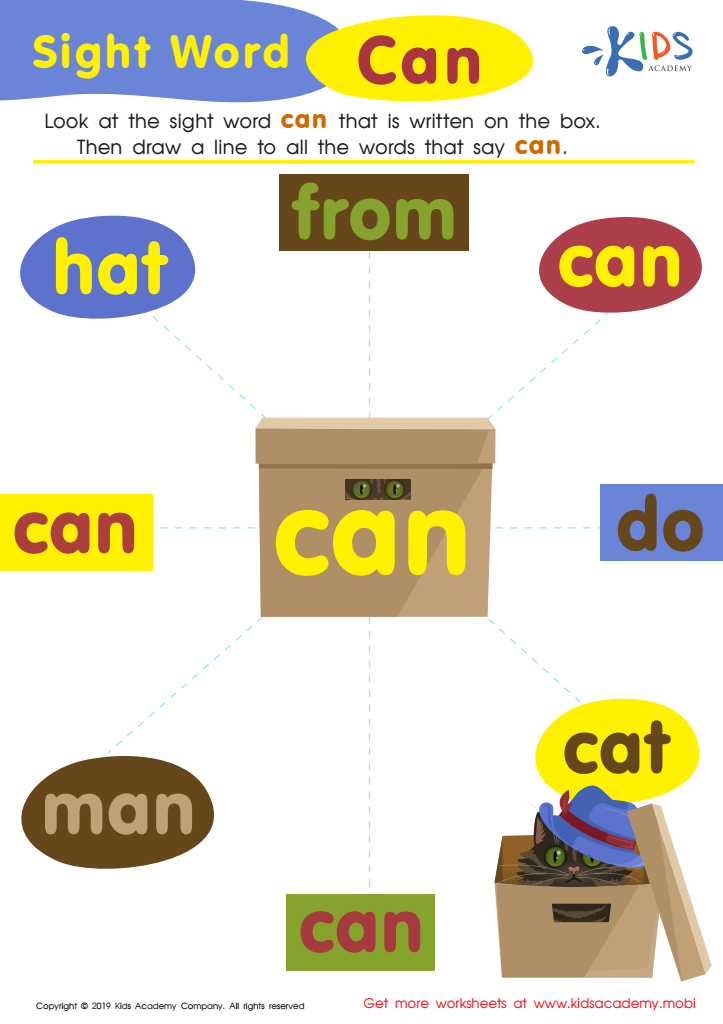
Sight Word Can Worksheet
 Assign to My Students











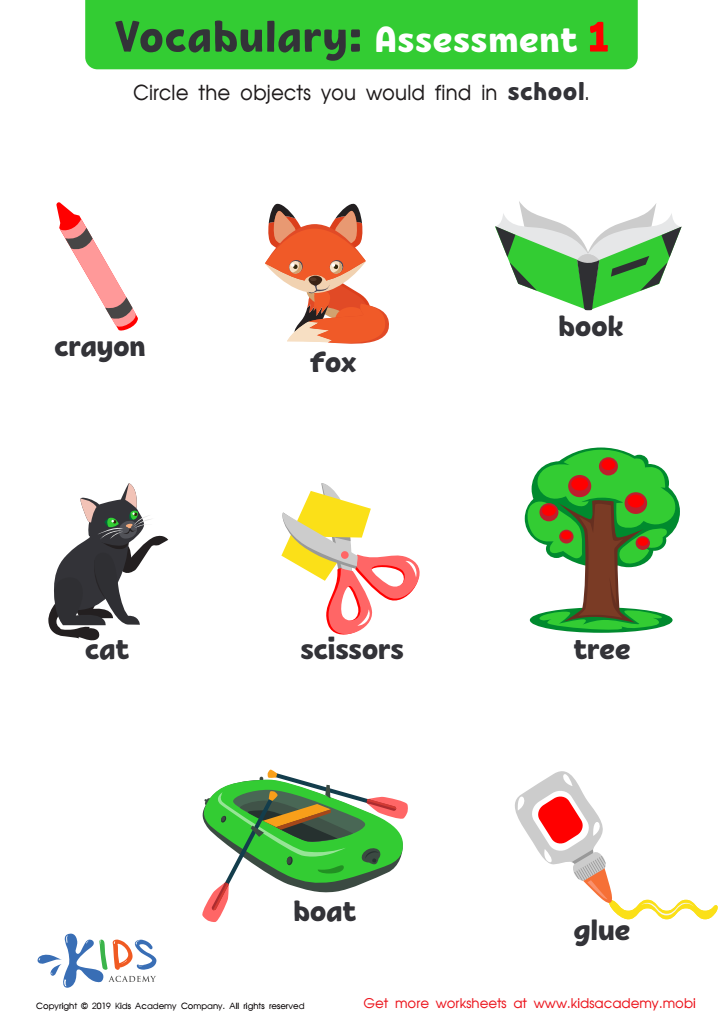
Vocabulary: Assessment 1 Worksheet
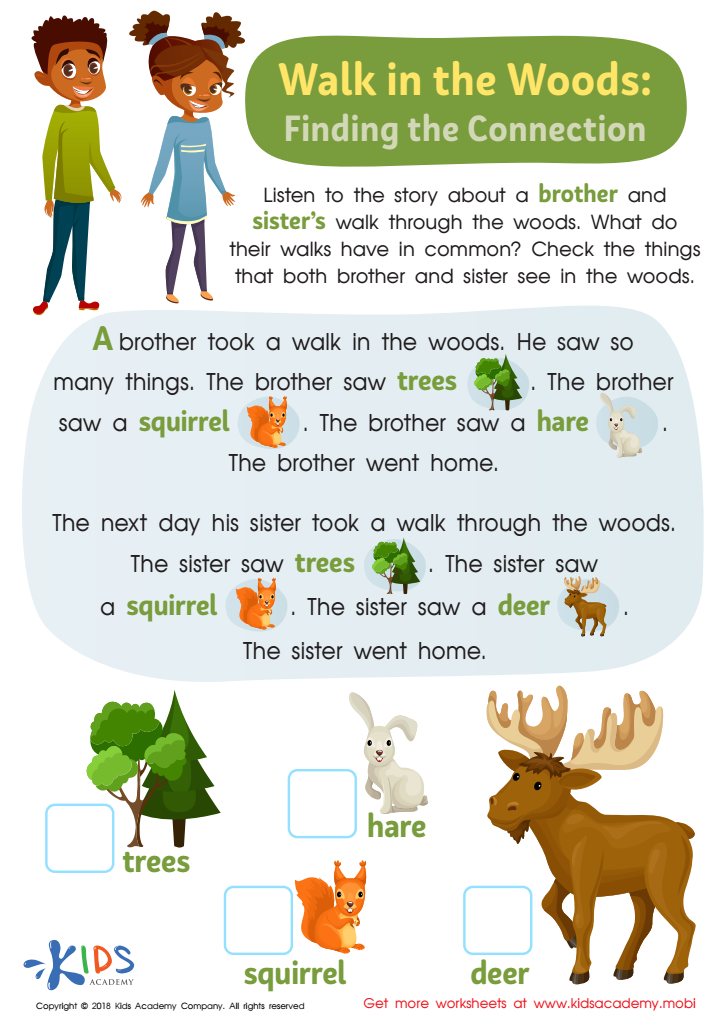
Walk In the Woods: Finding Connections Worksheet







.jpg)
Vocabulary enhancement for 3-year-olds is crucial for several reasons. At this age, children's brains are developing rapidly, and language skills are foundational to their overall cognitive growth. A rich vocabulary supports their ability to express thoughts, feelings, and ideas clearly and effectively. When parents and teachers prioritize vocabulary development, they facilitate better communication and comprehension, which are essential for successful learning experiences.
Furthermore, young children explore their world through language. Each new word they learn opens doors to new concepts, helping them make sense of their environment. For instance, enriching their vocabulary allows them to describe objects, actions, and emotions, fostering creativity and critical thinking.
Additionally, robust vocabulary skills are directly linked to academic success later on. Studies show that children with larger vocabularies in preschool tend to perform better in reading and writing activities as they advance in school. It also eases social interactions, as expressive language helps children build relationships with peers and adults.
Therefore, both parents and teachers play a vital role in nurturing vocabulary enhancement by engaging in verbal interactions, singing songs, reading stories, and providing varied linguistic experiences that empower children to grow into confident communicators.








