Logical thinking Normal Reading Worksheets for 3-Year-Olds
3 filtered results
-
From - To
Nurture your 3-year-old's cognitive skills with our engaging Logical Thinking Normal Reading Worksheets! Specially designed for early learners, these worksheets introduce foundational reading and logic exercises tailored to children's developmental stages. Each activity is crafted to enhance critical thinking, comprehension, and problem-solving abilities through fun, interactive tasks. From identifying patterns to simple word recognition, our worksheets make learning an enjoyable adventure. Perfect for at-home education or supplementary classroom material, they foster essential skills that set the stage for future academic success. Explore our collection today and boost your child's confidence and curiosity!
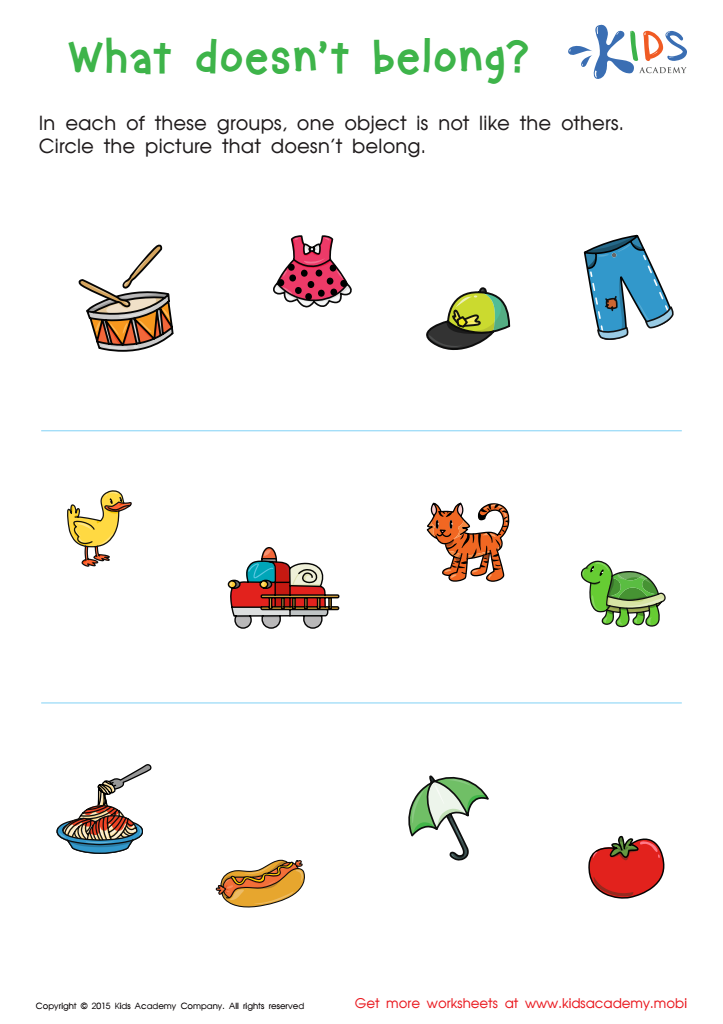
First Words: What Doesn't Belong Worksheet
 Assign to My Students
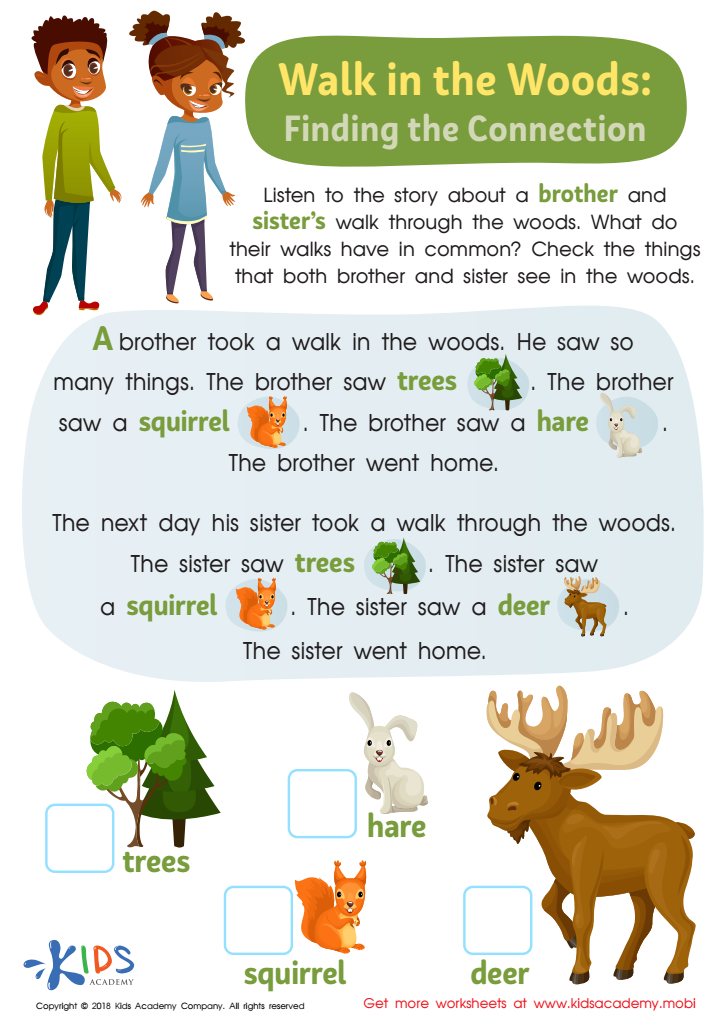
Walk In the Woods: Finding Connections Worksheet
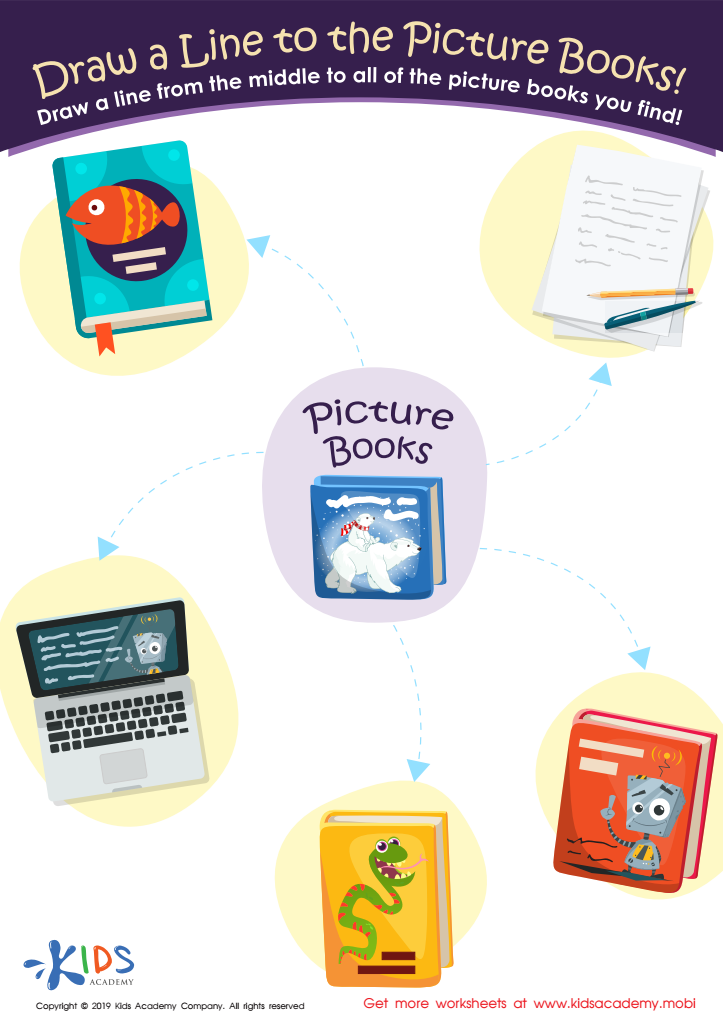
Draw a Line to the Picture Books Worksheet








Parents and teachers should prioritize logical thinking and normal reading skills for 3-year-olds because these early cognitive and literacy foundations are critical for a child's overall development and future learning success. At this age, children are highly receptive and their brains are growing rapidly, making it an ideal period to introduce fundamental skills that will influence their future learning.
Logical thinking encourages problem-solving abilities, fostering critical thinking, and helping children understand the relationship between cause and effect. This can be introduced through simple puzzles, sorting games, and everyday decision-making conversations. By cultivating these skills early, children become better equipped to handle complex problems and make informed choices as they grow.
Normal reading at age 3 might not mean conventional reading, but rather engagement with books through picture interactions, storytelling, and recognizing basic figures and letters. This early literacy exposure significantly boosts vocabulary, comprehension, and language skills. It lays the groundwork for reading fluency, essential for academic success in later life.
By focusing on logical thinking and early reading habits, parents and teachers provide children with a sturdy platform, ensuring they are well-prepared for the structured learning that comes in subsequent schooling years. It fosters a love for learning and intellectual curiosity, crucial attributes for enduring educational journeys.








