Filters

7 filtered results

Clear all filters
Favorites
With answer key
Interactive

7 filtered results

Difficulty Level

Grade


Enhance your 3-year-old's vocabulary with our engaging vocabulary expansion normal reading worksheets! Designed specifically for young learners, these worksheets feature colorful illustrations and interactive activities that capture kids' interest while promoting language development. Each worksheet encourages children to explore new words in a fun, accessible way, helping them build a strong foundation for future reading skills. From identifying objects to matching words with pictures, our resources are perfect for parents and educators seeking to foster a love for reading in early learners. Download our printable worksheets today and watch your child's vocabulary thrive!

Check out this FREE Trial Lesson on Reading for age 3!

Suffixes

Favorites
With answer key
Interactive
  • 3
  • Vocabulary expansion
  • Reading
  • Normal
Name Those Clothes Worksheet

Name Those Clothes Worksheet

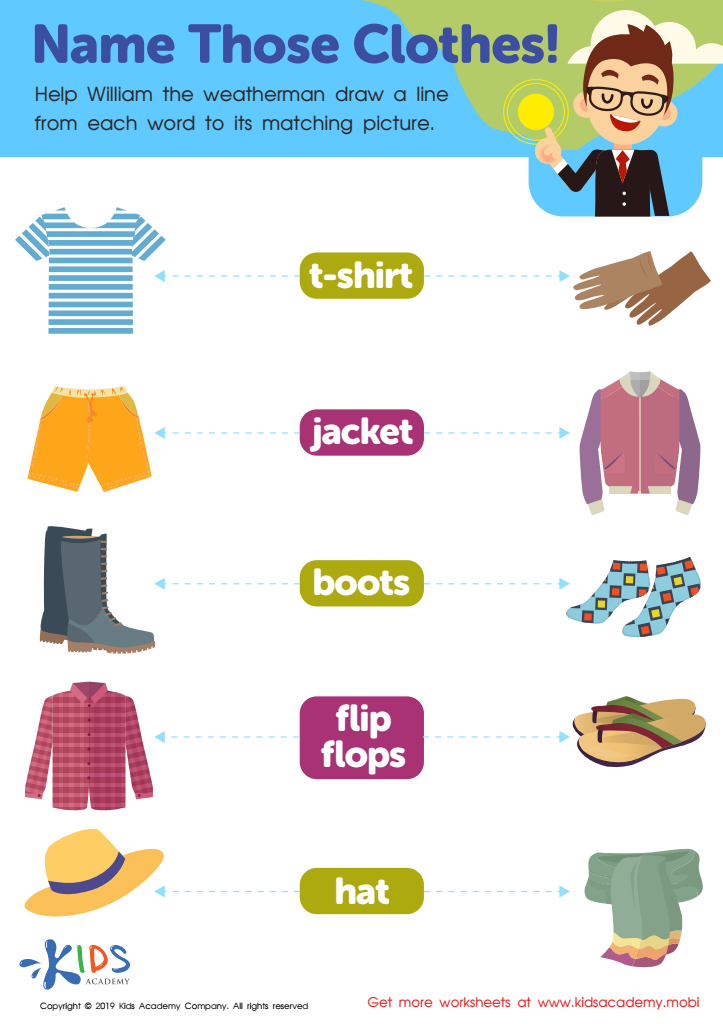
This worksheet will help your preschooler build their vocabulary, develop life-skills and work on fine motor skills. They'll analyze which clothing goes with the weatherman and match it to the word. It's a fun and interactive way to recognize high-frequency words.
Name Those Clothes Worksheet
Worksheet
Opposite Day Worksheet

Opposite Day Worksheet

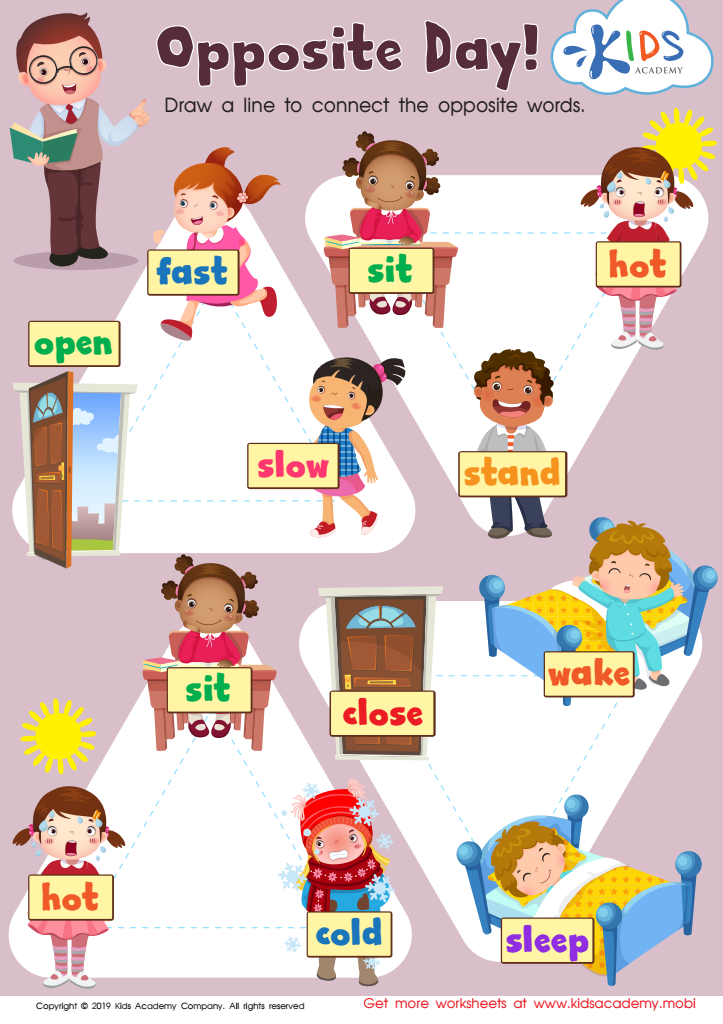
Early learners need to know about opposites to improve their higher-order thinking and critical thinking. This fun worksheet helps them understand the concept, practice opposite words, read high-frequency words and work on fine motor skills. Download the traceable PDF to get started.
Opposite Day Worksheet
Worksheet
Long and Short U Worksheet

Long and Short U Worksheet

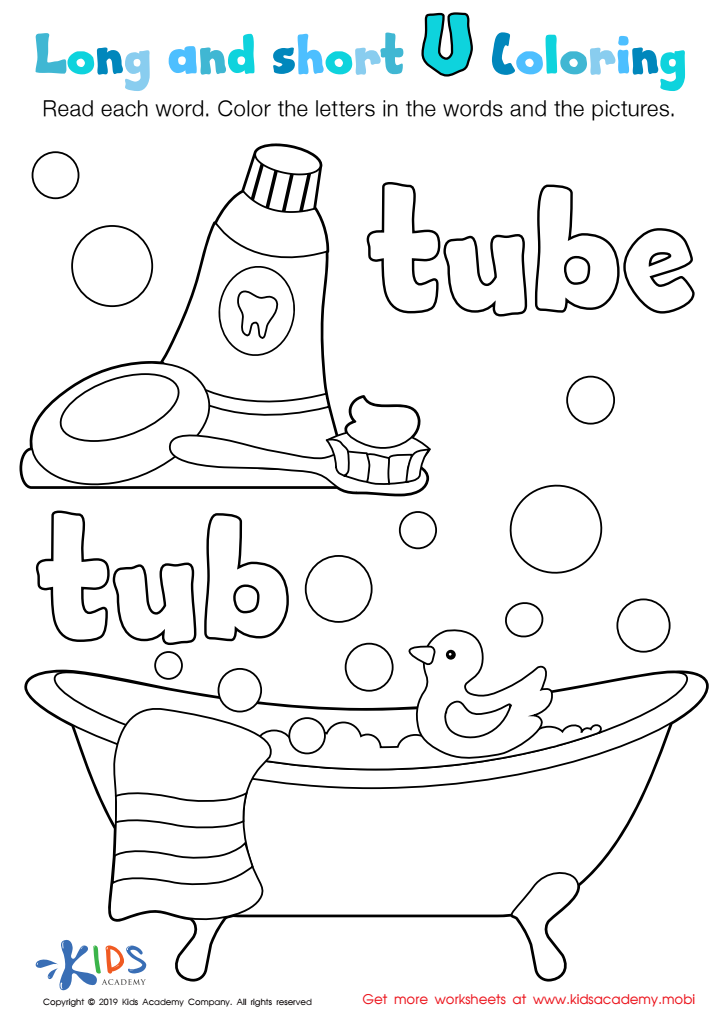
Revised: Spice up your lesson on long and short vowels with this fun printout! Kids read the words "tube" and "tub," then reinforce the sound by coloring in the words and pictures. It's a great way to make phonics class enjoyable!
Download (PDF)
Assign to My Students
Long and Short U Worksheet
Worksheet
Long and Short O Worksheet

Long and Short O Worksheet

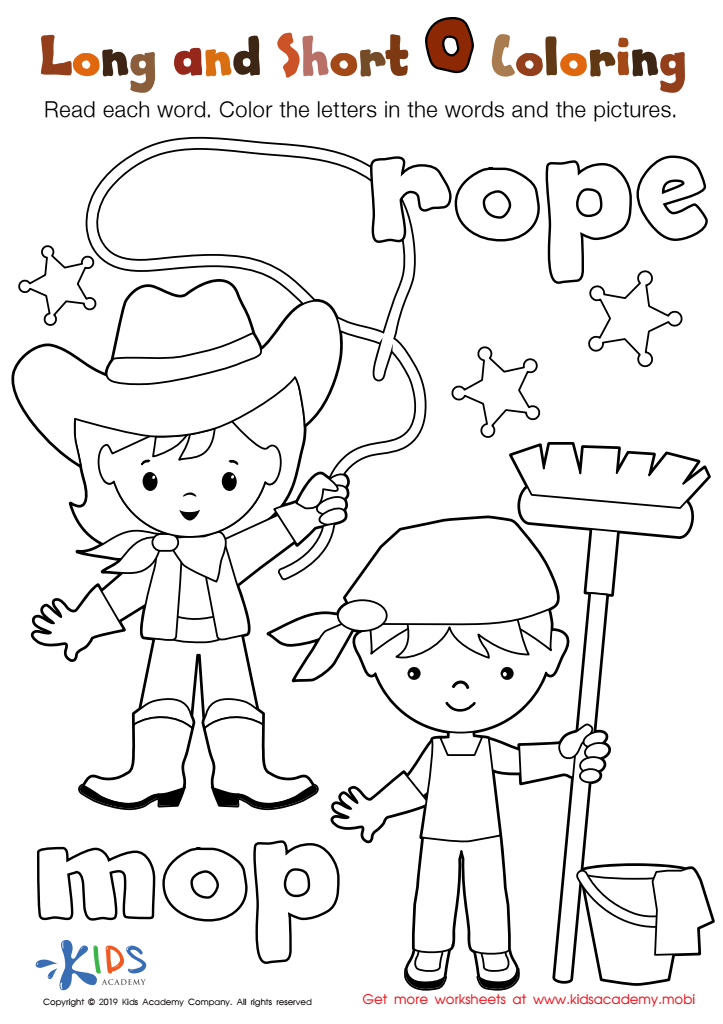
Help your students recognize the difference between long and short «Os» with this fun printout. Let them read and color-in "rope" and "mop" simultaneously. Listen to the different sounds, then color the words and pictures. Great for classes, it'll make your phonics lesson memorable and enjoyable.
Download (PDF)
Assign to My Students
Long and Short O Worksheet
Worksheet
Suffixes ful and less worksheet

Suffixes Ful and Less Worksheet

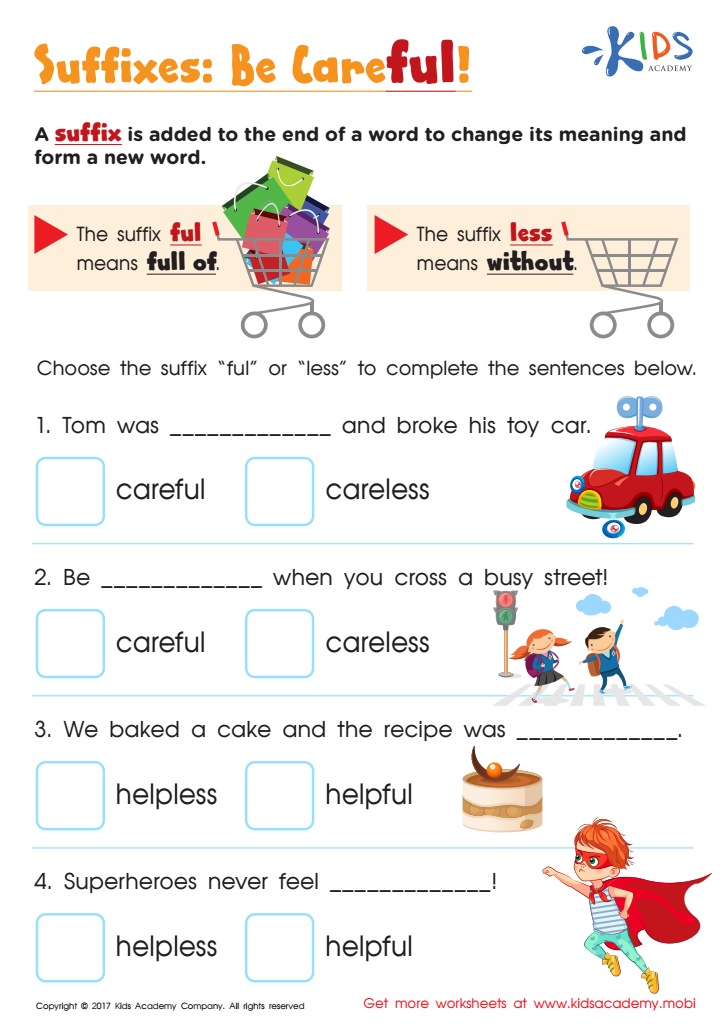
Uh oh! Careful and careless might look similar, but have very different meanings. To avoid mix-ups, learn to spot and use the right suffixes. Use this suffixes ful and less worksheet to help your child master common suffixes!
Suffixes Ful and Less Worksheet
Worksheet
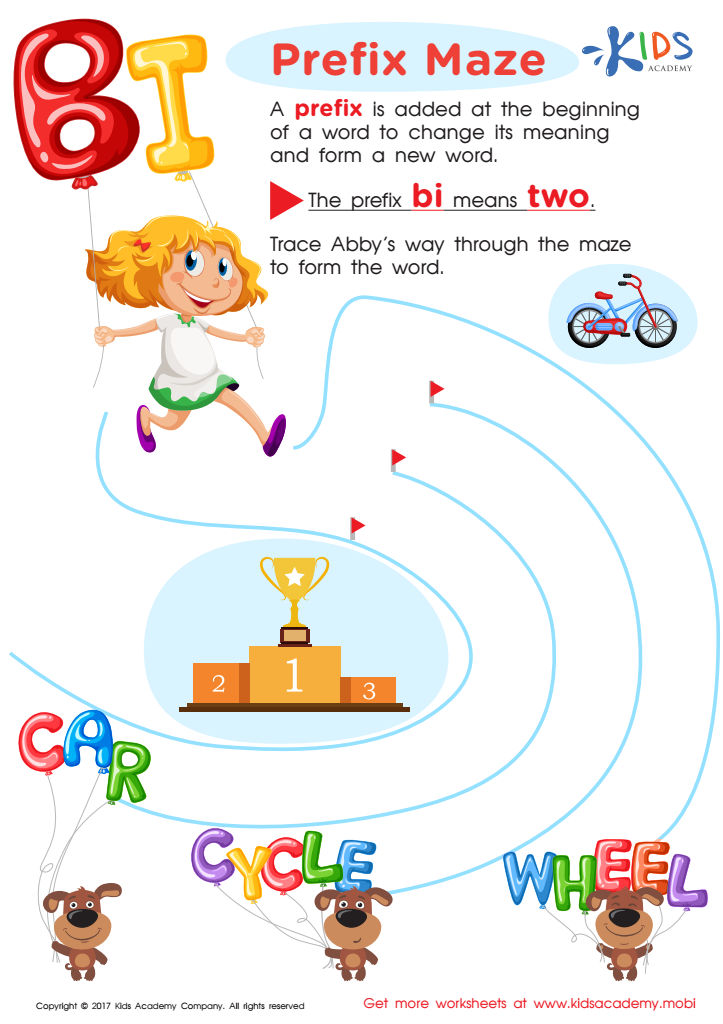
Prefix bi words worksheet

Prefix Bi Words Worksheet

Help "bi" find its root word in this fun and colorful prefix worksheet! Your child will learn how words are built while having a great time!
Prefix Bi Words Worksheet
Worksheet
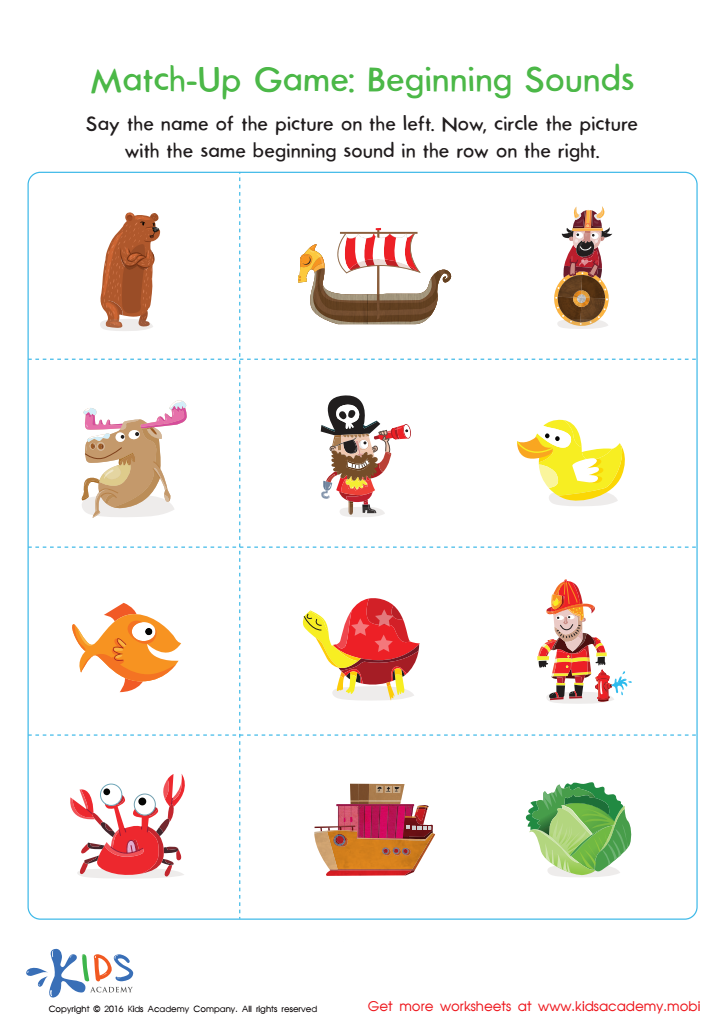
Beginning Sounds Match-up Printable

Match–Up Game: Beginning Sounds Worksheet

Start today with this beginning sounds match-up printable! Teach your child to solve problems mentally with this beginning sounds match-up printable. They'll learn to categorize pictures based on phonics rules, developing mental stamina and focus. It's an important step for recognizing sounds and letters in print, building a foundation for reading and spelling. Start today and take your child's skills to the next level!
Match–Up Game: Beginning Sounds Worksheet

Worksheet


Vocabulary expansion is crucial for 3-year-olds, as it lays the foundation for future reading, writing, and communication skills. At this age, children are rapidly developing language abilities through interactions with adults and peers. Engaging them in normal reading with rich, age-appropriate vocabulary can significantly enhance their understanding of language and the world around them.

Firstly, a broad vocabulary is linked to cognitive development. When children are exposed to diverse words, they learn to express their thoughts and feelings more effectively, fostering emotional intelligence. This also aids in critical thinking and problem-solving skills as they begin to grasp abstract concepts.

Secondly, regular reading introduces children to sentence structure, phonetics, and language patterns. This early exposure prepares them for formal education and makes learning to read easier. Research shows that children who have a strong vocabulary enter school with an advantage, often needing less support in reading and literacy compared to their peers.

Finally, vocabulary expansion through reading strengthens the bond between parents, teachers, and children. Shared reading experiences foster a love of books and learning, instilling curiosity and a desire for knowledge that extend beyond the classroom. Investing in vocabulary growth now pays dividends in a child's academic future and personal development.