Critical Thinking Normal Worksheets for Ages 4-5 - Page 2
38 filtered results
-
From - To
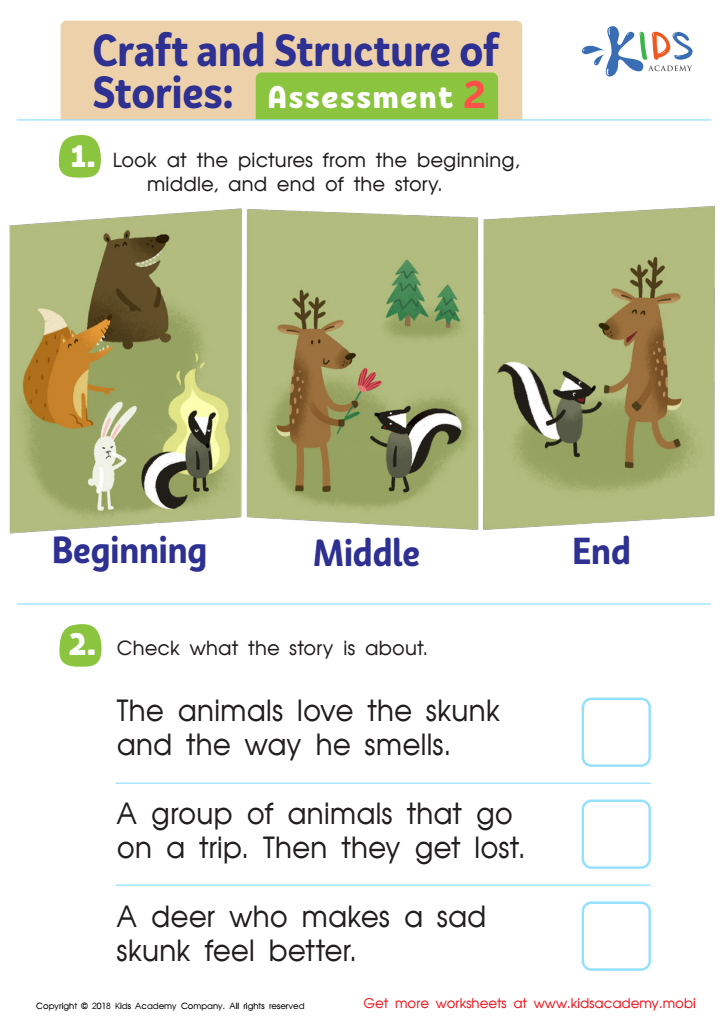
Craft and Structure of Stories: Assessment 2 Worksheet
 Assign to My Students
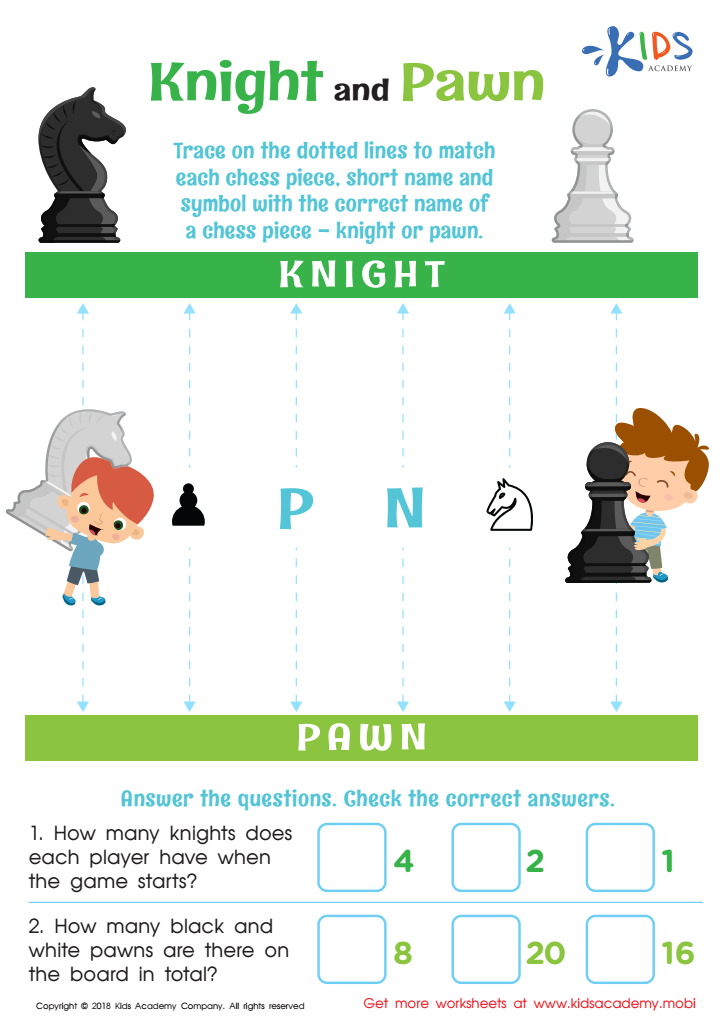
Knight and Pawn Worksheet
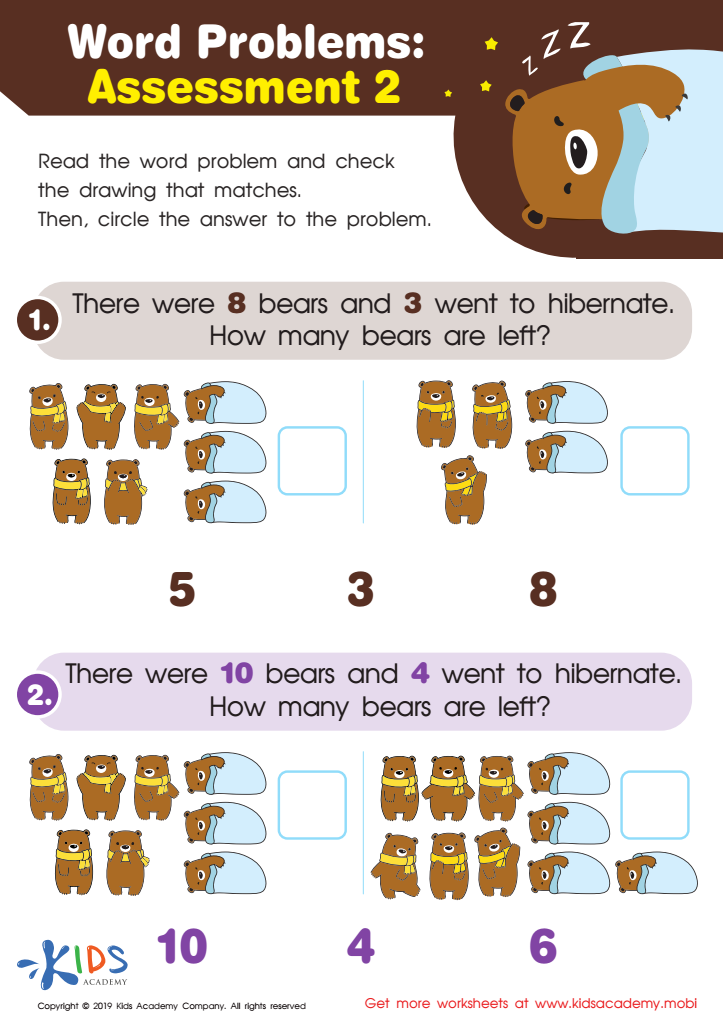
Word Problems: Assessment 2 Worksheet
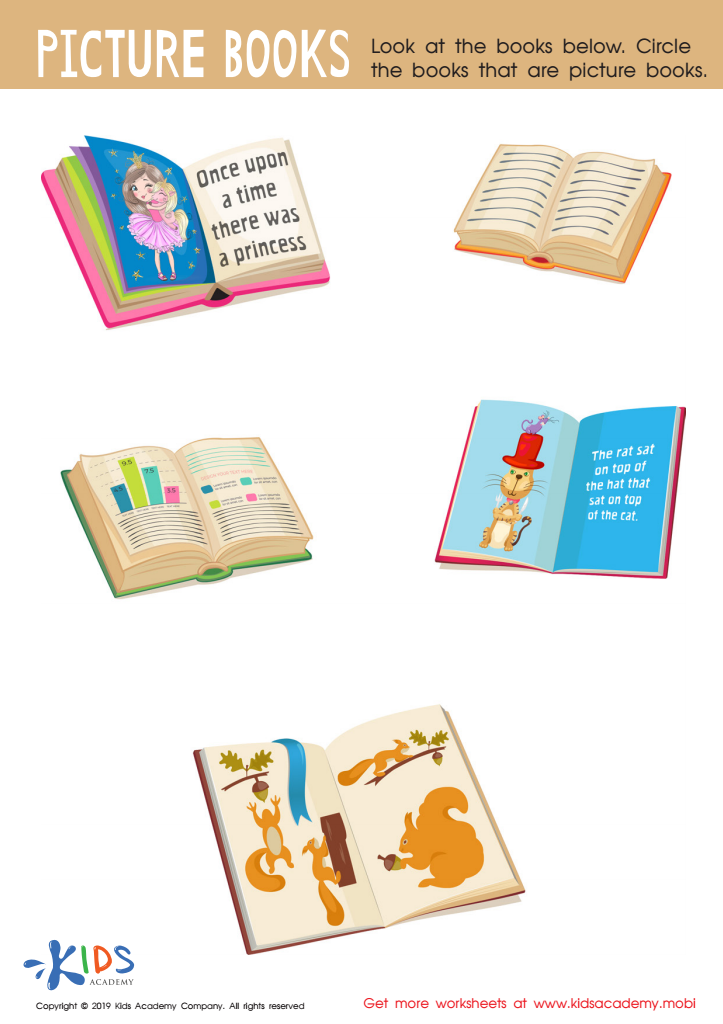
Picture Books Worksheet
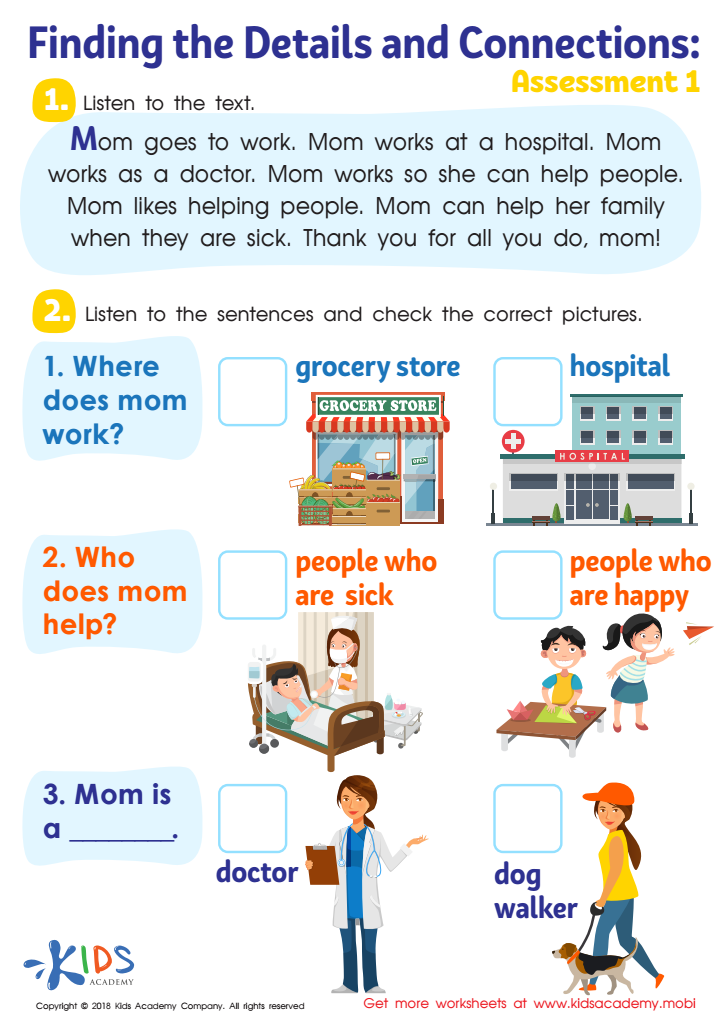
Finding the Details and Connections: Assessment 1 Worksheet
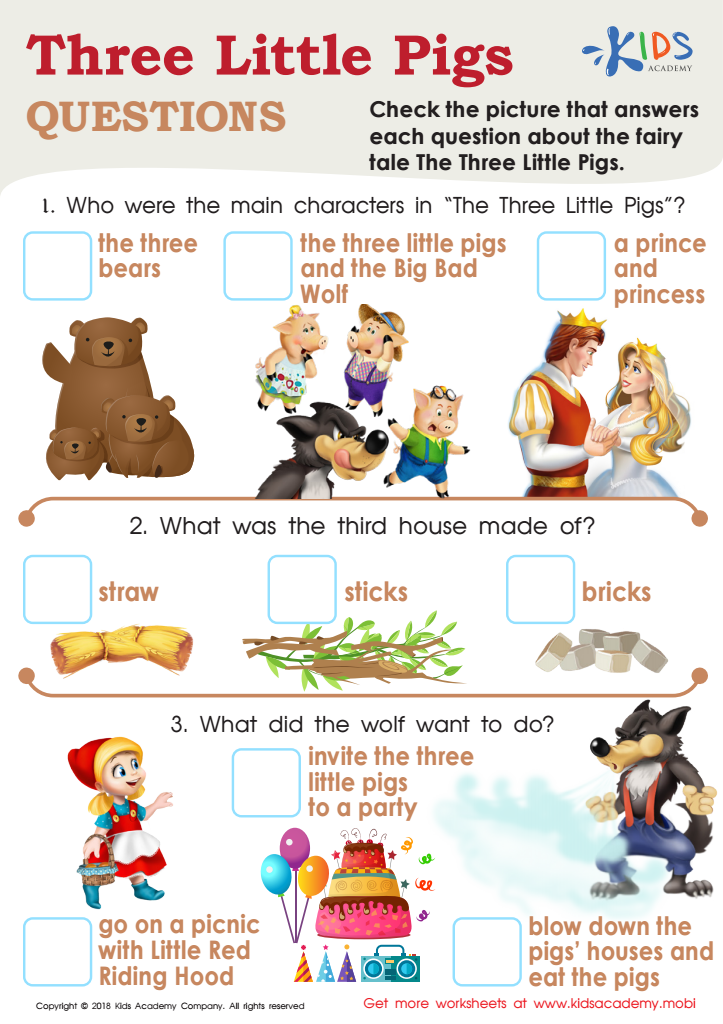
Three Little Pigs Questions Worksheet
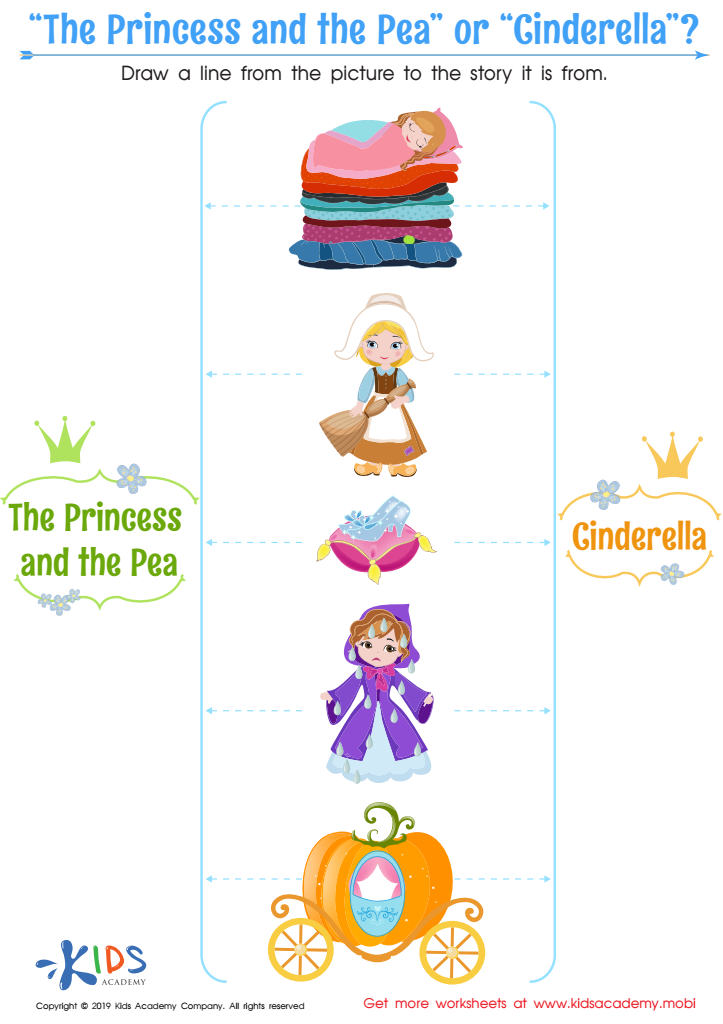
“The Princess and the Pea” or “Cinderella” Worksheet
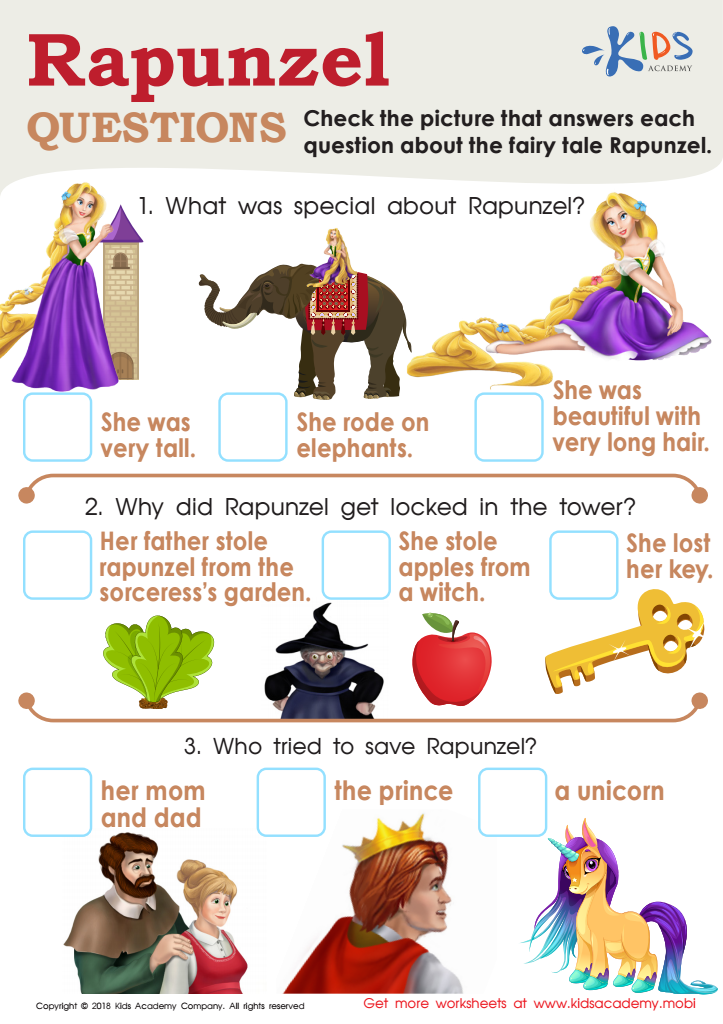
Rapunzel Questions Worksheet
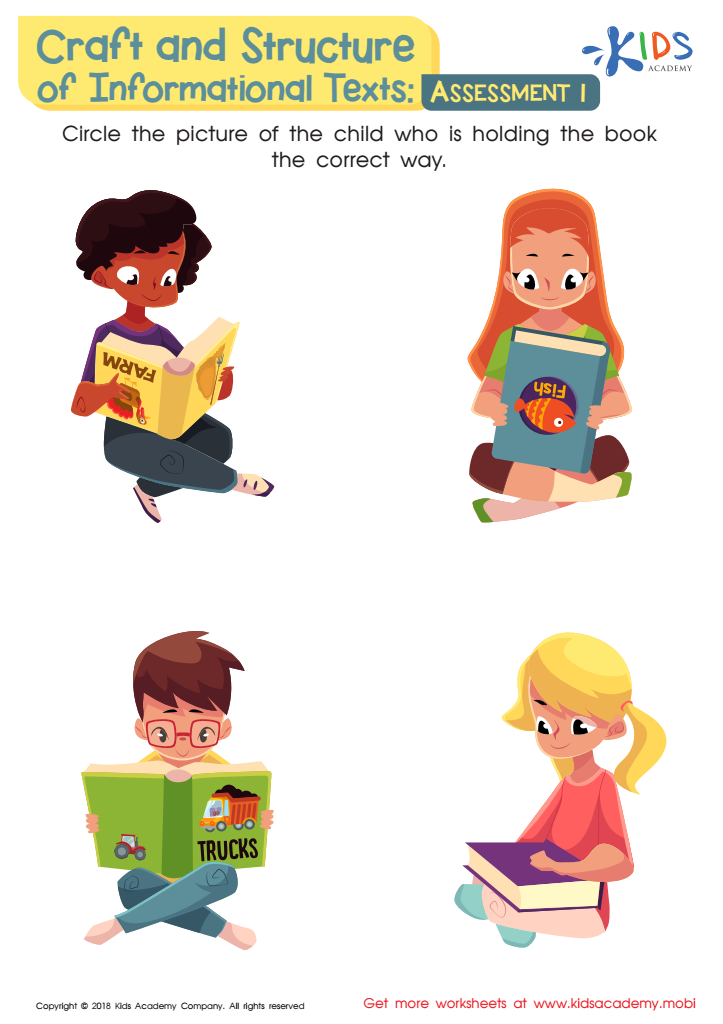
Craft and Structure of Informational Texts: Assessment 1 Worksheet
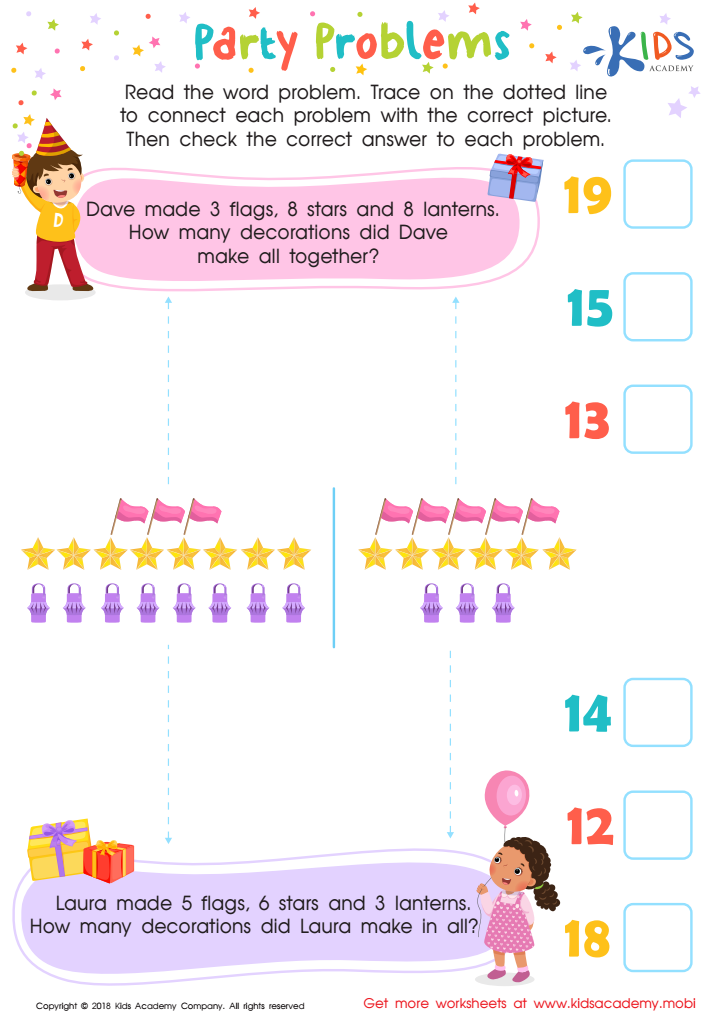
Party Problems Worksheet
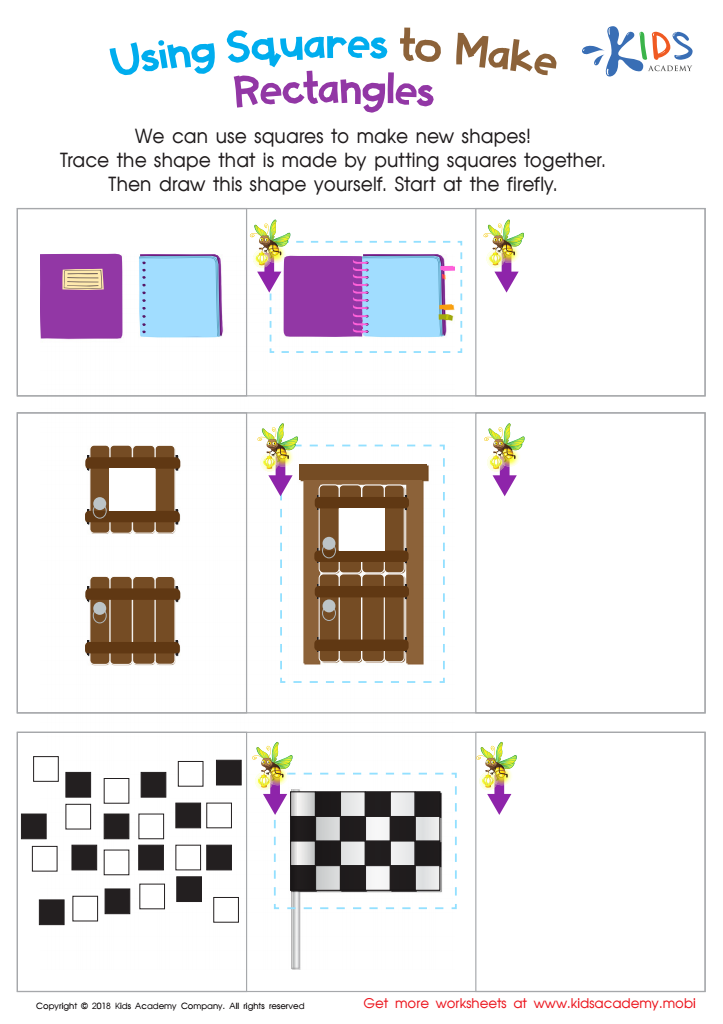
Using Squares to Make Rectangles Worksheet
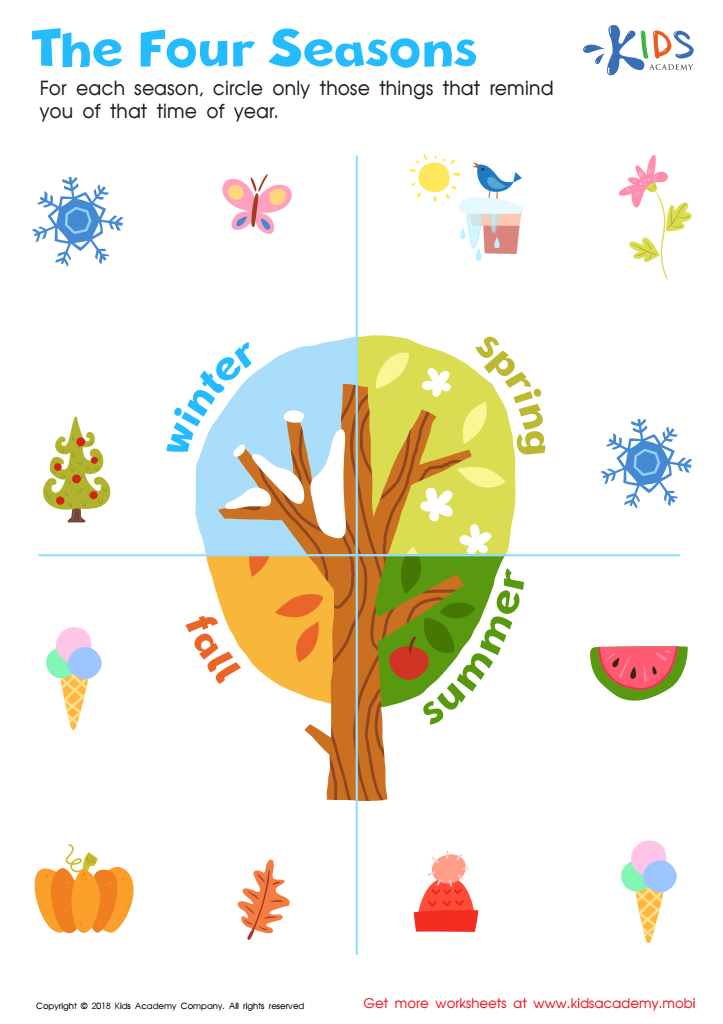
The Four Seasons Worksheet
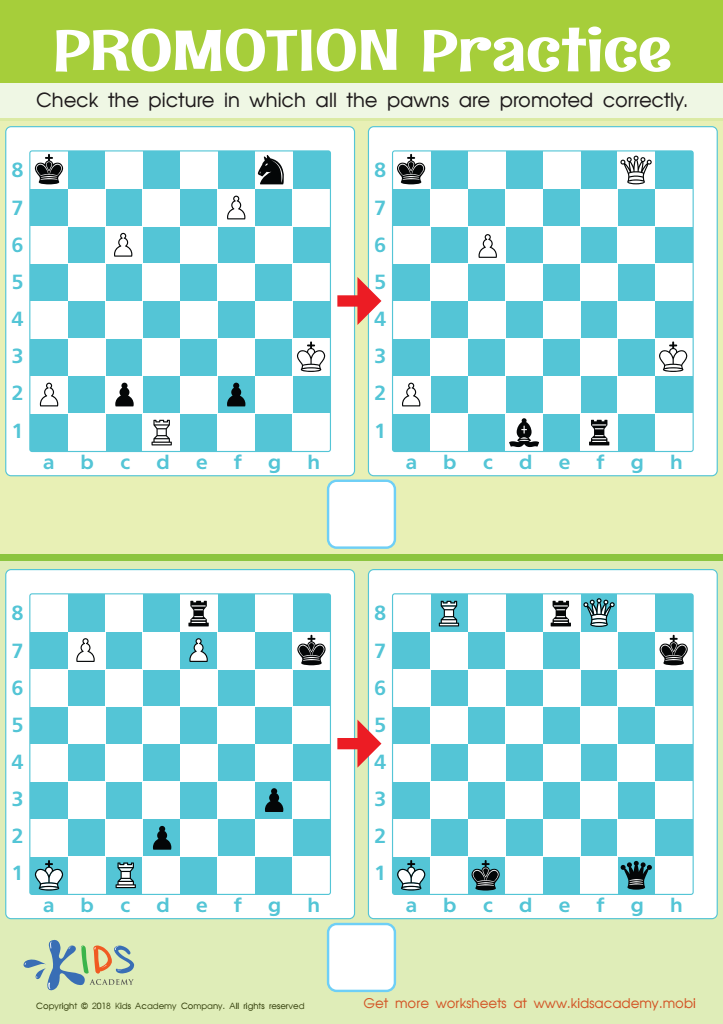
Promotion Practice Worksheet
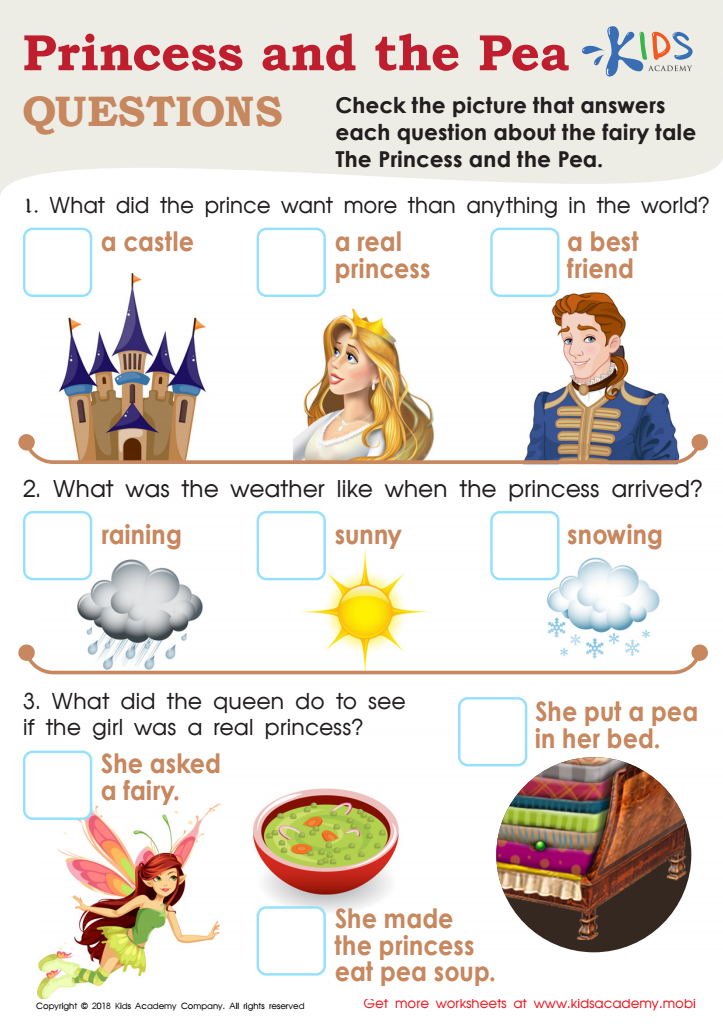
Princess and the Pea Questions Worksheet


.jpg)


.jpg)
Critical thinking is essential for children's development, particularly for those aged 4 to 5. At this stage, children are naturally curious and eager to explore their environment. Parents and teachers should care about fostering critical thinking skills because these form the foundation for lifelong learning and problem-solving abilities. Engaging in critical thinking helps children analyze situations, evaluate information, and make informed decisions.
In the early years, play-based activities and interactive discussions can stimulate critical thinking. For instance, asking open-ended questions invites children to think creatively and articulate their thoughts, encouraging them to explore multiple perspectives. This not only enhances cognitive development but also boosts their self-esteem and communication skills.
Furthermore, critical thinking promotes independence; when children learn to think critically, they become more adept at handling challenges and conflicts. This builds resilience, equipping them to face complicated issues as they grow.
Lastly, fostering a culture of critical thinking at home and in the classroom cultivates a collaborative environment where differences in opinions are respected, promoting social development. By prioritizing critical thinking, parents and teachers will empower young learners to navigate an increasingly complex world with confidence and adaptability.








