Letter-sound association Normal Worksheets for Ages 4-5
6 filtered results
-
From - To
Introduce your little learners to the world of phonics with our "Letter-Sound Association Normal Worksheets for Ages 4-5." Designed to build foundational reading skills, these engaging activities support children in recognizing letters and their corresponding sounds. Ideal for preschool and kindergarten readiness, these worksheets encourage young minds to connect spoken language to written symbols, paving the way for early literacy development. With colorful images and interactive tasks, our worksheets make learning fun and effective. Perfect for both classroom use and at-home practice, these printable resources plant the seeds for successful reading and writing. Start your child's literacy journey today!
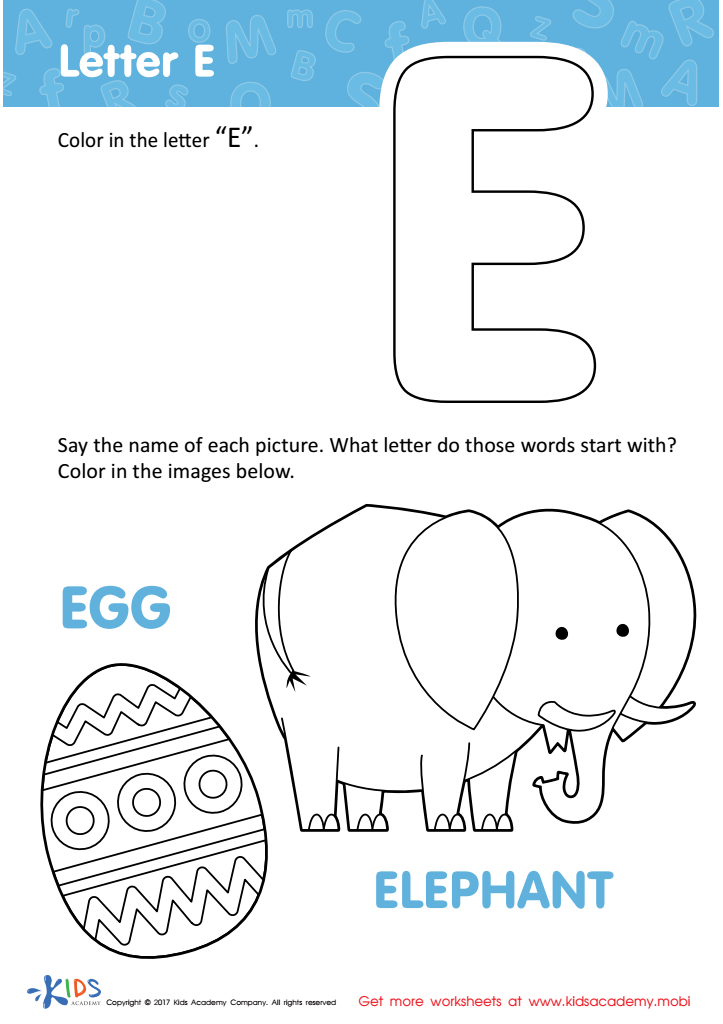
Letter E Coloring Sheet
 Assign to My Students
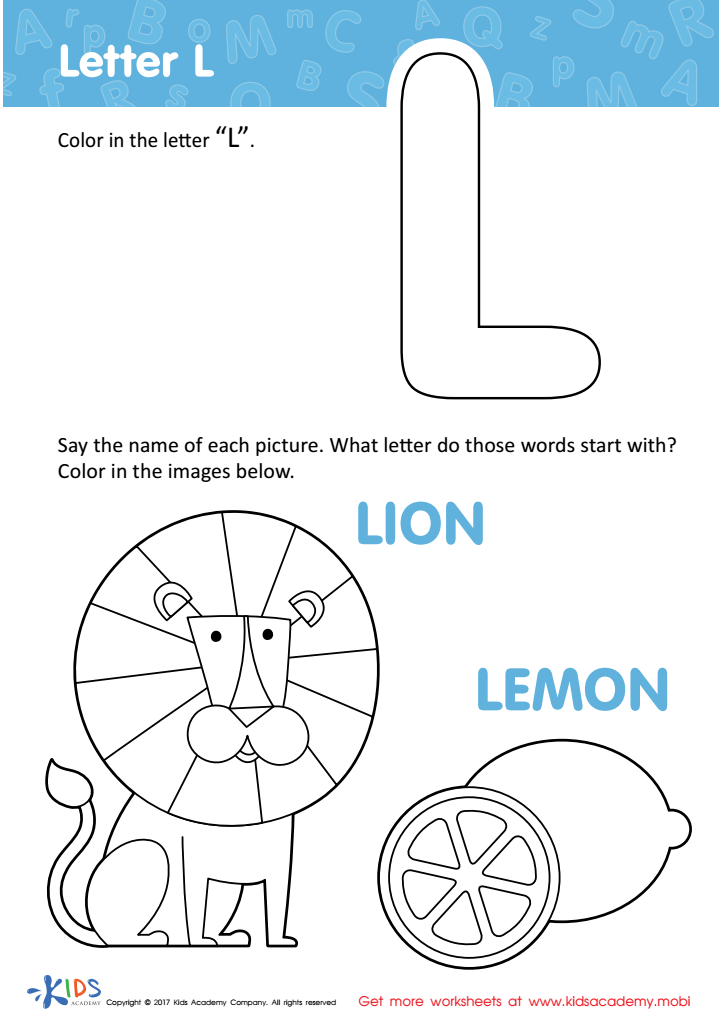
Letter L Coloring Sheet
Assign to My Students
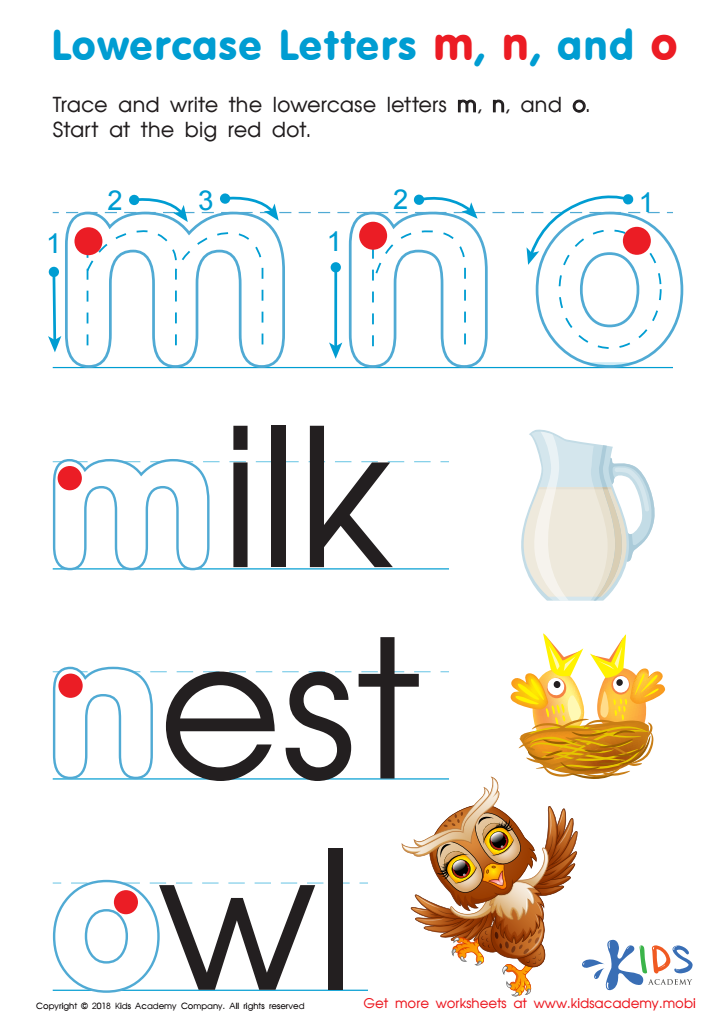
Lowercase Letters m n o Worksheet
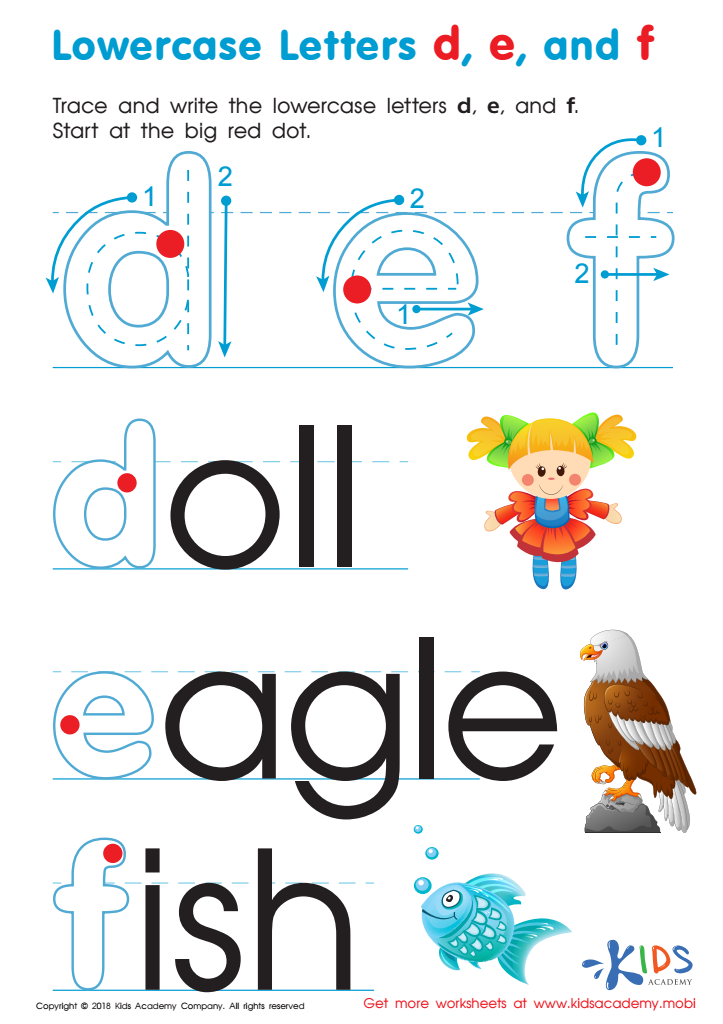
Lowercase Letters d e f Worksheet
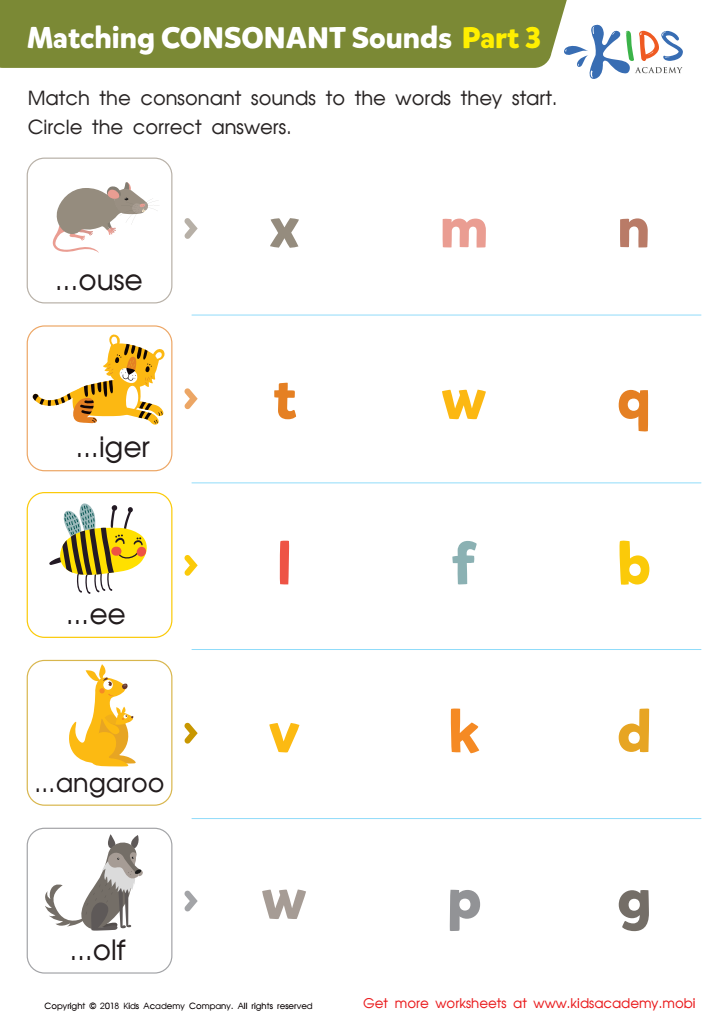
Matching Consonant Sounds: Part 3 Worksheet
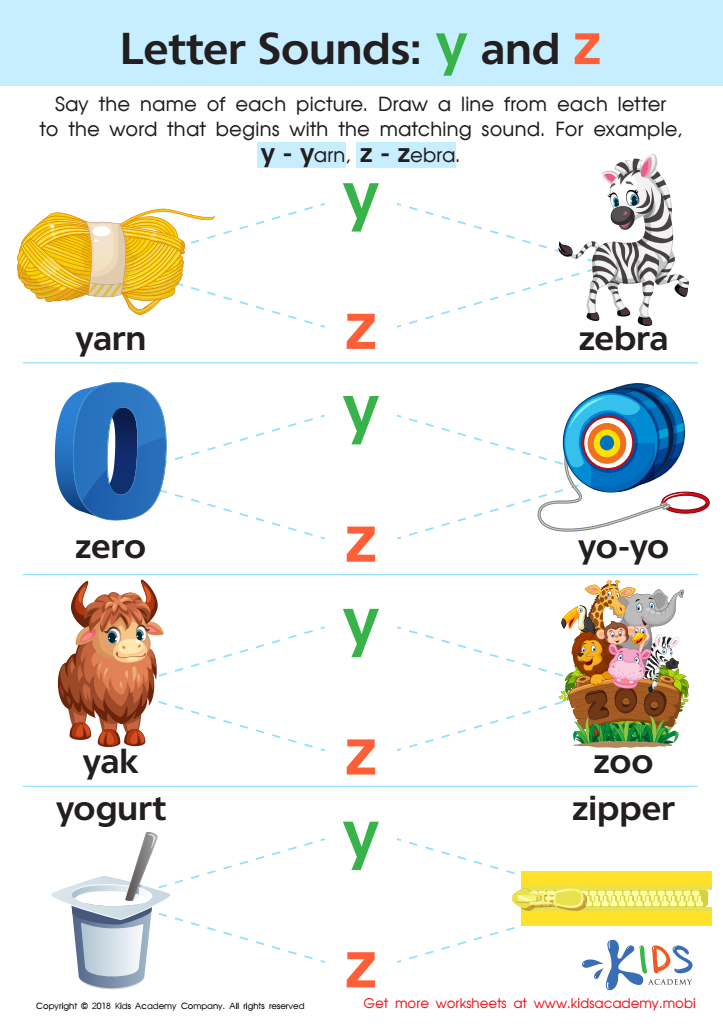
Letter Y and Z Sounds Worksheet







.jpg)
Letter-sound association is fundamental to early literacy and educational development in children aged 4-5. For parents and teachers, understanding and prioritizing this skill sets a strong foundation for reading and writing success.
When children learn the sounds that letters make, they start decoding words, an essential step in reading. This phonemic awareness aids in sounding out words rather than memorizing them, making the learning process more efficient and comprehensive. Therefore, children who grasp letter-sound associations have a distinct advantage as they progress through more complex reading tasks.
Additionally, fostering letter-sound knowledge reinforces vocabulary development. As young learners encounter new words, their ability to decode them through known letter sounds expands their vocabulary naturally. This, in turn, stimulates cognitive growth and language skills, essential components of overall academic success.
From an emotional and psychological perspective, mastering these associations bolsters a child’s confidence and enthusiasm for learning. Success in early reading tasks encourages a positive attitude towards school, promoting perseverance and resilience.
In essence, focusing on letter-sound associations during the ages of 4-5 provides children with crucial tools for effective communication and academic achievement. Hence, both parents and teachers play a critical role in nurturing these foundational skills early on.








