Letter Tracing Practice Normal Worksheets for Ages 4-5
5 filtered results
-
From - To
Our Letter Tracing Practice Normal Worksheets for Ages 4-5 are designed to nurture your child's early writing skills in a fun and engaging way! Perfect for preschoolers, these worksheets help young learners master the fundamental skill of letter formation. Each worksheet provides ample space for tracing both upper and lowercase letters, allowing for repetitive practice that reinforces muscle memory and coordination. Vibrant illustrations and kid-friendly themes keep children motivated and excited about learning. Give your child a head start in their educational journey with these invaluable, easy-to-use printable resources that encourage precision and confidence in handwriting.
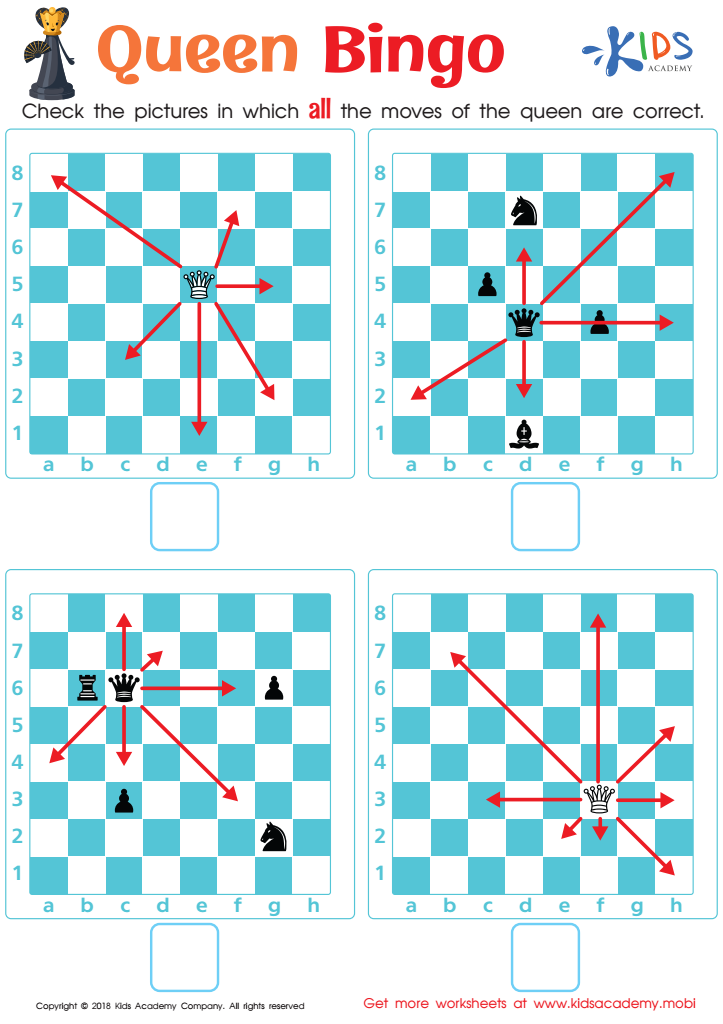
Queen Bingo Worksheet
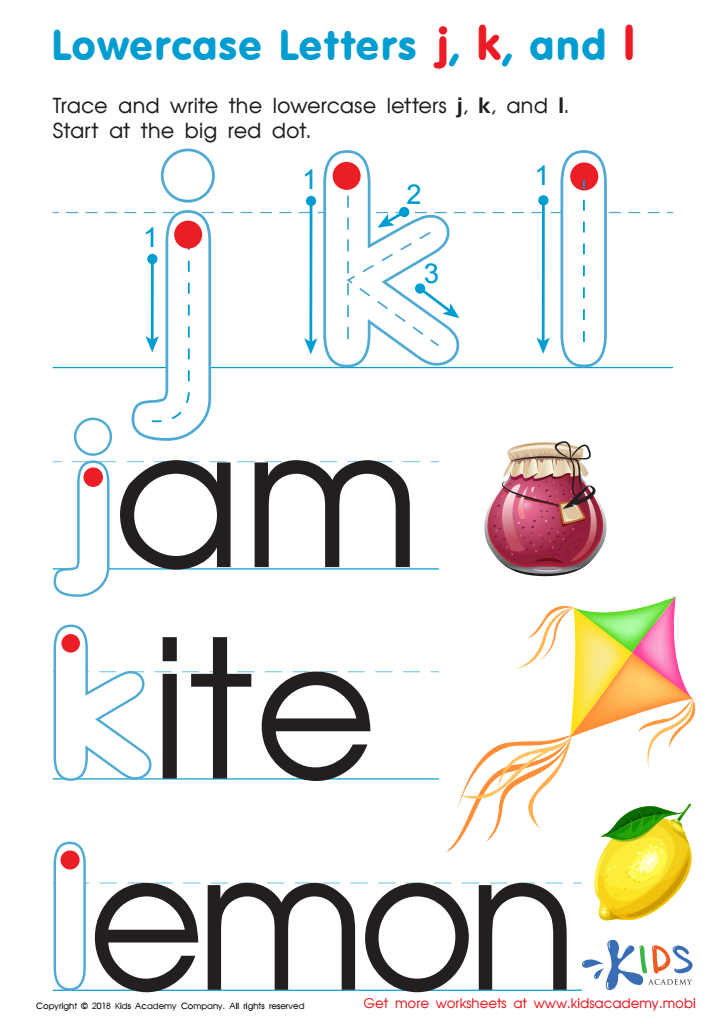
Lowercase Letters j k l Worksheet
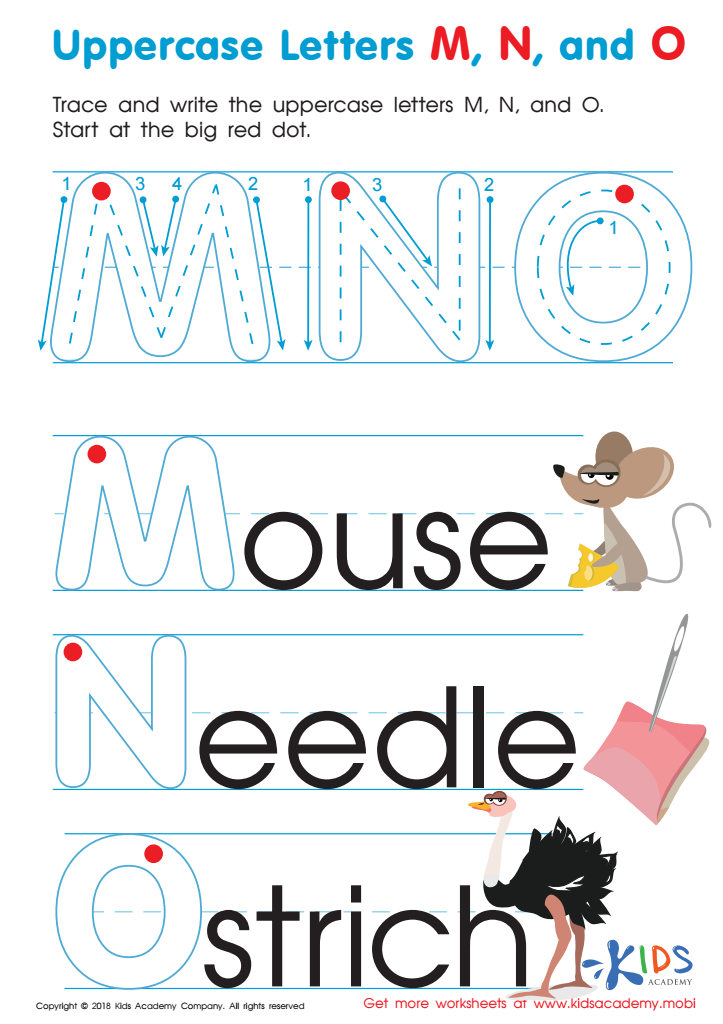
Uppercase Letters M, N, and O Worksheet
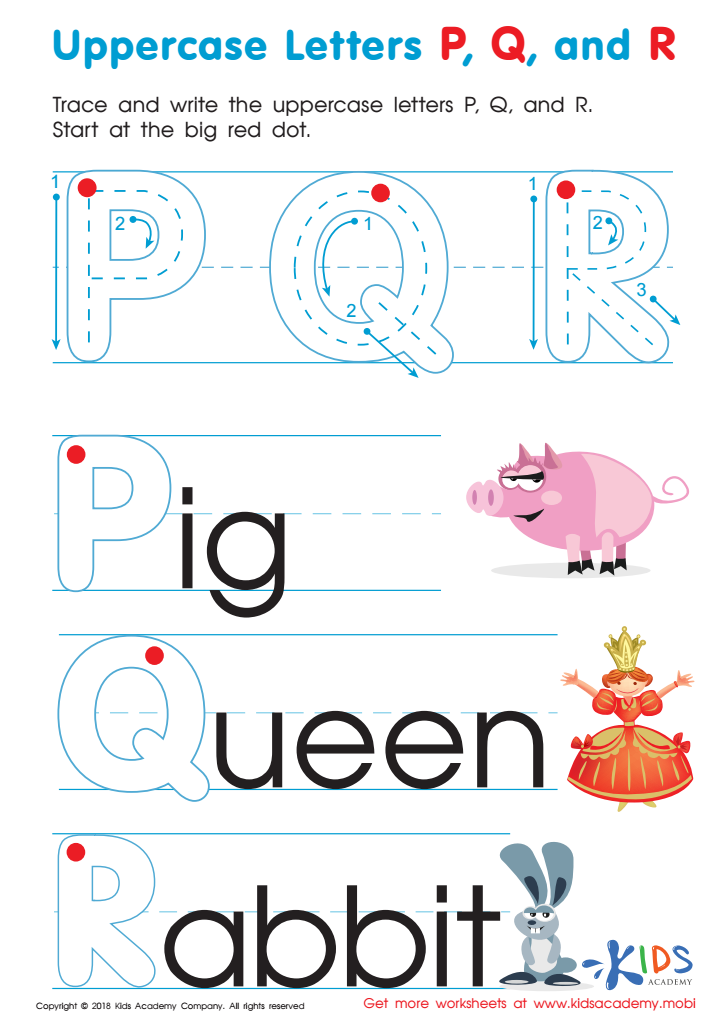
Uppercase Letters P, Q, and R Worksheet
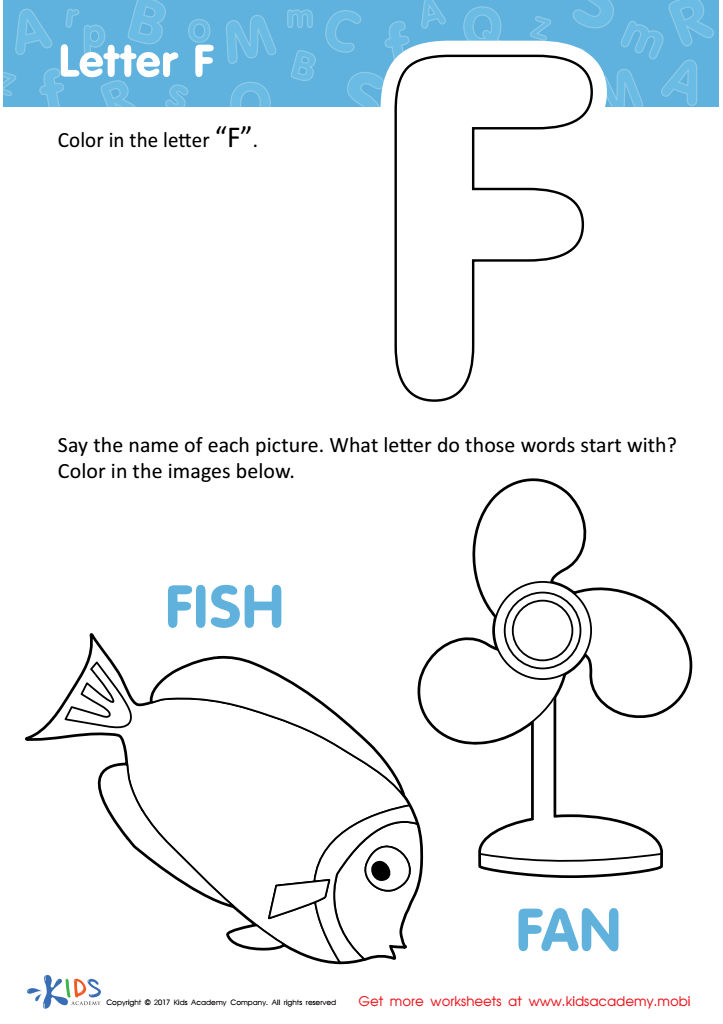
Letter F Coloring Sheet
 Assign to My Students








Letter tracing practice for ages 4-5 is a pivotal activity for young children, and parents or teachers should wholeheartedly embrace its importance. At this developmental stage, children are honing their fine motor skills, which are crucial for various future tasks. Letter tracing practice offers an engaging way for kids to develop hand-eye coordination and dexterity by guiding them through precise, repetitive movements.
Moreover, tracing letters provides foundational literacy skills essential for reading and writing. It's an initial step in helping children recognize letter shapes, understand the beginning sounds, and associate these sounds with written symbols. This practice reinforces alphabet familiarity and boosts letter recognition, which are critical precursors to phonemic awareness and early reading abilities.
Additionally, letter tracing fosters concentration and patience in young learners. The focus required to accurately trace each letter can help youngsters build attention spans and persistence, traits valuable in all educational endeavors. It’s also an excellent confidence booster; as children see their improvement over time, their sense of accomplishment and self-confidence grows.
Lastly, incorporating fun elements like colorful tracing sheets or interactive digital apps can make this practice enjoyable, easing kids into a positive and enthusiastic attitude toward learning. Given these benefits, regular letter tracing practice can significantly influence a child's academic journey and enthusiasm for education.








