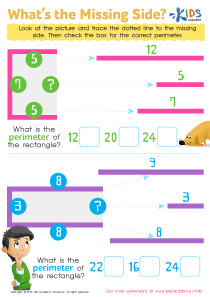
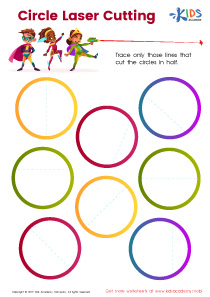
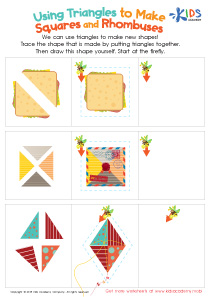
Pattern recognition Normal 2D Shapes Worksheets for Ages 4-5
3 filtered results
-
From - To
Discover our engaging “Pattern Recognition Normal 2D Shapes Worksheets” designed specifically for children ages 4-5! These worksheets provide an interactive way to help young learners identify and understand basic 2D shapes while developing essential pattern recognition skills. With vibrant graphics and playful activities, children will enjoy matching and sorting shapes, refining their cognitive abilities and enhancing visual perception. Our resources not only make learning fun but also lay a solid foundation for future math skills. Perfect for classroom use or at-home learning, these worksheets will keep your little ones entertained while promoting early mathematical proficiency. Get ready to spark curiosity in geometry!
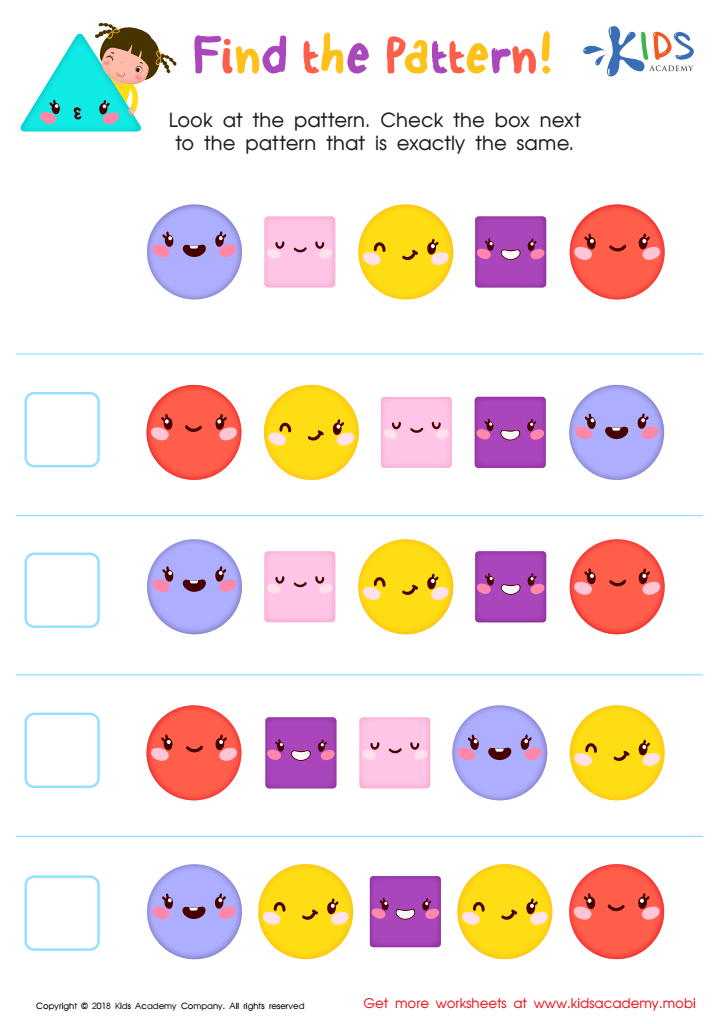
Find the Pattern Worksheet
 Assign to My Students


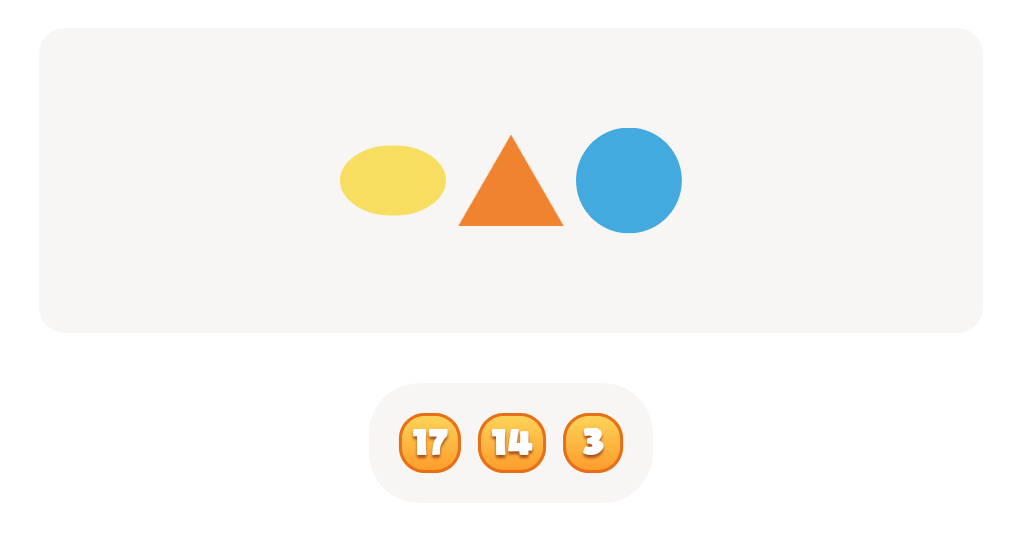
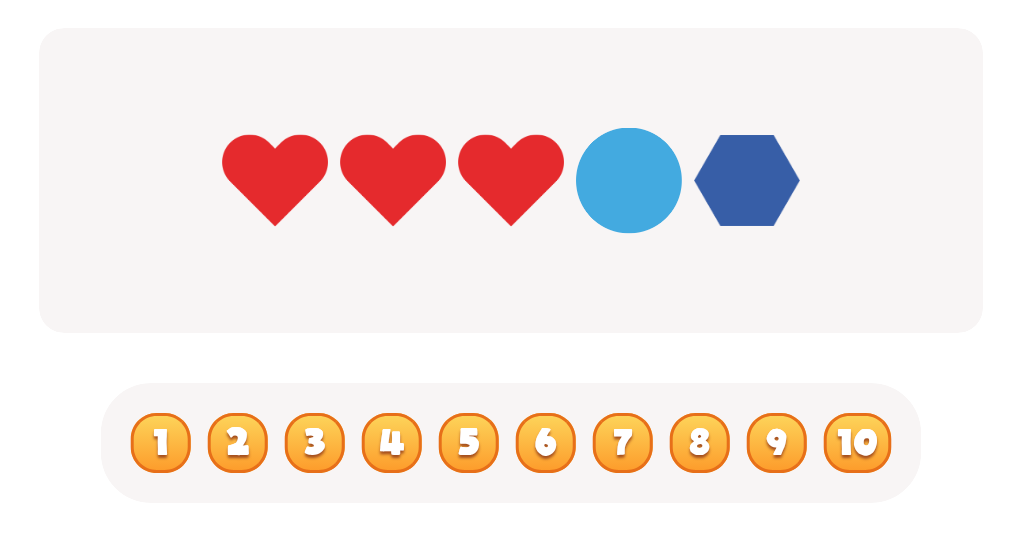
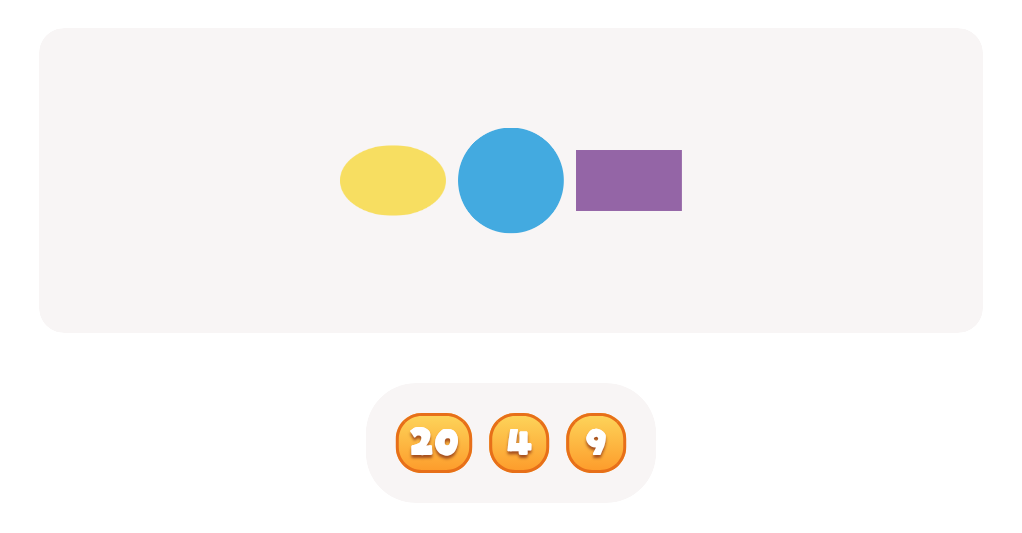
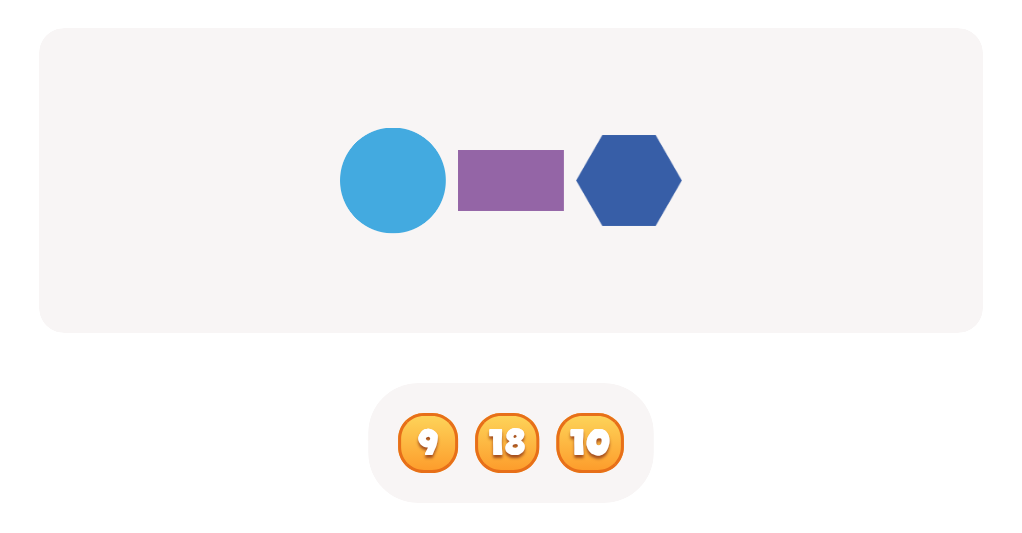
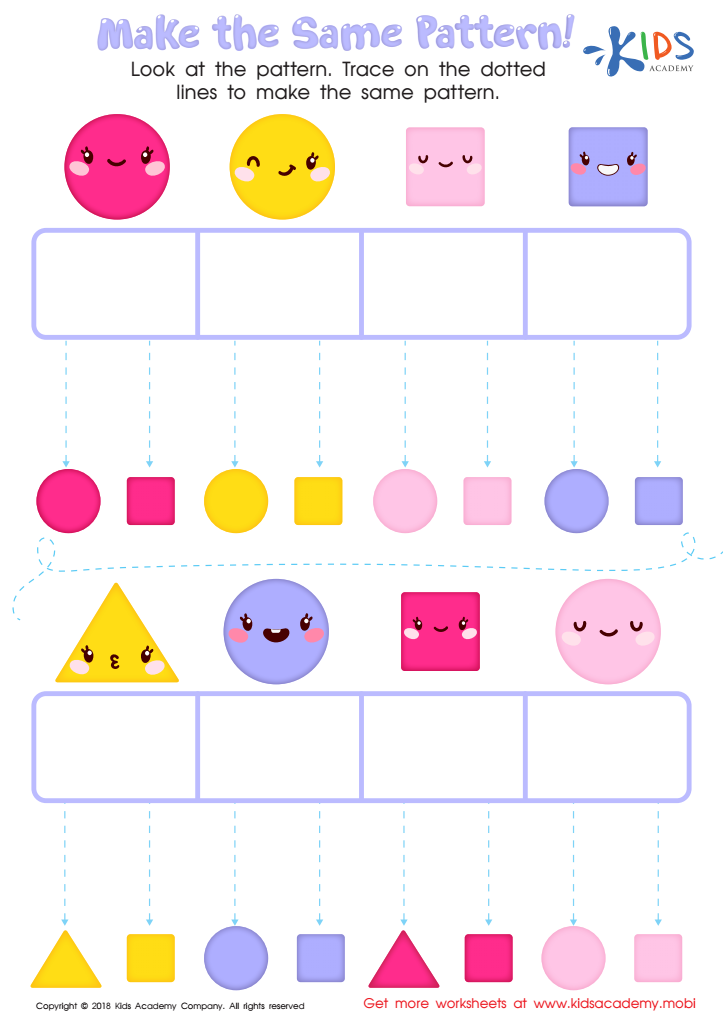
Make the Same Pattern Worksheet
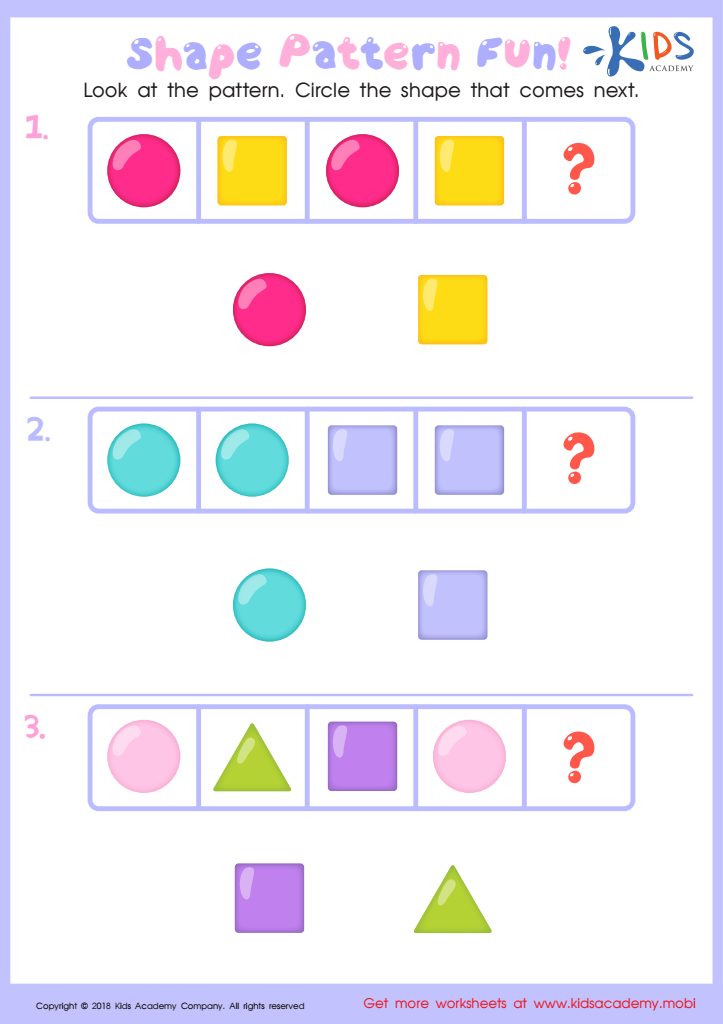
Shape Pattern Fun Worksheet








Pattern recognition and understanding normal 2D shapes are essential skills for children aged 4-5, significantly influencing their cognitive development and early math learning. At this age, children engage in active exploration and learning through play, making it a perfect time for them to recognize, create, and categorize patterns. Understanding patterns fosters logical thinking and enhances problem-solving abilities, as children learn to anticipate sequences and make connections between ideas.
Furthermore, 2D shapes lay the foundation for fundamental geometric concepts. Recognizing, naming, and categorizing shapes help young learners develop spatial awareness, which is crucial for everyday tasks such as navigation and organization. Identifying patterns and shapes is also linked to later skills in mathematics, including addition, subtraction, and eventually, geometry.
For parents and teachers, fostering these skills equips children with the tools they need to excel academically while also encouraging their creativity and observational skills. Integrating activities like playing with blocks, drawing shapes, or engaging in pattern games enhances learning and makes it enjoyable. Ultimately, recognizing patterns and shapes not only contributes to intellectual growth but also builds confidence and curiosity in young learners, encouraging a lifelong love for exploration and learning.