
Counting skills Normal Addition Facts Worksheets for Ages 4-5
3 filtered results
Difficulty Level
Grade
Age
-
From - To
Subject
Activity
Standards
Enhance your child's math journey with our "Counting Skills: Normal Addition Facts Worksheets for Ages 4-5". Specially designed to build a strong foundation in numbers, these engaging printable worksheets enable preschoolers and kindergarteners to master simple addition. By presenting addition problems in a fun, easy-to-understand way, your child will develop both confidence and counting skills crucial for future math success. Featuring colorful illustrations and approachable exercises, these worksheets make learning enjoyable and effective—perfect for early learners eager to explore the exciting world of numbers and sums. Download now and witness your little one’s mathematical progress.
Favorites
With answer key
Interactive
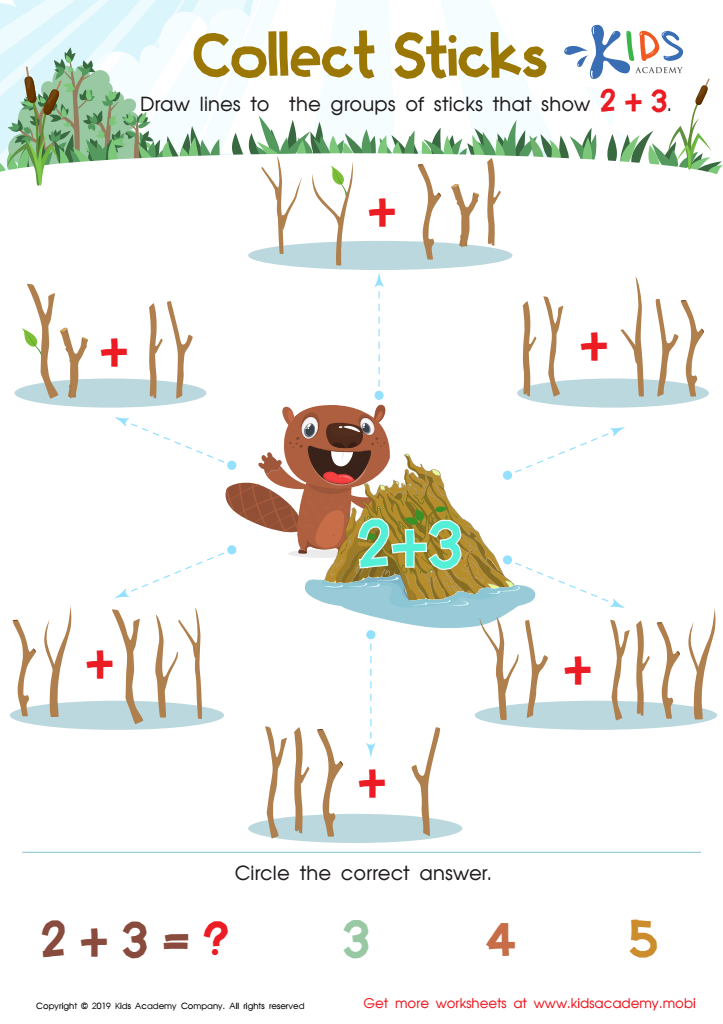
Collect Sticks Worksheet
Let math be fun for your kids with a simple and colorful worksheet exercise. Addition and subtraction can be daunting, but you can make it enjoyable with exercises like this one. Get them to draw lines to the groups of sticks that show 2+3 and watch them light up.
 Assign to My Students
Collect Sticks Worksheet
Worksheet
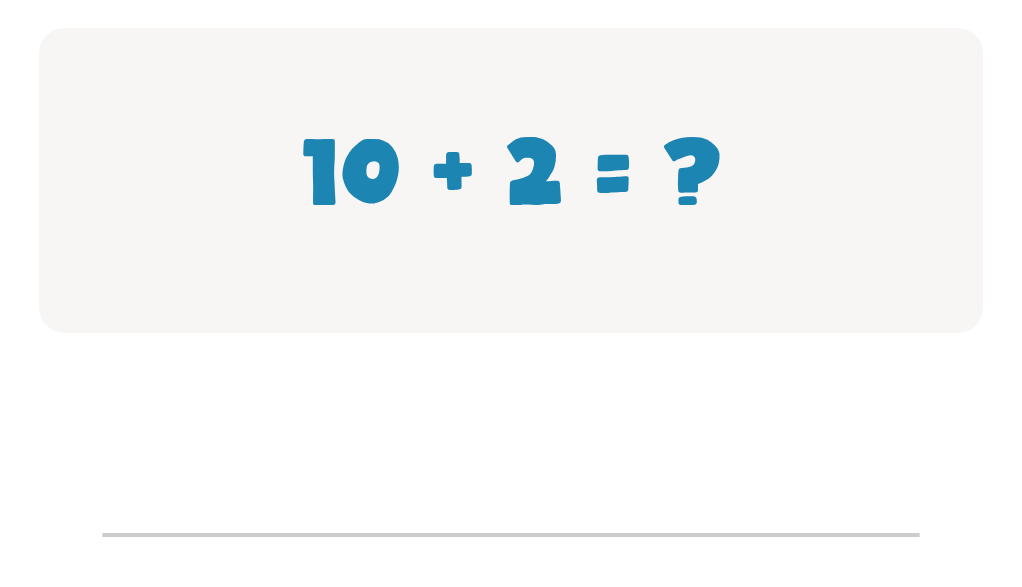


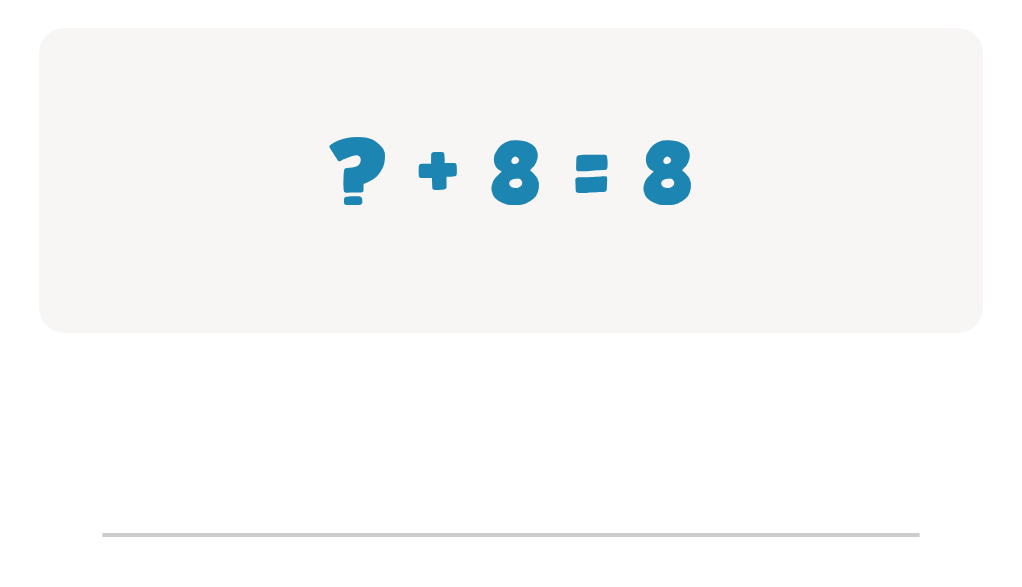
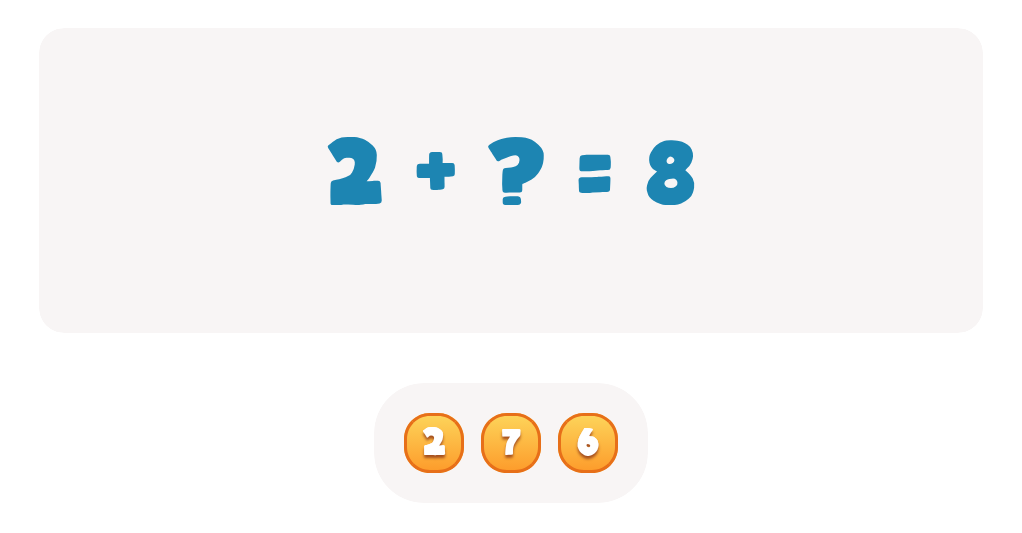
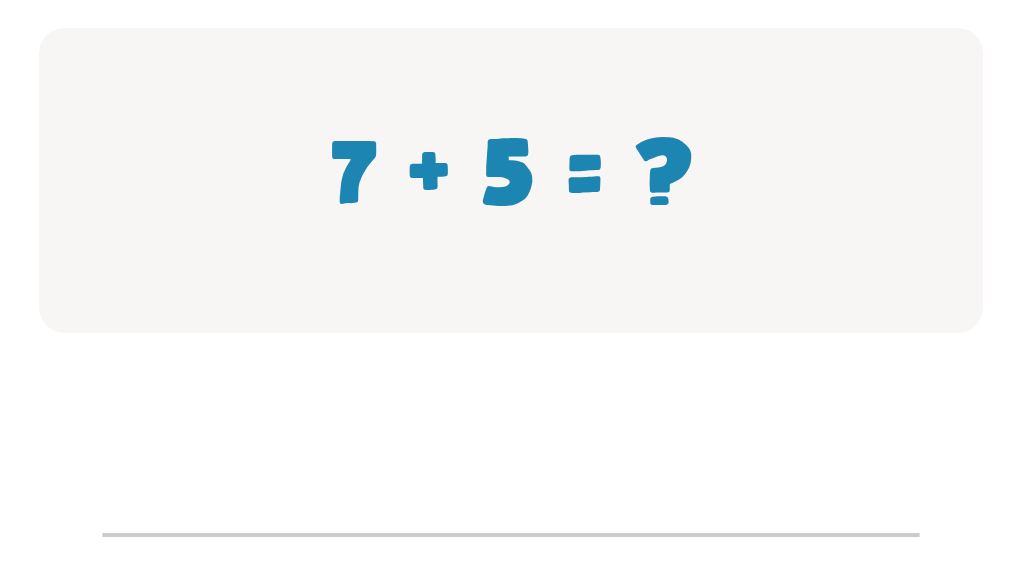
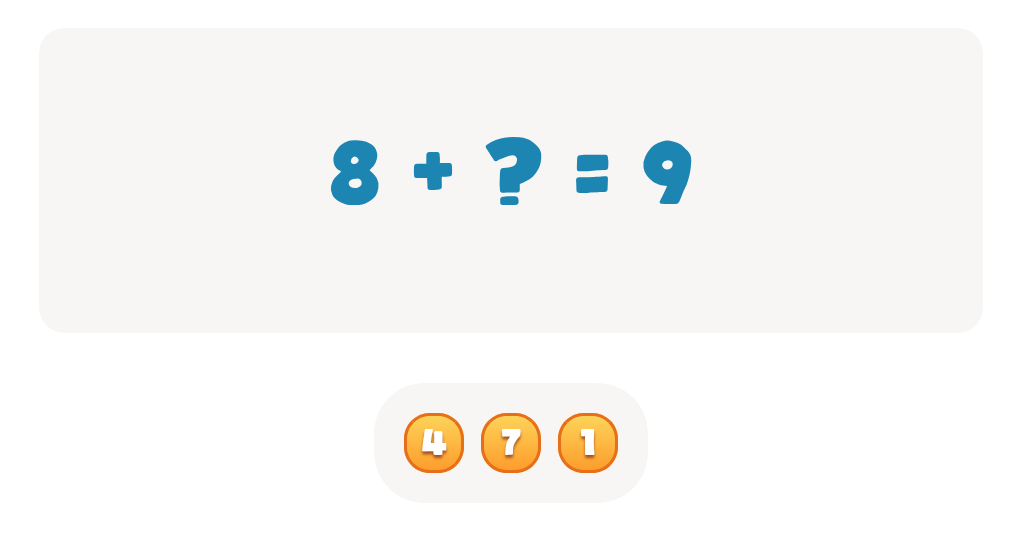

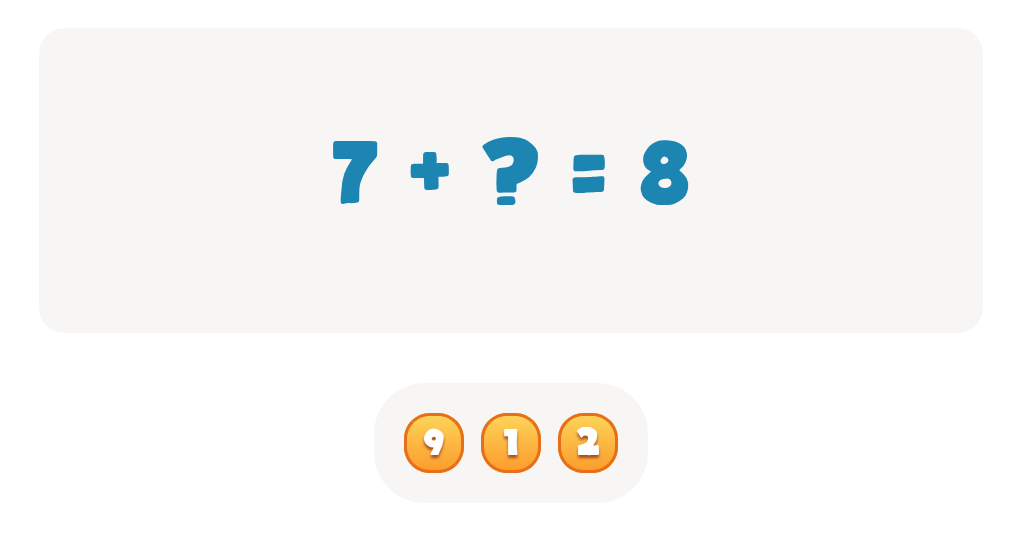
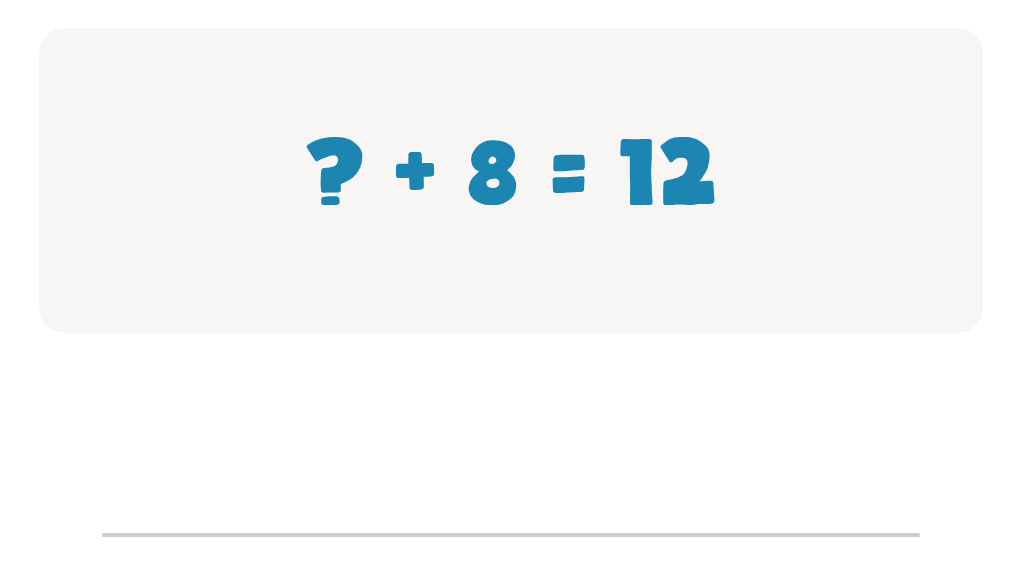
14 in School Worksheet
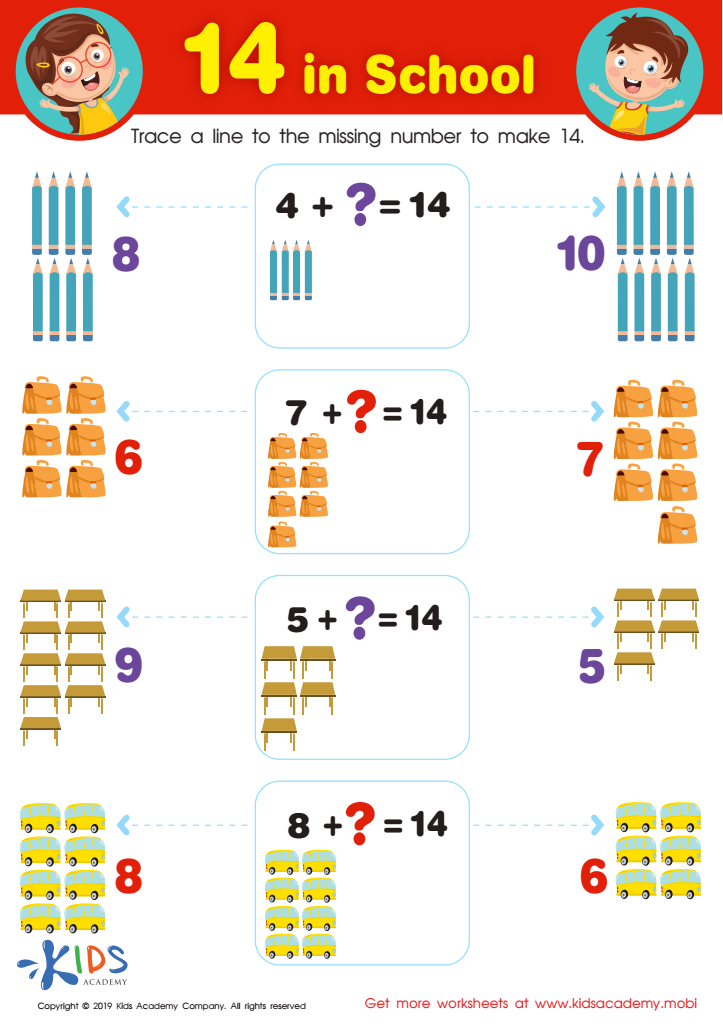
Remind your kids that adding different sets of numbers can give the same total (e.g. 2+3=5, 4+1=5). Ask them for more examples. Afterwards, work through the exercise. Help them count the objects and trace a line to the missing number that makes the total 14.
14 in School Worksheet
Worksheet
Growing with 15 Worksheet
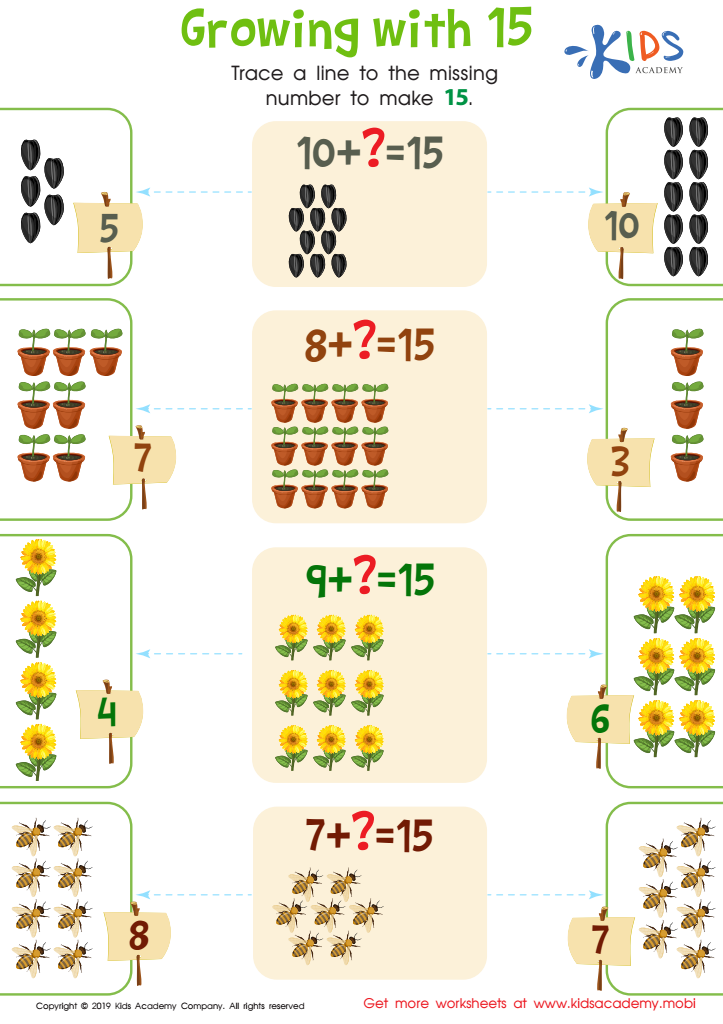
Remind your kids that adding different sets of numbers can give the same total (e.g. 2+3=5, 4+1=5). Test their understanding by asking them for more examples. Move onto the worksheet: count objects, then trace the line to the number making a total of 15.
Growing with 15 Worksheet
Worksheet
Join Kids Academy for Free
Who is primarily going to use this learning content?








Parents and teachers should pay close attention to counting skills and normal addition facts for children aged 4-5 because these skills lay the critical foundation for future mathematical learning and overall cognitive development. Early mastery of counting and basic addition helps children understand numerical concepts, patterns, and relationships, which are essential for more complex mathematical operations later on.
Developing counting skills fosters children's abilities to sequence, recognize number symbols, and establish a one-to-one correspondence between objects and numbers. When children grasp these early concepts, they are more confident in approaching math problems and less likely to experience math anxiety. Moreover, understanding addition provides the building blocks for mastering mental arithmetic, fostering problem-solving skills, and developing logical thinking.
At this young age, children are particularly receptive to learning through playful and engaging activities. Introducing counting games, interactive storybooks, and hands-on experiences not only makes learning fun but also strengthens their ability to focus, follow instructions, and enhance fine motor skills when manipulating objects.
Furthermore, supporting these early mathematical skills can lead to improved academic performance in other subjects, as math promotes critical thinking and analytical skills that are transferable across different areas of learning. Early intervention and support ensure a smoother transition to formal schooling, setting children up for long-term academic success and a positive attitude toward learning.








