Number Sequencing Normal Math Worksheets for Ages 4-5
6 filtered results
-
From - To
Discover our "Number Sequencing Normal Math Worksheets for Ages 4-5" designed to build a strong mathematical foundation for your child. These engaging and colorful worksheets help kids recognize patterns, understand number order, and develop counting skills through fun activities. Perfect for preschoolers, our worksheets provide a balanced mix of challenges that cater to early learners. Boost your child's confidence and inspire a love for math by introducing these fundamental sequencing exercises today. Start your young learner's journey with our expertly crafted worksheets, ensuring they develop crucial number sequencing skills in an enjoyable and effective way.
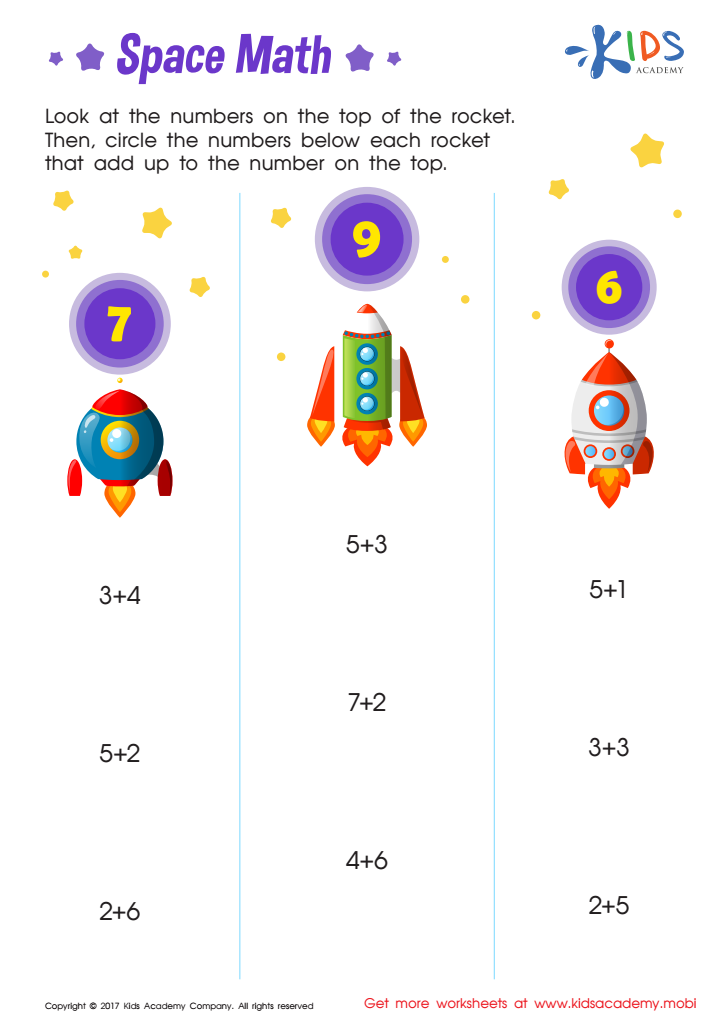
Addition: Space Math Worksheet
 Assign to My Students
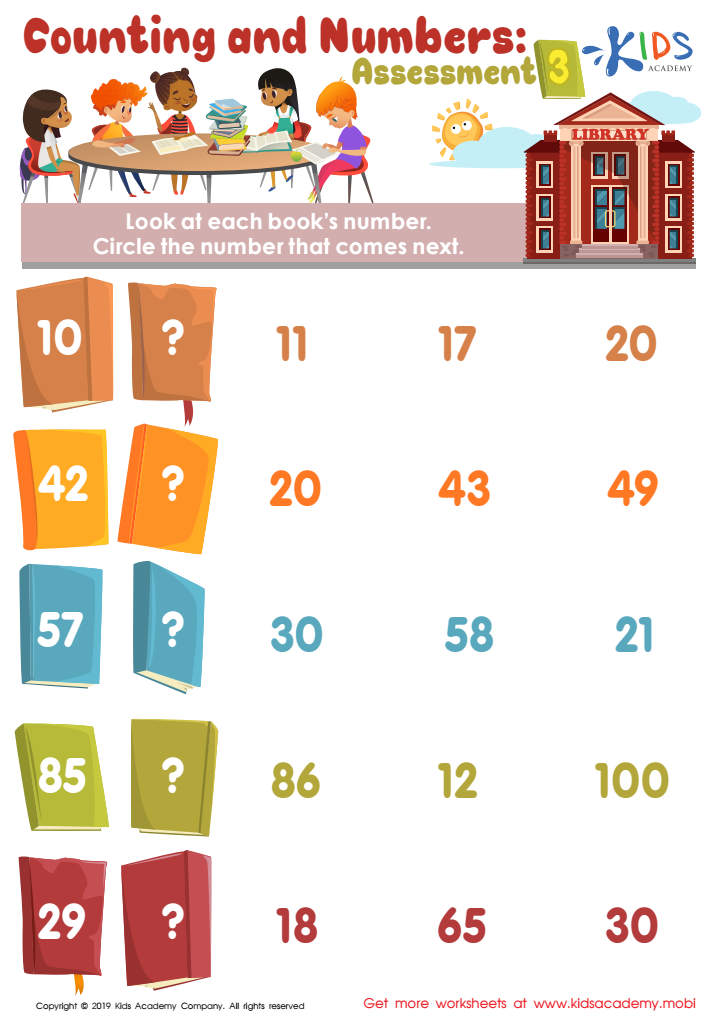
Counting and Numbers: Assessment Worksheet
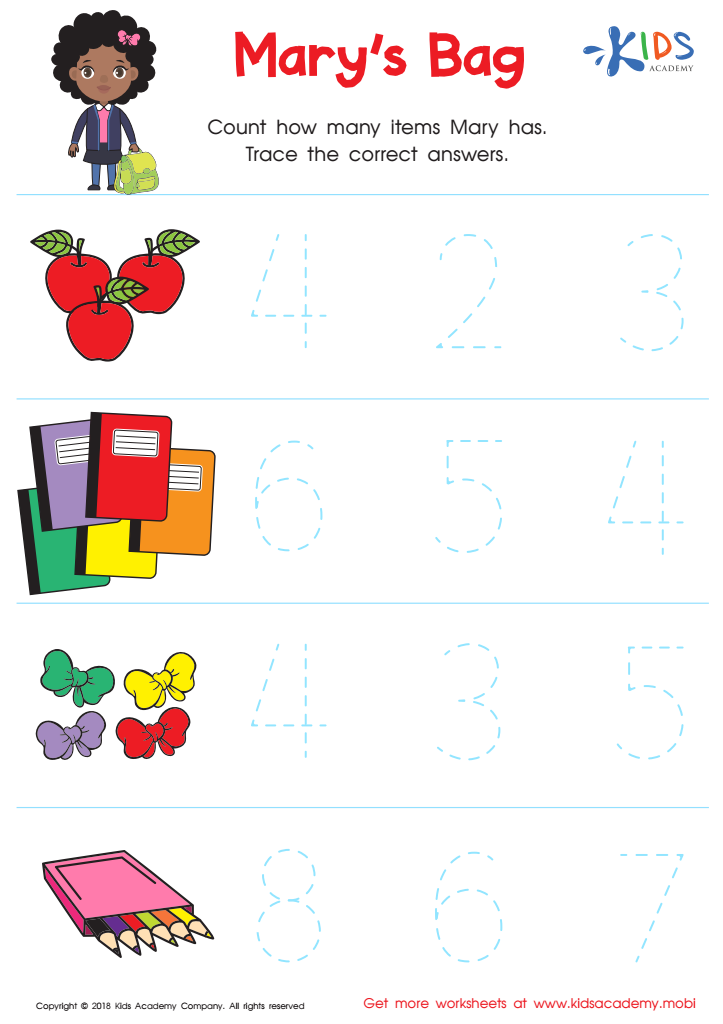
Kindergarten Number Tracing: Mary's Bag Worksheet
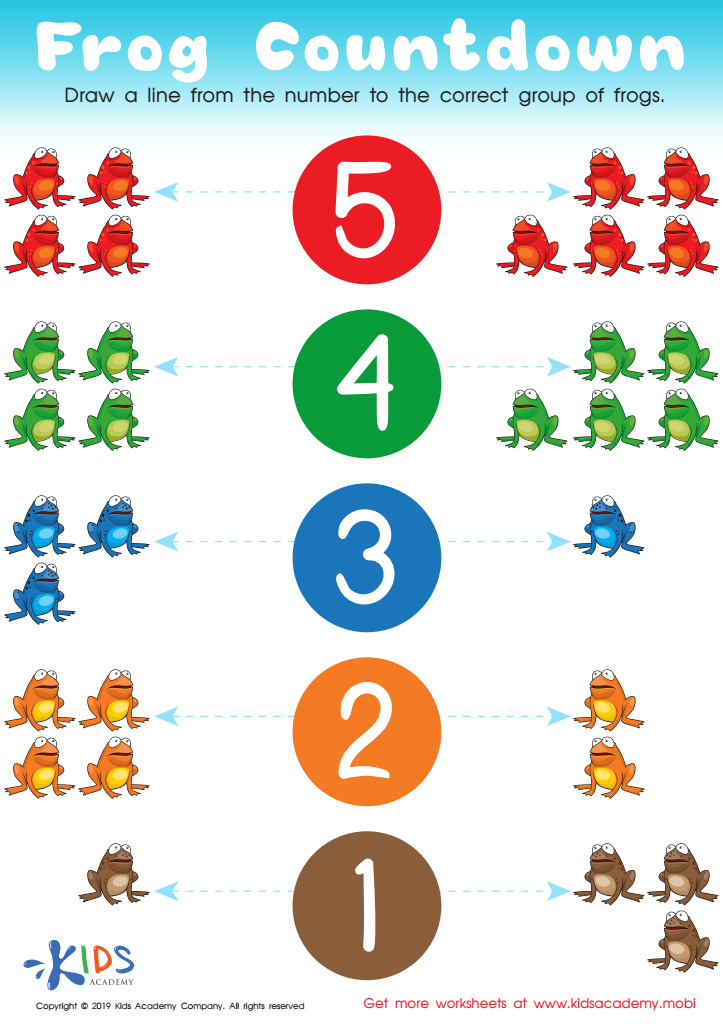
Frog Countdown Worksheet
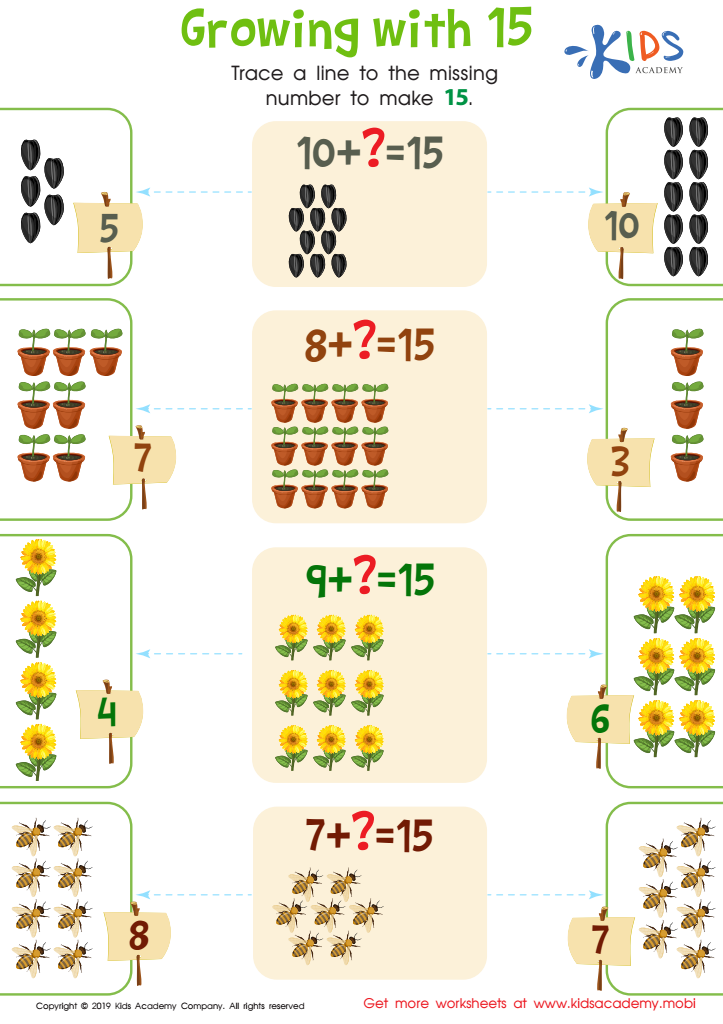
Growing with 15 Worksheet
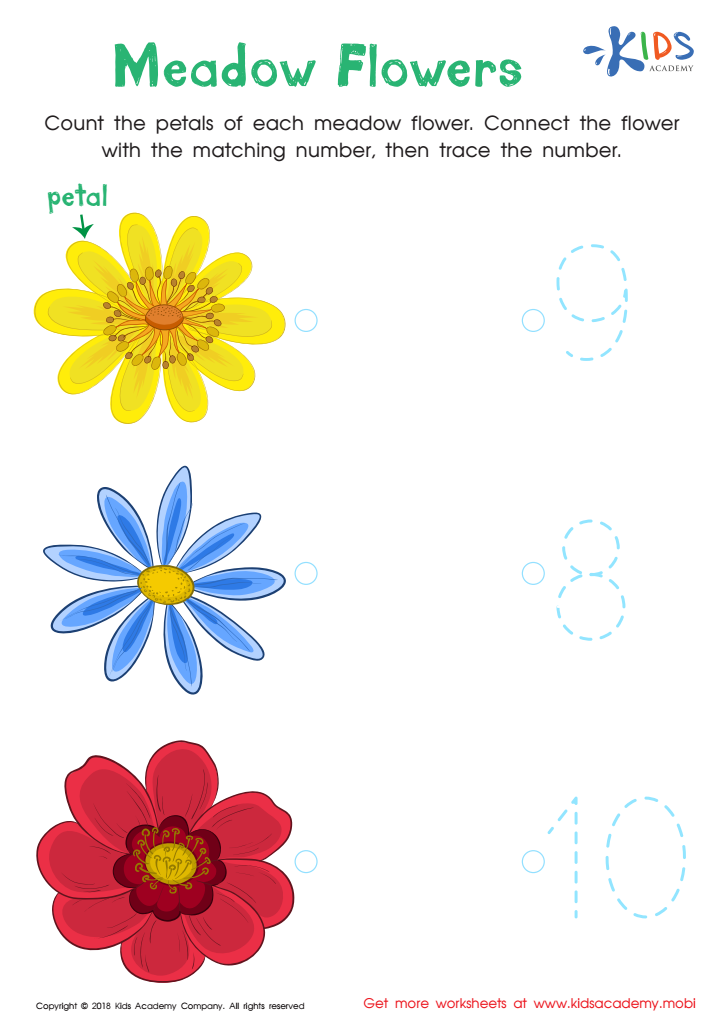
Kindergarten Number Tracing: Medow Flowers Worksheet




.jpg)



Number sequencing is a fundamental mathematical skill crucial for young children's cognitive and academic development, making it essential for both parents and teachers to prioritize its mastery in children aged 4-5. At this formative age, children's brains are highly adaptable and more receptive to learning new concepts, including numerical order and patterns.
Understanding number sequencing lays down a strong foundation for future math learning, including more complex operations like addition and subtraction. When children can count in order, they also start to recognize patterning, which is integral to math and critical thinking. These skills are pivotal as they move forward in their educational journey, where a solid grasp of basic math becomes essential for success in subjects like science, engineering, and technology.
Moreover, mastering number sequencing aids in the development of children's cognitive abilities, including memory, attention to detail, and problem-solving skills. It promotes a sense of timing and ordering, skills that are not only essential in mathematics but also in daily activities and tasks that require organization and logical thinking.
By engaging in activities that develop number sequencing, parents and teachers provide children with rich, exploratory environments that stimulate intellectual growth while fostering a love for learning. These foundational skills can also boost a child's confidence, encouraging a positive attitude toward math and learning in general, which is beneficial throughout their educational journey and beyond.








