Critical Thinking Normal Reading Comprehension Worksheets for Ages 4-5
13 filtered results
-
From - To
Explore our engaging "Critical Thinking Normal Reading Comprehension Worksheets" designed specifically for children aged 4-5. These worksheets combine fun and learning, helping young learners enhance their reading skills while fostering critical thinking abilities. Each activity challenges students to analyze, interpret, and respond to age-appropriate texts, promoting deeper comprehension and creative problem-solving. With colorful illustrations and captivating stories, these worksheets capture children's attention and make reading a delightful experience. Perfect for home or classroom use, these resources lay a solid foundation for future literacy development and support cognitive growth, ensuring your little ones become confident readers and thinkers.
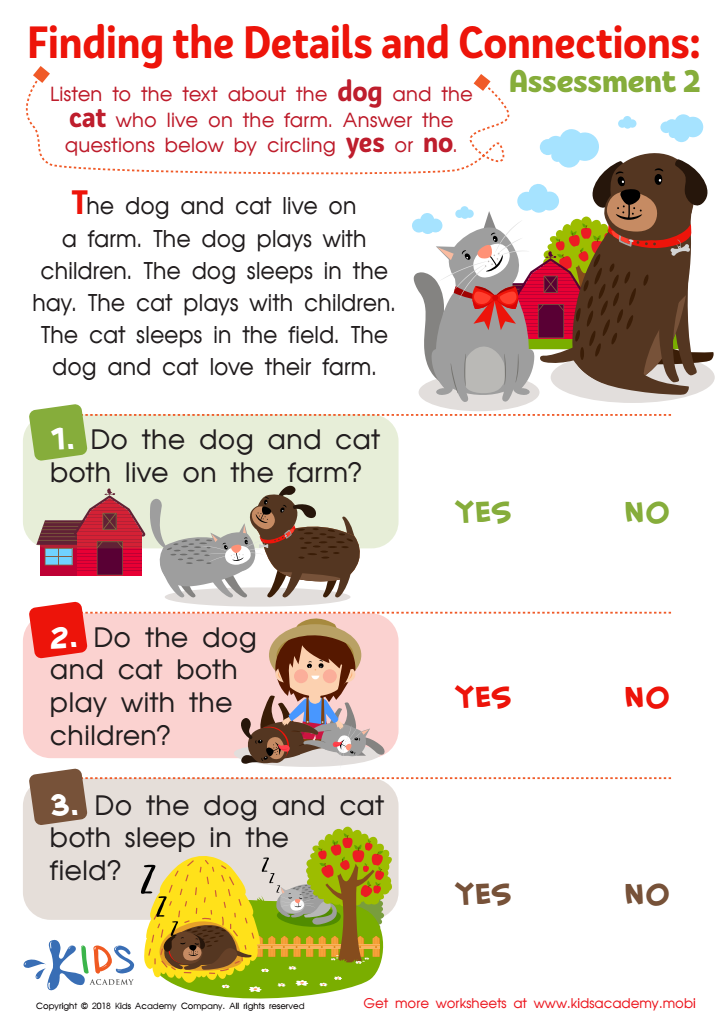
Finding the Details and Connections: Assessment 2 Worksheet
 Assign to My Students
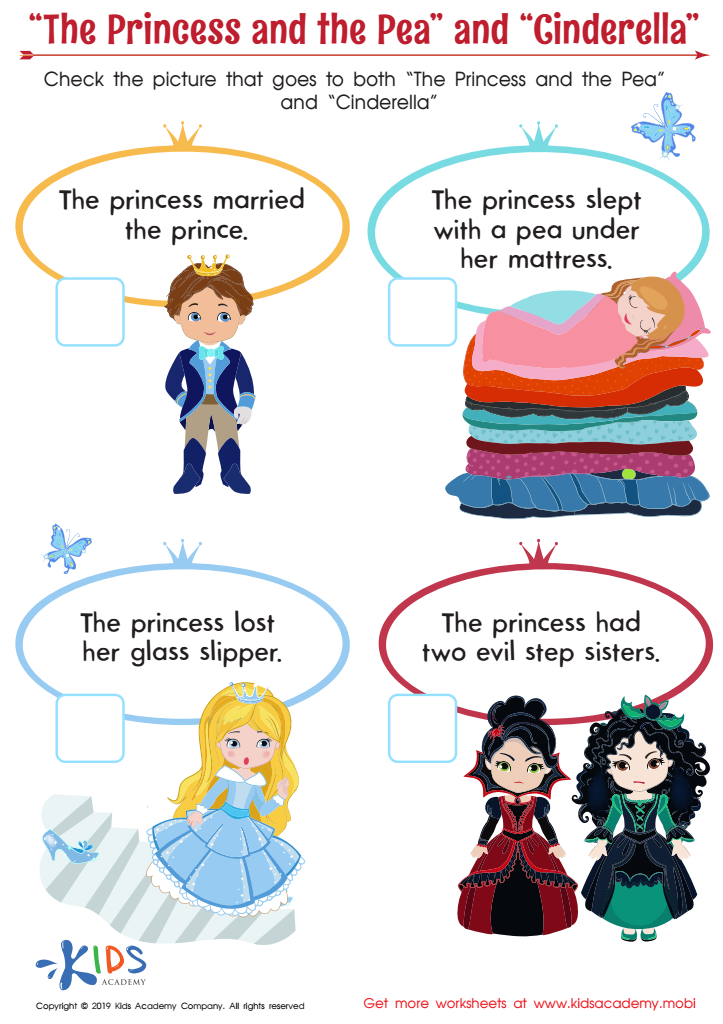
“The Princess and the Pea” and “Cinderella” Worksheet
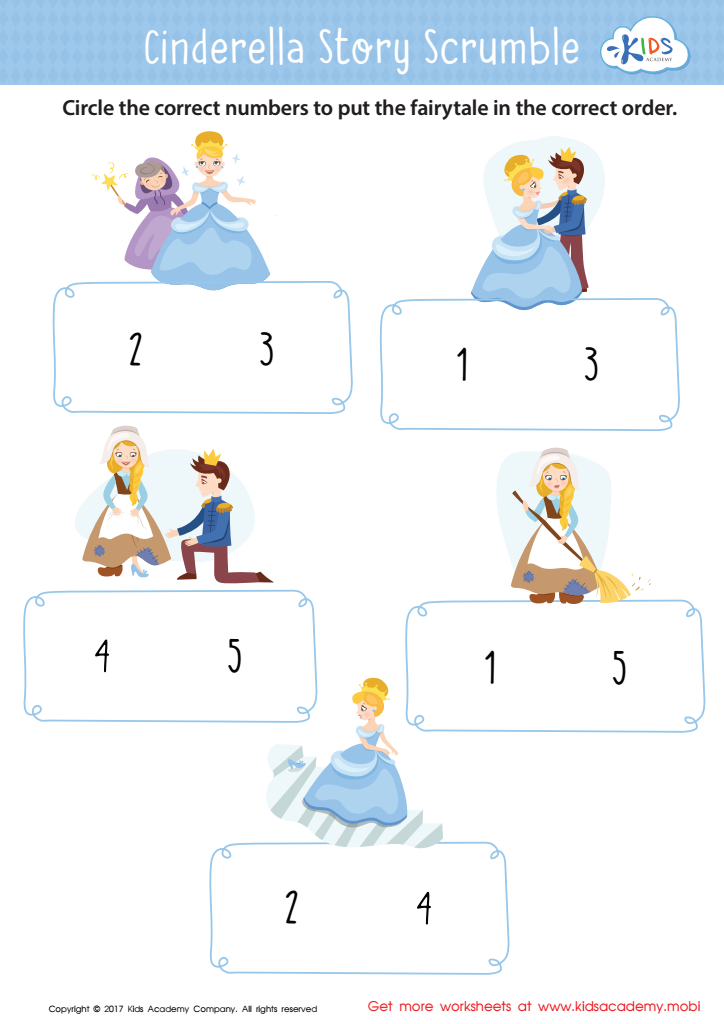
Cinderella Story Sequencing Worksheet
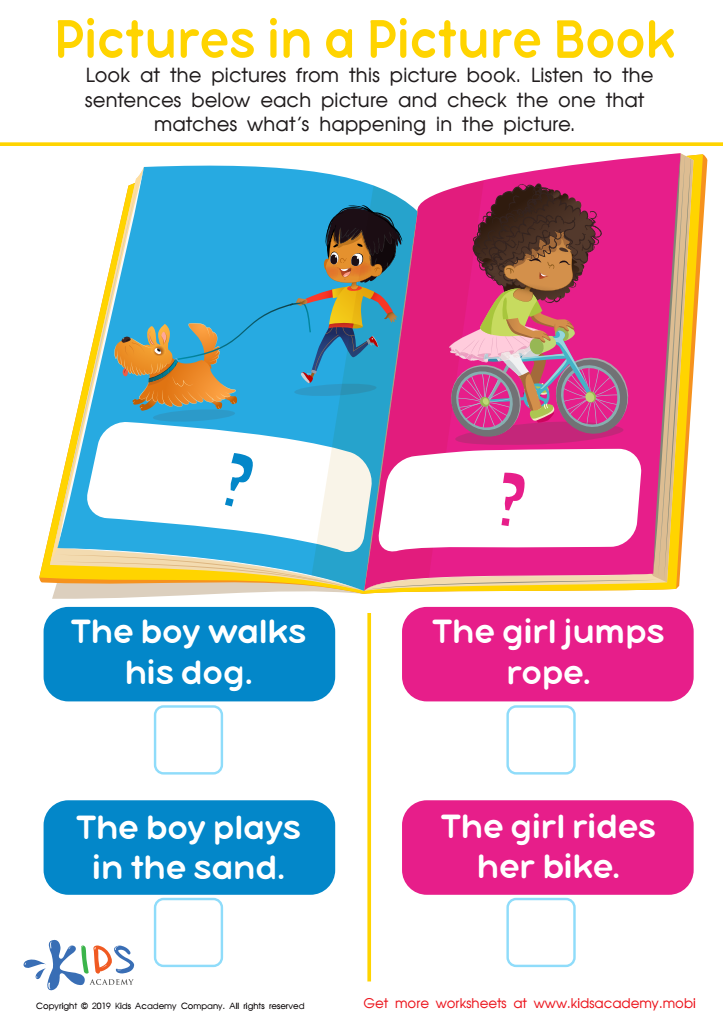
Picture in Books Worksheet
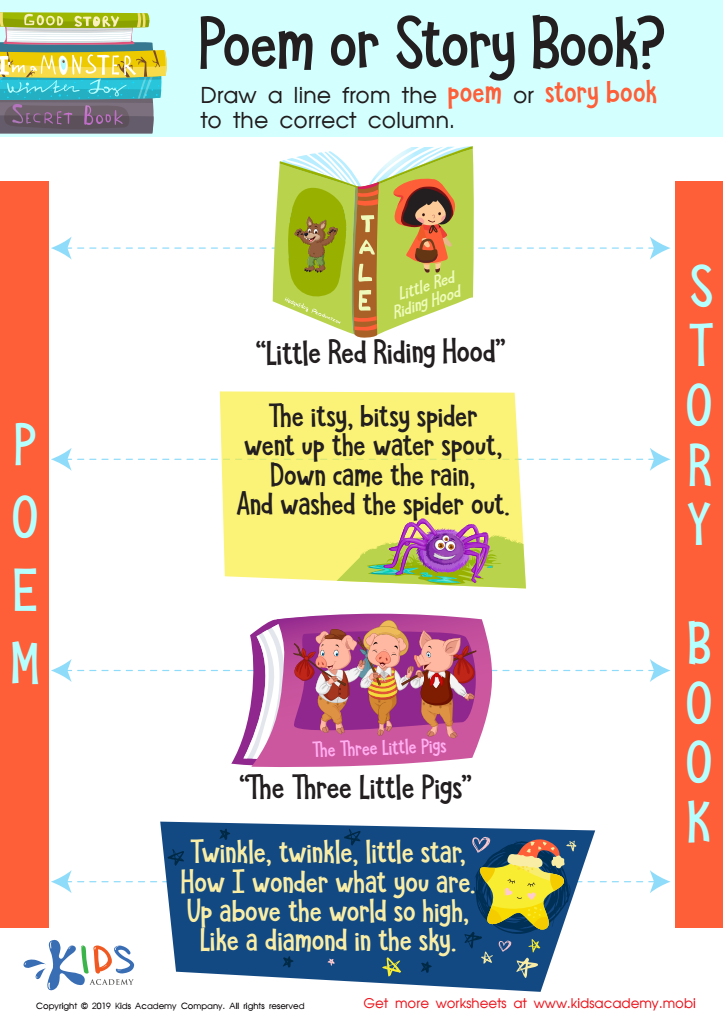
Poem or Story Book? Worksheet
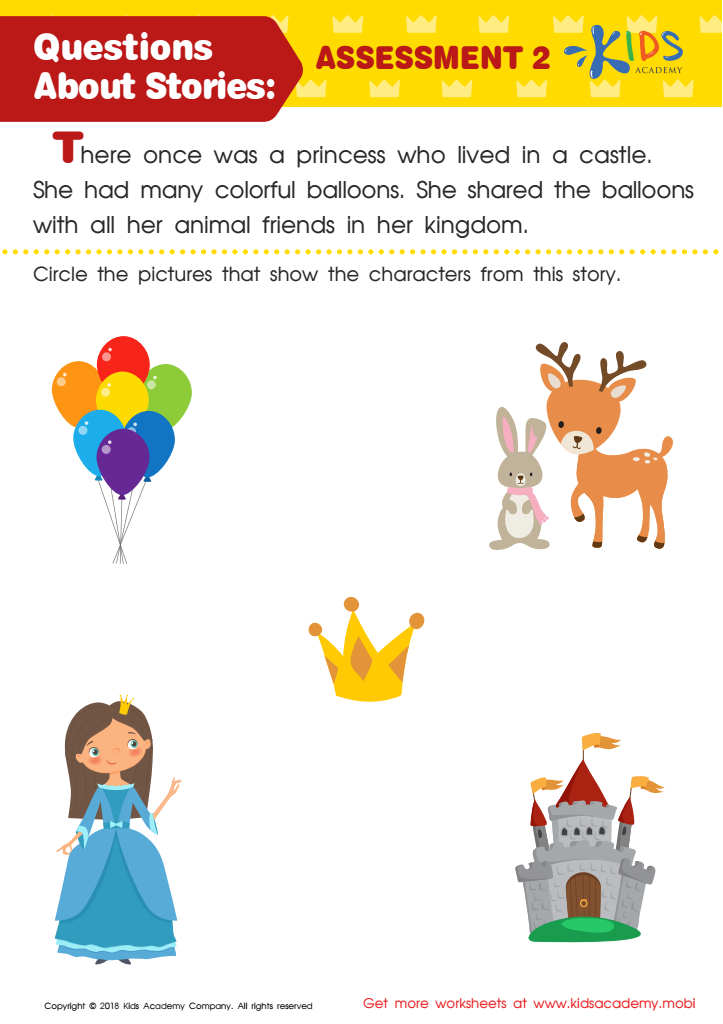
Questions About Stories: Assessment 2 Worksheet
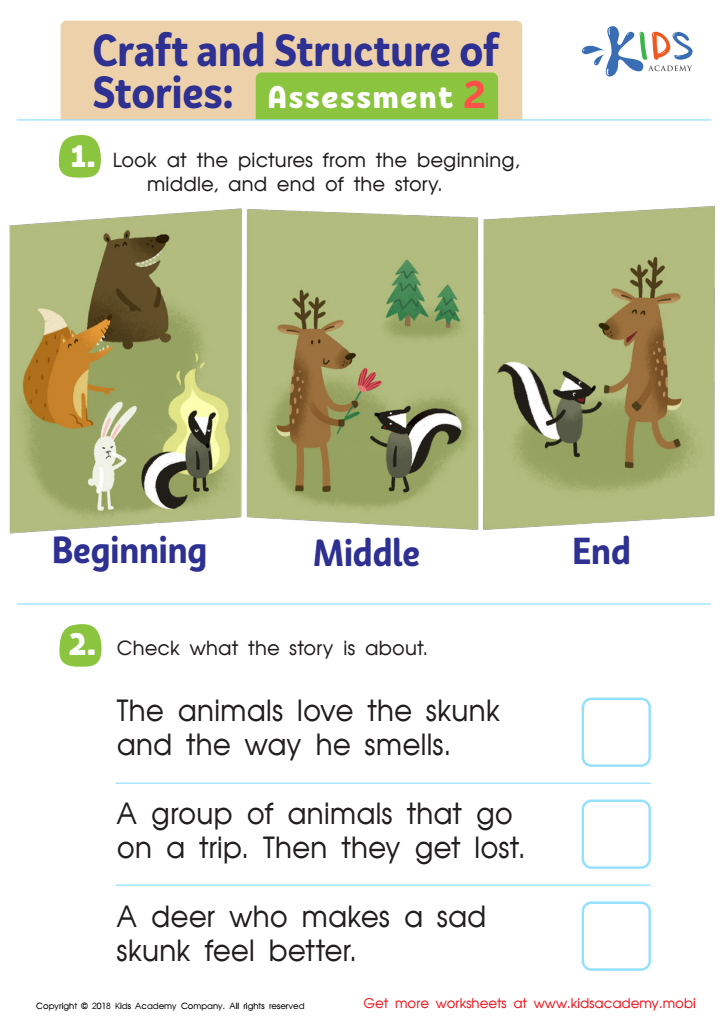
Craft and Structure of Stories: Assessment 2 Worksheet
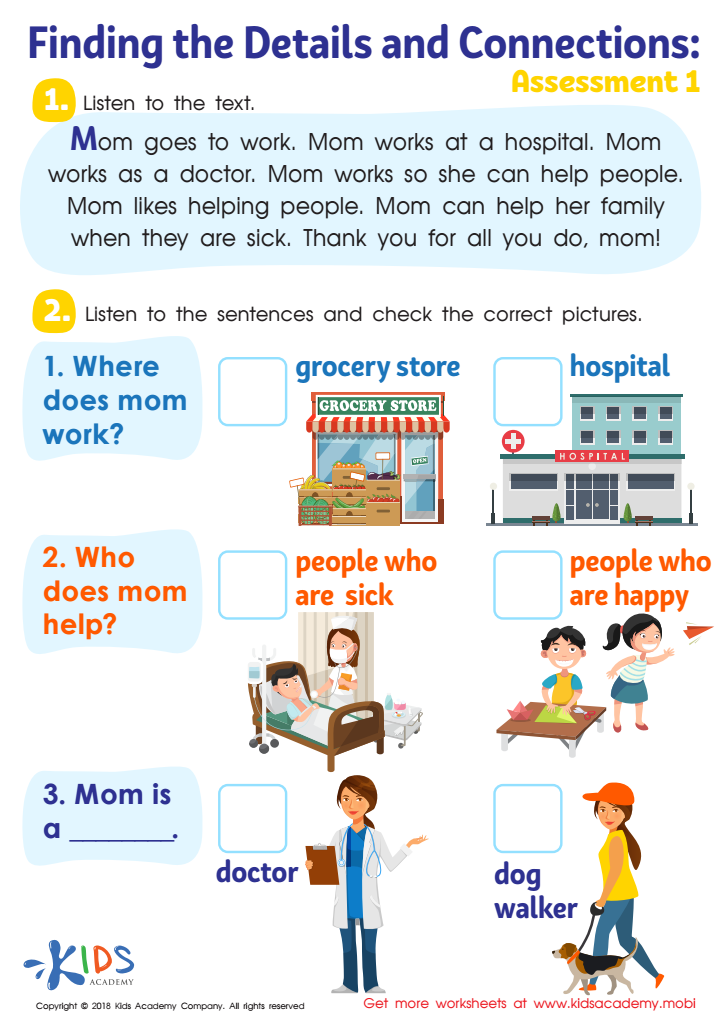
Finding the Details and Connections: Assessment 1 Worksheet
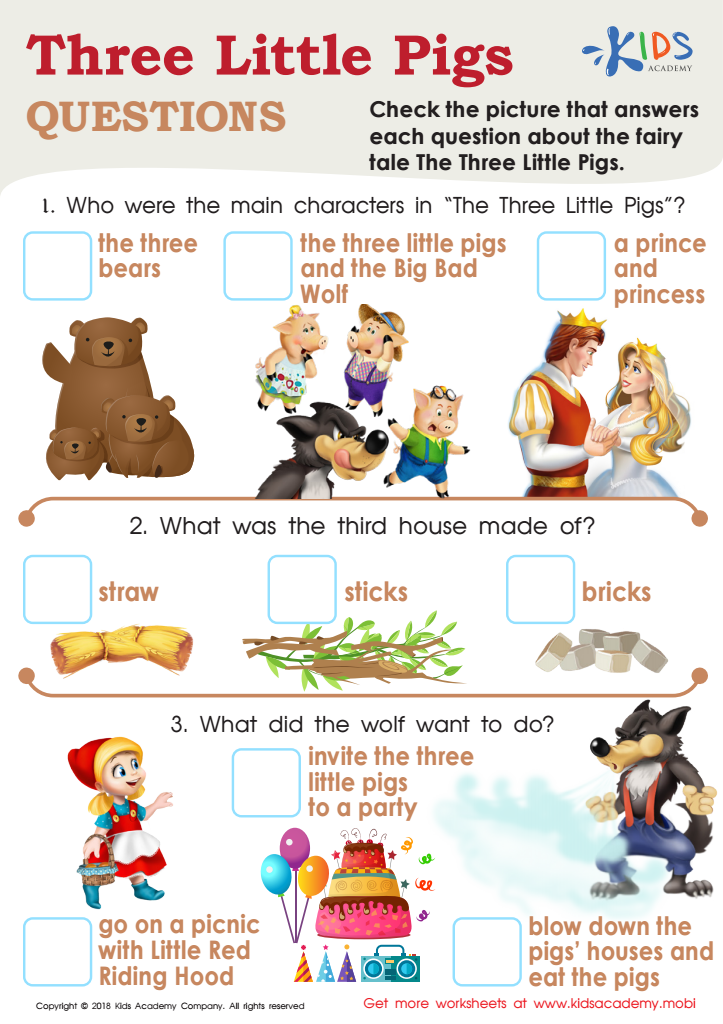
Three Little Pigs Questions Worksheet
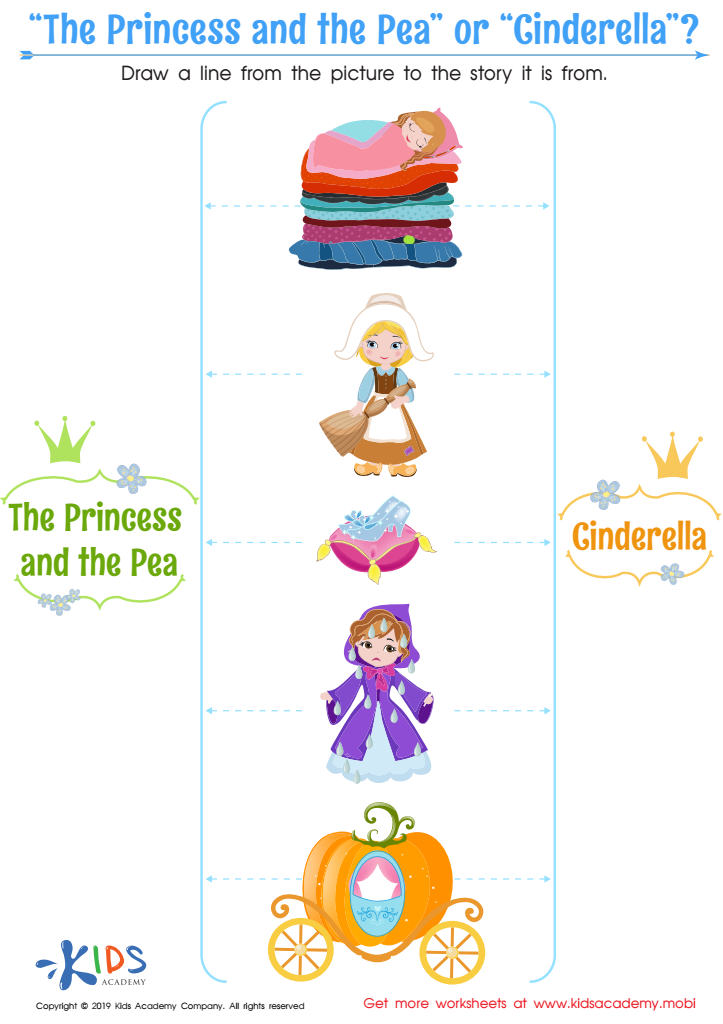
“The Princess and the Pea” or “Cinderella” Worksheet
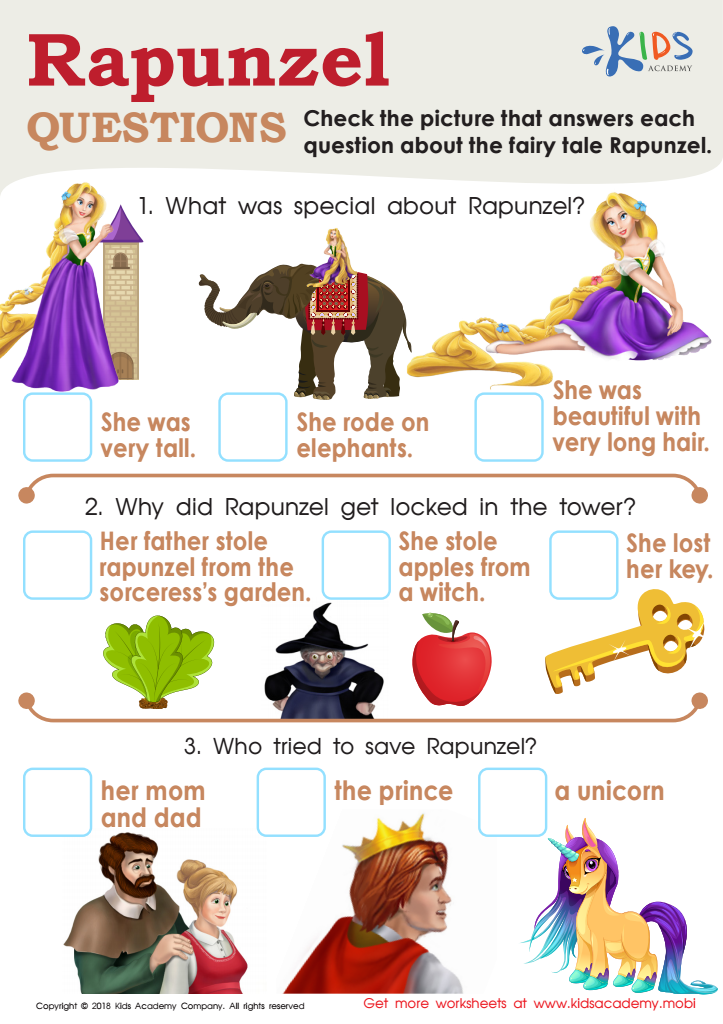
Rapunzel Questions Worksheet
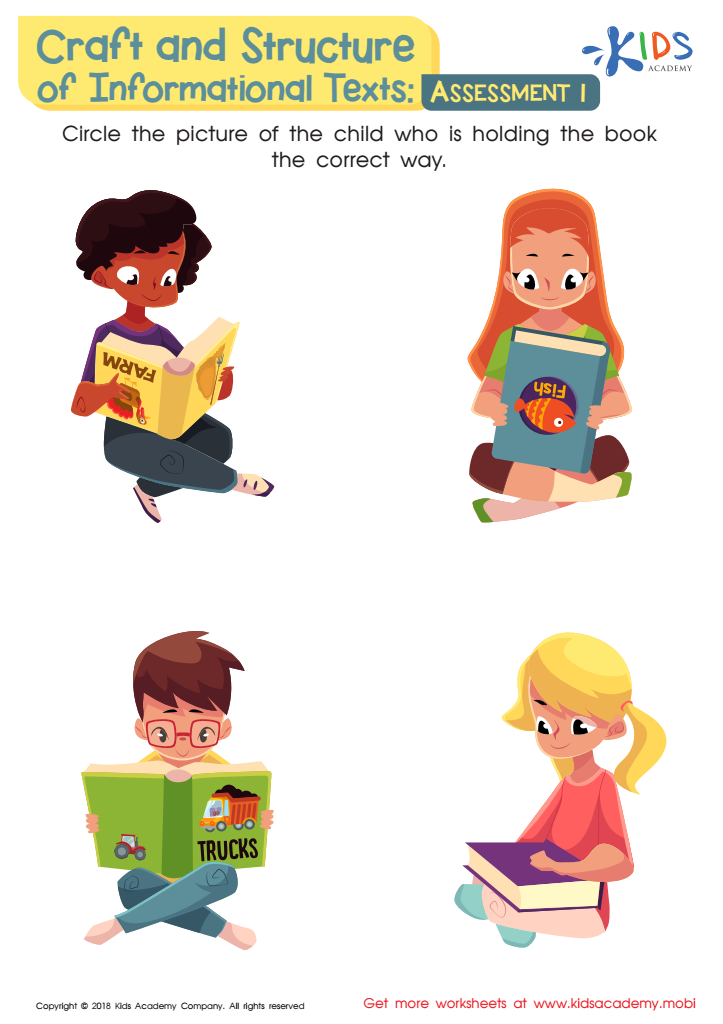
Craft and Structure of Informational Texts: Assessment 1 Worksheet
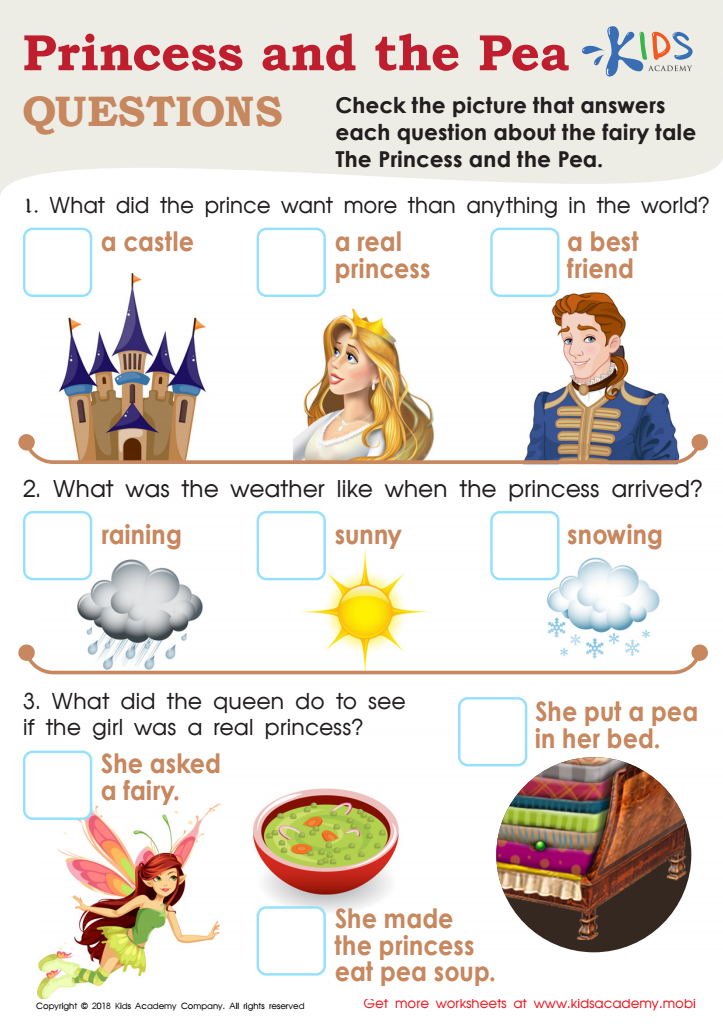
Princess and the Pea Questions Worksheet








Critical thinking and reading comprehension are vital skills for children aged 4-5, as they form the foundation for lifelong learning and intellectual development. At this early age, children are naturally curious and eager to explore the world around them. By fostering critical thinking skills, parents and teachers can encourage children to ask questions, make connections, and think independently. This active engagement with information promotes deeper understanding and retention, which are essential for effective reading comprehension.
Additionally, early literacy skills are strongly linked to future academic success. When young children learn to comprehend what they read, they develop vocabulary, grammar, and context-awareness, all of which enhance their ability to communicate and express their ideas effectively. Teaching critical thinking during reading activities helps children analyze stories, identify main ideas, and infer meanings, which enriches their reading experience.
Moreover, nurturing these skills in the classroom and at home lays the groundwork for decision-making and problem-solving abilities in later life. By investing time and effort into teaching critical thinking and reading comprehension in these formative years, parents and educators are equipping children with the essential tools they need to navigate the complexities of learning and fully participate in their educational journeys.








