Reading comprehension Normal Science Worksheets for Ages 4-5 - Page 2
30 filtered results
-
From - To
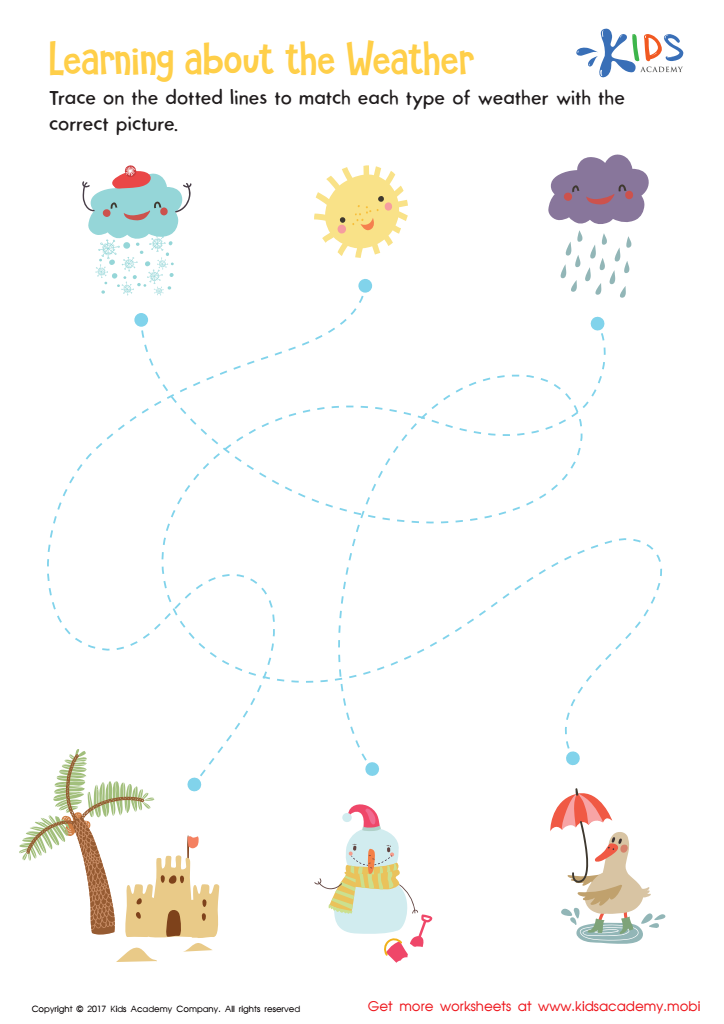
 Assign to My Students
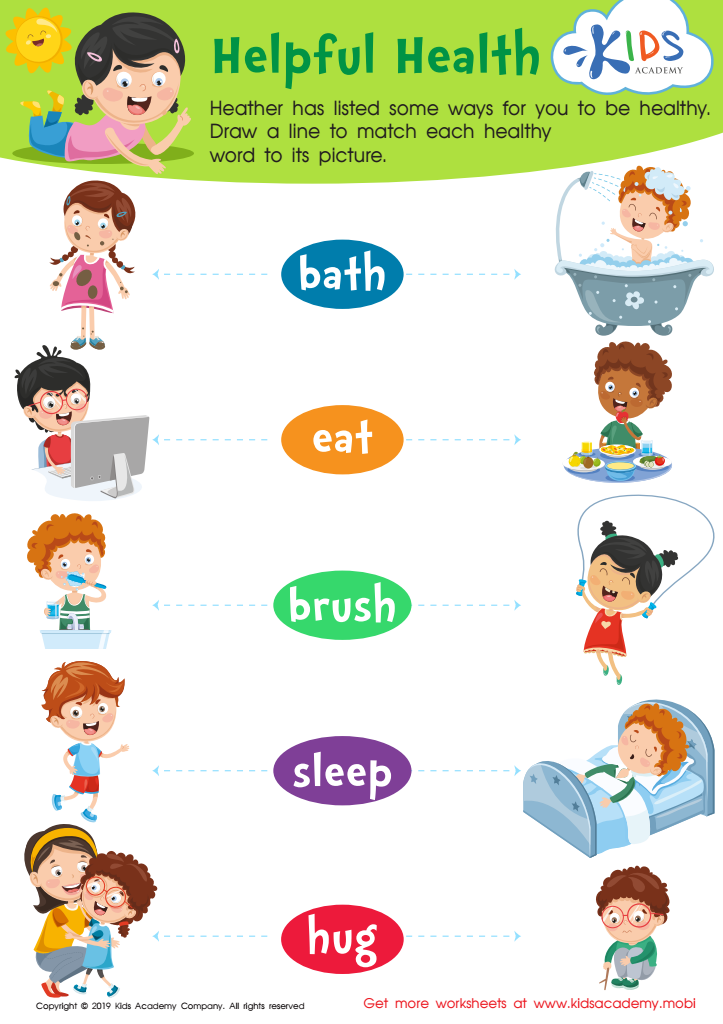
Helpful Health Worksheet
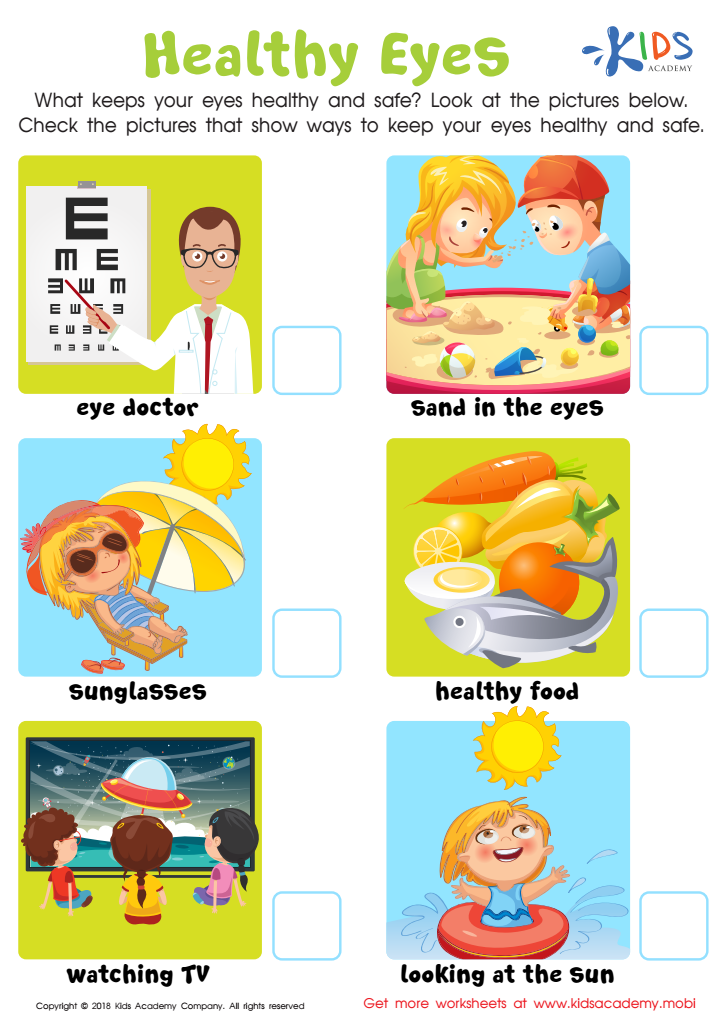
Healthy Eyes Worksheet
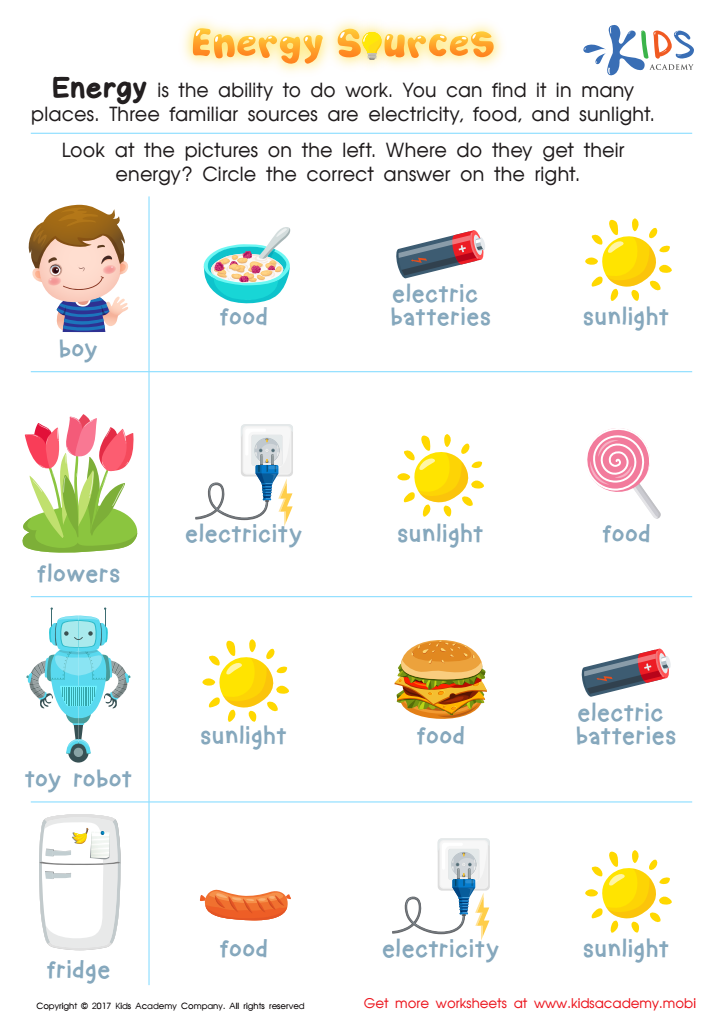
Energy Sources Printable
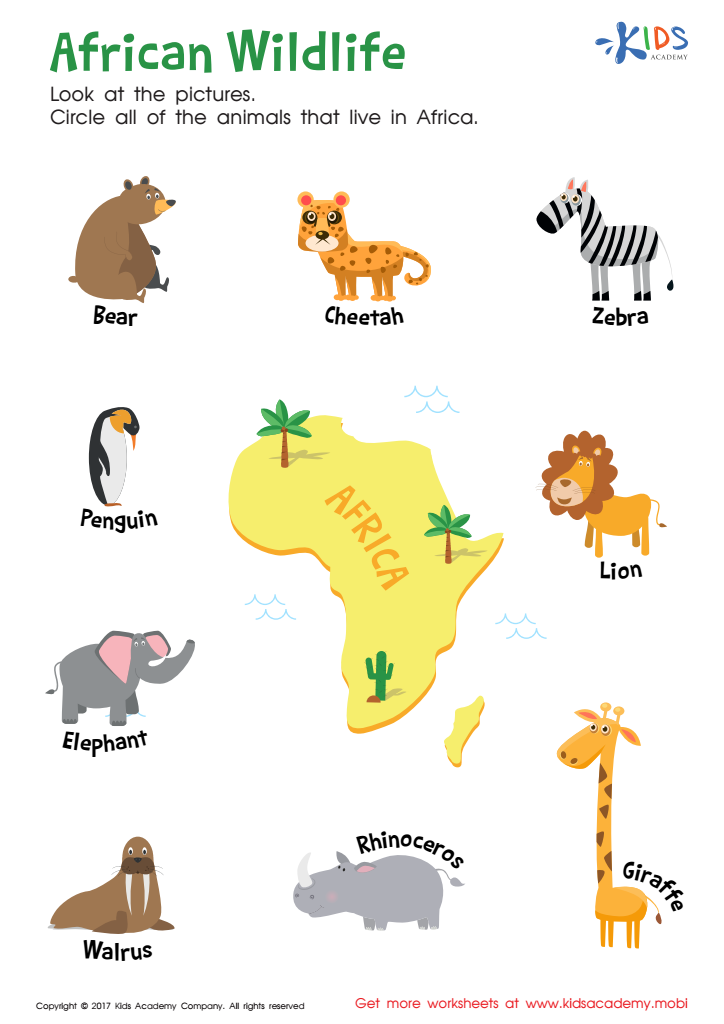
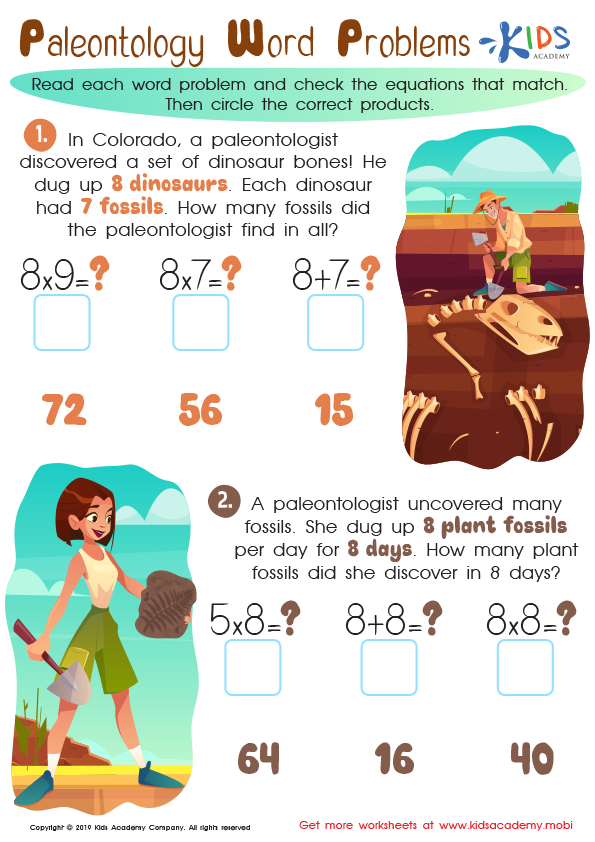
Archeology Word Problems Worksheet




.jpg)



Reading comprehension is the foundation upon which all other learning is built, and introducing normal science concepts to children aged 4-5 can greatly enhance their cognitive development and curiosity. For both parents and teachers, prioritizing reading comprehension at this early stage is crucial for several reasons.
Firstly, developing reading comprehension skills helps children understand and process the information they encounter not just in texts, but also in their immediate environment. Early exposure to age-appropriate science content through engaging stories or simple informational books lays the groundwork for critical thinking and problem-solving skills. These skills are essential as they transition into more complex areas of learning.
Secondly, when children understand what they read, it boosts their confidence and encourages a positive attitude towards learning. Reading about science in particular can spark their natural curiosity, fostering a sense of wonder about the world around them. This curiosity can motivate them to ask questions, explore, and experiment, which are key aspects of both scientific inquiry and lifelong learning.
Finally, collaborative reading and discussions about science texts between children and their caregivers or teachers can strengthen emotional bonds and communication skills. These interactions facilitate an enriching learning environment and set the stage for future academic success.
In sum, nurturing reading comprehension and introducing normal science concepts at ages 4-5 not only supports early academic growth but also stimulates a child's overall developmental trajectory.







