Critical thinking skills Normal Social Studies Worksheets for Ages 4-5
3 filtered results
Difficulty Level
Grade
Age
-
From - To
Subject
Activity
Standards
Discover our engaging Critical Thinking Skills Worksheets tailored for children ages 4-5, specially designed to enhance their reasoning and problem-solving abilities through social studies themes. These printable worksheets encourage young learners to explore concepts like community, family, and environment, fostering independent thinking and curiosity. With fun and interactive activities, children will develop essential cognitive skills while learning about the world around them. Ideal for teachers and parents, our resources promote critical thinking through hands-on experiences. Help your child build a strong foundation for future learning and empower them to think critically in their everyday lives with our delightful social studies worksheets!
Favorites
With answer key
Interactive
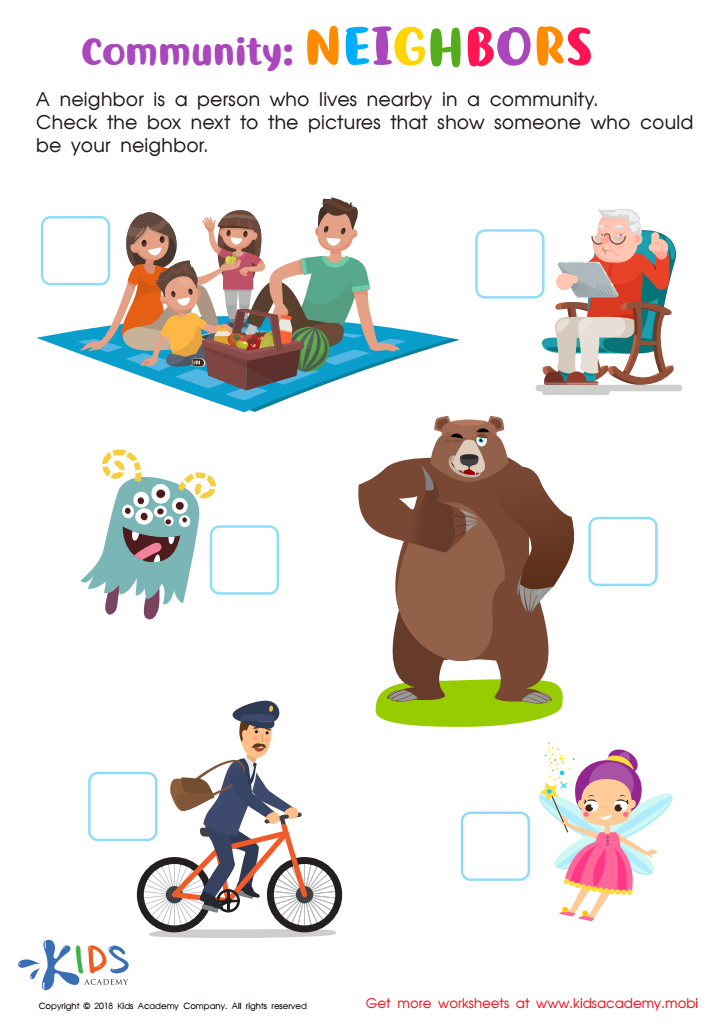
Community: Neighbors Worksheet
This free worksheet helps young learners understand who neighbors are and how they fit into their community. Have your student check out the options, decide which can and can't be neighbours and develop essential social and emotional skills. It's a fun and cheery way to learn about the social sciences!
 Assign to My Students
Community: Neighbors Worksheet
Worksheet
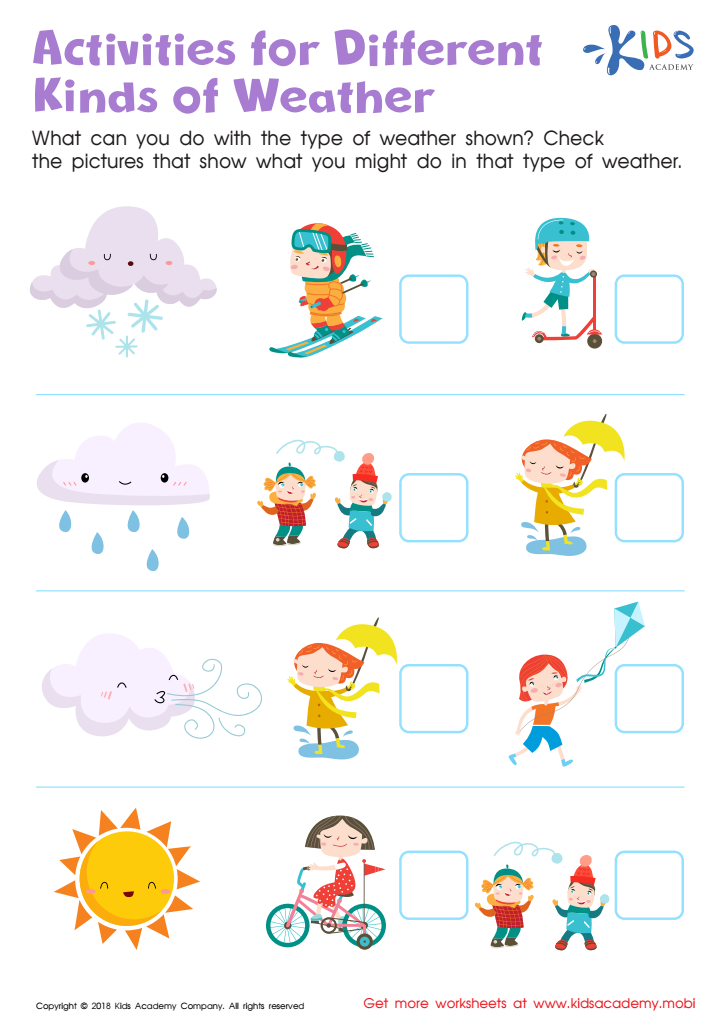
Activities for Different Kinds of Weather Worksheet
Help your child explore the changing seasons with this interactive worksheet. Ask them to name the different seasons and activities associated with each type of weather. Show the pictures and explain what they can do in that kind of weather. Have them check off the activities to help them learn and enjoy the changing seasons.
Activities for Different Kinds of Weather Worksheet
Worksheet
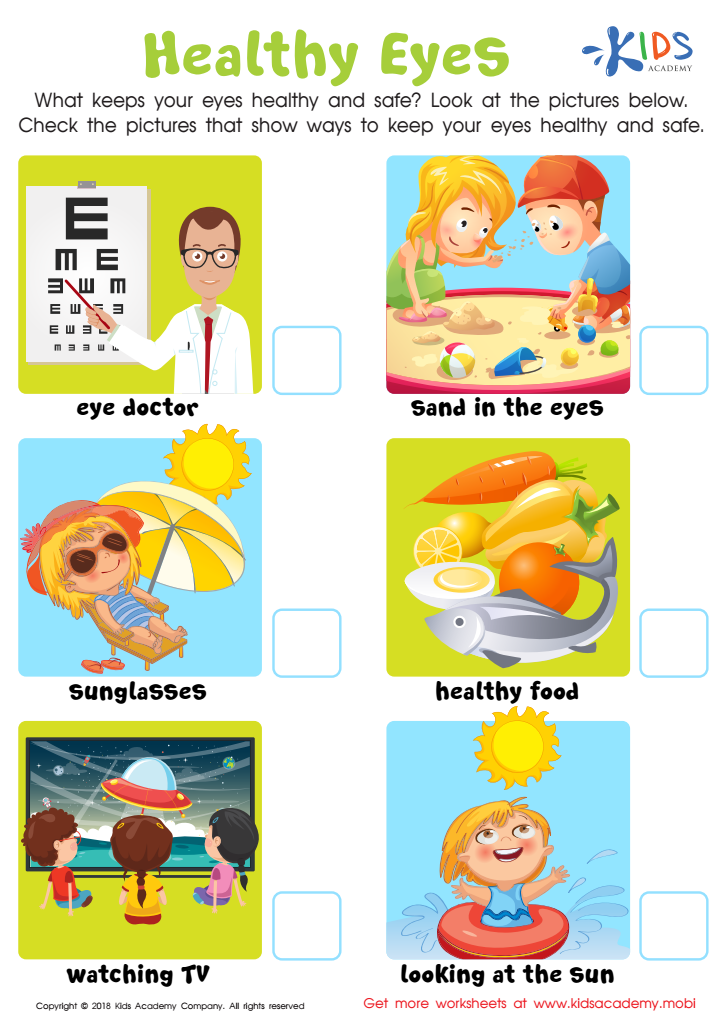
Healthy Eyes Worksheet
Does your child know how to care for their eyes? Help them understand with this worksheet. Look through the pictures together and discuss the different ways to keep the eyes healthy and safe. These include visits to the doctor, wearing sunglasses, and eating healthy food.
Healthy Eyes Worksheet
Worksheet
Join Kids Academy for Free
Who is primarily going to use this learning content?







Critical thinking skills in social studies for children aged 4-5 are essential for developing cognitive abilities and fostering an engaged, informed citizenry. At this young age, when children are naturally curious and eager to explore, nurturing critical thinking helps them ask questions, seek connections, and analyze information in their environment.
Though social studies may seem advanced for preschoolers, introducing basic concepts like community, family, and diversity allows them to make sense of the world around them. By discussing various cultures, routines, and roles, children learn to appreciate differences, developing empathy and social awareness.
Teaching critical thinking through age-appropriate social studies encourages children to engage in conversations, encouraging them to form opinions based on evidence and reasoning. This process aids in their language development, as they articulate thoughts and ideas more clearly.
Parents and teachers should prioritize these skills because they lay the foundation for lifelong learning. Decisions made in adolescence and adulthood are rooted in critical thinking, directly influencing problem-solving and ethical considerations. Cultivating these skills at an early age equips children to navigate complex societal issues, promoting active participation in their communities and the broader world as they grow.