Handwriting practice Normal Alphabet Worksheets for Ages 4-6 - Page 2
37 filtered results
-
From - To
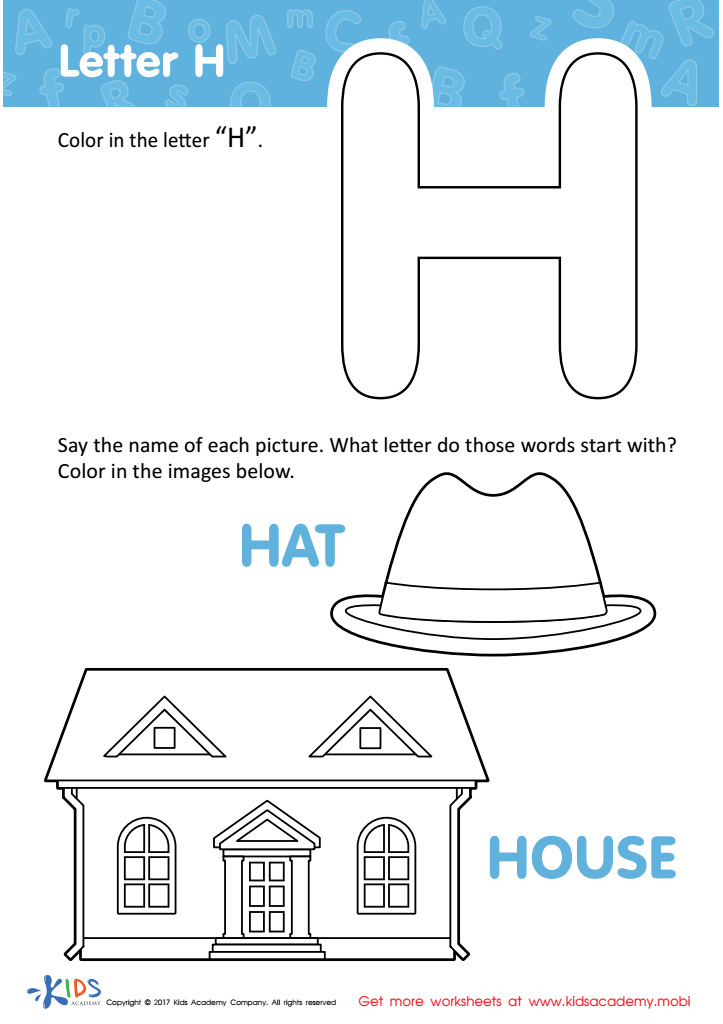
Letter H Coloring Sheet
 Assign to My Students
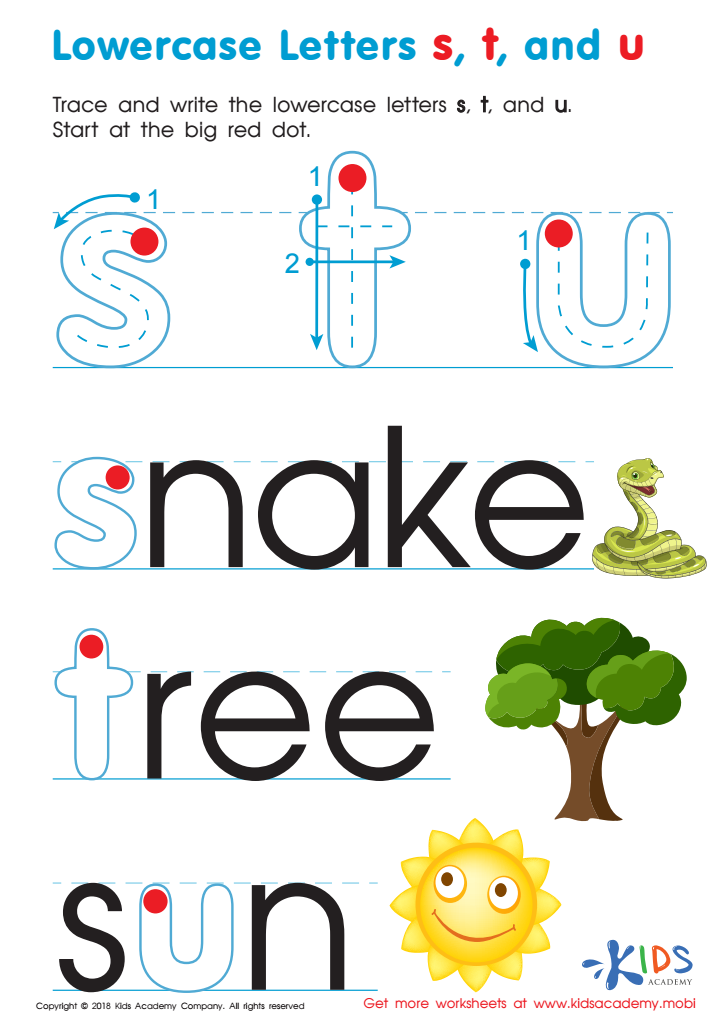
Lowercase Letters s t u Worksheet
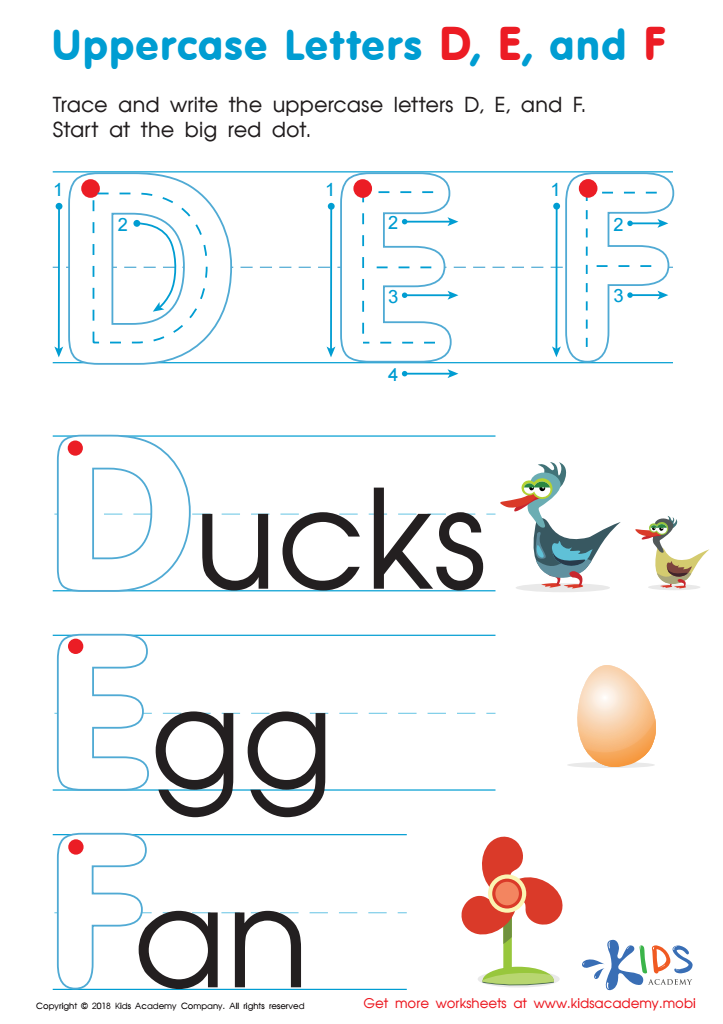
Uppercase Letters D, E, and F Worksheet
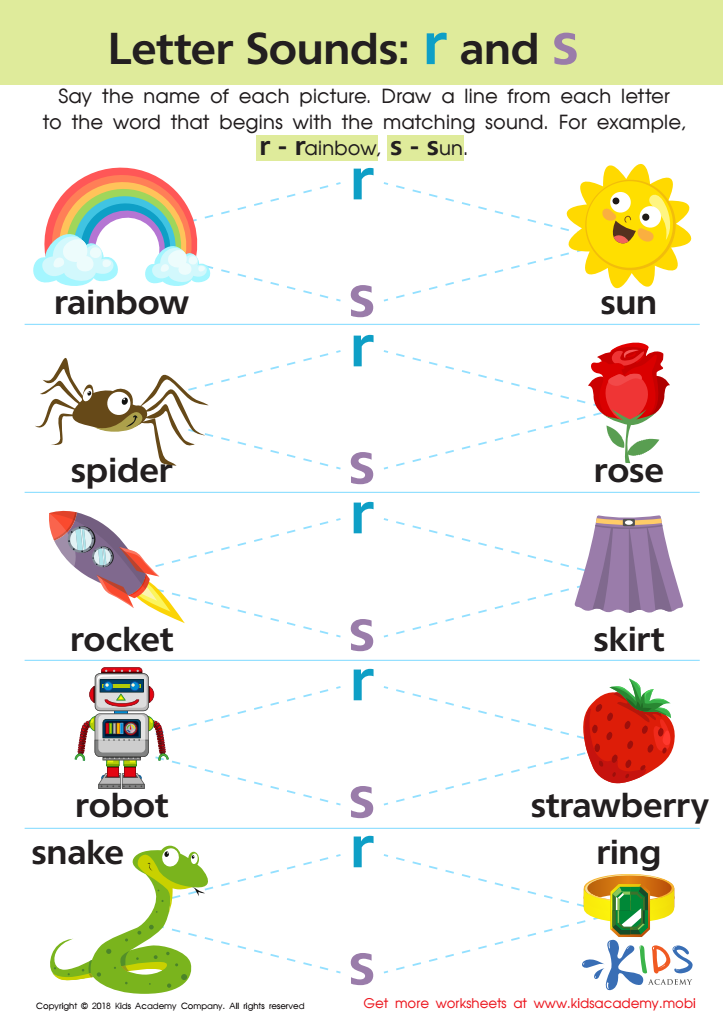
Letter R and S Sounds Worksheet
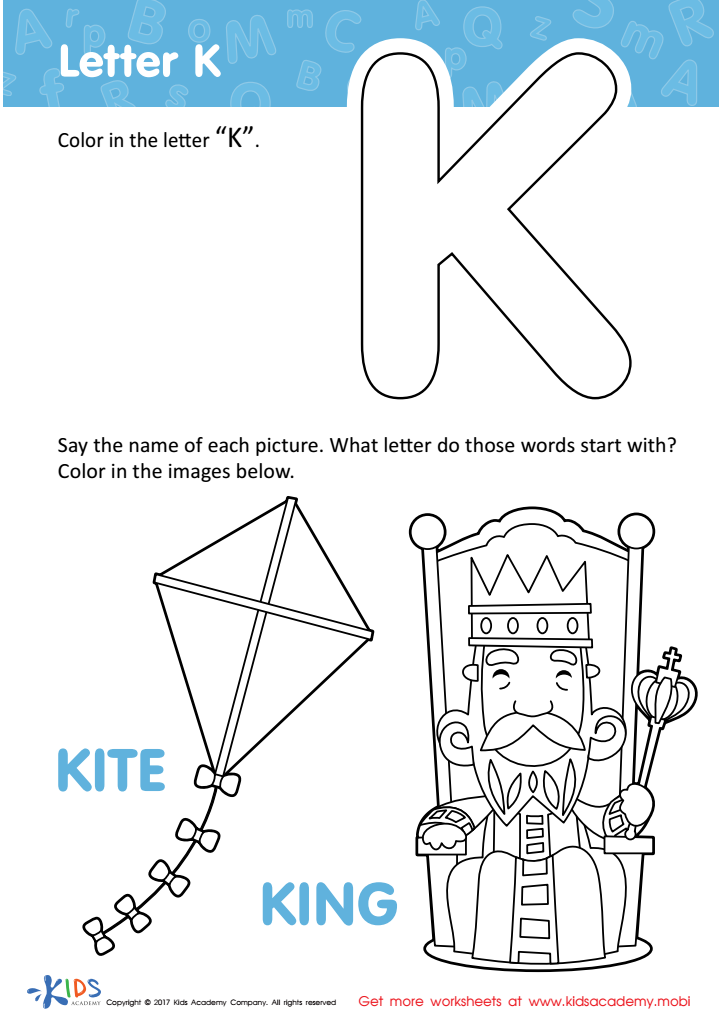
Letter K Coloring Sheet
Assign to My Students
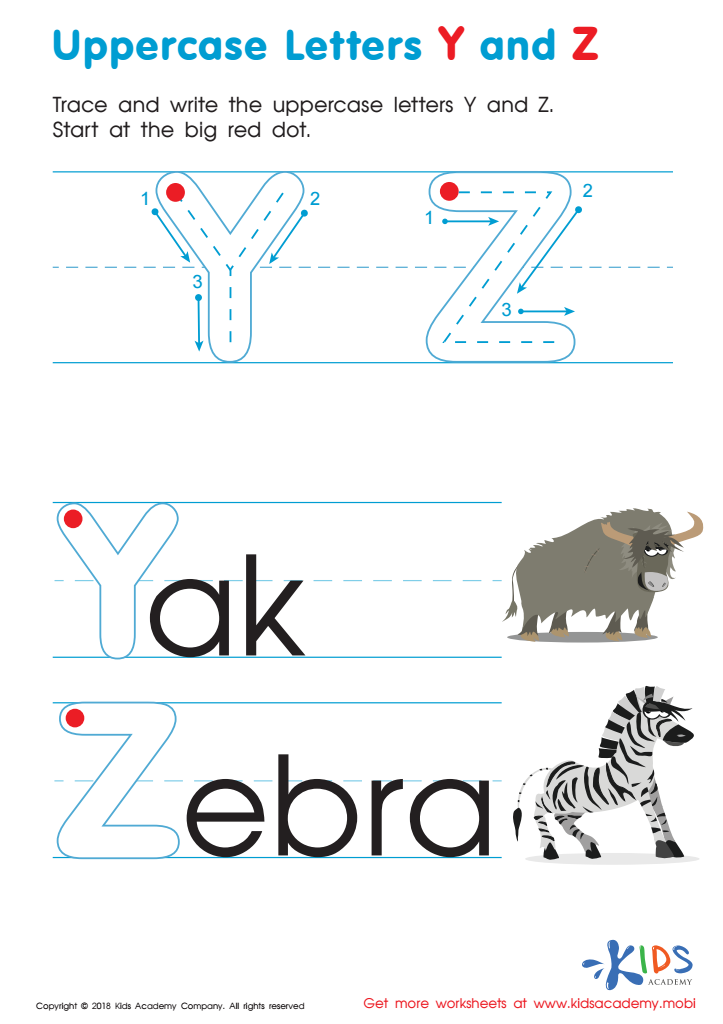
Uppercase Letters Y Z Worksheet
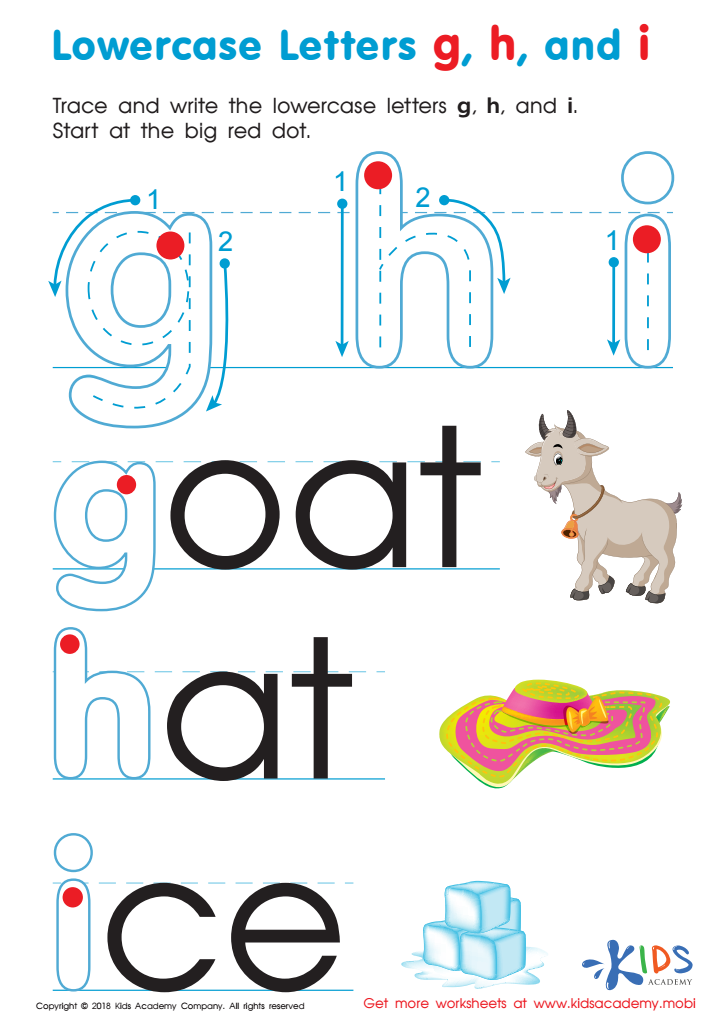
Lowercase Letters g h i Worksheet
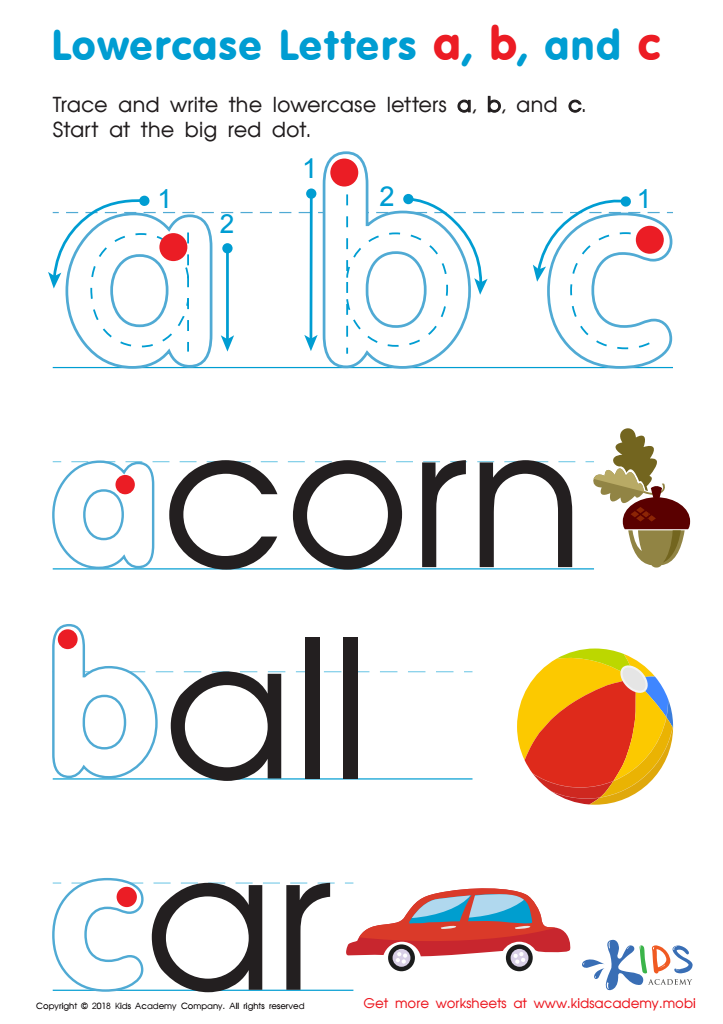
Lowercase Letters a b c Worksheet
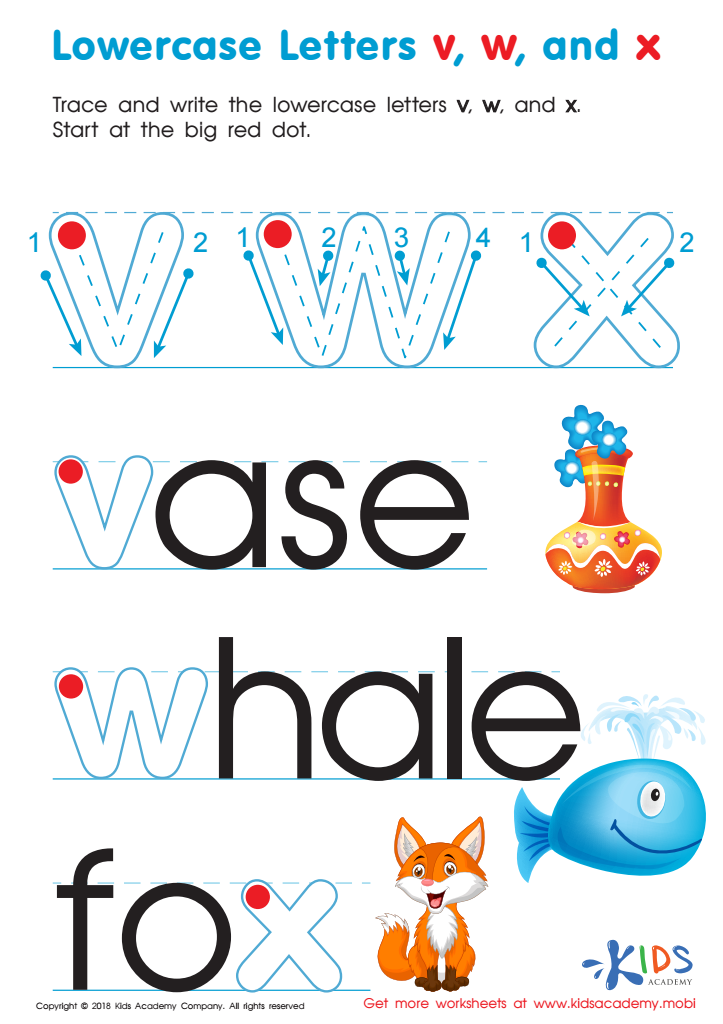
Lowercase Letters v w x Worksheet
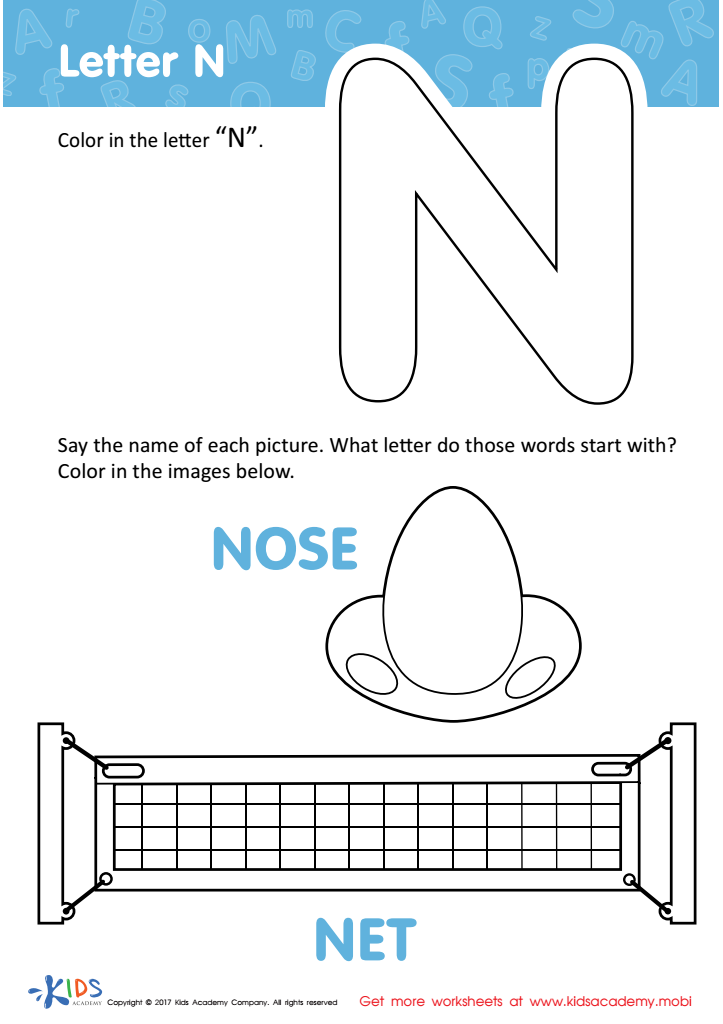
Letter N Coloring Sheet
Assign to My Students
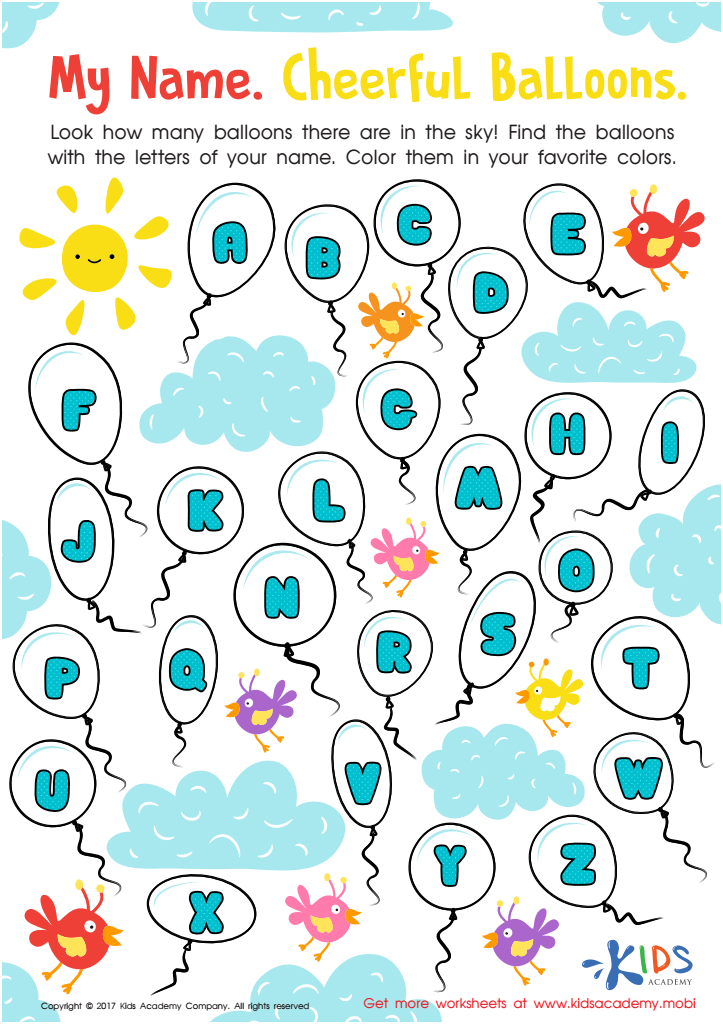
My Name: Cheerful Balloons Worksheet
Assign to My Students
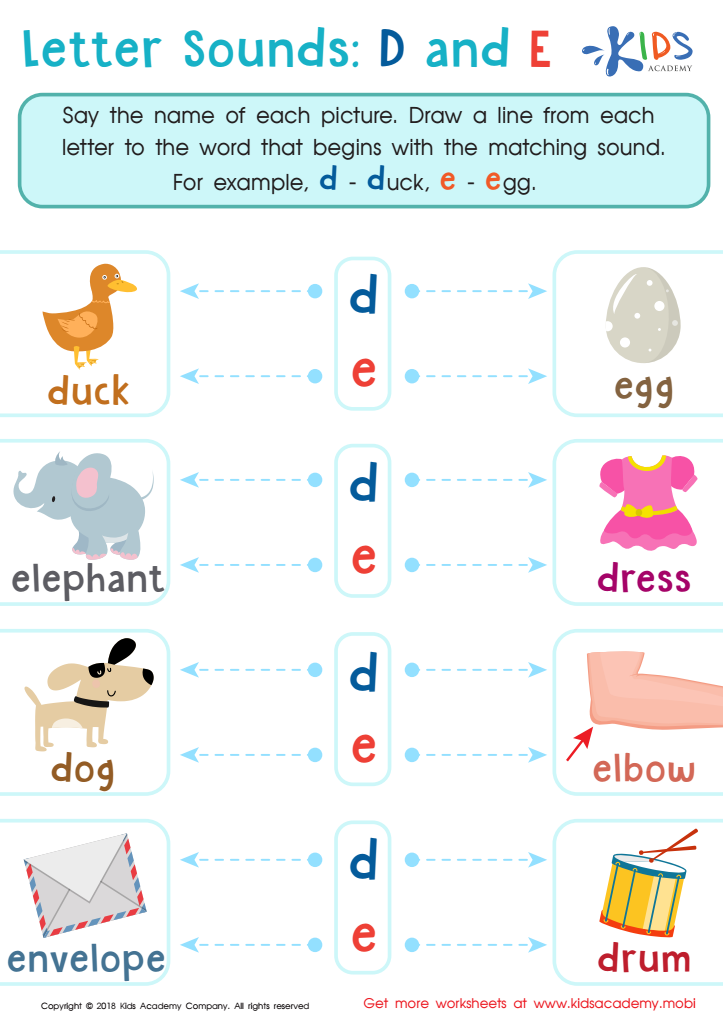
Letter D and E Sounds Worksheet
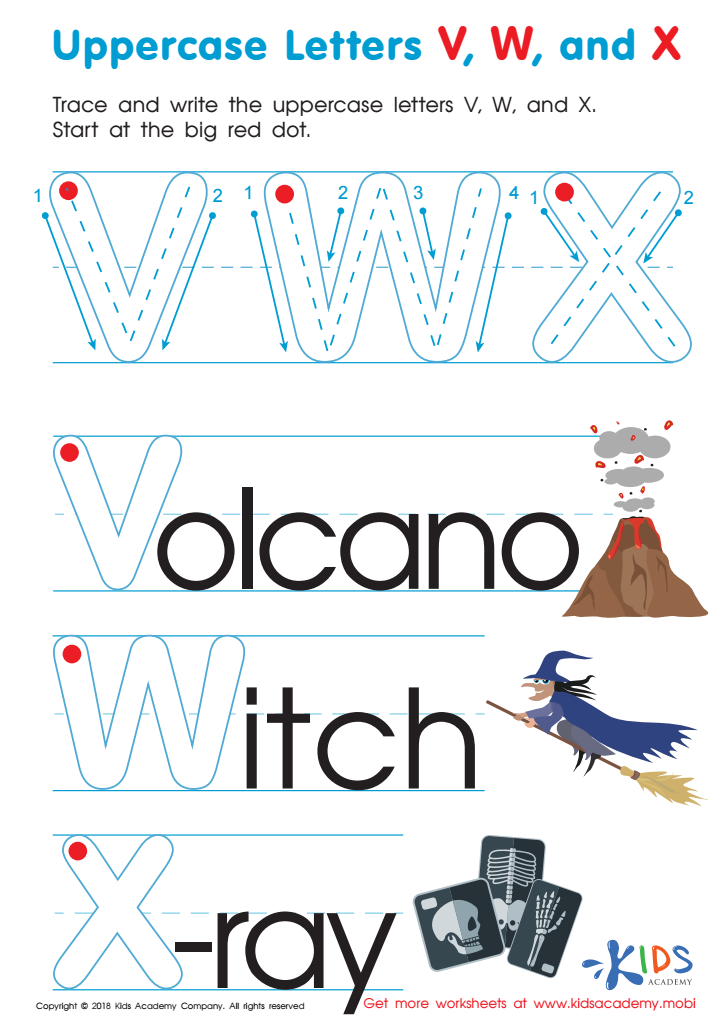
Uppercase Letters V, W, and X Worksheet








Handwriting practice for the normal alphabet is crucial for children aged 4-6 for several reasons. First, developing fine motor skills during these formative years is vital as children learn to control their hand movements, essential for writing. Handwriting helps improve hand-eye coordination, which is beneficial not only for writing but also for various daily tasks.
Secondly, mastering letter formation lays the groundwork for reading skills. As children practice writing letters, they associate written symbols with sounds, enhancing phonemic awareness and supporting early literacy. Moreover, practicing handwriting can boost children's self-esteem; as they see their skills improve over time, they build confidence in their abilities.
Additionally, handwriting is a fundamental form of communication. In a technology-driven world, teaching children to express their thoughts through writing fosters creativity and individuality. It's important for parents and teachers to recognize that, while digital skills are crucial, foundational writing skills contribute significantly to cognitive development and overall academic success.
Lastly, regular handwriting practice establishes discipline and patience, traits necessary for long-term learning. By prioritizing handwriting practice in the curriculum, educators and parents can equip children with essential skills that extend beyond the classroom, promoting academic and personal growth.







